Xicheng Beijing: What the Lakes and Lanes District Is Like and What You Can Walk To
Xicheng Beijing: what the lakes and lanes district is like, who it suits, and how it differs from Dongcheng—older residential hutong, Beihai Park, and the
- Flag
-

- ISO code
- CN
- Currency
- CNY
- Timezone
- Asia/Shanghai
Xicheng Beijing: What the Lakes and Lanes District is Like and What You Can Walk to
Xicheng Beijing is the western half of the old city and it works differently from the eastern district. The east marches you down imperial axes through the palace complex and Tiananmen Square. Xicheng organises itself around water and residential lanes. Beihai Park, the Houhai lakes, and the canal section of Shichahai that UNESCO inscribed as part of the Grand Canal in 2014 define the rhythm here. This is the district where you walk between courtyards and temples rather than between processional gates. If the east is the monumental Beijing visitors photograph, Xicheng is the one they live in.
You choose Xicheng because you want to wake up near water, walk to breakfast through hutong that still smell like coal smoke in winter, and reach the Drum and Bell Towers on foot without crossing a major road. The trade off is noise. The Houhai bar strip draws crowds that peak around 22:00. Paddle boats clutter the lake surface in summer. Older residential lanes thin out as you push west toward the glass towers of Beijing Financial Street. The texture is genuine but uneven. Know that before you book.
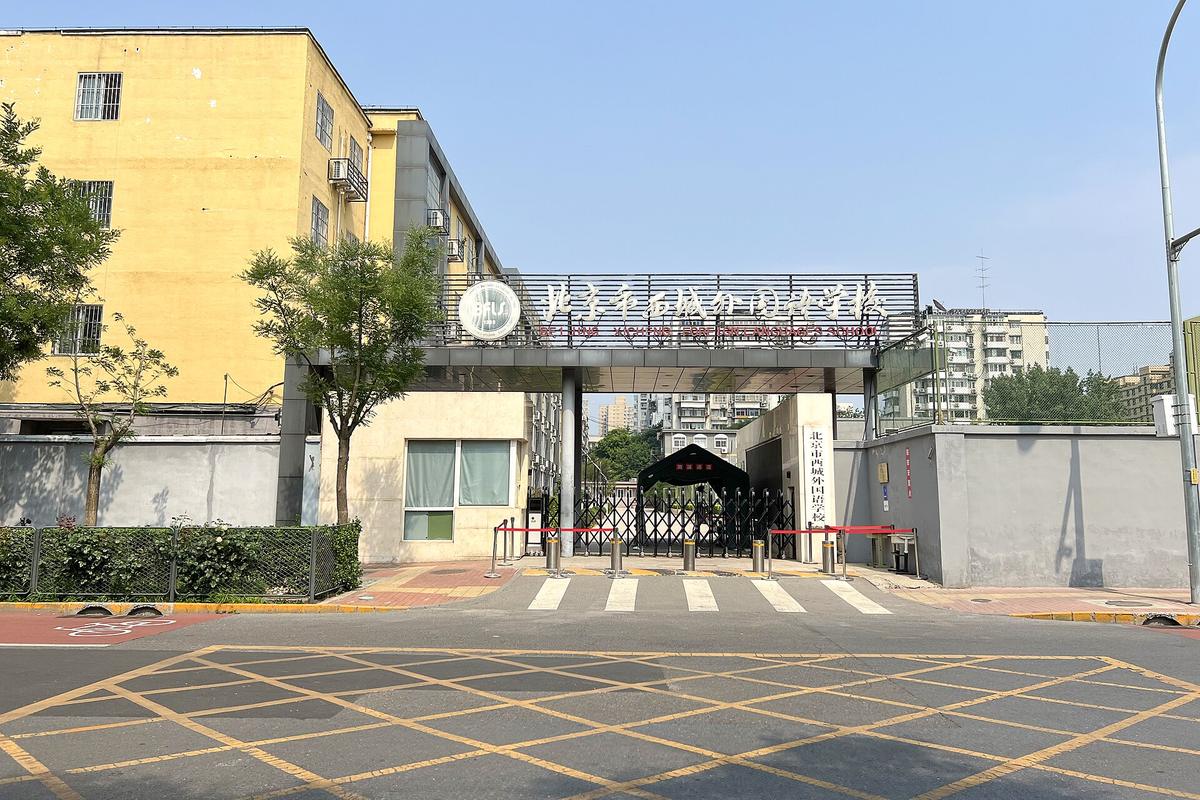

Xicheng District Guide: What You Actually Walk to
Distances in Xicheng are walkable in a way that few parts of Beijing are. The district is only 50.7 km² with a permanent population of 1,106,000 at the 2020 census, which makes it dense enough to keep destinations close. You do not need a metro for the core sights.
Beihai Park And The Imperial Lake
Beihai Park is the clearest example. The white dagoba on Qionghua Island is visible from half the district. Enter through the south gate from Ping'anli and you are at the park in five minutes. The park itself is a former imperial garden centred on a lake that connects to the Shichahai system. Climb the dagoba for a view west over Xicheng's low rooftops and east toward Jingshan Park. Check the seasonal closing schedule before you go.
Drum And Bell Towers From The West
The Drum and Bell Towers sit on the border between the two old city districts but the western approach is better. Start from the north side of Houhai, walk through the hutong lanes at Yandai Xiejie, and you reach the towers in under twenty minutes without dealing with the tourist market that crowds the eastern entrance. The climb is steep. The reward is a rooftop view over the entire Shichahai lake system.
Prince Gong's Mansion And Niujie
Prince Gong's Mansion is on Qianhai West Street, a ten minute walk from the north gate of Beihai Park. The mansion is a Qing dynasty prince's compound with a rare surviving private garden. It gets crowded by 10:00. Arrive at 08:30 when it opens and you have the courtyard paths to yourself for roughly an hour.
The Niujie Mosque and its surrounding Muslim food street sit in the south of Xicheng, roughly 2 km from the Financial Street metro stations. The mosque itself dates from 996 CE with Qing dynasty rebuilding. The real reason to walk here is the food. The street running south from the mosque is lined with halal restaurants serving lamb skewers, hand pulled noodles, and flatbreads. It is the most concentrated food street in the district and it stays active later than the tourist restaurants around Houhai.
Houhai Beijing Area: Honest Assessment of the Lakes
Houhai is the most visited part of Xicheng and it needs an honest read. By day the lake works well. Families rent paddle boats. The willow shaded path on the north shore is quiet enough for a walk. The hutong lanes behind the lake, especially around Nanluoguxiang on the eastern side, are packed with courtyard cafes and bicycle rental stalls. By night the bar strip on the west side of the lake turns loud. Live music competes across open doorways. Crowds spill onto the pavement. If you book a courtyard guesthouse on the lake side, ask for a room on the far side from the bar strip or you will hear bass until 02:00.
Three Lakes, One Walk
The Shichahai area includes three connected lakes: Qianhai, Houhai, and Xihai. Xihai, the westernmost, is the quietest and the one most visitors miss. Walk there for the uninterrupted view of the white dagoba reflected in still water. In winter the lakes freeze and ice skating operates when the thickness is safe. The skating is informal, cheap, and genuinely local. Rent skates from the vendors set up along the shore.
Working Lanes, Not A Museum
The hutong around Houhai are the older residential lanes of Xicheng, not the carefully preserved tourist corridors of the eastern district. That distinction matters. In the east the hutong around the palace have been cleaned up, signposted, and turned into a heritage product. In Xicheng the hutong still have working life. You see motorcycles parked in doorways, laundry lines across the lane, and the occasional street vendor selling mantou with red fermented tofu from a thermos. The trade off is that some lanes are unpaved and the squat toilet is the standard in any hutong restaurant. Carry your own toilet paper and soap.
Beihai Park Neighbourhood: the Western Edge of the Old City
The Beihai Park neighbourhood runs from the park's north gate to Ping'anli metro station. This is the most practical base in Xicheng. You have Line 4 and Line 6 at Ping'anli. You can walk to the palace north gate in twenty minutes. You are a ten minute walk from the Drum and Bell Towers. The streets here are wider than around Houhai, which means fewer hutong but better taxi access and better food options.
South Toward The Boulevards
South of Beihai Park, toward Fuxingmen, the architecture shifts from courtyard houses to tree lined boulevards. Sanlihe Road is the best example: ginkgo trees on both sides that turn yellow in late autumn. This is the corridor where the Capital Museum sits, on Fuxingmen Outer Street. The Capital Museum covers Beijing specific history and draws smaller crowds than the National Museum of China. Book tickets in advance. The museum is closed Mondays, a pattern that applies across nearly every site in the district.
The White Cloud Temple
The White Cloud Temple is further west, active and quieter than the Lama Temple. It is a functioning Daoist temple, not a museum. The incense smoke, the elderly worshippers bowing in the courtyards, and the lack of tour groups make it feel like a discovery. Reach it by walking west from Nanlishilu metro station on Line 1.
Xicheng vs Dongcheng: Which Side of the Old City to Base Yourself
The eastern district has the palace, Wangfujing, and the most famous hutong. Xicheng has the lakes, the temple courtyards, and the working lanes. The decision is about pace. The east is a sightseeing district. You wake up, walk to a major monument, repeat. Xicheng is a living district. You wake up, walk to breakfast, walk along the lake, and the monuments are incidental to the day.
If your priority is ticking the headline sights with maximum efficiency, stay in the east near Wangfujing or the palace. If your priority is a base that feels residential, where you can walk to a park for an hour in the morning and eat dinner in a hutong without navigating a security queue on the way, stay in Xicheng near Ping'anli or the north side of Houhai.
The friction applies equally to both. You need your physical passport for every site. The metro stops running around 22:30. Late night movement relies on Didi ride hailing, which can take twenty minutes to secure. Smog spikes without warning between November and March. Carry an N95 mask and check the AQI daily. WhatsApp, Google Maps, and Instagram are blocked without a VPN. Install and test one before you arrive.
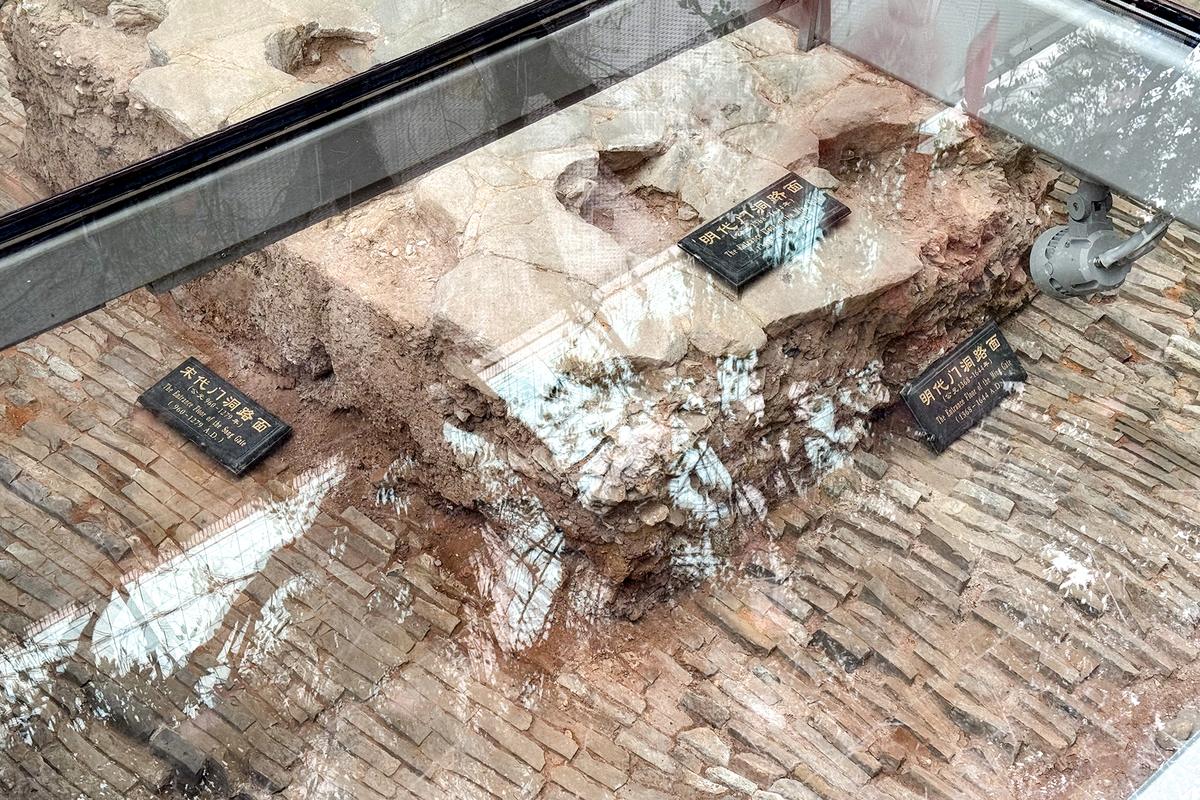

Practical Details for Your Day in Xicheng
Book Beihai Park and the Capital Museum at least two days ahead. The palace requires seven days advance booking, even if you only plan to approach its north gate from the Xicheng side. The common mistake is booking a morning at the palace and an afternoon at another sight, then losing ninety minutes just walking from the entry gate through security, across Tiananmen Square, and out the north gate to the nearest metro. Budget the crossing time.
Metro Lines And Exits
Metro Line 6 runs east west through the district with stops at Ping'anli, Xizhimen, and Beihai Park. Line 4 runs north south. The interchange at Ping'anli connects both. Station exits are numbered and leaving through the wrong gate means a fifteen minute walk to correct it. Check which exit serves your destination before you scan your QR code.
Food And Facilities
For food, skip the Houhai lakeside restaurants that charge tourist prices for average roast duck. Walk south to Niujie for lamb dishes and hand pulled noodles. Walk north to the hutong around Xinjiekou for zhajiangmian, the Beijing noodle dish with fermented soybean paste and shredded vegetables. The yoghurt in ceramic pots sold at convenience stores across the district is a reliable snack. Scrape it clean with the flat spoon provided.
Carry your passport, your own toilet paper, and cash for street vendors who refuse digital payments. The squat toilet is the standard in hutong restaurants and public parks. Soap is rarely stocked. The afternoon closure pattern at Beihai Park and some smaller sites means you need to plan your day around a break between roughly 12:00 and 14:00. Use that window for a long lunch.
| Route | Distance | Time On Foot |
|---|---|---|
| Shichahai to Forbidden City north gate | 1.5 km | 20 min |
| Beihai Park to Prince Gong's Mansion | 0.8 km | 10 min |
| Beihai Park to Drum and Bell Towers | 1.2 km | 15 min |
| Ping'anli station to Niujie Mosque | 2.5 km | 30 min |
| Capital Museum to White Cloud Temple | 1.5 km | 20 min |
| Xidan to Tiananmen Square | 2 km | 25 min |
The One Thing You Do Next
Open Alipay, link your foreign card, and book the general admission ticket for Beihai Park for your first morning. Pick the south gate entrance. Arrive by 08:30. Walk the lake path west to the white dagoba. You will have roughly an hour before the tour groups arrive. After that, walk north to the hutong behind the park and find a breakfast stall selling jianbing from a griddle cart. That morning is the best version of Xicheng. Everything else follows from it.
Other areas in Beijing
Common Questions
Is Xicheng safe to walk at night?
Yes. The main risk is traffic on the unmarked lanes around the lakes, not crime. The Houhai bar strip is busy until late. The residential hutong west of Ping'anli are quiet and well lit on main routes. Carry your phone for navigation. The metro stops around 22:30 so budget for ride hailing after that.
How far is Xicheng from the Forbidden City?
The north gate of the palace is roughly 1.5 km from Shichahai, a 20 minute walk. The south gate is 2 km from Xidan. Budget 30 minutes total to walk from a Ping'anli hotel to the north gate and through the security line.
Which metro line serves the Houhai area?
Line 6 stops at Beihai Park station, the closest to the southern end of Shichahai. Line 8 stops at Shichahai station, closer to the Drum and Bell Towers. Both require a 10 minute walk to reach the lake itself.
When does Beihai Park close?
Closing time varies by season. In summer the park closes around 21:00. In winter it closes around 17:00. Some winter weekdays the park closes for an afternoon break between 12:00 and 13:30. Check the official schedule published by the Beijing Municipal Bureau of Parks before you go.
Read next
-
 Beijing Hotels What Each Price Band Actually Gets You
The most useful fact about Beijing hotels is that not every bed in the city is legally permitted to take your money.
-
 Where to Stay in Beijing District by District and What Each Costs You
Where to stay in Beijing depends on whether you prioritise imperial proximity, nightlife, or calm.
-
 Flying into Beijing PEK or PKX and Getting Out of Both Airports
Flying into Beijing: choosing between PEK and PKX, and exactly how to get from each airport into the city centre without getting stranded after a long flight.
-
 Beijing Things to Do Ordered by Whether It Is Worth the Time
Beijing consumes your day before you see anything. The walk from Tiananmen Square metro exit to the Forbidden City gate is a long stretch of open concrete und
-
 Best Time to Visit Beijing What Each Season Does to the City
The most common mistake travellers make about Beijing is searching for a single perfect month. There is none.
-
 Getting Around Beijing Without Wasting Half the Trip
On a single morning in Beijing you will: tap a QR code to enter the metro, scan your passport at a landmark ticket counter, pay for a jianbing from a cart
-
 Dongcheng
 Beijing: what the imperial core district is actually like, who it suits, and which sights are genuinely within walking distance once you account for
-
 Chaoyang
 Beijing: what the embassy and art district is like, who should stay there over the historic centre, and what is nearby—from Sanlitun nightlife to798
-
 Haidian
 Beijing: what the university and Summer Palace district is like, who it suits, and whether staying there makes sense given the long metro rides to