Haidian Beijing: What the University and Summer Palace District Is Like and What You Can Walk To
Haidian Beijing: what the university and Summer Palace district is like, who it suits, and whether staying there makes sense given the long metro rides to
- Flag
-

- ISO code
- CN
- Currency
- CNY
- Timezone
- Asia/Shanghai
Haidian Beijing: What the University and Summer Palace District is Like and What You Can Walk to
The common assumption about Haidian Beijing is that it is a quiet, suburban outpost of the capital, a place you pass through on the way to the Summer Palace rather than a destination in its own right. The truth is stranger and more useful. Haidian is a 431 km² district of 3.1 million people, dominated by two things that have almost nothing to do with each other: a belt of elite universities and a chain of imperial gardens along its western edge. The university campuses, Peking University, Tsinghua, Renmin, give the central corridor a young, cheap, slightly scruffy energy. The gardens, Summer Palace, Old Summer Palace (Yuanmingyuan), Fragrant Hills Park, Beijing Botanical Garden, pull a different crowd entirely: tour buses, families, photographers tracking the autumn red leaves. Living in Haidian means waking up in a tech campus and walking to a UNESCO World Heritage Site, but it also means accepting that almost everything else in Beijing is a metro ride away.
Haidian District Guide: What the Area Actually Feels Like
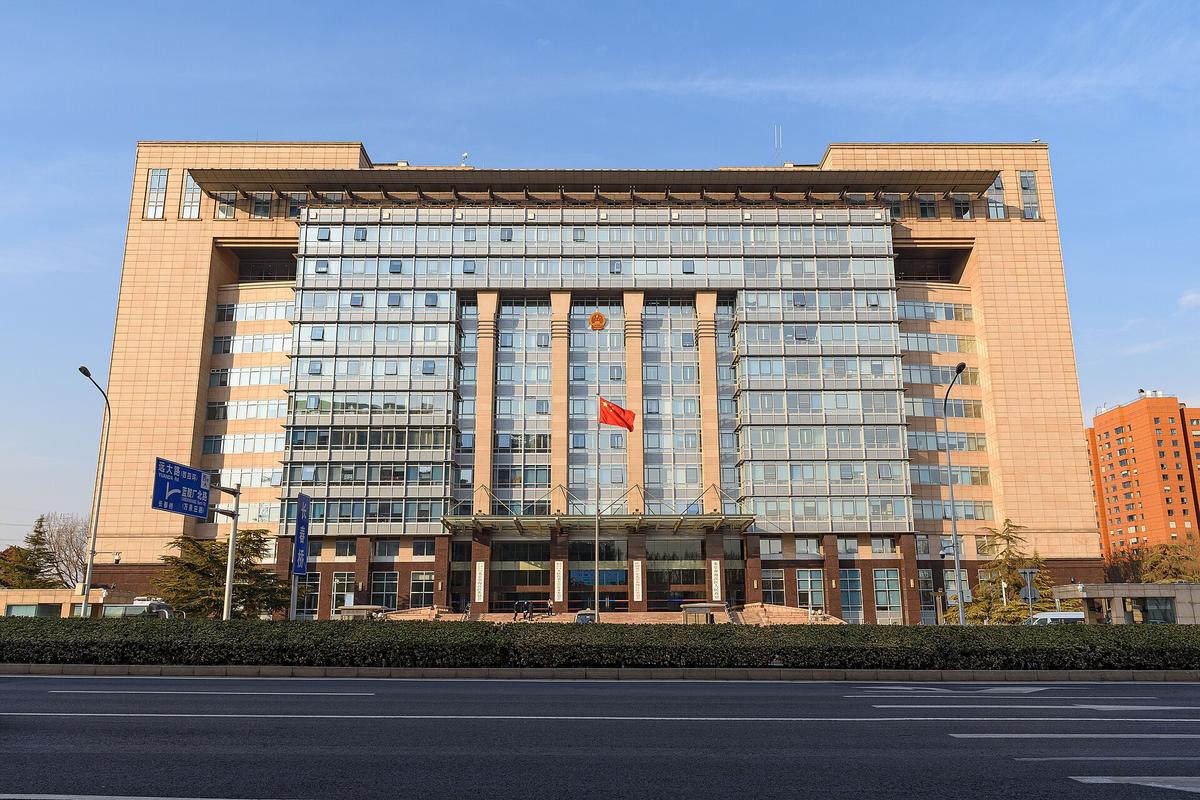
This is not a district that rewards wandering. The streets are wide arterial roads designed for cars, not strolling. Walking between points often requires underpasses or overpasses, and the blocks are long. What makes it work is the density of what sits inside those blocks.
The University Corridor On Foot
The north, south corridor from Haidian Huangzhuang to Wudaokou, roughly 4 km, holds the east gates of both Peking University and Tsinghua, the south gate of Yuanmingyuan, and the dining strip of Chengfu Road. You can cover that ground on foot in a morning, but you will cross the same six-lane intersection three times. The pavement is wide concrete and tree-lined along the campus perimeters; elsewhere it is functional.
The academic atmosphere is real. Walk past the Peking University east gate and you see students on electric scooters, bicycle-sharing piles, notice boards in English and Chinese. The area has a lower, flatter energy than Chaoyang. No embassy parties, no Sanlitun bar strip.
Eating In The Student Belt
The trade-off is cost: a meal in Wudaokou runs roughly half what you would pay in the centre. The student canteens at Tsinghua and Peking University accept cash or mobile payment at designated windows for visitors, though the rules vary by campus, check at the gate registration desk. The dining cluster on Chengfu Road leans Korean and Uyghur, with a scattering of Japanese ramen shops and Western fast-casual chains. It stays open later than the rest of Haidian, which closes down early outside the university belt.

The Summer Palace Area: Rhythm, Crowds and Light
The Summer Palace area operates on a predictable daily pattern that you can exploit. The site opens early, around 06:30 in peak season, and for the first hour it is nearly empty. By 09:30 the tour bus wave arrives. Groups pile off buses at the east gate, process along the Long Corridor, photograph the Marble Boat, and funnel toward Kunming Lake. The corridor, a covered walkway painted with thousands of scenes, becomes a slow-moving queue. The boat becomes a photo bottleneck. The lake itself absorbs the crowd better than the built structures, but the mid-morning crush is real.
Stay Late For The Light
Stay past 15:00. The buses leave by 14:30 to hit their next stop. By 15:30 the light on Kunming Lake shifts to a flat gold that catches the western hills behind it. The Long Corridor empties. The climb up to the Tower of Buddhist Incense, the highest point on the palace grounds, becomes a solo walk rather than a shuffle. This is the window that rewards staying in Haidian: you can walk back to your hotel rather than fight for a taxi, and the metro entrance at the east gate is a five-minute walk. If you leave with the tour buses, you have seen the Summer Palace. If you stay past them, you have felt it.
Yuanmingyuan: The Ruin Garden
The Old Summer Palace (Yuanmingyuan) sits 1 km north of Peking University’s east gate. It is a ruin garden, not a standing palace, the European-style fountains and pavilions were sacked in 1860 and left as stone fragments in a vast park. It is quieter than the Summer Palace and less crowded, but also less visually dramatic. Go for the scale of the destruction and the lake walks, not for a palace experience. The two sites together make a full day if you start early; the walk between them, along the canal path, takes about 25 minutes.
Haidian vs Chaoyang: Who Each District Suits
The choice between Haidian and Chaoyang is the first decision you make about a Beijing trip, and it matters more than which hotel you book. Chaoyang holds the 798 Art District, the embassy zone, Sanlitun’s nightlife, and the bulk of expatriate infrastructure. It is polished, expensive, and connected. Haidian is cheaper, younger, and less convenient for the central sights. The metro journey from Haidian Huangzhuang to Tiananmen East is 25 minutes on Line 4 direct, not a long ride, but the walk from the metro exit to the Forbidden City gate adds another 15 minutes and a security check. Do that twice and you lose an hour of your day.
Choose Haidian if the Summer Palace is your priority and you are comfortable with a 20-minute metro ride to reach most other major sights. Choose Chaoyang if you want to be near nightlife, international restaurants, and the 798 galleries, and you accept paying more for a room. The two districts do not overlap in character. A traveller who values spontaneity, compact distances, and historic hutong streetscapes should pick Dongcheng, not either of them. Haidian is a district of destinations, not of wandering. You go there for specific things: a university campus visit, a tech-sector appointment, the palace gardens, the autumn red leaves at Fragrant Hills. You do not go there to explore.

Beijing University District: What to See on Campus and What Costs Extra Time
Peking University and Tsinghua both allow public access, but you need your physical passport to register at the gate. No digital copies. At Peking University, enter through the east gate or the southeast gate; at Tsinghua, the west or south gate. The campuses are large, and walking across them takes longer than it looks on a map.
What To See On Campus
The main draws are the architecture: Peking University’s traditional Chinese-style buildings around Weiming Lake, Tsinghua’s mix of Qing dynasty gardens and modernist blocks. Neither campus is a sight in the way the Forbidden City is a sight. They are places of atmosphere, not of monuments. An hour on each campus is enough unless you have a specific reason to stay longer.
Zhongguancun And The Tech Zone
Zhongguancun, the electronics zone south of the campuses, is worth 30 minutes if you are curious about China’s tech industry. The Hailong Building and Dinghao Building cluster sell components, laptops, and phones in a chaotic market format. It is not a tourist attraction. It is a functional place where you can buy a cable or a hard drive, and where the density of young professionals reinforces the district’s character. Skip it if you are not shopping for electronics.
Fragrant Hills And The Botanical Garden
Fragrant Hills Park (Xiangshan) and the Beijing Botanical Garden sit 12 km northwest of the core zone. You need a taxi or the Xijiao Line tram from Bagou station. The tram runs 6 stations from Bagou to Fragrant Hills and serves the Summer Palace west gate and the Botanical Garden en route. The autumn red leaves at Fragrant Hills draw enormous crowds throughout October; the cable car to the summit is a 20-minute ride that gives you a view over the western hills. In spring, the Botanical Garden’s cherry blossom is the draw. Both sites are worth the trip if the season matches, but they are not walkable from the university corridor. Budget a half-day for either.
Other areas in Beijing
Frequently Asked Questions About Haidian
Is Haidian suitable for a first-time visitor to China?
Not particularly. Haidian works best for repeat visitors, academic travellers, or anyone who knows Beijing well enough to handle the metro distances. First-timers should stay in Dongcheng or Chaoyang, where the central sights and transport connections are denser.
How long do I need to see the Summer Palace properly?
Three to four hours if you arrive at 07:00 and stay past the tour bus wave. If you arrive at 10:00 with the crowds, budget five hours to account for queue time on the Long Corridor and around the Marble Boat.
Can I walk from Peking University to the Summer Palace?
Yes. The east gate of the Summer Palace is about 2 km west of Haidian Huangzhuang, which is on the Peking University campus edge. The walk takes 25 minutes along a straight road. The metro is faster, one stop on Line 16, but the walk is pleasant along a tree-lined avenue.
Is the Old Summer Palace worth visiting if I am short on time?
Only if you have a specific interest in the Opium Wars or ruin landscapes. The Summer Palace is the stronger experience. Yuanmingyuan is a large park with stone fragments in a lake setting; it lacks the architectural completeness of the Summer Palace. Combine both only if you have a full day.
What is the best month to see Fragrant Hills?
October, specifically the second and third weeks, when the red leaves peak. Arrive by 08:00 to beat the domestic tour groups. The cable car queues build by 10:00 and can exceed 45 minutes. The Xijiao Line tram from Bagou is the most reliable transport option.
How does Haidian compare to Chaoyang for food?
Haidian is cheaper and less diverse. Wudaokou offers good Korean and Uyghur options at student prices. Chaoyang has a wider range, French, Italian, Japanese fine dining, at double the cost. Haidian’s strength is value, not variety.
Is the metro connection from Haidian to the Great Wall practical?
For Mutianyu, no, you need a pre-booked car or bus. For Badaling, take Line 4 to Beijing North Station and transfer to the S2 train, which is a 90-minute ride. The S2 runs a limited schedule; check departure times a day ahead.
Read next
-
 Beijing Hotels What Each Price Band Actually Gets You
The most useful fact about Beijing hotels is that not every bed in the city is legally permitted to take your money.
-
 Where to Stay in Beijing District by District and What Each Costs You
Where to stay in Beijing depends on whether you prioritise imperial proximity, nightlife, or calm.
-
 Flying into Beijing PEK or PKX and Getting Out of Both Airports
Flying into Beijing: choosing between PEK and PKX, and exactly how to get from each airport into the city centre without getting stranded after a long flight.
-
 Beijing Things to Do Ordered by Whether It Is Worth the Time
Beijing consumes your day before you see anything. The walk from Tiananmen Square metro exit to the Forbidden City gate is a long stretch of open concrete und
-
 Best Time to Visit Beijing What Each Season Does to the City
The most common mistake travellers make about Beijing is searching for a single perfect month. There is none.
-
 Getting Around Beijing Without Wasting Half the Trip
On a single morning in Beijing you will: tap a QR code to enter the metro, scan your passport at a landmark ticket counter, pay for a jianbing from a cart
-
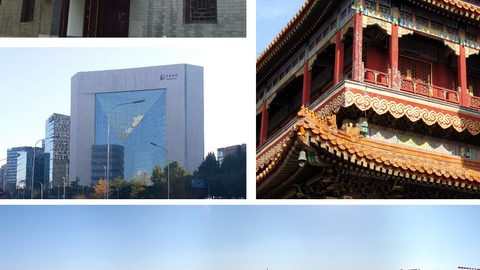 Dongcheng
 Beijing: what the imperial core district is actually like, who it suits, and which sights are genuinely within walking distance once you account for
-
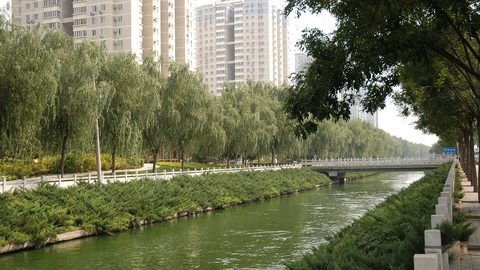 Chaoyang
 Beijing: what the embassy and art district is like, who should stay there over the historic centre, and what is nearby—from Sanlitun nightlife to798
-
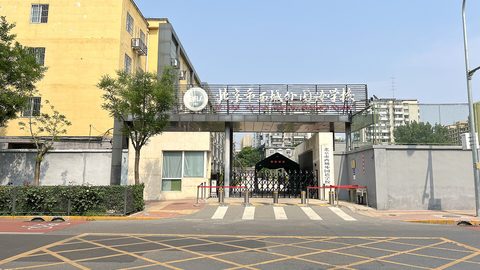 Xicheng
 Beijing: what the lakes and lanes district is like, who it suits, and how it differs from Dongcheng—older residential hutong, Beihai Park, and the