Getting Around Beijing Without Wasting Half Your Trip on Logistics
On a single morning in Beijing you will: tap a QR code to enter the metro, scan your passport at a landmark ticket counter, pay for a jianbing from a cart
Set Up Alipay Before You Leave Home. Carry Your Passport Every Day.
On a single morning in Beijing you will: tap a QR code to enter the metro, scan your passport at a landmark ticket counter, pay for a jianbing from a cart that accepts nothing else, and call a Didi using the same app that read your metro card. None of this works without Alipay linked to a foreign card and a physical passport in your pocket. Digital copies are refused at every major site entrance. Getting around Beijing without those two things is not difficult. It is impossible.
Everything else is a refinement on that base condition. The metro is your primary tool for moving across the city's 807 km of track (2025 figure from the Beijing Municipal Commission of Transport; the network grows annually). Didi is your fallback after the metro shuts around 23:00. Your hotel or guesthouse can write destination addresses in characters so you do not have to explain yourself to a driver who does not speak English. That is the system. Learn how to make it work before you leave, and you will not lose half your trip to friction that could have been avoided on your sofa.
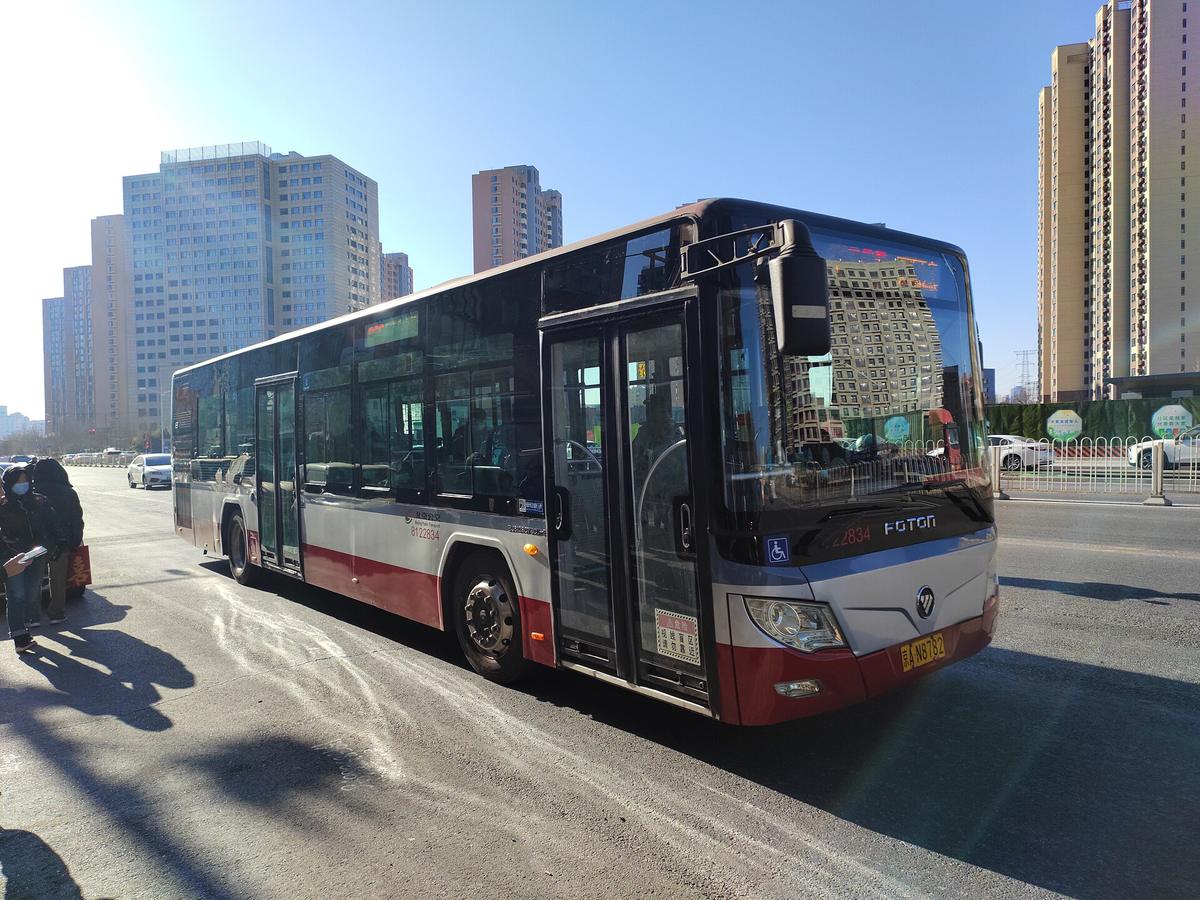

Beijing Metro Guide: the Dominant Mode and Its Friction
Network Basics And Fares
Beijing's metro is sprawling, cheap, and signed in English. The network runs 29 lines and 523 stations (Beijing Metro, 2025 figures). Fares start at a base amount for the first 6 km and rise by distance tiers, capped per journey. You will pay between ¥3 and ¥9 for most rides. Operating hours run from roughly 05:00 to 23:30, but the last train on a given line can leave its terminus 30 minutes before that window closes. Check the final departure time for your specific station before you board.
Three Kinds Of Friction
The friction comes in three forms. First, every station entry requires a security scan. Bags go through an X-ray machine; you walk through a metal detector. This adds 30 seconds to 3 minutes per entry, but at peak hours at major interchanges like Xizhimen or Dongzhimen the queue can stretch 10 minutes. Budget for it.
Second, station exits are numbered and the wrong gate can deposit you on the far side of a 10-lane intersection with no crosswalk for hundreds of metres. Map your exit number before you leave the platform. If you emerge and the landmark you need is behind you, do not try to cross. Walk back underground through the station and exit the correct gate. That trip through the tunnel beats a 15 minute detour above ground.
The Midnight Shutdown
Third, the metro stops running around 23:00. This is not negotiable. If you are at a hutong restaurant in Dongcheng at 22:45 and the nearest station is 10 minutes away, you will not make the last train. Plan your evening around the shutdown time or accept that you are taking a ride home.
Beijing Metro Security Scan: What to Expect Every Time You Enter
Every metro station in Beijing has a security checkpoint at the entry gate. You cannot bypass it. Bags go through a conveyor belt X-ray. You walk through a metal detector frame. Water bottles are sometimes tested with a handheld scanner. Staff are efficient and uninterested in you as an individual; the process is bureaucratic, not aggressive.
The practical problem is that this happens at every station, not just the central ones. If you change lines at Guomao or Dongzhimen and exit the paid area to transfer, you go through security again when you re-enter. If your route involves three lines and you exit the paid zone between each, you queue three times. The solution: stay inside the paid area for transfers. The metro system allows free transfers between lines without re-entering, as long as you do not exit through the gate. Learn which interchanges require you to stay inside the gates and which force you out. Xizhimen and Songjiazhuang are two stations where the transfer corridor is inside the paid area; Dongzhimen requires you to exit and re-enter for the Airport Express.
Alipay Beijing Transport Setup: the Non-Negotiable Before You Fly
Install And Link Before Departure
Alipay is the single app that pays for metro QR codes, Didi rides, bus fares, convenience store purchases, and restaurant bills. Install it before you leave. Link a foreign credit or debit card. The process takes 15 minutes and requires a phone number that can receive SMS verification codes while you are abroad. Do this from home.
Metro QR Code Versus Yikatong Card
Once Alipay is active, open the transport mini-program inside it to generate a metro QR code. That code lets you tap through the metro gate. You do not need a Yikatong stored-value card, though one is available if you prefer: buy it at a station service counter with a deposit, and refund the deposit and remaining balance at designated station counters. The QR code method is simpler for short visits because there is no deposit and no refund queue.
Bus Mode And Fares
One common ticketing error: you must switch the mini-program to bus mode when you board a bus. The same QR code does not work across both modes. Tap the code on the reader at the front door of the bus, then alight at the rear door on most routes. Bus fares are flat for most routes in the central districts, distance-based for longer suburban routes.
Beijing Didi Ride Hailing Tips: the Late Night Fallback
The metro stops before midnight. Didi does not. For anything after 23:00, Didi inside Alipay is your only reliable option. Taxis exist but the taxi queue at a metro station after shutdown can take 30 minutes. Didi is faster and you agree the fare upfront, which removes the negotiation problem when the driver does not speak English.
The language barrier is the main friction. Didi drivers call to confirm your location. They will speak Mandarin. You will not understand them. The workaround: ask your hotel reception to write your destination address in Chinese characters before you leave for the day. Keep that piece of paper or a note on your phone. When the driver calls, hand the phone to a nearby staff member, or send a pre-typed message in Chinese through the app's chat function. This works. Do not expect the driver to read your pin on a map; Beijing's scale means the pin is often imprecise.
Flagfall for a standard taxi covers the first 3 km, then a per-kilometer rate applies. A night surcharge operates roughly from 23:00 to 05:00, adding a percentage to both the base and per-kilometer rates. Didi fares are structured similarly but surge pricing applies during rain and after midnight. A ride from Sanlitun to a Dongcheng hutong hotel at 01:00 can cost ¥40 or ¥80 depending on demand. Accept it or walk. There is no third option.

Beijing Airport Transfer Advice: PEK and PKX
From Beijing Capital (PEK)
Beijing has two airports. Beijing Capital (PEK) is the older, northern hub. Beijing Daxing (PKX) is the southern mega airport opened in 2019. Both are far from central districts. Budget 60 to 90 minutes to reach your accommodation from either one.
From PEK, take the Airport Express train to Dongzhimen. The ride takes 25 minutes and costs a flat ¥25. This is a separate fare from the standard metro network. At Dongzhimen you exit the paid area and re-enter the regular metro system or take a taxi. The Airport Express runs from roughly 06:00 to 22:30. If your flight lands after the last train, you are taking a taxi. A taxi from PEK to central districts costs roughly ¥100 to ¥150 including tolls.
From Beijing Daxing (PKX)
From PKX, take the Daxing Airport Express to Caoqiao. The ride takes 20 minutes and costs a flat ¥35. Caoqiao is a metro interchange where you can transfer to the standard network. A taxi from PKX to central Beijing costs roughly ¥150 to ¥200. Do not take a taxi from PKX unless you are sharing the fare or have no choice. The train is faster and cheaper and drops you at a station with multiple line connections.
Before You Land
Whichever airport you use, install Alipay and link your card before you land. The metro QR code will not work until you do. The taxi driver at the rank will not accept a foreign card. You need Alipay live and funded from the moment you leave the arrivals hall.
The One Thing That Trips Everyone Up
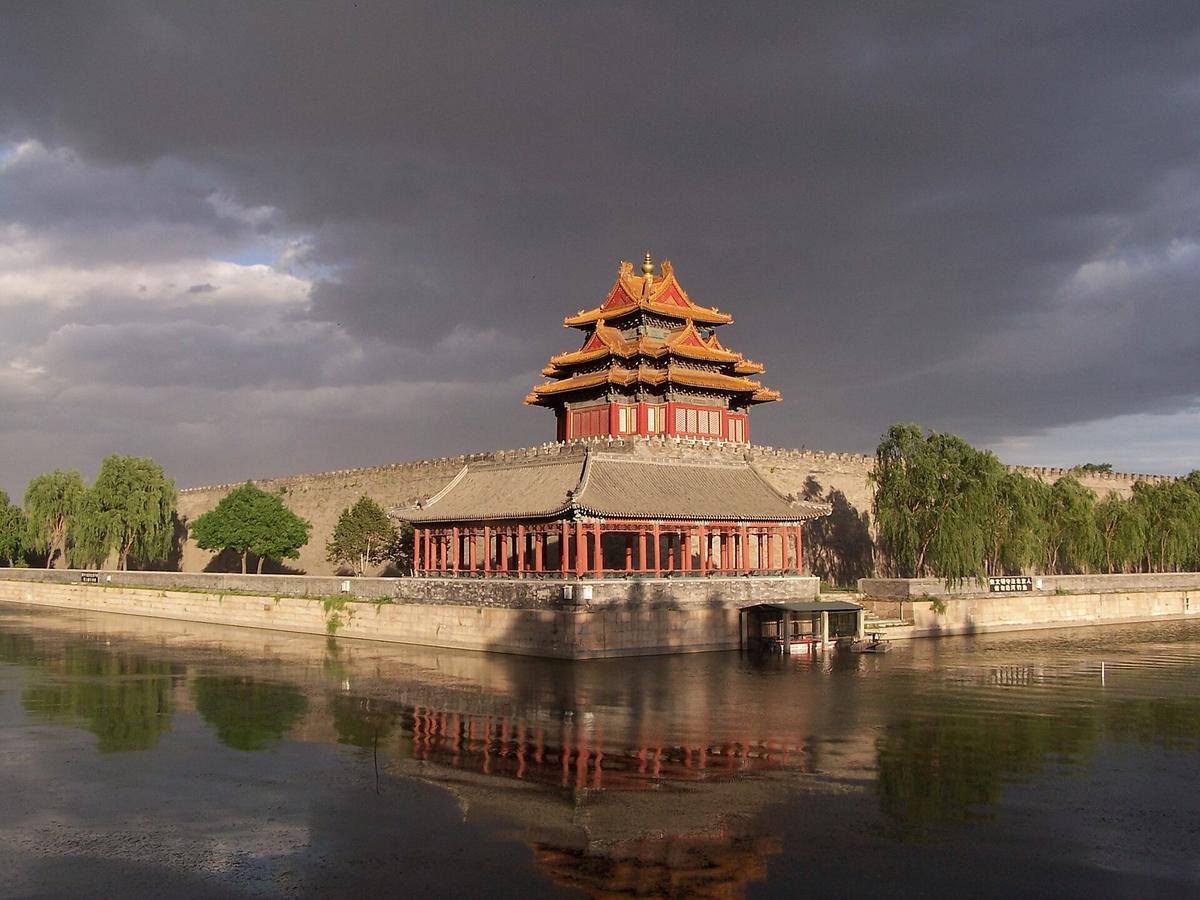
The Forbidden City and Tiananmen Square together form a single obstacle that consumes more time than any map suggests. Visitors book a morning ticket for the Forbidden City and a separate afternoon sight, then lose 90 minutes just walking from the entry gate through security, across the vast square, and out the north gate to the nearest metro station. There is no shortcut. No vehicle passes through. The compound is pedestrian only. The walk from the south gate ticket queue to the north gate exit is roughly 1.5 km through a complex that has 980 buildings and requires constant security checks for each hall you enter. Budget four hours for the Forbidden City alone. Do not schedule anything else before 14:00 on that day.
The same principle applies to every major landmark: book tickets in advance. The Forbidden City requires booking seven days ahead. The National Museum, the Temple of Heaven, and the Capital Museum all require advance reservations. Walk-up entry is not available. Your passport number goes into the booking system. Without a reservation you stand at a gate and watch other people walk through.
The Honest Caveat About Getting Around Beijing
Beijing works as a transport system for a traveller who accepts its terms: pre-book everything, carry the passport, use the app, accept the security queue, and plan around the metro shutdown. What breaks visitors is not the system itself but the assumption that spontaneity is possible. It is not. The wall around the Forbidden City blocks your shortcut. The security scan blocks your hurry. The language barrier blocks your impulse to hail a cab on the street. The one thing that most often goes wrong is that a traveller without Alipay and a passport stands at a metro gate or a landmark entrance and cannot get through. That is the failure case. Do not let it be yours.
Common Questions
Do I need a VPN to use Alipay and Didi in Beijing?
Alipay and Didi work without a VPN. The apps are not blocked. But Google Maps, Gmail, WhatsApp, Instagram, and virtually all Western social media and email services are blocked. You need a VPN installed and tested before departure if you want to use those services. A Chinese SIM from China Unicom or China Mobile is cheap and avoids Wi-Fi dependency, but requires passport registration at purchase.
Can I pay for the metro with a foreign credit card directly?
Not at the gate. You cannot tap a foreign card directly on the metro reader. You must use either the Alipay QR code inside the app, a Yikatong stored-value card purchased at a station counter, or a contactless UnionPay bank card. UnionPay cards issued outside China sometimes work and sometimes do not. Alipay is the reliable method.
What do I do if my Didi driver cannot find me?
Send your location through the Didi chat function inside Alipay using a pre-typed message in Chinese. Better still, have your hotel write the destination in characters before you leave. When the driver calls, hand the phone to a nearby hotel doorman, shop clerk, or passerby. Most people will help read the address to the driver.
Is the Yikatong card worth buying for a short trip?
Only if you prefer a physical card or plan to use the bus and suburban rail frequently. The Alipay QR code works on both metro and bus and requires no deposit and no refund queue. The Yikatong card requires a deposit at purchase and a visit to a designated counter for a refund. For a trip of four to seven days, the QR code is simpler.
What happens if I get caught outside after the metro shuts?
Open Didi inside Alipay and request a ride. Prepare for a 20 minute wait in central districts, longer in peripheral areas like Haidian or Fengtai. Taxi queues at major stations dissipate quickly after shutdown. Do not try to walk long distances across the ring roads; Beijing's scale makes a 3 km walk feel like 10 because of the wide intersections and limited pedestrian crossings.
Read next
-
 Beijing Hotels What Each Price Band Actually Gets You
The most useful fact about Beijing hotels is that not every bed in the city is legally permitted to take your money.
-
 Where to Stay in Beijing District by District and What Each Costs You
Where to stay in Beijing depends on whether you prioritise imperial proximity, nightlife, or calm.
-
 Flying into Beijing PEK or PKX and Getting Out of Both Airports
Flying into Beijing: choosing between PEK and PKX, and exactly how to get from each airport into the city centre without getting stranded after a long flight.
-
 Beijing Things to Do Ordered by Whether It Is Worth the Time
Beijing consumes your day before you see anything. The walk from Tiananmen Square metro exit to the Forbidden City gate is a long stretch of open concrete und
-
 Best Time to Visit Beijing What Each Season Does to the City
The most common mistake travellers make about Beijing is searching for a single perfect month. There is none.
-
 Beijing Itinerary How to Spend 2 or 3 Days Without Wasting Time
How to spend 2 or 3 days in Beijing without wasting time: a logistics-first itinerary that accounts for real distances, booking requirements, and the physical
-
 Forbidden City
The Forbidden City runs on a strict one-way route with a single entry and exit. Here is how to plan the Beijing visit without queueing twice.
-
 Temple of Heaven
How to visit the Temple of Heaven Beijing without queueing twice: the two-ticket system explained, which gate to use, and why the through ticket saves you a
-
 Summer Palace
How to visit the Summer Palace Beijing without queueing twice: the two time windows that avoid tour buses, which gate to enter, and why walking direction