Making the Most of Your Beijing First Time Adventure in the Capital
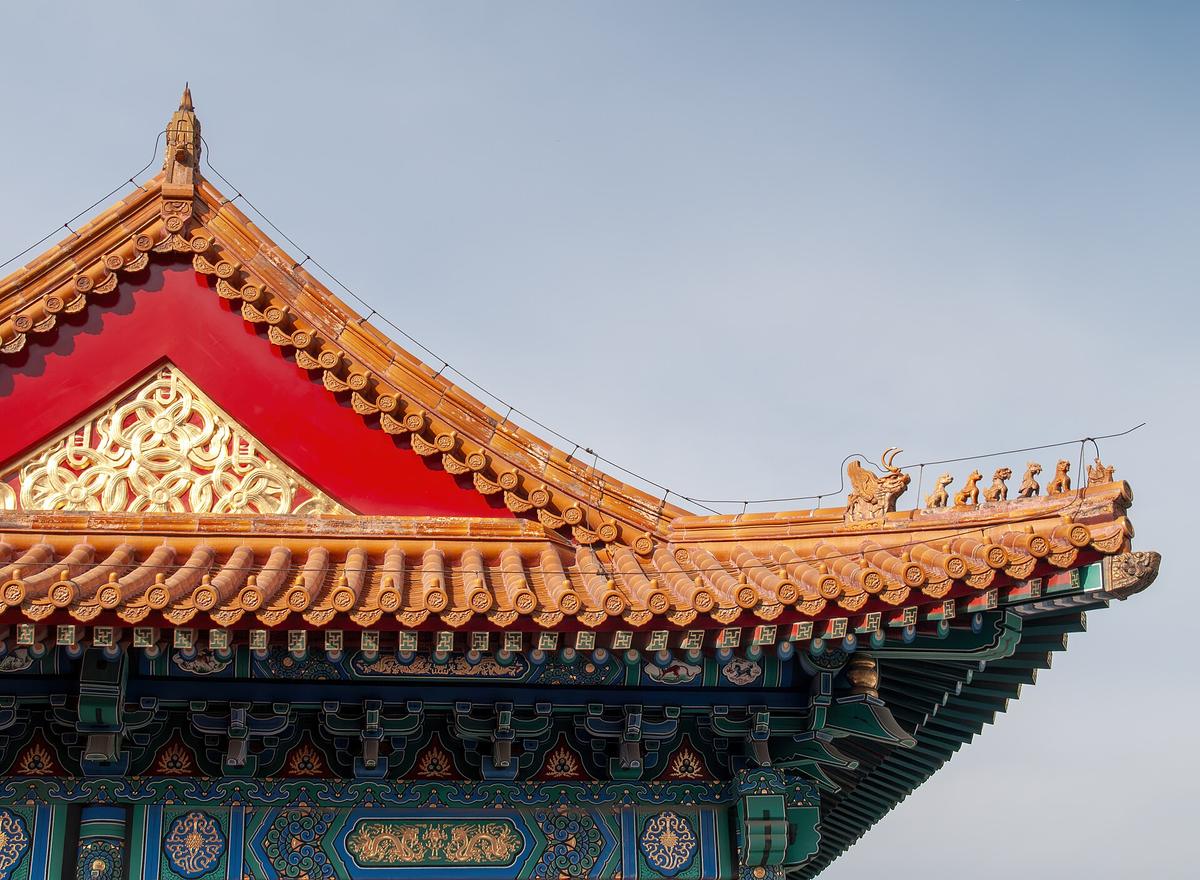
Beijing runs at a scale designed to exhaust you. The Forbidden City alone contains 980 buildings.

Beijing First Time: the Four Day Core That Defines the Trip
Beijing runs at a scale designed to exhaust you. The Forbidden City alone contains 980 buildings. Tiananmen Square swallows a walk from its south gate to its north edge. Distances between the core landmarks, the Forbidden City, the Temple of Heaven, the Summer Palace, require metro or taxi, not walking shoes. The mistake most first-time visitors make is treating Beijing like a walkable European capital. It is not. The correct framework is triage: a Tier 1 set of sights that form the non-negotiable core, a Tier 2 set that belongs on a return trip, and a conscious list of famous names you skip entirely.
Beijing First Visit Itinerary: the Four Day Skeleton
Day one lands you in the imperial core. Stay in the Dongcheng or Xicheng districts. These two contain the Forbidden City, Temple of Heaven, Tiananmen Square, and the best hutong fragments. Any other district adds a long commute each morning. Book accommodation near Nanluoguxiang or the Drum and Bell Towers area. Budget for the journey from Beijing Capital Airport to your hotel via the Airport Express train to Dongzhimen plus metro transfer. From Daxing Airport, take the Daxing Airport Express to Caoqiao, then the metro. Taxi from PEK to the central districts costs roughly ¥100 to ¥150; from PKX, ¥150 to ¥200.
Beijing Tier 1 Sights: Non-Negotiable
Four sights fill the Tier 1 list, and they require advance booking, physical passport carry, and precise timing.
Forbidden City: Book Seven Days Ahead
The Forbidden City is the single priority sight for a first-time visitor. The daily visitor cap is 80,000, and tickets require online real-name registration via the Palace Museum website. Booking opens seven days in advance. You need your physical passport. Digital copies are not accepted at entry. The common mistake is booking a morning slot and planning an afternoon sight elsewhere, then losing a lot of time just walking from the entry gate through security, across the square, and out the north gate to the nearest metro. Budget a full half-day. Enter through the south gate, Wumen. Exit through the north gate, Shenwumen. Do not schedule anything before 13:00 on this day. The walk from the entry queue to the north exit is roughly 1.5 kilometres. No shortcuts.
Tiananmen Square: Passport Check and Security Queues
Tiananmen Square sits south of the Forbidden City. Entry requires booking and a physical passport check at the security screening points on the east and west sides. The queue can take a while. Combine this with the Forbidden City on the same day. Arrive at the square by 08:00, clear security, walk north across the square, and line up for the Forbidden City entry at 08:30. The National Museum of China sits on the square's east side. It has a daily visitor cap of 30,000 and requires online real-name booking, free entry. Skip it on a first visit unless you have a specific interest in 20th-century history. The museum demands three hours minimum.
Jingshan Park: The One Rooftop View
Jingshan Park, also called Coal Hill, sits directly north of the Forbidden City's north gate. The climb takes ten minutes. The payoff is the central axis view: the entire Forbidden City laid out southward, with the Drum and Bell Towers visible to the north. This is the best Forbidden City rooftop panorama in the city. Walk out the Forbidden City's north gate and cross the street. Do not skip this.
Temple of Heaven: Morning Visit for Pensioner Choirs
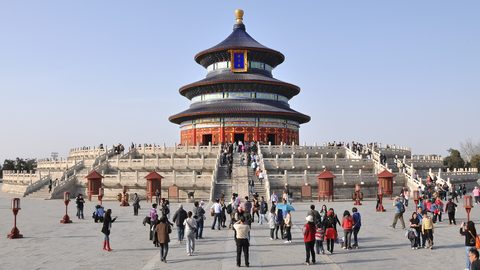
The Temple of Heaven is the priority sight for understanding imperial ritual. The circular Hall of Prayer for Good Harvests is the defining image. The daily visitor cap is 50,000. Arrive by 08:00 to see the morning pensioner choirs, tai chi groups, and card players in the surrounding park. The park itself is larger than the Forbidden City complex, so budget two hours. Book tickets online via the Beijing Municipal Administration of Parks system.
Mutianyu Great Wall: The Correct Section for a First Visit
The Great Wall section best for a first-time visitor with limited time is Mutianyu. It is restored, less crowded than Badaling, and has a direct bus connection from Dongzhimen. Journey time is 1.5 hours by pre-booked car or bus. The toboggan descent is optional but worth doing. Skip Badaling. It is the most crowded section, and the S2 train from Beijing North station adds queue time. Skip Simatai entirely on a single-day trip. It requires an overnight for the night tour, and the distance from central Beijing is too long for a day return.
Beijing What to Skip: Tier 2 and Tier 3 Sights for a Return Trip
A guide that likes everything is worthless. Here is what you consciously leave out.
Summer Palace: Skip If You Have Under Four Days
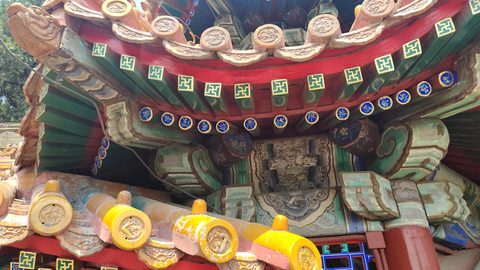
The Summer Palace is a Qing lakeside retreat in Haidian district, a half-day commitment from the core. It is a Tier 2 sight. Excellent, but not essential on a first visit when time is tight. The Long Corridor and Kunming Lake views are beautiful, but the travel distance from the centre plus the site's size means it cannibalises a day that could hold two Tier 1 sights. If you have four full days, you can fit it on day four. If you have three, skip it.
Lama Temple and Confucius Temple: Optional, Not Essential
The Lama Temple is an active Tibetan Buddhist temple with an 18-metre sandalwood Buddha. It is worth a visit if you have a specific interest in Buddhism or Tibetan culture. The Confucius Temple and Guozijian, the imperial academy, sit next door. Together they form a pleasant two-hour circuit. But they are Tier 2. Excellent if you have time, not a loss if you do not. The incense ritual at the Lama Temple draws large crowds. Arrive before 09:00 or skip it.
Drum and Bell Towers: One View, One Climb
The Drum and Bell Towers sit in the Dongcheng district. A steep climb leads to a hutong rooftop view. The view north over the old hutong rooftops is good, but Jingshan Park gives a better one. Do the towers only if you have a spare hour after Jingshan and are walking through the area.
What to Skip Entirely
798 Art District belongs on a second trip. It is in Chaoyang, a long metro ride from the centre, and the contemporary art galleries require a half-day to justify the journey. The Ming Tombs, 13 imperial mausoleums in Changping, are a 1.5-hour drive north. The underground palace at Dingling is the only one open, and it is less impressive than the Forbidden City's scale. Skip them. The Olympic Park, Bird's Nest and Water Cube, is viewable from the exterior without paying entry. Interior tours are for winter sports enthusiasts only. Wangfujing Street is a modern pedestrian retail strip with limited cultural value. Skip it. Nanluoguxiang is a heavily commercialised hutong street with high foot traffic and souvenir stalls. Walk the Dongsi to Beixinqiao area instead for hutong authenticity without the crowd.
First Trip to Beijing Planning: the Logistics That Make or Break it
Three systems determine whether your trip functions: payment, navigation, and pre-booking.
Payment: Alipay QR Code or Nothing
Mobile payment is dominant. Set up Alipay and link a foreign card before arrival. The Alipay app handles metro QR codes, Didi ride-hailing, and most vendor payments. Cash is accepted but change may be unavailable at small vendors. Foreign card acceptance is widespread at hotels and large restaurants but rare at street stalls. Physical cash is declining. Carry some as backup, but plan to use Alipay for most transactions.
Navigation: Didi and Metro
The Beijing Subway has 27 lines as of 2026. It is sprawling, cheap, and signed in English, but requires a security scan at every station entry. First trains depart around 05:00. Last trains depart around 23:00, varying by line and station. After 23:00, movement relies entirely on Didi ride-hailing, which can take a while to secure. Didi is essential for late-night movement and for reaching the Great Wall. The app offers an English interface. The language barrier is acute. Drivers frequently call to confirm location. Have your hotel write the destination in Chinese characters and show it to the driver.
Pre-Booking: Every Major Site Requires It
Forbidden City tickets require online real-name registration seven days in advance. Temple of Heaven and National Museum of China tickets require online booking via their respective park administration or museum systems. Popular roast duck restaurants like Siji Minfu require a reservation one to three days ahead. Walk-in wait times can exceed 90 minutes at peak. Book everything before you arrive.
Physical Passport: Daily Carry
Your physical passport is required for entry to nearly every major landmark. Digital copies are not accepted. Carry it every day. Public toilets in parks and hutongs are predominantly squat-style and rarely stocked with soap or toilet paper. Carry your own.
VPN and SIM: Install Before You Land
WhatsApp, Google, Instagram, Gmail, and Google Maps are blocked without a VPN. Install and test one before arrival. A Chinese SIM, China Unicom or China Mobile, is cheap and avoids Wi-Fi dependency, but requires passport registration at purchase.
Beijing Essential Experiences: Food and Timing
Two food experiences are Tier 1. The rest are optional.
Beijing Roast Duck: Siji Minfu Over Quanjude
Beijing roast duck is the representative dish. Whole duck served with thin pancakes, scallions, cucumber, and sweet bean sauce. Siji Minfu delivers quality without ceremony and is the better choice for a first visit. Quanjude is the old-school benchmark but suffers from tourist crowds and variable quality. Reserve one to three days ahead. Walk-in wait times can exceed 90 minutes at peak.
Zhajiangmian: The Definitive Noodle
Zhajiangmian is hand-pulled noodles with fermented soybean paste, minced pork, and shredded vegetables. It is the definitive Beijing noodle dish. Find it at small noodle shops in the Dongcheng hutongs. A bowl costs ¥15 to ¥30. Do not skip this.
Timing: Peak Season and Avoid Windows
Peak season runs April to May and September to October. These months bring clear skies and manageable temperatures but also domestic holiday surges. Labour Day in early May and National Day in early October flood every major site. Avoid the window of Chinese New Year, late January or February, dates vary, when many local restaurants close and intercity travel is chaotic. Avoid National Day week, 1 to 7 October, when sights become impassable. Avoid July and August for oppressive humidity and frequent smog. Winter, December to February, has an average January low of minus 9°C and extreme wind chill. The Forbidden City is still visitable but the experience is cold and grey. Air quality is worst during the winter heating season, mid-November to mid-March. Carry an N95 mask between November and March.
The Failure Case: What Goes Wrong Most Often
Underestimating the size of the Forbidden City and the time required to cross Tiananmen Square is the single most common mistake. Visitors book the Forbidden City for a morning and a separate afternoon sight, then lose a lot of time just walking from the entry gate through security, across the square, and out the north gate to the nearest metro. The solution is to schedule only the Forbidden City and Tiananmen Square on day one, with Jingshan Park as the post-exit walk. That fills a full day. If you try to add the Temple of Heaven on the same day, you will arrive exhausted and rushed. Accept the constraint: four days means four Tier 1 sights, not eight.
The Single Thing to Do Next
Book your Dongcheng accommodation and your Forbidden City tickets seven days out before you book anything else. If the Forbidden City is sold out for your dates, change your dates. That is the anchor. Everything else, the Great Wall, the Temple of Heaven, the roast duck reservation, fits around it.
Read next
-
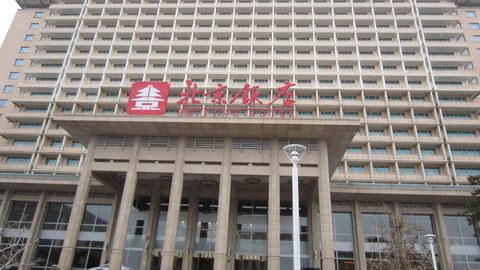
 Beijing Hotels What Each Price Band Actually Gets You
The most useful fact about Beijing hotels is that not every bed in the city is legally permitted to take your money.
-
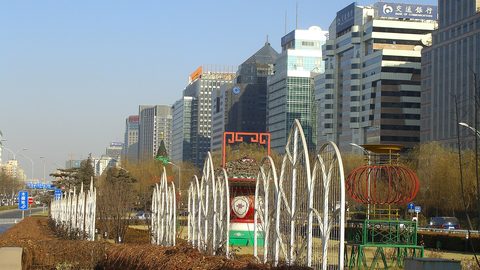 Where to Stay in Beijing District by District and What Each Costs You
Where to stay in Beijing depends on whether you prioritise imperial proximity, nightlife, or calm.
-
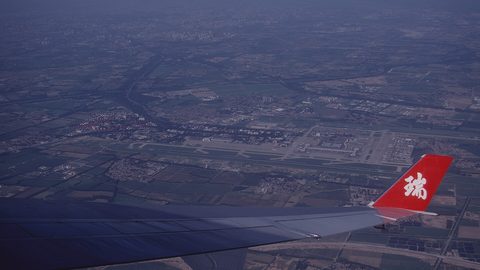 Flying into Beijing PEK or PKX and Getting Out of Both Airports
Flying into Beijing: choosing between PEK and PKX, and exactly how to get from each airport into the city centre without getting stranded after a long flight.
-
 Beijing Things to Do Ordered by Whether It Is Worth the Time
Beijing consumes your day before you see anything. The walk from Tiananmen Square metro exit to the Forbidden City gate is a long stretch of open concrete und
-
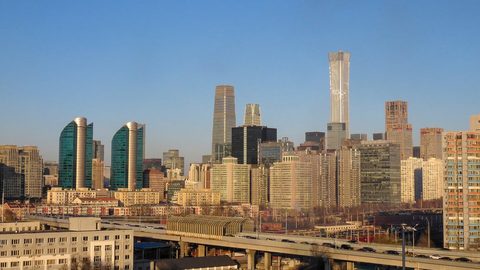 Best Time to Visit Beijing What Each Season Does to the City
The most common mistake travellers make about Beijing is searching for a single perfect month. There is none.
-
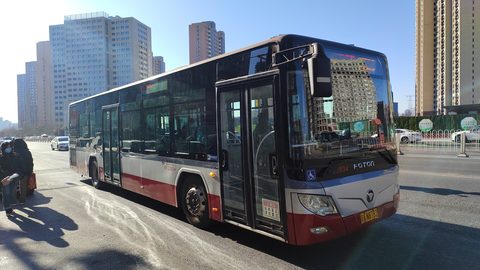 Getting Around Beijing Without Wasting Half the Trip
On a single morning in Beijing you will: tap a QR code to enter the metro, scan your passport at a landmark ticket counter, pay for a jianbing from a cart
-
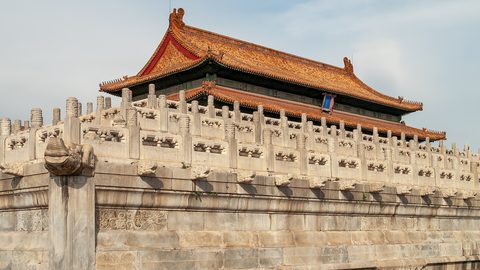 Forbidden City
The Forbidden City runs on a strict one-way route with a single entry and exit. Here is how to plan the Beijing visit without queueing twice.
-
 Temple of Heaven
How to visit the Temple of Heaven Beijing without queueing twice: the two-ticket system explained, which gate to use, and why the through ticket saves you a
-
 Summer Palace
How to visit the Summer Palace Beijing without queueing twice: the two time windows that avoid tour buses, which gate to enter, and why walking direction