Beijing Hotels: What Each Price Band Actually Gets You Across the City
The most useful fact about Beijing hotels is that not every bed in the city is legally permitted to take your money.
Beijing Hotels: What Each Price Band Actually Gets You Across the City
The most useful fact about Beijing hotels is that not every bed in the city is legally permitted to take your money. At the budget end, the key distinction is not thread count or square metres. It is whether the hotel holds a licence to register foreign guests. That licence is not optional. It is a legal requirement tied to the business registration, and booking platforms usually display it. If a listing does not show a foreign-guest badge, do not assume the front desk will find a workaround. They will not. The police registration scan of your passport at check-in is mandatory and places without the licence simply cannot process it. That reality governs what each price band actually delivers, and it cuts hardest at the bottom.
Beijing Hotel Price Bands Explained
The pricing model for Beijing hotels is dynamic on every axis. The nightly rate shifts with occupancy, lead time, local events, and the weekday versus weekend split. A room that costs one figure on a Tuesday in a business district like Chaoyang can cost a very different figure on a Saturday in a leisure district like Dongcheng. Peak seasons April through May and September through October bring clear skies and the best light, but they also bring Labour Day and National Day surges that flood every major site and drive rates upward. The winter lull from late November through mid-December drops them sharply again. The same room, the same hotel, can sit in two different price bands depending on the date you book. Understanding what each band buys means understanding what is included, what is excluded, and what the real constraint is at that level.

The Budget Band: What You Actually Get for the Lowest Price
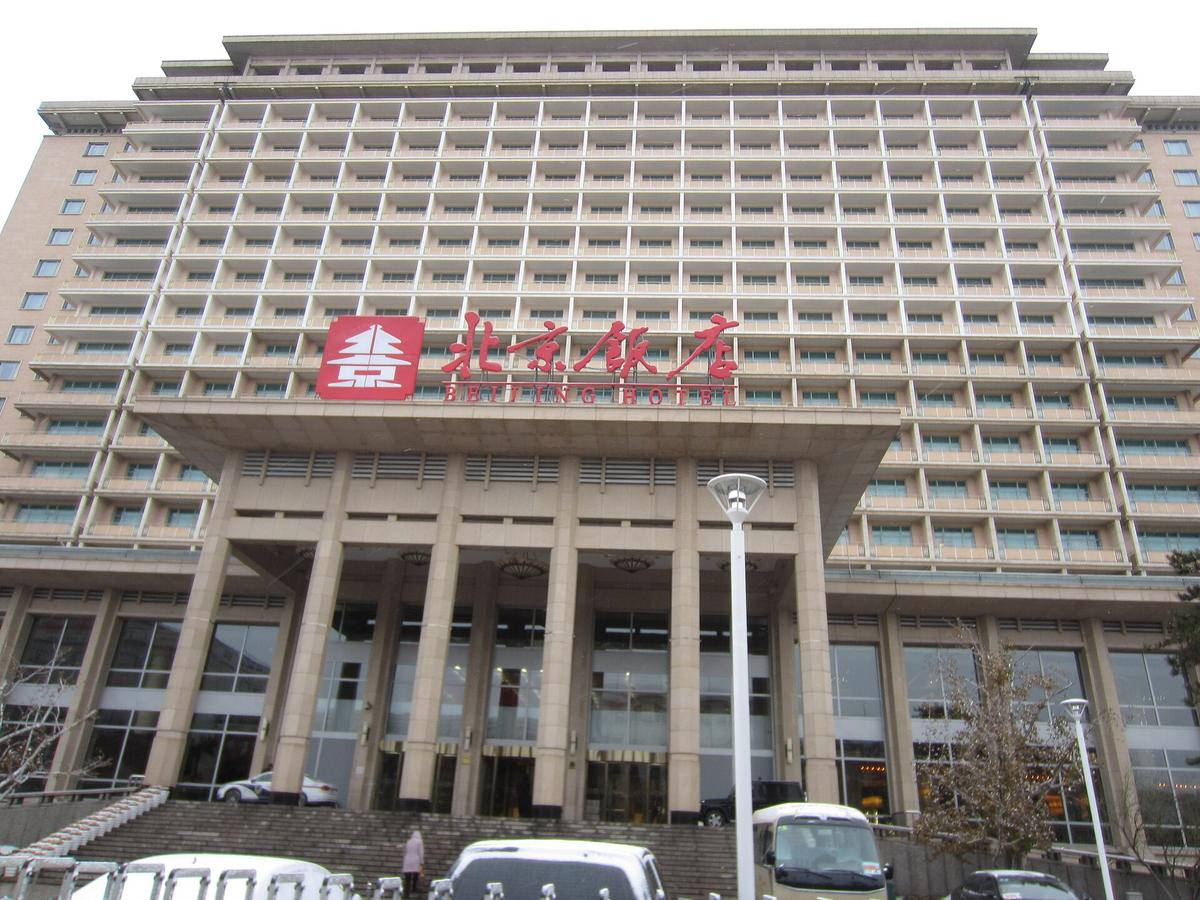
A budget room in Beijing delivers a private room with an en-suite bathroom, air conditioning, free WiFi, and at most breakfast included. That is the full list of inclusions. There is no on-site dining beyond that breakfast, no fitness room, no concierge desk, and the room footprint is tight. The critical problem in this band is the foreigner eligibility rule. Not all places in this tier hold the licence required to accept foreign guests. The booking platform will show the status, but many travellers skip that check. If you book a room that cannot register you, the front desk will refuse check-in and refund is not guaranteed. Do not book a budget place without confirming the foreign-guest badge.
Where Budget Rooms Sit
Budget beds cluster outside the central districts. Dongcheng and Chaoyang have very few options in this band that accept foreign guests. The concentration is in Fengtai, Tongzhou, and the southern metro extensions. That means a metro commute of 30 to 45 minutes into the Imperial core, and metro access becomes your primary connection. The metro is cheap, with fares from ¥3 to ¥9, and signed in English, but station exits are numbered and leaving from the wrong one can add a 15-minute walk. Budget for that time.
The Cancellation Reality
Budget-tier bookings are prepaid and non-refundable. Free cancellation up to 24 to 48 hours before check-in is common in midscale and above. At the budget end, you pay upfront and you own that risk. If your plans change, the room cost is lost. That is the tradeoff for the lower rate.
Mid-Range Beijing Hotels: Where the Step Change Happens
The jump from budget to mid-range is where the experience transforms. The room footprint grows. You get a work desk, an in-room safe, a minibar, an on-site restaurant that serves more than breakfast, a fitness room, and a concierge desk that can handle ticket bookings and ride-hailing instructions in Chinese characters. The foreign-guest licence is standard at this level, which removes the check-in anxiety. The real gain is location. Mid-range places sit in Dongcheng, Xicheng, and Chaoyang, putting you inside the metro ring that connects the Forbidden City, Temple of Heaven, and the 798 Art District within 20 minutes.
Chain Hotels Versus Local Stays
This is the band where the chain versus local choice matters most. A five-star chain in Beijing delivers predictability: standardised rooms, consistent service, and a booking window where early-bird discounts appear 14 to 30 days before check-in. The downside is that those addresses are often generic. They sit in business corridors rather than neighbourhoods. A local mid-range hotel, particularly one in a hutong or a converted courtyard building, trades some of that reliability for a location that puts you inside the fabric of the city. The tradeoff is real. The local spot may have thinner walls, no gym, and a breakfast that is genuinely local rather than international. For a traveller who wants to walk out of the door into a hutong alley and find a jianbing cart in the morning, that tradeoff is worth making.
What Gets Booked First
Mid-range rooms in Dongcheng near Wangfujing and in Chaoyang near Sanlitun are the first to sell out during peak season. The booking window where rates peak is 3 to 7 days before check-in during high-demand periods. If you are travelling during National Day week or Labour Day, book 30 days out or accept that mid-range options in those districts will be either sold out or priced into the upscale band.
Beijing Luxury Hotel Recommendations: What the Top End Buys
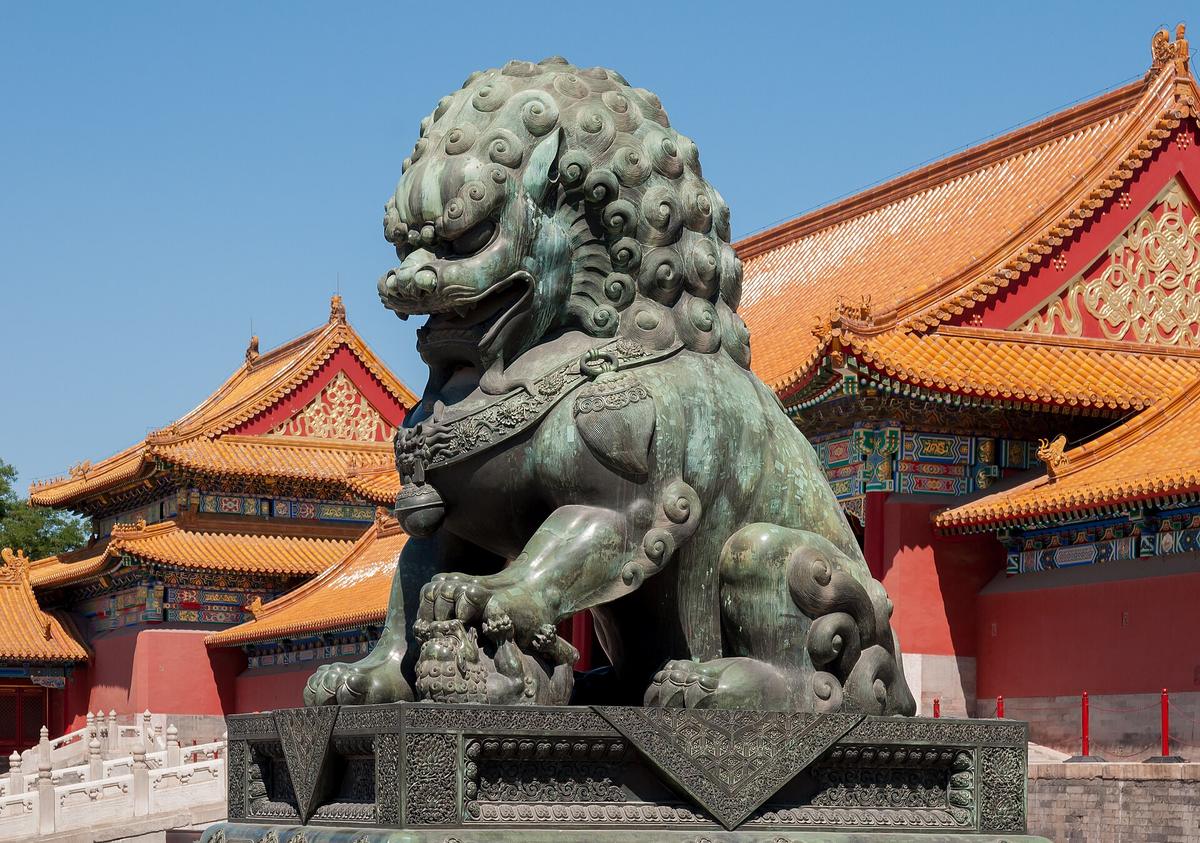
At the luxury band, you are buying proximity to imperial power or Chaoyang expat polish. In Dongcheng, that means a hotel within walking distance of the Forbidden City, Jingshan Park, and the Drum and Bell Towers. In Chaoyang, it means an address near Sanlitun with the full expat infrastructure: multiple dining venues, a concierge floor, a swimming pool, a spa, turndown service, and 24-hour room service. The inclusions at this level are substantial. You get a personal butler or concierge lounge access, chauffeur-driven hotel car, private check-in, designer interiors, and multiple specialty restaurants on site.
The Imperial Proximity Premium
The top-end hotels near Wangfujing and the stretch south of Jingshan Park charge a premium for one thing: the ability to reach the Forbidden City ticket gate on foot in under 10 minutes. That matters because the common mistake visitors make is underestimating the size of the Forbidden City and the time required just to cross Tiananmen Square. If your hotel is on the north side of the complex, near the moat, you shave 90 minutes of walking and security queue time off your day. That is a real saving, not a marketing claim. The downside is that these addresses sit in the most tourist-dense corridor in the city. The streets around Wangfujing are crowded, the restaurant options there are pitched at visitors, and spontaneous exploration is blocked by walls and ID requirements at every major landmark.
The Chaoyang Alternative
The alternative luxury zone is Chaoyang, centred on the embassy district and Sanlitun. These hotels are not close to the Forbidden City. They are close to the expat infrastructure that makes a Beijing stay less friction-heavy: restaurants with English menus, bars that stay open late, and a neighbourhood where the air quality tends to be marginally better because it is farther from the industrial south. The tradeoff is that your daily commute to Dongcheng sites is 25 to 30 minutes by metro or ride-hail. During National Day or Labour Day surges, that commute can double. For a repeat China visitor who has already done the Imperial circuit, Chaoyang is the better base. For a first-timer, Dongcheng proximity wins.

| Feature | Budget | Mid-Range | Luxury |
|---|---|---|---|
| Foreign-Guest Licence | Not guaranteed | Standard | Standard |
| Room Size | Tight | Larger footprint | Spacious, designer interiors |
| On-Site Dining | Breakfast only | Full restaurant | Multiple specialty restaurants |
| Fitness Or Pool | None | Fitness room | Pool, spa, fitness centre |
| Concierge Or Butler | None | Concierge desk | Concierge floor or personal butler |
| Cancellation Policy | Prepaid, non-refundable | Free cancellation 24-48 hours | Free cancellation 24-48 hours |
| Peak-Season Booking Window | Book 30 days ahead | Book 30 days ahead | Book 30 days ahead |
| Low-Season Price Drop | Significant | Significant | Moderate |
What Every Band Shares: Fees, Registration and When to Book
Every Beijing hotel applies a service charge at checkout that ranges from 10 to 15 percent of the room rate, varying by category. Government tax, VAT at 6 to 9 percent on accommodation, is set by the national tax authority and is revised periodically. The official channel for tax rate verification is the State Taxation Administration. A city-level levy, the Beijing local surtax, is published annually by the Beijing Municipal Tax Service. These charges stack. A room rate that looks competitive can carry 15 to 24 percent in added fees plus a refundable deposit hold at check-in equal to one night's rate. Budget for that spread.
Foreigner Registration At Check-In
Passport scanning and temporary residence registration with the Public Security Bureau is mandatory at every place that holds a foreign-guest licence. The process takes five minutes at check-in but the passport must be the physical document. Digital copies are not accepted. Carry the passport daily because it is also required for entry to nearly every major landmark.
When To Book
Early-bird discounts appear 14 to 30 days before check-in for mid-range and luxury properties. Last-minute discounts appear 0 to 3 days before check-in, but only on inventory that has not sold, and that is rare during high-demand periods. The booking window where rates peak is 3 to 7 days before check-in during Chinese New Year, Labour Day, National Day, and the summer school break. The low-demand windows are post-Chinese New Year through late March and late November through mid-December. If you can travel in those windows, the same mid-range room in Dongcheng costs significantly less than it does in October. Rate parity rules mean that hotels may offer lower rates on their own direct channels than on third-party platforms. Check the hotel's own site before booking anywhere else.
Frequently Asked Questions About Beijing Hotels
Can every hotel in Beijing accept foreign guests?
No. Only places holding a specific licence can legally register foreign guests. The status is displayed on most booking platforms. Do not book a property that does not show a foreign-guest badge.
What fees are added to the room rate at checkout?
A service charge of 10 to 15 percent and VAT of 6 to 9 percent on accommodation, plus a Beijing local surtax published annually by the Beijing Municipal Tax Service. These are added to the nightly rate, not included in it.
What is the refundable deposit at check-in?
Most hotels place a refundable hold on your credit card equal to one night's rate or a fixed sum per stay. The amount varies by property.
When is the cheapest time to book a Beijing hotel?
The low-demand windows are post-Chinese New Year through late March and late November through mid-December. Early-bird discounts appear 14 to 30 days before check-in.
When do rates peak in Beijing?
Rates peak 3 to 7 days before check-in during Chinese New Year, Labour Day holiday, National Day holiday, and the summer school break.
Is the metro a reliable way to reach hotels in central districts?
Yes. The metro is cheap, signed in English, and covers Dongcheng and Chaoyang well. Metro fares run from ¥3 to ¥9. The system stops around 22:30 to 23:00, so late check-ins require ride-hailing via Didi.
Can I cancel a budget hotel booking for free?
Usually not. Budget-tier bookings are prepaid and non-refundable. Free cancellation 24 to 48 hours before check-in is standard for mid-range and luxury properties, not budget ones.
Read next
-
 Where to Stay in Beijing District by District and What Each Costs You
Where to stay in Beijing depends on whether you prioritise imperial proximity, nightlife, or calm.
-
 Flying into Beijing PEK or PKX and Getting Out of Both Airports
Flying into Beijing: choosing between PEK and PKX, and exactly how to get from each airport into the city centre without getting stranded after a long flight.
-
 Beijing Things to Do Ordered by Whether It Is Worth the Time
Beijing consumes your day before you see anything. The walk from Tiananmen Square metro exit to the Forbidden City gate is a long stretch of open concrete und
-
 Best Time to Visit Beijing What Each Season Does to the City
The most common mistake travellers make about Beijing is searching for a single perfect month. There is none.
-
 Getting Around Beijing Without Wasting Half the Trip
On a single morning in Beijing you will: tap a QR code to enter the metro, scan your passport at a landmark ticket counter, pay for a jianbing from a cart
-
 Beijing Itinerary How to Spend 2 or 3 Days Without Wasting Time
How to spend 2 or 3 days in Beijing without wasting time: a logistics-first itinerary that accounts for real distances, booking requirements, and the physical
-
 Forbidden City
The Forbidden City runs on a strict one-way route with a single entry and exit. Here is how to plan the Beijing visit without queueing twice.
-
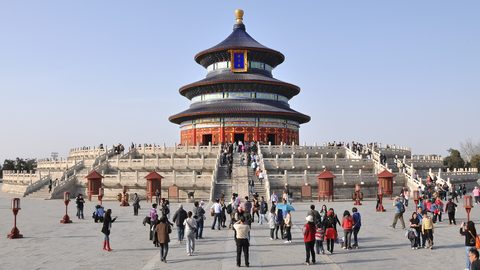 Temple of Heaven
How to visit the Temple of Heaven Beijing without queueing twice: the two-ticket system explained, which gate to use, and why the through ticket saves you a
-
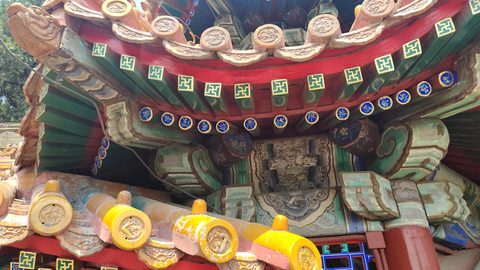 Summer Palace
How to visit the Summer Palace Beijing without queueing twice: the two time windows that avoid tour buses, which gate to enter, and why walking direction