When to Go to China
China's climate spans subtropical to subarctic. Here is what each season means region by region, from October's clear Beijing skies to August's Guangdong humidity.
You land at Beijing Capital Airport, tap your phone against the metro turnstile, and realise the machine only reads WeChat Pay. The fare to Dongzhimen requires an app you cannot set up without a local SIM and a passport registration at the airport counter. This is the moment when the question of the best time to visit China by season becomes secondary to the question of how you will buy a bottle of water on day one. The country delivers extraordinary returns, but only if you arrive able to move through its systems.
No single month works for the whole country. China spans from tropical monsoon in the south to subarctic in the northeast, with alpine conditions on the Tibetan Plateau and arid desert heat in Xinjiang. September and October are glorious across the capital, Xi'an, and the north, with clear skies and temperatures in the low 20s. The same weeks in Guangdong remain humid, with daytime highs still above 30°C and the tail of typhoon season arriving from June into November. The peak landfall probability runs August into September, so a typhoon can shut down outdoor plans on the southeast coast even in what is supposed to be the perfect autumn window.
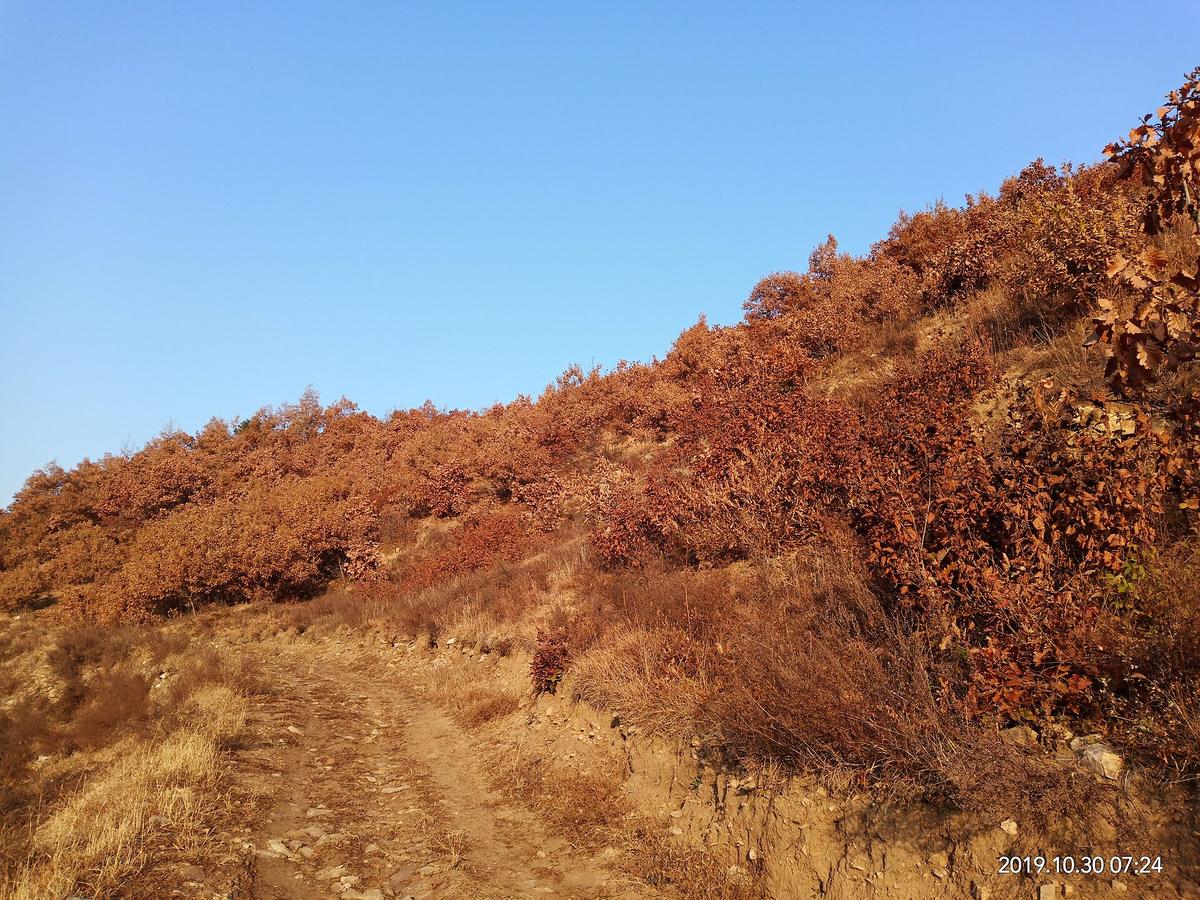

Summer Heat and High-Altitude Exceptions
The summer months of July and August deserve a hard look before you book. The eastern Yangtze River valley, including Shanghai, Wuhan, and Chongqing, is one of China's 'three furnaces'. Persistent high heat and humidity make walking the Bund or the Pudong Skyline observation decks a draining experience by 10am. July and August are also the school holiday window, which means domestic crowds at every major landmark. The Forbidden City requires pre-booking online 7 days ahead, and those slots vanish during summer. But the same months are the only practical window for certain high-altitude treks. The Tiger Leaping Gorge trailhead from Lijiang is accessible by a 2-hour bus to Qiaotou. The gorge is best walked between June and September. Kanas Lake in Xinjiang only opens its road access from June into October. If your trip depends on those places, accept the heat elsewhere.
| Region | Winter (Nov–Feb) | Spring (Mar–May) | Summer (Jun–Aug) | Autumn (Sep–Oct) |
|---|---|---|---|---|
| Beijing & Hebei | -10°C to 5°C, coal heating pollution spikes PM2.5, outdoor attractions open | 8°C to 25°C, sandstorms possible March–May, warming fast | 25°C to 35°C, humid, heavy crowds | 15°C to 25°C, clear skies, optimal for Great Wall sections like Mutianyu |
| Shanghai & Jiangnan | 2°C to 10°C, damp cold, fewer crowds | 10°C to 22°C, June plum rain brings weeks of drizzle | 28°C to 37°C, furnace heat, highest humidity of the year | 18°C to 26°C, typhoon risk declining, pleasant canal town visits |
| Guangdong & South | 15°C to 22°C, mild, fully operational | 20°C to 28°C, increasing rainfall | 28°C to 35°C, very humid, typhoon season peaks August–September | 24°C to 30°C, still warm, occasional typhoon remnants |
| Yunnan–Guizhou Plateau | 5°C to 15°C at 1,500–2,500m, clear days | 12°C to 22°C, most stable weather of the year | 18°C to 25°C, monsoon rain, lush scenery | 14°C to 22°C, crisp air, autumn foliage |
| Northeast (Dongbei) | -30°C to -15°C, Harbin Ice Festival runs January only | -5°C to 12°C, muddy thaw | 20°C to 30°C, brief warm window for forest and wetland tourism | 5°C to 18°C, short golden autumn |
| Tibetan Plateau | -20°C at night at 4,000m+, high passes may close, altitude sickness risk increased | -5°C to 10°C, winds strong, permit season begins April | 5°C to 15°C, busiest season, Potala Palace tickets book days ahead | 0°C to 12°C, snow possible at passes by October |
| Xinjiang | -15°C to 0°C in north, deserts cold at night, Turpan mild | 10°C to 25°C, sandstorms possible | Turpan Depression exceeds 40°C, mountain trekking window June–September | 10°C to 25°C, harvest season, Turpan grapes ripe |
Visiting China in October and the Holiday Trap
Why October Weather Wins
October offers the best overall weather across most of China. The north has clear skies and cool temperatures, the south has passed the peak of the typhoon season, and the Yangtze River valley is no longer a furnace. The Li River from Guilin to Yangshuo is still navigable, though water levels are dropping toward their November low. The autumn foliage at Jiuzhaigou Valley peaks in the first half of the month, with strictly limited daily entries that require advance booking. For anyone asking about visiting China in October, the weather itself is ideal.
Surviving Golden Week
But the National Day Golden Week from October 1 to 7 brings the largest domestic travel surge of the year. High-speed rail tickets for popular routes are released online 15 days in advance and vanish within minutes. Attractions operate under maximum pressure. Prices triple. Arrive after October 7 if you can. If your dates are fixed, book every train and hotel 60 days out, and plan for crowds at every landmark.
China Summer Heat and Humidity: Where it Hits Hardest
The June plum rain in the Jiangnan region. For readers researching China summer heat humidity, the practical map is simple. The heaviest wet season for monsoon-affected regions runs May into September, with peak rainfall varying by latitude. The Central Yangtze River valley, specifically Wuhan, Chongqing, and Nanjing, suffers the most. These cities sit in a topographic bowl that traps moisture, producing 35°C-plus temperatures and 90 percent humidity that makes outdoor sightseeing physically draining within an hour. July and August are the worst. Shanghai is not much better. Skip the south entirely in July and August and spend those weeks in Yunnan or Tibet, where altitude keeps temperatures manageable. Or plan your sightseeing for early morning and late afternoon, with air-conditioned activity during the midday window. Water levels on the Li River are highest May into July, so a summer trip to Guilin has a logic, but bring a rain jacket and expect afternoon thunderstorms.
Spring Sandstorms in Beijing and the Heating Season Pollution
Spring Dust and Where It Hits
March into May brings the spring sandstorm season across northern China. Dust from the Gobi Desert descends on the capital, Inner Mongolia, Gansu, and Ningxia. A bad sandstorm produces particulate levels that ground flights and shut outdoor attractions. The Great Wall at Mutianyu closes when visibility drops too low. The April window for the Yunnan, Guizhou Plateau is fine, but the north is a gamble until late May.
Winter Coal Smoke and How to Handle It
Then from November into March, the winter heating season in northern China creates a different problem. Government-mandated central heating, which operates north of the Huai River, Qin Mountains line from mid-November to mid-March, runs on coal in many cities. The result is PM2.5 levels that the China National Environmental Monitoring Centre regularly records as hazardous. The Summer Palace and other outdoor sites in the capital are still accessible, but check the real-time AQI before heading out and carry N95 masks. If you want to visit the Forbidden City in January, budget a flexible itinerary that can switch to indoor activities if the air turns bad.
China Peak Travel Seasons and the Windows You Should Actually Avoid
The Three Crush Periods
The official China peak travel seasons are May, September, and October. May has pleasant temperatures across most regions, but includes the Labour Day holiday from May 1 to 5, which pushes domestic travel volume high. September and October have the best overall conditions, mixed with the National Day Golden Week from October 1 to 7. The most important avoidance window is Chinese New Year, which falls between late January and late February on the lunar calendar. This is the largest annual human migration on the planet. High-speed rail tickets sell out within minutes of release. Many businesses close for 7 to 15 days. Tourists without a local host who can navigate the booking systems find themselves stranded in one city for the entire period. The same logic applies to Golden Week. If you land in the capital on October 1 without a booked ticket to Xi'an, you will be in the capital until at least October 4. The summer school holiday months of July and August are the third period to avoid, due to heat, humidity, and domestic crowds, unless your specific destination demands those months.


The Northern Heating Season Pollution Reality
The winter heating season delivers a fact that many first-time visitors miss. The government-mandated central heating in municipalities north of the Huai River, Qin Mountains line runs from mid-November to mid-March. For roughly four months, cities like the capital and Xi'an experience significantly elevated PM2.5 levels compared to the rest of the year. The China National Environmental Monitoring Centre publishes real-time AQI data. Check it before booking any outdoor activity. On days when the AQI exceeds 200, the Great Wall sections near the capital are still technically open, but visibility drops to a few hundred metres. The Forbidden City courtyard becomes a grey haze. Build in indoor alternatives: the National Museum in the capital, the Muslim Quarter food stalls in Xi'an, and the underground shopping malls that connect metro stations. The Summer Palace and other imperial gardens are beautiful in snow, but only on a day with clean air.
Yunnan and the Shoulder Season Window
For travellers who want stable weather without extreme heat or cold, the Yunnan, Guizhou Plateau offers the most forgiving climate in China. The elevation ranges from 1,500 to 2,500 metres, which moderates temperature year-round. Spring and autumn provide the most stable conditions. March to April avoids the heaviest of the spring sandstorms that affect the north. September to October avoids the monsoon rains that sweep southern China. The ancient towns like Lijiang and Dali are walkable in a light jacket through most of the year. The Tiger Leaping Gorge trek is best from June into September if you want dry trails, but the spring shoulder season of April and May offers clear mountain views without the summer heat. The wet season from June to September brings afternoon rain that can obscure the Jade Dragon Snow Mountain views. That is the only real disadvantage.
What the Seasons Mean for Food and Markets
The seasons in China are not just about weather. They affect what you eat and where you can find it. Guangzhou dim sum is available year-round from trolley-served yum cha houses, but the humid summer months of June into September make the morning tea ritual less appealing. Chongqing hot pot, with its numbing broth, is more satisfying in the cool autumn of October and November than in the furnace heat of July. The Peking duck houses in the capital operate year-round, but the crispy skin is best carved tableside in a restaurant with good ventilation, which matters less in winter and more in summer. The great seasonal food event is the Xinjiang lamb skewer season, which runs from June into September when the night markets in Kashgar and Urumqi operate at full capacity. The cumin-crusted grilled meat is available in colder months but from fewer stalls.
Who Should Go and Who Should Skip
China suits history and culture obsessives, adventurous solo travellers, food-focused backpackers, photographers chasing epic landscapes, and business travellers extending a trip. It does not suit anyone wanting a relaxing beach-focused holiday. It does not suit anyone unwilling to navigate language barriers and an app-based payment ecosystem. It does not suit anyone needing unrestricted internet access without a VPN installed before arrival. The single thing that most often goes wrong is underestimating the country's scale and trying to visit the capital, Shanghai, Xi'an, and Guilin in a single week. That itinerary produces four hours of sightseeing per day and six hours of transit, with security checks at every train station and a constant problem of where to get cash that works.
Common Questions
When is the absolute worst month to visit northern China?
January. The capital and Xi'an routinely see temperatures below -10°C at night, the coal heating season pushes air pollution to its annual peak, and outdoor sightseeing is limited. The exception is if you are going to Harbin for the Ice Festival, which only runs in January.
Can I visit Tibet in winter?
Yes, but you need preparation. High passes may close due to snow, temperatures at altitude frequently drop below -15°C, and reduced oxygen pressure amplifies altitude sickness risk. The Tibet Travel Permit is still required and must be arranged through a registered Chinese travel agency. Clear winter skies offer better mountain views than summer, but the physical demands are higher.
What month has the clearest skies for photography in Guilin?
October. The wet season from May into September has ended, the Li River is still navigable, and the karst peaks are visible without the persistent low cloud of summer. November into February has the lowest water levels, which affects bamboo raft navigation, but the skies remain clear.
Is it possible to visit the Great Wall in February?
The sections near the capital, including Mutianyu, are open year-round. February temperatures average 0°C to 8°C, and the air quality is poor due to the heating season. Mountain sections like Simatai and Jinshanling may close in severe winter weather. Mutianyu is the most reliable winter option.
How do I book high-speed rail tickets during peak season?
Tickets are released exactly 15 days in advance on local platforms. For popular routes during Chinese New Year or Golden Week, they sell out within minutes. You must use a Chinese travel agent or a local booking platform that accepts a passport number. Buying at the station counter on the day of travel is not reliable during any peak period.
Read next
-

 Staying Connected in China Without Losing Access to Everything
The central tradeoff is this: a local physical SIM gives you the Chinese phone number you need for WeChat Pay, bike sharing, and public Wi-Fi login.
Staying Connected in China Without Losing Access to Everything
The central tradeoff is this: a local physical SIM gives you the Chinese phone number you need for WeChat Pay, bike sharing, and public Wi-Fi login.
-
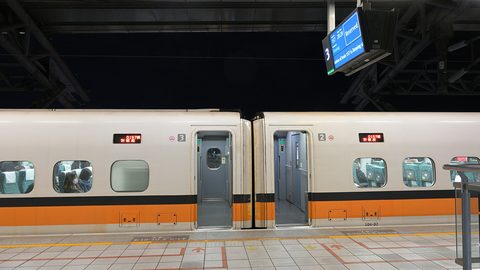 China High-Speed Trains and Getting Around Without a Chinese App
China's high-speed rail is fast and efficient, but booking as a foreigner is a puzzle.
China High-Speed Trains and Getting Around Without a Chinese App
China's high-speed rail is fast and efficient, but booking as a foreigner is a puzzle.
-
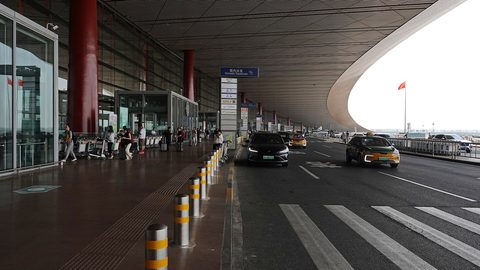 China Visa Requirements and the Application Process Step by Step
Most visitors need a Chinese tourist visa before departure. Here is who qualifies for visa-free entry, who does not, and exactly how the L-visa application works.
China Visa Requirements and the Application Process Step by Step
Most visitors need a Chinese tourist visa before departure. Here is who qualifies for visa-free entry, who does not, and exactly how the L-visa application works.
-
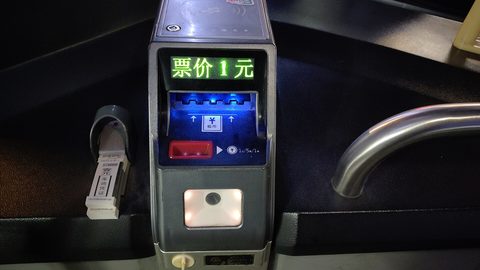 How to Pay for Things in China Without Getting Stranded
China runs on WeChat Pay and Alipay, and cash is often refused. Here is how to link a foreign card, what to do when it fails, and where renminbi notes still work.
How to Pay for Things in China Without Getting Stranded
China runs on WeChat Pay and Alipay, and cash is often refused. Here is how to link a foreign card, what to do when it fails, and where renminbi notes still work.
-
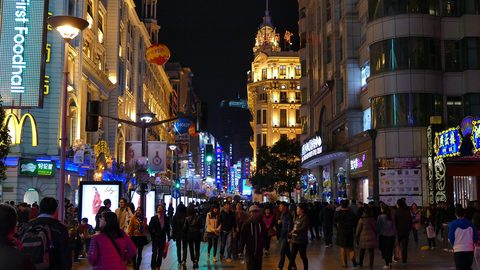 Is China Safe for Travel and What Safety Advice Actually Applies
China is statistically safe from violent crime, but scams, air pollution, and digital surveillance are real concerns. Here is what to actually watch for.
Is China Safe for Travel and What Safety Advice Actually Applies
China is statistically safe from violent crime, but scams, air pollution, and digital surveillance are real concerns. Here is what to actually watch for.
-
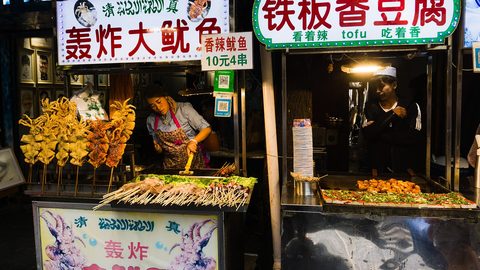 What a Trip to China Actually Costs and Where the Money Goes
A realistic breakdown of China travel costs, from G-train tickets and attraction entry fees to the hidden expenses of a cashless society.
What a Trip to China Actually Costs and Where the Money Goes
A realistic breakdown of China travel costs, from G-train tickets and attraction entry fees to the hidden expenses of a cashless society.
-
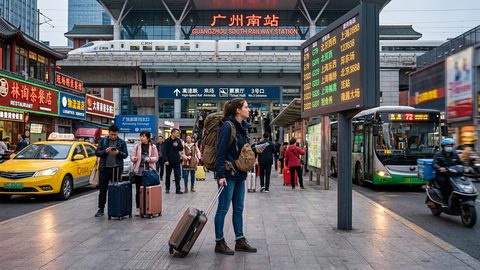 A Ground-Level Logistics Guide to Independent Travel in China
First-time independent travel in China: what you need to know about visas, rail booking, eSIMs, mobile payments, and power adapters.
A Ground-Level Logistics Guide to Independent Travel in China
First-time independent travel in China: what you need to know about visas, rail booking, eSIMs, mobile payments, and power adapters.
-
 How Solo Travelers Stay Ahead of Flight Delays and Cancellations
How solo travelers can track inbound aircraft, claim rebooking rights, and adjust ground transport when flights go wrong — step by step.
How Solo Travelers Stay Ahead of Flight Delays and Cancellations
How solo travelers can track inbound aircraft, claim rebooking rights, and adjust ground transport when flights go wrong — step by step.
-
 Why Your eSIM Might Not Work Abroad and How to Check Before You Go
Buying an eSIM doesn't guarantee signal abroad. Learn why coverage fails by location and how to verify reach before you commit to a plan.
Why Your eSIM Might Not Work Abroad and How to Check Before You Go
Buying an eSIM doesn't guarantee signal abroad. Learn why coverage fails by location and how to verify reach before you commit to a plan.