Shopping in Beijing: Which Markets, Streets, and Goods Are Actually Local
Most of the famous market names you have heard are either tourist spectacles or places that sell goods manufactured hundreds of kilometres away.
Shopping in Beijing: Which Markets, Streets, and Goods Are Actually Local
Most of the famous market names you have heard are either tourist spectacles or places that sell goods manufactured hundreds of kilometres away. The genuine local buying happens on a weekend morning at Panjiayuan, on a weekday afternoon along Maliandao Tea Street, and down the hutong lanes of Dashilar. If you are looking for shopping in Beijing that produces something you cannot get at home, you need to know which streets were built for tour groups and which ones still operate for residents.
Beijing consumes goods from across China, but the city itself produces a narrow set of things: cloisonné enamelware from the Fahuasi area, carved lacquerware from workshops near the Beijing Carved Lacquerware Factory (the site may have moved; verify the current address before going), jade carving from small ateliers in Xicheng district, and calligraphy supplies. The rest of what you see in the markets, silk, porcelain, carpets, cashmere, electronics, pearls, is manufactured elsewhere. Buying a silk robe in Beijing is not buying local; buying a set of calligraphy brushes from a Dashilar workshop is.
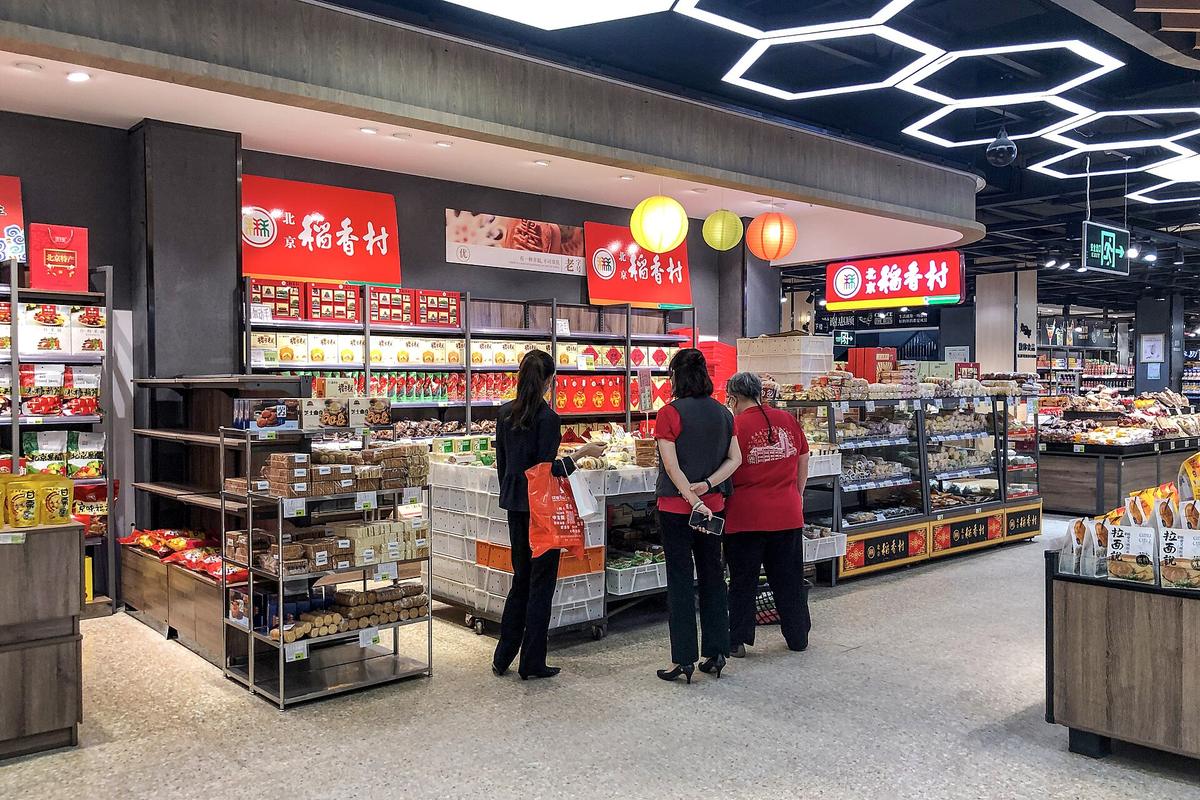

Beijing Markets Guide: What is Worth Your Time
Beijing has seven primary shopping districts, and they divide cleanly into two categories: places where locals shop and places where tour buses stop. The local ones demand a specific day and time. The tourist ones are open every day but deliver goods priced for visitors who will not return.
Panjiayuan Antique Market
This is the single market in Beijing that functions as a genuine weekend flea market. On Saturday and Sunday mornings, the stall count peaks and vendors spread goods across outdoor tables and tarps. On weekdays, the permanent indoor shops remain open but the density drops by more than half. Go on Saturday morning, arrive by 08:30, and plan to spend two to three hours walking the aisles. The goods include Mao memorabilia, old ceramics, calligraphy scrolls, jade carvings, and the kind of random household objects that accumulate in a flea market anywhere. Bargaining is expected. Do not ask for a price and pay it. Offer half of what they quote and work up from there. The market has no fixed pricing and no returns, so inspect anything fragile before you hand over cash. Shipping is available from vendors on site, but you pay for packing and you assume the risk of breakage.Maliandao Tea Street
Maliandao is a wholesale and retail tea street, not a single market. It runs for roughly a kilometre and is lined with specialist tea merchants selling loose leaf and teaware. The goods genuinely produced in Beijing municipality include jasmine tea, which uses a green tea base (often from Fujian) that is scented and finished in Beijing. Spring tea harvest arrives in late March to May, and autumn tea arrives in October. Those are the best months to visit. Most shops will brew a sample for you before you buy. If you cannot drink the tea, do not buy it. Prices vary enormously by grade: a cheap jasmine tea costs a fraction of what a high-grade Dragon Well from Zhejiang costs, and the vendor knows the difference. Bring cash for small purchases; larger shops accept Alipay.Niujie Food Street
Niujie is the historic Hui Muslim district centred on the Niujie Mosque. The street around the mosque sells prepared food, not souvenirs. You come here for lamb skewers, flatbreads, and the kind of street eating that happens on plastic stools. It is not a shopping destination for gifts. Buy food, eat it, and leave.Panjiayuan Antique Market: the Weekend Morning You Need
Panjiayuan is the only market in Beijing that qualifies as a genuine antique and crafts market rather than a souvenir bazaar. It sits on the southeast side of the city, about a 20 minute metro ride from the centre. The market operates year round, but the character changes completely between weekday and weekend.
When to Go
Saturday and Sunday mornings, between 08:30 and 11:30. The vendors arrive early and the best stock goes out in the first two hours. By noon, the serious buyers have left and the remaining stalls carry what was not sold. Weekdays are a different experience: the permanent indoor shops are open but the outdoor stalls, which account for most of the variety, are absent. If you can only visit on a weekday, set your expectations low.What to Look For
Mao memorabilia shows up consistently: badges, posters, Little Red Books. Ceramics range from Ming dynasty fragments (almost certainly real, but broken) to contemporary reproductions (almost certainly fake). Calligraphy supplies appear at several stalls, including inksticks and brushes. Jade carving is common, but jade is difficult to authenticate on the spot and many pieces are modern work sold as antique. Cloisonné enamelware, produced in Beijing at the Beijing Enamel Factory in the Fahuasi area, appears at higher prices than you would pay at the factory itself, but the selection is broader.Bargaining Culture
Every price at Panjiayuan is a starting point. The vendor quotes a number, you offer half, and the negotiation settles somewhere in the middle. Do not take out your wallet or show interest in an item you have no intention of buying. The vendors are skilled readers of body language and will hold their price if they sense you are attached. If you walk away, they may call you back. If they do not, your offer was too low. Shipping is available through vendors who deal with it regularly, but get the packing cost quoted separately and photograph the item before it is wrapped.| District | Character | Best For | Avoid For |
|---|---|---|---|
| Wangfujing | Broad pedestrianised retail street, department stores and international brands | Chain stores, mass-market clothing | Local goods or speciality shopping |
| Xidan | Youth-oriented commercial zone, dense malls and electronics | Electronics, youth fashion | Antiques, crafts, traditional items |
| Qianmen-Dashilar | Restored historic commercial street, traditional Chinese brand flagships | Calligraphy supplies, silk figurines, craft workshops | Bargain hunting or weekday evenings (shops close early) |
| Sanlitun | Open-plan shopping village, international fashion and lifestyle | Designer brands, expat-oriented retail | Local Beijing souvenirs |
| Gulou-Nanluoguxiang | Hutong alley retail, small independent boutiques and craft shops | Papercuts, dough figurines, independent art | Electronics, department store shopping |
| Panjiayuan | Weekend antiques and crafts market, outdoor stalls | Mao memorabilia, ceramics, jade, calligraphy supplies | Weekday visits, guaranteed authenticity |
| Maliandao | Wholesale and retail tea street, specialist merchants | Jasmine tea, teaware, loose leaf sampling | Anything non-tea related |
Dashilar Traditional Shops: Where Beijing Crafts Still Exist
Dashilar, the restored historic street just west of Qianmen, is the most reliable place in Beijing to find traditional craft workshops that actually produce goods on site or nearby. The street has been renovated for tourism, but several shops retain their original function: selling calligraphy brushes, inksticks, carved seals, Peking opera masks, and silk figurines. The key is to walk past the first few blocks of generic souvenir stalls and enter the side lanes where the workshops operate.
What Is Made Here
Calligraphy brushes and inksticks are produced in Beijing, and Dashilar has shops that have been selling them for generations. Carved seals, made from stone or soapstone, are cut to order in some of these shops. Bring the characters you want engraved, written clearly on paper. The seal cutter will finish it in 30 minutes to an hour. Peking opera masks are painted locally, though the quality varies. A hand-painted mask with fine brushwork costs more than a machine-printed version and is worth the difference. Dough figurines and papercuts are sold from several stalls; these are fragile and travel poorly unless packed flat.How to Navigate Dashilar
Qianmen Street runs north-south and Dashilar runs west from it. The main stretch of Dashilar is pedestrianised and lined with flagship stores for traditional Chinese brands. The workshops are in the hutong lanes that branch off it. Walk into these lanes, not down the main street. If a shop has a visible craftsperson working at a bench, that is where to buy. If the shop sells only finished goods with no workshop visible, you are buying from a distributor, not a maker. Prices on Dashilar are higher than at Panjiayuan for comparable goods, but the authenticity is easier to verify.

Beijing Local Souvenirs: What Actually Comes from Beijing
Most souvenirs sold in Beijing are not from Beijing. Silk is from Zhejiang or Jiangsu. Porcelain is from Jingdezhen. Carpets are from Xinjiang or Tibet. Electronics are from Shenzhen. If you buy these in Beijing, you are buying them at a markup from a distributor. The list of goods that are genuinely produced in or near Beijing is short and specific.
Cloisonné Enamelware
Beijing is the historical centre of cloisonné production, and the Beijing Enamel Factory in the Fahuasi area is the main production site. The process involves bending copper wire into patterns on a metal base, filling the cells with coloured enamel, and firing the piece multiple times. The factory sells directly to visitors and the prices are lower than at any market. Buy here, not at Panjiayuan. The pieces are heavy and fragile; shipping is possible but expensive. Carry them home wrapped in clothing inside your luggage if you can.Carved Lacquerware
Beijing carved lacquerware, known as Beijing diaoqi, is produced by applying dozens of layers of lacquer to a base and then carving patterns into the hardened surface. The Beijing Carved Lacquerware Factory was the traditional production centre, but its site and continuity may have changed. Verify the current address before going. The pieces are expensive: a small bowl costs several hundred yuan and a large vase costs thousands. Cheaper lacquerware sold in markets is machine-carved from a single thin layer and chips easily. The hand-carved multi-layer pieces from a proper workshop are the real local product.Jade Carving
Jade carving workshops were historically concentrated in Xicheng district, with small-scale ateliers that produce figurines, seals, and jewellery. Authenticating jade requires experience. If you do not know the difference between nephrite and serpentine, buy from a reputable workshop or skip it. The small ateliers in Xicheng are not set up for casual walk-ins; call ahead or ask your hotel to arrange a visit.Consumables
Jasmine tea finished in Beijing, hawthorn products (haw flakes and haw leather), candied fruit, and vacuum-packed Peking duck are all produced locally. These make reliable souvenirs because they are light, packable, and clearly identifiable as Beijing products. Buy jasmine tea from Maliandao, haw products from any traditional food store, and Peking duck from a reputable restaurant that offers vacuum-packing service. Quanjude sells vacuum-packed whole birds at its Qianmen location.Beijing Tea Shopping: Maliandao and the Jasmine Connection
Beijing tea shopping means Maliandao Tea Street, a wholesale corridor that runs for about a kilometre and contains hundreds of tea merchants. The street is not glamorous. It is a working commercial zone where shop owners sit at low tables brewing samples for buyers who know their tea. You are the buyer.
What to Buy
Beijing's local tea is jasmine tea, a green tea base scented with jasmine blossoms. The base tea is often from Fujian, but the scenting and finishing process happens in Beijing. The best grades use multiple rounds of scenting, where fresh jasmine blossoms are mixed with the tea leaves overnight and then removed, repeating the process several times. The leaves themselves do not contain jasmine petals in the final product. A good jasmine tea smells floral but tastes clean, with no perfume residue. Prices at Maliandao range from about ¥50 per 500 grams for basic grade to ¥500 or more for high-grade multiple-scented teas. You can taste before you buy at almost every shop.When to Go
The tea market peaks in late March to May, when spring harvest teas arrive, and again in October for autumn teas. During these periods, the selection is widest and the freshest stock is on the shelves. Outside these windows, many shops sell tea from the previous season at slightly lower prices. The quality is still fine for most drinkers.How to Buy
Sit down at a shop's tasting table. The vendor will brew a sample of whatever you express interest in. Drink it. If you like it, buy it. If you do not, say thank you and move to the next shop. Do not feel obligated. Bring cash for small purchases; larger transactions can go through Alipay. The vendors will vacuum-seal your tea for travel at no extra charge. Do not buy tea that is already pre-packaged in decorative tins unless you can taste it first. The tin may be worth more than the tea inside.What to Skip: the Tourist Traps and Their Costs
Wangfujing is the most famous shopping street in Beijing and the most reliably disappointing for anyone seeking local goods. It is a broad pedestrianised avenue lined with department stores and international brand outlets. The Wangfujing Snack Street, which runs as a side alley, is a spectacle: stalls selling scorpions on sticks, starfish, and deep-fried insects. It exists for tour groups and Instagram content. The food is overpriced and the quality is low. Skip it. Walk through once for the visual and then leave.
Xidan is a youth-oriented commercial zone with dense malls and electronics retailers. It serves Beijing's teenage and young adult population. If you need a phone charger or a pair of jeans, it works. If you are looking for anything that represents Beijing, it does not. Sanlitun is an open-plan shopping village with international fashion brands and expat-oriented restaurants. The goods are the same as in any global shopping district. None of it is local.
Gulou and Nanluoguxiang, the hutong alley retail area near the Drum and Bell Towers, sells small independent boutique goods and craft items. It is pleasant to walk through, but the prices are inflated for the tourist foot traffic and the authenticity of the crafts is inconsistent. Buy papercuts or dough figurines here if you see something you like and the price is acceptable, but do not treat it as a source of genuine Beijing production. The real craft workshops are on Dashilar, not here.
Common Questions
What is the best day to visit Panjiayuan market?
Saturday or Sunday morning, arriving by 08:30. The stall density is highest and the best stock goes out in the first two hours.
Can I buy genuine antiques at Panjiayuan?
Some items are genuine antiques, but most are reproductions. Assume everything is modern unless you can authenticate it. Mao memorabilia and ceramic fragments are the most reliably authentic categories.
Where should I buy cloisonné in Beijing?
At the Beijing Enamel Factory in the Fahuasi area. The prices are lower than at Panjiayuan and the authenticity is guaranteed. The pieces are heavy and fragile, so budget for shipping or carry them in your luggage.
Is bargaining expected at Beijing markets?
Yes, at Panjiayuan and at most stall-based markets. Offer half the quoted price and negotiate from there. At fixed-price shops on Dashilar or Maliandao, bargaining is not standard.
What local food products can I bring home from Beijing?
Jasmine tea, hawthorn flakes, candied fruit, and vacuum-packed Peking duck. Buy jasmine tea from Maliandao, haw products from traditional food stores, and Peking duck from a restaurant that offers vacuum-packing like Quanjude.
Is Wangfujing worth visiting for shopping?
For international brands and chain stores, yes. For local Beijing goods, no. The Wangfujing Snack Street is a tourist spectacle with overpriced food and no local significance.
How do I get to Maliandao Tea Street?
Take the metro to Maliandao station on Line 7. The street runs north from the station exit. It is a working wholesale district, not a tourist site, so expect a functional rather than decorative environment.
Read next
-
 Beijing Hotels What Each Price Band Actually Gets You
The most useful fact about Beijing hotels is that not every bed in the city is legally permitted to take your money.
-
 Where to Stay in Beijing District by District and What Each Costs You
Where to stay in Beijing depends on whether you prioritise imperial proximity, nightlife, or calm.
-
 Flying into Beijing PEK or PKX and Getting Out of Both Airports
Flying into Beijing: choosing between PEK and PKX, and exactly how to get from each airport into the city centre without getting stranded after a long flight.
-
 Beijing Things to Do Ordered by Whether It Is Worth the Time
Beijing consumes your day before you see anything. The walk from Tiananmen Square metro exit to the Forbidden City gate is a long stretch of open concrete und
-
 Best Time to Visit Beijing What Each Season Does to the City
The most common mistake travellers make about Beijing is searching for a single perfect month. There is none.
-
 Getting Around Beijing Without Wasting Half the Trip
On a single morning in Beijing you will: tap a QR code to enter the metro, scan your passport at a landmark ticket counter, pay for a jianbing from a cart
-
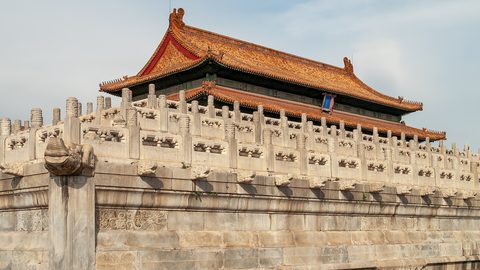 Forbidden City
The Forbidden City runs on a strict one-way route with a single entry and exit. Here is how to plan the Beijing visit without queueing twice.
-
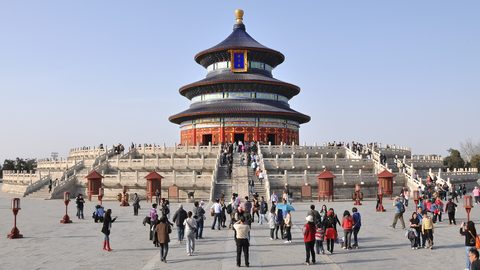 Temple of Heaven
How to visit the Temple of Heaven Beijing without queueing twice: the two-ticket system explained, which gate to use, and why the through ticket saves you a
-
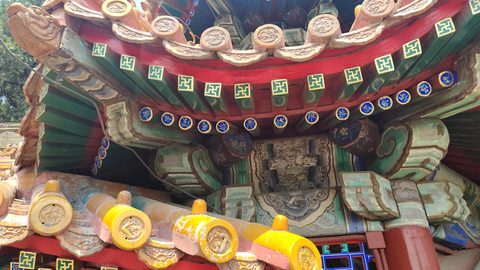 Summer Palace
How to visit the Summer Palace Beijing without queueing twice: the two time windows that avoid tour buses, which gate to enter, and why walking direction