When to Go to Portugal and What Each Month Delivers
Portugal's best months are May, June, September, and October. July and August bring crowds and coastal gridlock, and the Atlantic is never truly warm.
When to Go to Portugal and What Each Month Delivers
You are standing on a sandstone cliff above the Atlantic in late September. The sun is warm on your shoulders and the beach below is nearly empty. The water is 20°C, which is as good as it gets. A few hundred metres inland, the queues for the Benagil Sea Cave kayak launch have dissolved. You did not book dinner. You did not need to. This is the reality of the best time to visit Portugal: not July, not August, but the shoulder months that sit between the crowds and the cold. The best month depends on weather, crowds, and what you actually want to do, using the Atlantic climate reality as its frame.
Portugal Seasonal Weather Guide: the Atlantic Reality
Portugal has a Mediterranean climate with Atlantic influence, which matters more than any map colour. The south coast is not the Mediterranean. The water there reaches 19-22°C in late summer, not the 26°C you expect from Greece or Italy. On the west coast, from Lisbon north, the sea stays at 14-16°C in winter and tops out at 19-22°C, but the prevailing Nortada wind from the north-northwest whips the coast all summer, making beach days colder than the air temperature suggests. Swimming here is a bracing wade, not a float.
The seasonal split is sharp. The north region, Minho and Douro Litoral, has warm days and cool nights in summer with occasional Atlantic fog near the coast, and winters that are the wettest part of the country with frequent prolonged rain. Central region, from Beira Litoral inland to Beira Interior, has hot days and cooler nights inland, with the coast moderated by sea breezes; winter brings frost possible at elevation in Serra da Estrela, the only part of mainland Portugal with regular winter snowfall. Lisbon and the Tagus Valley have hot, dry summers with occasional heat spikes above 35°C, and mild, wet winters where rain comes in passing fronts with clear days between them. Alentejo is the hottest region, with daytime highs routinely above 35°C and very low humidity inland in summer, and mild days with cold nights and possible frost inland in winter. The south coast has hot, dry summers, with the sea breeze moderating the immediate coast and very low rainfall, and the mildest mainland winter, sunny with rain concentrated in short-lived fronts.
The Azores operate on a different system: maritime subtropical, mild year-round, with high humidity, frequent rain, rapid weather changes, and no dry season. The sea is swimmable in summer at 22-24°C, but you will share the water with clouds and possible rain any day. Wind can be strong year-round, with gales most frequent October to March. Madeira is also maritime subtropical, warm year-round with a very low seasonal temperature range. Rain concentrates on the north coast and higher elevations; the south coast around Funchal is semi-arid in summer. The trade winds from the northeast are funnelled and accelerated by the mountains, strongest on the east and north coasts.
.jpg)
Portugal Peak Season Crowds: July and August Reality
July and August are the peak season. European school holidays drive coastal crowding, peak heat in the interior, and accommodation prices that can double or triple, especially in the south. The first two weeks of August are the avoid window. The entire country moves. Coastal towns become gridlocked. Finding a table without a reservation is a sport you will lose. The south coast becomes a British summer spillover of sandstone cliffs, golf resorts, and packed beaches. Lisbon tourist density hits its maximum. The Alfa Pendular and Intercidades express trains between Lisbon and Porto require a seat reservation, and they sell out on Fridays and Sundays year-round; in August, they sell out midweek too. The train from Lisbon to the south takes over 5 hours, and the drive is a full travel day that eats the middle of your holiday. If you must travel in August, book trains and accommodation at least three months ahead. Stay in the north if you want cooler nights and fewer people. Skip the interior entirely: Alentejo routinely pushes above 35°C with low humidity that feels like a blast furnace.
August is also the peak domestic holiday month. Portuguese families flood the coast. The Nortada wind strengthens in the afternoons on the west coast, so if you are on a beach from Lisbon north, plan your swim for the morning before the wind picks up. The south coast is sheltered from the Nortada, with lighter winds, but it is also where the crowds concentrate.
Portugal Shoulder Season Months: the Sweet Spot by Month
The shoulder season months are May through June and September through October. These deliver the best balance of weather, sea temperature, and crowd levels. Here is what each period delivers.
May to June
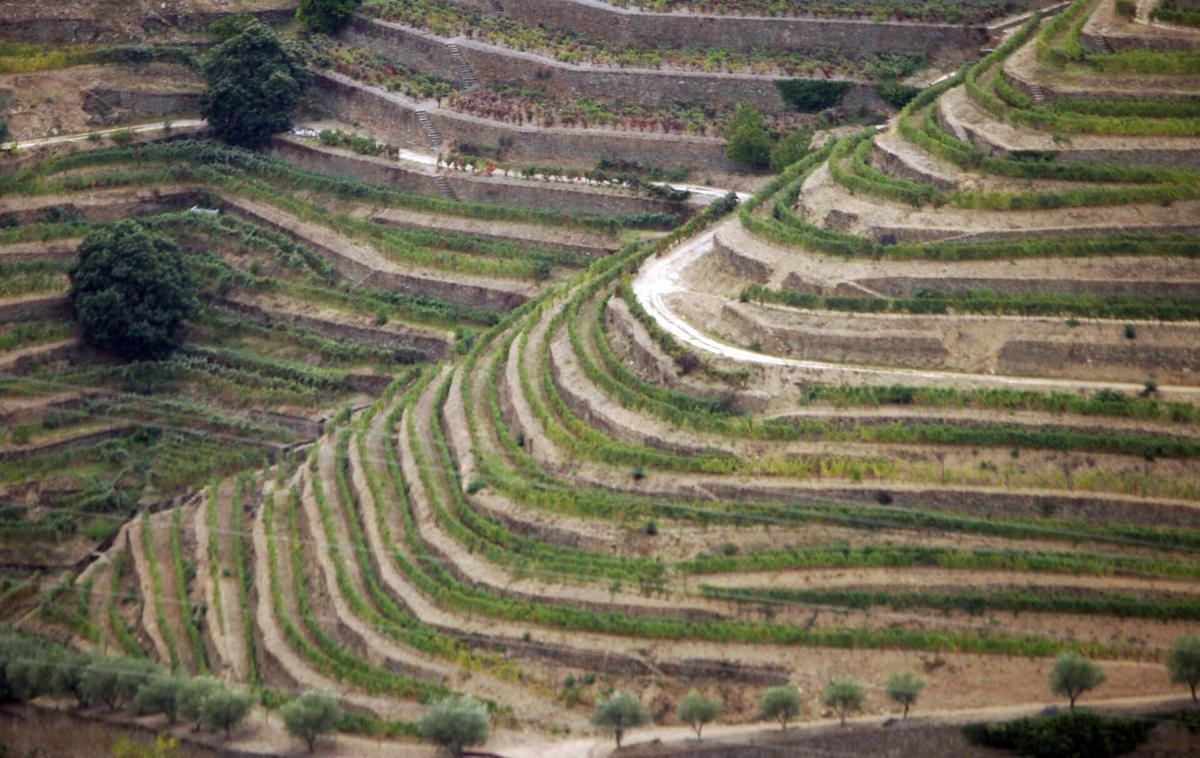
Temperatures are warming, landscapes are green from winter rain, and wildflowers peak. The south coast is busy but not packed. The sea is still cool, around 17-18°C, but the air is warm enough for beach days without sweating. The exception: the week around Lisbon's Santo António festival on 12-13 June. Avoid it unless you are attending. The city fills, accommodation spikes, and the streets close for the sardine grills. Outside that window, June is excellent. The days are long and the rains have mostly stopped. Northern Portugal is still green and the Douro Valley is lush before the grape harvest heat sets in. You can hike Peneda-Gerês National Park without summer crowds, and the wild garrano horses roam freely.
September to October
This is the best period for most travellers. The sea is still warm from summer, at 19-22°C on the south coast, and the days are shortening but still long enough for a full day out. The grape harvest season is underway in the Douro Valley and Alentejo. Rain returns gradually from the north, so October in Porto or the Minho region means you should pack a jacket, but the south and Alentejo remain dry. The crowds of August have gone. Accommodation prices drop. You can walk into the Jerónimos Monastery queue in Lisbon and wait less than 30 minutes instead of two hours. The Benagil Sea Cave is accessible by kayak or boat without a morning race for a slot. The Azores in September still have warm, swimmable sea at 22-23°C and lower rainfall than winter, though the weather remains unpredictable. Madeira in October has minimal seasonal contrast, warm sea, and the flower festivals of spring are over but the south coast is still dry.
| Month | Region Weather | Crowd Level | Water Temp °C (South Coast) |
|---|---|---|---|
| January | North: cool, wettest period. Central: cold inland, frost in Serra da Estrela. Algarve: mildest mainland winter, sunny between fronts. | Low | 15–16 |
| February | Same as January, slightly less rain. Alentejo: mild days, cold nights. | Low | 14–16 |
| March | Spring begins. Green landscapes, wildflowers. Rain still possible especially north. Warming temperatures. | Low to moderate | 15–17 |
| April | Warm days, cooler nights. Wildflowers peak. Algarve beach days possible. | Moderate | 16–18 |
| May | Warm, dry, fewer visitors than summer. Best hiking month. | Moderate | 17–19 |
| June | Hot in Alentejo and interior, warm on coast. Long days. Avoid 12–13 June for Santo António in Lisbon. | Moderate to high (except festival week) | 18–20 |
| July | Peak season. Hot and dry everywhere. Nortada wind strong on west coast afternoons. | High | 19–21 |
| August | Peak heat. First two weeks avoid window. Gridlocked coast. Book everything ahead. | Very high (first two weeks extreme) | 20–22 |
| September | Best month. Sea still warm. Crowds gone. Grape harvest begins. Rain returns gradually from north. | Moderate | 20–22 |
| October | Warm days, cool nights. Sea swimmable on south coast. Rain more frequent north. Douro harvest. | Low to moderate | 19–20 |
| November | Rain risk north of Lisbon increases. Algarve still mild. Interior gets cold. Serra da Estrela snow possible. | Low | 17–18 |
| December | Low season except Christmas and New Year in Lisbon and Madeira. Wettest month for most regions. | Low (except holidays) | 15–16 |
Portugal August Travel Advice: What Goes Wrong and How to Fix it
If you land in Porto on 5 August without a plan, you will spend your first afternoon trying to find a hotel room under €200 and failing. The south coast is the worst hit: Lagos, Albufeira, and the area around Benagil Sea Cave become pedestrian traffic jams. The trains from Lisbon to the south sell out days in advance. The drive from Lisbon to the south on a Saturday in August can take 6 hours instead of 3. The tap water is safe to drink but you will be paying €5 for a bottle from a beach kiosk because the queue for the public tap is 20 people deep.
If you must go in August, do three things. First, book everything: trains, accommodation, and dinner reservations at least two months ahead. The Alfa Pendular from Lisbon to Porto requires a seat reservation and sells out on Fridays and Sundays; in August, it sells out daily. Second, stay in the north. Porto and the Douro Valley are less crowded than the south, and the nights are cooler. Third, switch your beach time to the morning. The Nortada wind picks up after 14:00 on the west coast, and the afternoon sea breeze on the south coast is lighter but the beaches are still packed. The Azores are a better August option: the sea is swimmable at 22-24°C and the crowds are lower than the mainland, though still the peak season for the islands. Madeira's peak visitor pressure hits August and the Christmas, New Year period, but the south coast around Funchal stays dry and warm.
The common mistake in August is trying to see both Porto and the south in a single week without flying. The train takes over 5 hours, and the drive is a full travel day that eats the middle of your holiday. Choose one region and do it properly.
.jpg)
Rain Risk and Winter: November Through March North of Lisbon
From November to March, the rain risk north of Lisbon is real. The north region, Minho and Douro Litoral, is the wettest part of the country, with frequent prolonged rain and rivers full. Porto in January receives about twice the rainfall of Lisbon. The cobblestone pavements, calçada, become lethally slippery when wet, and they destroy wheeled suitcases. Public toilets are scarce and charge €0.50, requiring coin payment. Carry a handful of small coins every day.
Central region from November to February is cool to cold inland, with frost possible at elevation in Serra da Estrela, where the only ski area in mainland Portugal operates. Rain is frequent but less than the north. The Alentejo has mild days with cold nights and frost possible inland, but low rainfall compared to the north. The south coast in winter is the sunny refuge: the mildest mainland winter, with rain concentrated in short-lived fronts, and highest sea temperatures on the mainland at 15-16°C. You will not swim, but you can walk the cliffs in a light jacket.
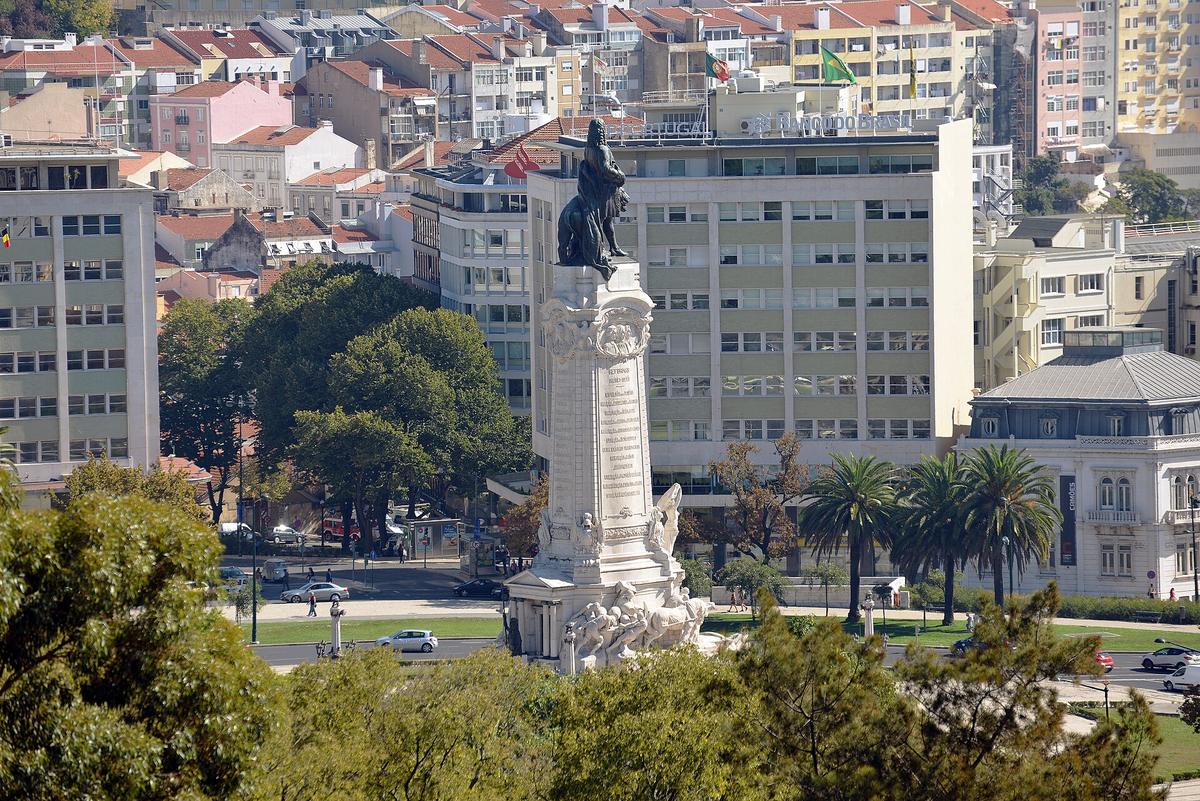
Lisbon in winter is mild and wetter, with rain concentrated in passing fronts and many clear days between them. A winter trip to Lisbon works if you accept that you will have some rain days. The Museu Nacional do Azulejo, with tile art from the 1400s to now, is a dry afternoon plan. The Azores in winter are the wettest and windiest season, with frequent storms and heavy rain at times. Madeira in winter sees most of its rain but still moderate totals on the south coast; the north coast and mountains are significantly wetter, with frequent cloud and orographic rain that creates lush vegetation. The Christmas, New Year period is peak visitor pressure for Madeira, so book ahead.
Santo António Festival Caveat for Lisbon in June and Other Timing Considerations
If you are in Lisbon around 12-13 June for the Santo António festival, you are either there for the sardines or you should reschedule. The city fills, accommodation doubles, and the streets close for the charcoal-grilled sardines that define the festival. The grilled sardines, sardinhas assadas, are excellent. But if you are not attending the event, the week is a disruption. The rest of June is fine.
The shoulder season months of May and September are the only months where you can reliably walk into Livraria Lello in Porto without a timed entry voucher sold out days ahead, or get a same-day ticket for Palácio da Pena in Sintra, for which you should normally book days ahead. The Azores have a less defined shoulder season, but September offers lower rainfall than winter and the sea is still swimmable. Madeira has minimal seasonal contrast, but spring brings flower festivals and autumn keeps the sea warm.
Minimum days to do Portugal justice is 10. Anything less forces a choice between the north and the south, and you will burn too much time in transit. The railway network is a spine-and-branch system that leaves much of the interior unreachable without a bus or car. The southern line runs Lagos to Vila Real de Santo António, but getting from the south to the Douro Valley requires going through Lisbon. The intercity bus network, Rede Expressos, reaches towns without rail service and is a backup when trains sell out. For islands, the Azores inter-island ferries run most frequently from June to September, and the Madeira to Porto Santo ferry takes about 2.5 hours year-round.
The failure case for most travellers is trying to see both Porto and the south in a single week trip without flying between them. Do not do this. The train takes over 5 hours and the drive is a full travel day. Pick one region. The best choice for most slow travellers who savour wandering over ticking boxes is the shoulder season in the Lisbon region and the south, or Porto and the Douro Valley in September. Portugal is not for travellers who want a tropical beach holiday with reliably warm, calm swimming water. The Atlantic is cold and rough. It is for food-first travellers obsessed with seafood, wine and pastéis; surfers and hikers wanting raw Atlantic nature; couples and families seeking safe, easy charm; and remote workers chasing sun and a lower cost base than northern Europe. It is not for those seeking cutting-edge nightlife or a polished luxury bubble, and it is not well suited for anyone who hates driving narrow, winding roads, because the interior requires a car.
Common Questions
What is the absolute best month to visit Portugal?
September. The sea on the south coast is still 20-22°C from summer heating, crowds have dropped off after August, accommodation prices fall, the grape harvest is underway in the Douro Valley and Alentejo, and the rain has not yet returned in force north of Lisbon. You can book trains and restaurants the same week without stress.
Is the Algarve warm enough to swim in March?
No. The sea on the south coast is 15-17°C in March. The air is warm enough for a beach walk in a light jacket, but swimming is a bracing wade. The water does not reach comfortable swimming temperature until late June, and it peaks in September at 20-22°C.
Can I visit the Azores in winter?
Yes, but expect the wettest and windiest season, with frequent storms and heavy rain at times. The Azores winter sea is 16-18°C, so swimming is out. Spring and autumn offer slightly lower rainfall than winter, but the weather remains unpredictable year-round. July and August are the peak visitor months for a reason.
Should I avoid Lisbon during the Santo António festival?
If you are not attending the festival, yes. The week around 12-13 June sees the city fill, accommodation prices spike, and streets close for the sardine grills. Outside that window, June is an excellent shoulder month with warm days, long light, and moderate crowds.
How far ahead should I book trains for August?
At least two months ahead. The Alfa Pendular and Intercidades express trains require a seat reservation and sell out on Fridays and Sundays year-round. In August, they sell out daily. Book on the CP app or at station machines. For local trains, you must validate paper tickets on the platform before boarding.
Read next
-
 Staying connected in Portugal with eSIM, local SIM or roaming
Compare eSIM, local SIM from MEO or Vodafone, and roaming for Portugal. Avoid airport kiosk markups and understand rural coverage gaps.
Staying connected in Portugal with eSIM, local SIM or roaming
Compare eSIM, local SIM from MEO or Vodafone, and roaming for Portugal. Avoid airport kiosk markups and understand rural coverage gaps.
-
 Getting Around Portugal, Trains, Buses and the Interior Gap
Portugal's rail network is a coastal spine with thin branches. Express trains need seat reservations, the interior needs a bus or car, and Bolt is cheaper
Getting Around Portugal, Trains, Buses and the Interior Gap
Portugal's rail network is a coastal spine with thin branches. Express trains need seat reservations, the interior needs a bus or car, and Bolt is cheaper
-
 Portugal Visa Requirements for Tourists and Remote Workers
Portugal is in the Schengen Area. Most tourists get 90 days visa-free, but remote workers and long-stayers have specific visa paths to follow.
Portugal Visa Requirements for Tourists and Remote Workers
Portugal is in the Schengen Area. Most tourists get 90 days visa-free, but remote workers and long-stayers have specific visa paths to follow.
-
 Money in Portugal, Euros, Cards and Where Cash Still Rules
Portugal uses the euro. Cards work in most urban places, but small tascas, rural cafés, and public toilets still demand coins.
Money in Portugal, Euros, Cards and Where Cash Still Rules
Portugal uses the euro. Cards work in most urban places, but small tascas, rural cafés, and public toilets still demand coins.
-
 Safety in Portugal, What the Warnings Mean and What They Miss
Portugal is safe, but the real risks are slippery calçada pavements, Atlantic undertows, and pickpockets on Tram 28 and at Cais da Ribeira.
Safety in Portugal, What the Warnings Mean and What They Miss
Portugal is safe, but the real risks are slippery calçada pavements, Atlantic undertows, and pickpockets on Tram 28 and at Cais da Ribeira.
-
 What a trip to Portugal actually costs and how the money flows
Understand Portugal's cost structure—seasonal price swings, the north-south gradient, dining traps, and toll-road costs—so you can budget without surprises.
What a trip to Portugal actually costs and how the money flows
Understand Portugal's cost structure—seasonal price swings, the north-south gradient, dining traps, and toll-road costs—so you can budget without surprises.
-
 A Ground-Level Logistics Guide to Independent Travel in China
First-time independent travel in China: what you need to know about visas, rail booking, eSIMs, mobile payments, and power adapters.
A Ground-Level Logistics Guide to Independent Travel in China
First-time independent travel in China: what you need to know about visas, rail booking, eSIMs, mobile payments, and power adapters.
-
 How Solo Travelers Stay Ahead of Flight Delays and Cancellations
How solo travelers can track inbound aircraft, claim rebooking rights, and adjust ground transport when flights go wrong — step by step.
How Solo Travelers Stay Ahead of Flight Delays and Cancellations
How solo travelers can track inbound aircraft, claim rebooking rights, and adjust ground transport when flights go wrong — step by step.
-
 Why Your eSIM Might Not Work Abroad and How to Check Before You Go
Buying an eSIM doesn't guarantee signal abroad. Learn why coverage fails by location and how to verify reach before you commit to a plan.
Why Your eSIM Might Not Work Abroad and How to Check Before You Go
Buying an eSIM doesn't guarantee signal abroad. Learn why coverage fails by location and how to verify reach before you commit to a plan.