A Detailed Portugal Trip Cost Breakdown for Realistic Planning
Understand Portugal's cost structure—seasonal price swings, the north-south gradient, dining traps, and toll-road costs—so you can budget without surprises.
The Shape of a Portugal Travel Budget
The common wrong assumption about a Portugal trip cost breakdown is that it is uniformly cheap. You have heard the reports about the wine for two euros a glass and the pastel de nata for one euro. Those are true in the right places. What gets left out is the math that can tip your daily spend from 80 euros toward 250 euros before you have bought a ticket to anything. The shape of the budget is not a flat line. It is a curve driven by season, region, meal tactics, and a handful of charges that arrive without an invitation.
Money leaves your pocket in four big flows: accommodation, transport between cities, meals, and what the research here calls the couvert trap. The rest is detail.

.jpg)
How Much to Budget for Portugal: the Seasonal Swing
Accommodation is the single largest cost category for most trips, and it has a seasonal swing that changes everything. In the south coast, July and August turn a shoulder-season guesthouse into a premium one. The research says prices can double or triple. That is not a generalisation. It means the same three-star room that costs 70 euros in May can cost more than double in August. Lisbon and Porto follow a similar pattern, though the multiple is smaller. The Christmas and New Year weeks also spike. The lowest prices run from November through February, excluding the holiday windows.
The north-south price gradient is real. Inland Alentejo, Beira Interior, and Trás-os-Montes sit at the low end of the lodging cost gradient. The highest prices cluster in Lisbon, the south coast, Porto, and Madeira. Your choice of where to sleep determines more of the total trip cost than any other variable. A week in a guesthouse in the Alentejo interior in November versus a week in a south coast resort apartment in August is not the same holiday. It is a different financial category.
How To Use The Seasonality
If you can move your trip to May, June, September, or October, your lodging budget drops significantly while the weather stays good. The south is hot and dry June through September, and the north and centre are mild with rain from October to April. July and August also bring the crowds. The south coast is busiest then, and finding a table without a reservation is difficult. If you must travel in August, avoid the first two weeks of the month. That is the window when the entire country moves, coastal towns become gridlocked, and the car rental cost structure peaks because manual transmission rentals cost less than automatic, and both are at their highest price of the year.
Portugal Daily Travel Expenses: Where the Euros Go
The second-largest cost category is intercity transport. Portugal's rail network, Comboios de Portugal, runs on a spine-and-branch system. The dominant intercity mode is the train, but it leaves much of the interior unreachable without a bus or a car. The high-speed Alfa Pendular is the most expensive train tier, followed by Intercidades. Regional and urban trains are the cheapest. Lower the rail cost by booking advance-purchase promotional fares on the Alfa Pendular and Intercidades, which are available on the CP app. The ticket that trips visitors up is that express trains require a seat reservation, and those reservations sell out on Fridays and Sundays year-round. National coach network Rede Expressos uses a flat per-kilometre pricing model with low variance by booking time, so coaches are a cheaper alternative on some routes, especially if the train is full.
Driving
The Portuguese motorway network is mostly tolled via electronic tags or plate recognition. The toll payment system for visitors uses the Via Verde Visitors pass or prepaid toll cards. An intercity toll motorway drive over a long distance is one of the items the research lists as unexpectedly expensive. A drive from Porto to the south coast involves a full travel day and toll costs that add up faster than you expect. The research is explicit: trying to see both Porto and the south coast in a single week trip without flying between them is a common mistake. The train takes over five hours, and the drive is a full travel day that eats the middle of your holiday. The dominant domestic airline is TAP Air Portugal, and the largest low-cost carriers serving Portugal are Ryanair and easyJet. If you are covering both ends of the country, factor a flight into the budget.
Urban Transport
In Lisbon, the metro operator is Metropolitano de Lisboa. In Porto, it is Metro do Porto. Both use a zonal or flat-fare single-ticket system. A 24-hour pass costs less than three single rides. The Lisbon airport to the city centre is a direct metro ride on a single zonal fare, about 25 minutes for 1.80 euros. The Porto airport to the city centre is also a direct metro ride, about 30 minutes for 2.00 euros. Faro airport has no rail link at the terminal. You take a bus or a taxi. The taxi is about 15 minutes and around 15 euros. From all three airports, Bolt and Uber are widely available and cheaper than taxis. Download the Bolt app before arrival. The ride could cost half the price of a metered taxi.
Portugal Accommodation Price Seasons: What Determines Your Room Rate
Portugal's room rate seasons break into three bands. Peak season is July and August, driven by European school holidays. Shoulder season runs May through June and September through October. Low season is November through February, excluding the Christmas and New Year holiday weeks. Within peak season, the south coast sees the highest multiple. Lisbon and Porto also peak but with a smaller price jump. The Madeira south coast has its own peak around New Year and summer.
The type of lodging matters as much as the season. Budget stays include hostels, guesthouses called pensões, rural tourism rooms, and campsites. Mid-range types are three-star hotels, apartments, and private rooms in pousadas de juventude. The genuine difference between the budget tier and the mid-range tier comes down to a private bathroom, air conditioning in summer, location within the historic centres, and how far ahead you can book without the room being gone. In older guesthouses, air conditioning is not universal. It is common in the south and in newer builds elsewhere. In winter, heating is also not universal in budget rooms. Verify it before you book for a stay from December through March.
The tourist tax adds a small line item to your lodging bill. Lisbon charges it per person per night, with a higher rate for cruise passengers. Porto charges it per person per night, capped at a set number of nights. Several south coast municipalities charge it per person per night, seasonally. Madeira charges it per person per night in some municipalities. These rates change by municipality and by year. The 2024 figures published by each municipality are the ones to check when you book.
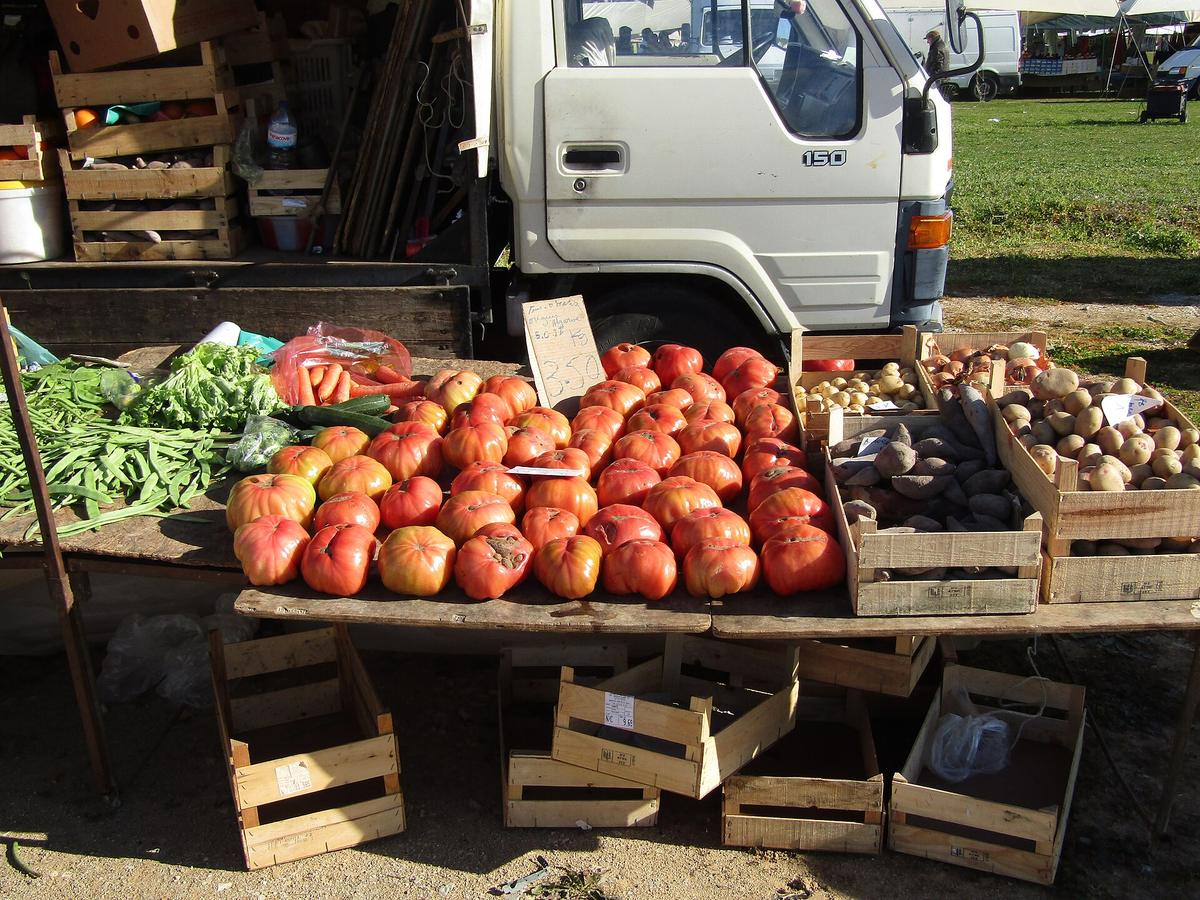

Portugal Dining Cost Expectations: Tasca Versus Terrace and the Couvert Trap
Portugal dining cost expectations depend on three rules: where you sit, when you eat, and what you let them put on the table. The meal cost structure has a clear floor and a clear ceiling. The floor is the lunch prato do dia, the set menu of the day. It costs the least of any full meal. It is only available at weekday lunch. The ceiling is dinner from the à la carte menu on a riverside terrace in Lisbon or the south coast.
The difference between eating in a tasca and eating on a riverside terrace is the difference between paying for the food and paying for the view. A tasca is a small, family-run eatery, often with handwritten specials on a chalkboard. A riverside terrace in the Cais da Ribeira in Porto or along the south coast adds a location premium that can double the bill for the same dish. The house wine in casual restaurants is listed by the research as unexpectedly cheap. The espresso in high-footfall historic squares is listed as unexpectedly expensive. The same coffee you pay 70 cents for at the counter in a pastelaria costs two or three times that at a table in the same café, because the price structure for coffee has a balcão rate and a mesa rate.
The Couvert: Hard No
The most common budget mistake is the couvert. Many restaurants place bread, olives, butter, cheese, and sometimes a small plate of tuna pâté on the table before you order. These are not free. Touching them adds 5 to 10 euros to your bill. The legality is clear: you can be charged for them only if they are listed on the menu or visibly displayed. In practice, most restaurants list them. The solution is simple. When the plate arrives, say no thank you and ask for it to be removed. The research notes that the couvert charge can range from under one euro to several euros in tourist zones, and the total adds up fast if you let it sit there and nibble.
Meal Timing
Lunch in Portugal is the budget-friendly meal. The prato do dia is a full plate with a main, a starch, and sometimes a drink. Dinner menus are priced higher. If you want to spend less, eat your main meal at midday and have a lighter dinner of petiscos, the Portuguese equivalent of tapas, which are cheaper than full meals. The tasca is the best setting for this. Avoid the restaurants with multilingual menus displayed on sandwich boards in the Alfama district or the Baixa. Walk five minutes into a side street where the customers are Portuguese speakers.
The Toll Road Drip and Other Unexpected Costs
Beyond the main flows, several small charges can move your total. The toll road drip is the biggest. Driving the motorway network from Lisbon to the south coast or from Porto to the Douro Valley adds up through a system of electronic tolls that register your plate. The Via Verde Visitors pass or a prepaid toll card is the only way to pay for a rental car. Without it, you risk a fine from the rental company plus the toll amount. The research lists intercity toll motorway driving over long distances as an unexpectedly expensive item. Budget for it if you drive.
Two other items show up as unexpectedly cheap. Intercity express coaches on some routes cost less than the rail equivalent. Municipal markets for produce, bread, and cheese are cheap, and the local cheeses are cheapest at the source in Serra da Estrela, Azeitão, or São Jorge. A picnic from a market covers lunch for the price of a coffee in a square.
Common Questions
Can I avoid the couvert charge without being rude?
Yes. Say 'não, obrigado' when the server places the bread and olives on the table. Ask for it to be taken away. This is normal in Portugal, not offensive.
Is it cheaper to stay in Lisbon or Porto?
Both sit at the high end of the lodging cost gradient, roughly on par. The difference is seasonal. Porto has festival price effects around São Joao on 23-24 June. Lisbon has the same around Santo Antonio on 12-13 June. Avoid those dates unless you are attending.
What is the cheapest way to get from Lisbon to Porto?
The Rede Expressos coach is cheaper than the Alfa Pendular train. Book the train's advance promotional fares if you want to travel faster. The coach uses flat per-kilometre pricing, so it does not get more expensive as the departure date approaches.
Do I need cash in Portugal?
Card acceptance is widespread in cities and towns. Cash is still common in rural cafés and markets. The ATM network is Multibanco and widely available. Fees depend on your issuing bank. Carry coins for public toilets, which charge about 0.50 euros and are scarce outside shopping centres, stations, and cafés.
Is tap water safe to drink in Portugal?
Yes, it is safe to drink nationwide. There are public drinking fountains in many towns. Bottled water is cheap in supermarkets but expensive in restaurants and beach bars.
Read next
-
 Staying connected in Portugal with eSIM, local SIM or roaming
Compare eSIM, local SIM from MEO or Vodafone, and roaming for Portugal. Avoid airport kiosk markups and understand rural coverage gaps.
Staying connected in Portugal with eSIM, local SIM or roaming
Compare eSIM, local SIM from MEO or Vodafone, and roaming for Portugal. Avoid airport kiosk markups and understand rural coverage gaps.
-
 Best Time to Visit Portugal, Season by Season Reality
Portugal's best months are May, June, September, and October. July and August bring crowds and coastal gridlock, and the Atlantic is never truly warm.
Best Time to Visit Portugal, Season by Season Reality
Portugal's best months are May, June, September, and October. July and August bring crowds and coastal gridlock, and the Atlantic is never truly warm.
-
 Getting Around Portugal, Trains, Buses and the Interior Gap
Portugal's rail network is a coastal spine with thin branches. Express trains need seat reservations, the interior needs a bus or car, and Bolt is cheaper
Getting Around Portugal, Trains, Buses and the Interior Gap
Portugal's rail network is a coastal spine with thin branches. Express trains need seat reservations, the interior needs a bus or car, and Bolt is cheaper
-
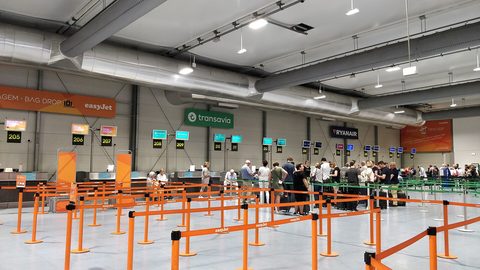 Portugal Visa Requirements for Tourists and Remote Workers
Portugal is in the Schengen Area. Most tourists get 90 days visa-free, but remote workers and long-stayers have specific visa paths to follow.
Portugal Visa Requirements for Tourists and Remote Workers
Portugal is in the Schengen Area. Most tourists get 90 days visa-free, but remote workers and long-stayers have specific visa paths to follow.
-
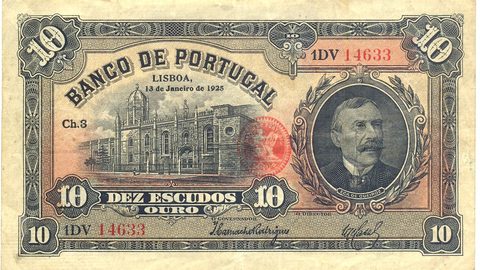 Money in Portugal, Euros, Cards and Where Cash Still Rules
Portugal uses the euro. Cards work in most urban places, but small tascas, rural cafés, and public toilets still demand coins.
Money in Portugal, Euros, Cards and Where Cash Still Rules
Portugal uses the euro. Cards work in most urban places, but small tascas, rural cafés, and public toilets still demand coins.
-
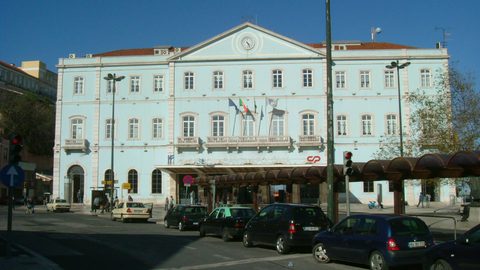 Safety in Portugal, What the Warnings Mean and What They Miss
Portugal is safe, but the real risks are slippery calçada pavements, Atlantic undertows, and pickpockets on Tram 28 and at Cais da Ribeira.
Safety in Portugal, What the Warnings Mean and What They Miss
Portugal is safe, but the real risks are slippery calçada pavements, Atlantic undertows, and pickpockets on Tram 28 and at Cais da Ribeira.
-
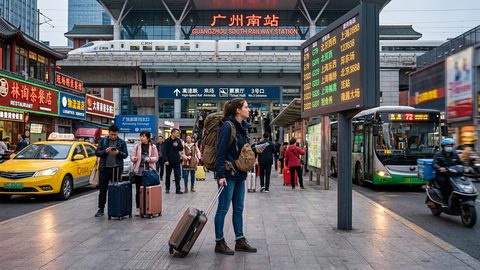 A Ground-Level Logistics Guide to Independent Travel in China
First-time independent travel in China: what you need to know about visas, rail booking, eSIMs, mobile payments, and power adapters.
A Ground-Level Logistics Guide to Independent Travel in China
First-time independent travel in China: what you need to know about visas, rail booking, eSIMs, mobile payments, and power adapters.
-
 How Solo Travelers Stay Ahead of Flight Delays and Cancellations
How solo travelers can track inbound aircraft, claim rebooking rights, and adjust ground transport when flights go wrong — step by step.
How Solo Travelers Stay Ahead of Flight Delays and Cancellations
How solo travelers can track inbound aircraft, claim rebooking rights, and adjust ground transport when flights go wrong — step by step.
-
 Why Your eSIM Might Not Work Abroad and How to Check Before You Go
Buying an eSIM doesn't guarantee signal abroad. Learn why coverage fails by location and how to verify reach before you commit to a plan.
Why Your eSIM Might Not Work Abroad and How to Check Before You Go
Buying an eSIM doesn't guarantee signal abroad. Learn why coverage fails by location and how to verify reach before you commit to a plan.