Your Guide to Portugal Currency and Payment Methods While Traveling
Portugal uses the euro. Cards work in most urban places, but small tascas, rural cafés, and public toilets still demand coins.
Paying for Things Across Portugal
Portugal does not work like home. The gap between city and countryside is wider than in most of western Europe. Contactless cards dominate Lisbon and Porto, but rural cafes, street markets, public toilets, and the famous couvert trap all demand coins. You need both cash and a card, and you need to know exactly where each one fails.
Euros in Portugal: What You Need to Know About the Currency
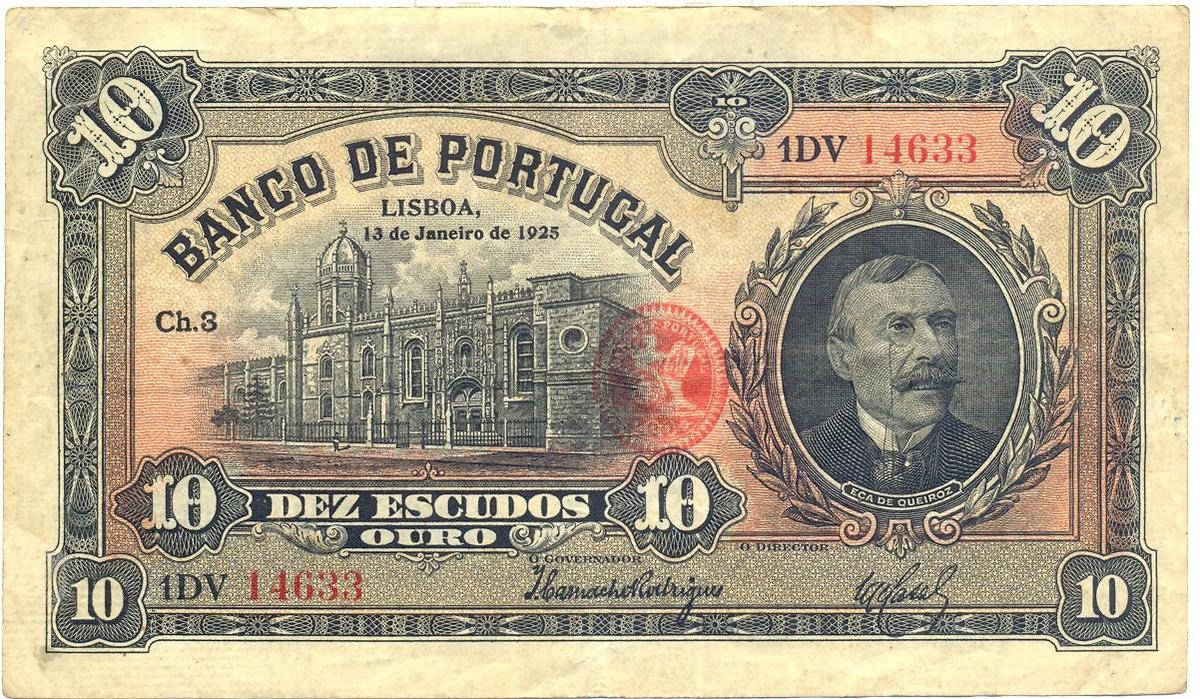
The currency is the euro, symbol €, divided into 100 cents. Portugal joined the eurozone on 1 January 1999 and introduced euro cash on 1 January 2002. The fixed conversion rate from the former escudo is 1 EUR = 200.482 Portuguese escudos. The Banco de Portugal is the central bank; euro banknotes are issued by the European Central Bank, while the Portuguese side of euro coins is minted by the Imprensa Nacional Casa da Moeda.
Which Notes And Coins To Carry
You will use euro banknotes in denominations of 5, 10, 20, 50, 100, 200, and 500. In practice, the 200 and 500 notes are rare and many small businesses will refuse them for lack of change. Carry 5, 10, and 20 euro notes alongside a few rolls of 1 and 2 euro coins. You need those coins for the daily friction: public toilets charge 50 cent, the couvert in restaurants costs several euro just for the bread and olives you touched, and small museums in rural Alentejo and the interior of Beira Interior sometimes have no card terminal at all.

Portugal ATM Fees: How to Avoid Losing Money at the Machine
Use only Multibanco machines, the national ATM network. Multibanco ATMs charge no local fee for foreign cards. Your own bank may apply a foreign transaction fee and a currency conversion fee, but Multibanco itself does not add anything. The per-transaction withdrawal limit is set by your issuing bank, not Multibanco. Check your bank's limit before you leave.
The Private ATM Trap
The trap is the non-bank ATM. Euronet and other private machines are common in tourist zones around the Algarve, the Baixa district in Lisbon, and outside major landmarks like Torre de Belém. These machines charge a per-transaction fee and they aggressively offer dynamic currency conversion. Dynamic currency conversion means the machine shows you the amount in your home currency at a poor exchange rate. You can decline it. The machine must offer you a choice between EUR and your home currency; always select EUR. The same rule applies at card terminals in shops and restaurants. If the terminal asks if you want to pay in your home currency, say no and choose euros.
What Else Multibanco Does
Multibanco machines handle more than cash. You can pay bills, top up mobile data, buy transport tickets, and make tax payments. Download the MB Way app if you want to use the network's mobile payment system, though Apple Pay and Google Pay through your normal card work fine.
Banking hours are Monday to Friday, 08:30 to 15:00. Some branches in urban areas open Saturday mornings. Do not rely on finding a bank open on a Sunday or after 15:00 on a weekday.
Portugal Card vs Cash: When Each One Works and When it Doesn’t
Visa and Mastercard are accepted nearly everywhere in cities and tourist areas. American Express acceptance is patchy: large hotels and upmarket chains in Lisbon and Porto take it, but many small businesses, family-run tascas, and rural shops refuse it. If Amex is your main card, carry a Visa or Mastercard as backup.
Contactless payment is the default. Apple Pay and Google Pay work at almost every terminal in the country. You tap your phone or card and walk away. The minimum card payment amount varies by merchant; where applied, it runs from 5 to 10 euro. For a single pastel de nata, pay cash.
Where Cash Still Rules
Cash still rules in these specific places: rural cafes in the Alentejo and the Minho region, street markets (including the Lisbon flea market Feira da Ladra), small museums and galleries, and any toilet that charges entry. Many tascas in Porto's Ribeira and Lisbon's Alfama operate on cash for food under 10 euro. If the menu is handwritten in Portuguese on a chalkboard and the place has four tables, assume cash only.
The Couvert Trap
The couvert is the most common cash trap. Restaurants place a basket of bread, a dish of olives, and sometimes cheese or pate on your table without asking. These are not complimentary. If you eat them, you pay. The charge runs several euro per person, and it appears on your bill as couvert or pão e manteiga. If you do not want it, push it aside or send it back before anyone touches it. This is not rude; it is standard practice for informed locals.
.jpg)
Portugal Tipping Customs: What You Actually Need to Leave
Tipping is not obligatory. Service is included in the price of what you order, and adding extra is a gesture for good service, not a requirement. The culture varies by setting.
Restaurants, Cafes And Bars
In restaurants, rounding up the bill or leaving 5 to 10 percent for good service is common in tourist areas and in higher-end dining. In neighbourhood tascas, rounding to the nearest euro is the norm. At cafes and pastelarias, leaving small change (the coins from your coffee) is typical but not expected. At bars, rounding up or dropping coins on the counter is common when you are served at a table; for drinks you order and pay for at the bar, no tip is expected.
Taxis, Hotels And Guides
For taxis, rounding up to the nearest euro is standard. If the fare is 9.40 euro, give 10. For hotel porters, 1 to 2 euro per bag is customary in upmarket hotels; in budget hostels, skip it. Tour guides: 5 to 10 percent of the tour cost for a multi-day guided excursion is common; for a two-hour walking tour, 5 to 10 euro is appropriate. Hotel housekeeping is not widely practised; if you stay in a luxury hotel, 1 to 2 euro per day left in the room is discretionary.
Service charge on bills is rare. If it is included, the bill will state serviço incluído. If not, nothing else is added. You tip on the pre-tax amount.
Common Questions
Can I use my US or UK debit card in Portuguese ATMs?
Yes, at Multibanco machines. The machine charges no local fee. Your home bank will charge its own foreign transaction fee and possibly a flat withdrawal fee. Check your bank's fee schedule before departure. Decline the dynamic currency conversion offer at the ATM.
How many euros should I carry per day?
Budget 30 to 50 euro in cash per person per day if you plan to eat at small local restaurants, buy from markets, and use public toilets. If you stay entirely in hotels and restaurants that accept card, 20 euro in coins per day is enough for transport tickets, coffees, and tips.
What happens if I only have a 50 euro note and the cafe only takes cash?
Many cash-only cafes and bakeries will not accept a 50 euro note for a small purchase because they cannot break it. Break large notes at a supermarket, a pharmacy, or a larger restaurant. The Portuguese supermarket chain Pingo Doce is reliable for getting change.
Is it safe to use a credit card in Portugal?
Card fraud exists but is not a widespread problem for travellers. Chip and PIN is the standard. Contactless payments are secure. The bigger risk is opportunistic pickpocketing in crowded areas, not card cloning. Keep your card in a zipped pocket in the Lisbon metro and at festivals.
Can I get a tax refund on purchases as a non-EU visitor?
Yes, through the Tax Free Portugal scheme operated by Global Blue and Planet. The minimum purchase threshold for a single receipt changes annually. Ask the store for the tax-free form at the time of purchase. Have the goods ready for inspection at the airport customs desk before you check your luggage.
Read next
-
 Staying connected in Portugal with eSIM, local SIM or roaming
Compare eSIM, local SIM from MEO or Vodafone, and roaming for Portugal. Avoid airport kiosk markups and understand rural coverage gaps.
Staying connected in Portugal with eSIM, local SIM or roaming
Compare eSIM, local SIM from MEO or Vodafone, and roaming for Portugal. Avoid airport kiosk markups and understand rural coverage gaps.
-
 Best Time to Visit Portugal, Season by Season Reality
Portugal's best months are May, June, September, and October. July and August bring crowds and coastal gridlock, and the Atlantic is never truly warm.
Best Time to Visit Portugal, Season by Season Reality
Portugal's best months are May, June, September, and October. July and August bring crowds and coastal gridlock, and the Atlantic is never truly warm.
-
 Getting Around Portugal, Trains, Buses and the Interior Gap
Portugal's rail network is a coastal spine with thin branches. Express trains need seat reservations, the interior needs a bus or car, and Bolt is cheaper
Getting Around Portugal, Trains, Buses and the Interior Gap
Portugal's rail network is a coastal spine with thin branches. Express trains need seat reservations, the interior needs a bus or car, and Bolt is cheaper
-
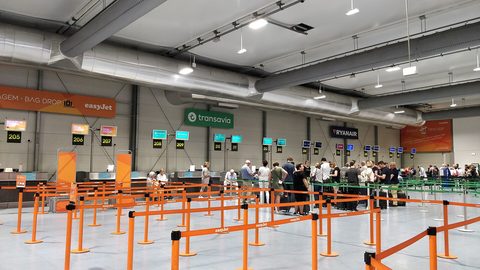 Portugal Visa Requirements for Tourists and Remote Workers
Portugal is in the Schengen Area. Most tourists get 90 days visa-free, but remote workers and long-stayers have specific visa paths to follow.
Portugal Visa Requirements for Tourists and Remote Workers
Portugal is in the Schengen Area. Most tourists get 90 days visa-free, but remote workers and long-stayers have specific visa paths to follow.
-
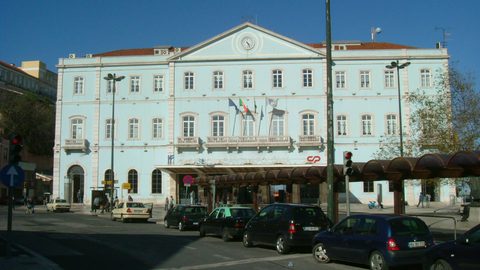 Safety in Portugal, What the Warnings Mean and What They Miss
Portugal is safe, but the real risks are slippery calçada pavements, Atlantic undertows, and pickpockets on Tram 28 and at Cais da Ribeira.
Safety in Portugal, What the Warnings Mean and What They Miss
Portugal is safe, but the real risks are slippery calçada pavements, Atlantic undertows, and pickpockets on Tram 28 and at Cais da Ribeira.
-
 What a trip to Portugal actually costs and how the money flows
Understand Portugal's cost structure—seasonal price swings, the north-south gradient, dining traps, and toll-road costs—so you can budget without surprises.
What a trip to Portugal actually costs and how the money flows
Understand Portugal's cost structure—seasonal price swings, the north-south gradient, dining traps, and toll-road costs—so you can budget without surprises.
-
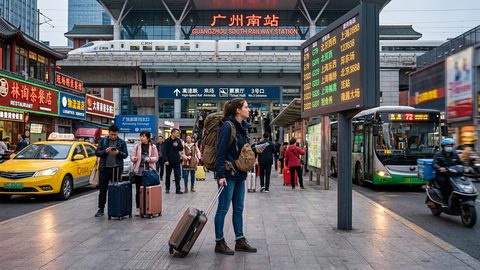 A Ground-Level Logistics Guide to Independent Travel in China
First-time independent travel in China: what you need to know about visas, rail booking, eSIMs, mobile payments, and power adapters.
A Ground-Level Logistics Guide to Independent Travel in China
First-time independent travel in China: what you need to know about visas, rail booking, eSIMs, mobile payments, and power adapters.
-
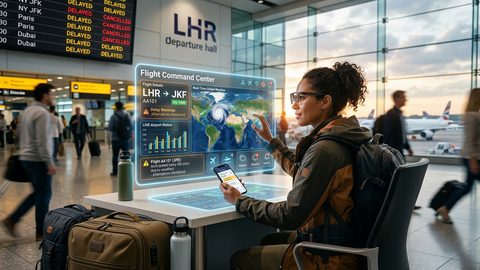 How Solo Travelers Stay Ahead of Flight Delays and Cancellations
How solo travelers can track inbound aircraft, claim rebooking rights, and adjust ground transport when flights go wrong — step by step.
How Solo Travelers Stay Ahead of Flight Delays and Cancellations
How solo travelers can track inbound aircraft, claim rebooking rights, and adjust ground transport when flights go wrong — step by step.
-
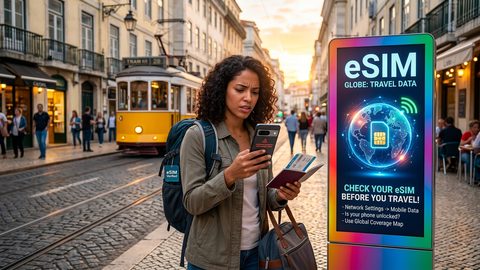 Why Your eSIM Might Not Work Abroad and How to Check Before You Go
Buying an eSIM doesn't guarantee signal abroad. Learn why coverage fails by location and how to verify reach before you commit to a plan.
Why Your eSIM Might Not Work Abroad and How to Check Before You Go
Buying an eSIM doesn't guarantee signal abroad. Learn why coverage fails by location and how to verify reach before you commit to a plan.