A Realistic Look at Is Portugal Safe for Tourists Right Now
Portugal is safe, but the real risks are slippery calçada pavements, Atlantic undertows, and pickpockets on Tram 28 and at Cais da Ribeira.
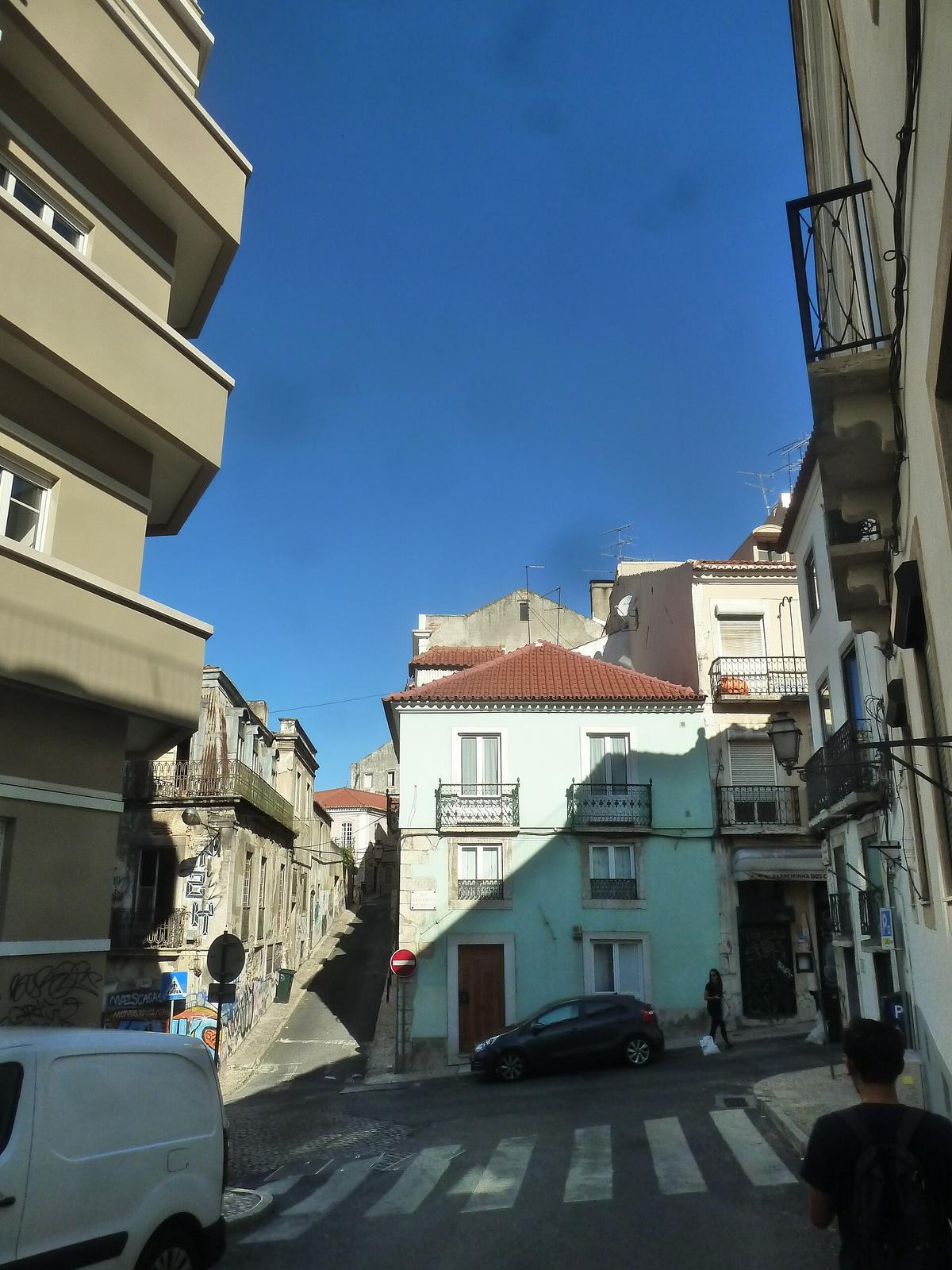
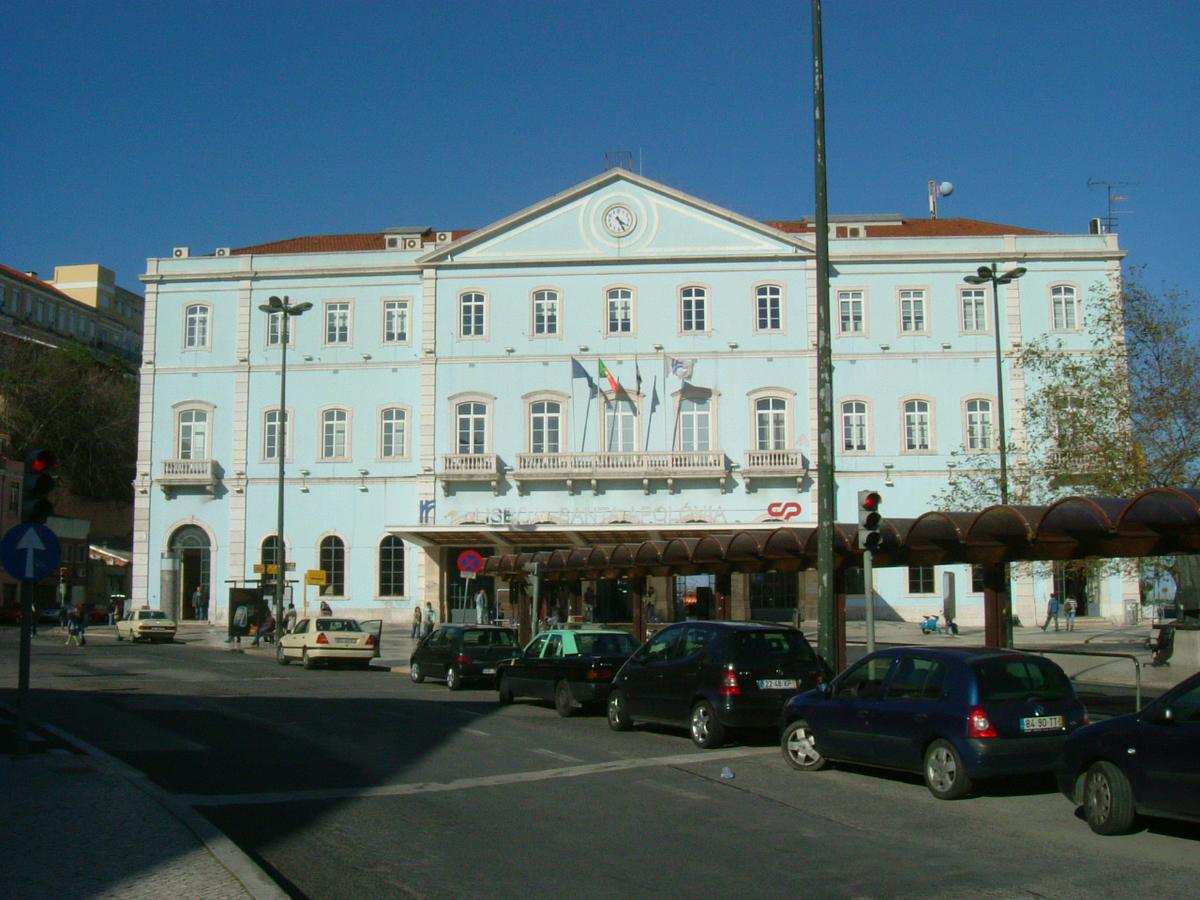
Lisbon’s Rossio station empties you onto wet calçada cobblestones at 8am, and the first thing you learn is that this surface is lethal. Slicker than ice when damp. Ankle-snapping when dry. It is the daily friction of Portugal that no travel advisory mentions. The question “is Portugal safe for tourists” gets answered with crime statistics, but the real risks here are physical: the cobbles underfoot, the Atlantic undertow, the mountain roads your GPS treats like flat tarmac. Violent crime is vanishingly rare. The dangers are more ordinary, and more specific.
Portugal ranks among Europe’s safest countries for travellers. The US Department of State, the UK Foreign, Commonwealth and Development Office, the Government of Canada, and the Australian Department of Foreign Affairs and Trade all rate it at their lowest advisory levels. The real safety picture is about knowing where the slip, the rip, and the distraction happen, and adjusting your day accordingly.

Is Portugal Safe for Tourists? the Real Answer
The short answer is yes, with caveats that are mostly about your own choices. Portugal’s emergency number is 112, the same as the rest of the EU. The Polícia de Segurança Pública (PSP) handles urban areas; the Guarda Nacional Republicana (GNR) covers rural roads and highways. In Lisbon, Porto, and Albufeira, a dedicated Polícia de Turismo branch assists visitors with lost property and theft reports. Tap water is safe to drink across the mainland and Azores. The food supply is regulated by the Autoridade de Segurança Alimentar e Económica (ASAE). The hazards that matter are not the ones you worry about before you arrive.
Portugal Pickpocket Hotspots: Where They Operate
Lisbon And Porto Targets
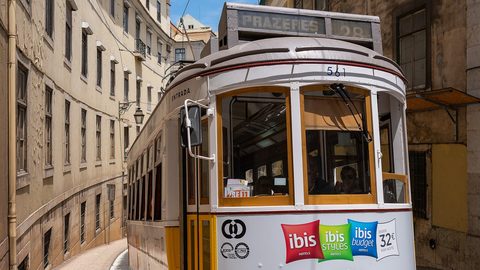
Pickpocketing is the one crime that affects tourists at scale, and it is concentrated in a handful of places you will almost certainly visit. Tram 28 in Lisbon is the most notorious: the classic yellow car is crowded, slow, and a perfect environment for a team working a wallet from a back pocket while the tram lurches through Alfama. The Rossio and Baixa districts around the main squares see the same pattern, especially near the elevators and metro entrances. In Porto, the Cais da Ribeira riverfront is the hotspot, packed at dusk with people watching the Dom Luís I Bridge light up.
Algarve And How To Protect Yourself
On the Algarve, crowded beachfront promenades in high season draw the same opportunists. The method is almost always distraction: a bump, a dropped map, a sudden crowd. Keep your phone in a front pocket or a cross-body bag zipped shut. Use ATMs inside bank branches, not standalone machines in tourist squares. Skimming is reported occasionally on those outer machines. Violent theft is almost nonexistent. If you lose something, a Polícia de Turismo station can issue a theft report quickly, and the PSP generally recovers wallets left in taxis and Ubers.
Portugal Beach Undertow Warning: the Atlantic is Not the Mediterranean
Read The Water Before You Enter
The most dangerous thing you will encounter in Portugal is the water. The Atlantic beaches from Lisbon north are cold and rough. Sea temperature on the west coast ranges from 14°C in February to 19°C in August and September. That is a bracing wade, not a float. The undertow and rip currents on Atlantic-facing beaches, particularly on the west coast and the exposed beaches of the western and southern Algarve, are strong enough to pull a competent swimmer out beyond the breakers in minutes.
Flags, Lifeguards And Marine Life
The beach flag system is standardised nationally and is your only reliable guide. Green means safe, yellow means caution, red means no swimming. A checkered flag means the beach is unguarded, and you should not swim. Lifeguarded beach season runs roughly June to September, but the exact dates vary by municipality and beach concession. Do not assume a beach in May or October has a lifeguard. The Portuguese man o’ war, known locally as caravela-portuguesa, appears on west coast beaches in spring and early summer. Its sting is severe and requires medical attention. If you see a blue, bubble-like organism on the sand, do not touch it. Even dead specimens can sting.
Portugal Driving Safety: What Goes Wrong
Driving in Portugal is safe by European standards, but the roads in the interior and the Douro Valley are narrower and more winding than your GPS expects. The speed limit on motorways is 120 km/h, on rural roads 90 km/h, and in built-up areas 50 km/h. The rule that trips up visitors: vehicles already on a roundabout have right of way unless signs indicate otherwise. You stop, not merge.
The bigger problem is time. A drive from Porto to the Algarve is a full travel day, not a morning’s run. GPS apps estimate by distance over straight roads, but Portugal’s interior follows valleys and ridgelines. Budget 30 percent more time than your navigation suggests, especially in the Alentejo and Beira Interior regions. In winter, ice and snow are possible in the Serra da Estrela and northern highlands from December to February. In the Azores and Madeira, heavy rain and fog reduce visibility from October to March.
Tolls And Documentation
Many Portuguese motorways use electronic-only tolls. Foreign-plate vehicles need a Via Verde Visitors temporary device or the EasyToll system, which links your licence plate to a credit card at entry points. Without one, you risk fines from the rental car company plus the toll charge. You must carry a reflective vest and a warning triangle in the vehicle. The vest must be worn when exiting the car on the roadside outside urban areas. Radar detectors are illegal. The drink-drive limit for general drivers is 0.5 g/L, and for novice drivers with a licence under three years it is 0.2 g/L. Mobile phone use while driving is prohibited except with a hands-free system. Seatbelts are mandatory for all occupants in front and rear seats. Children under 12 and under 135 cm must use an approved child restraint.
| Requirement | Rule |
|---|---|
| Drink-drive limit (general) | 0.5 g/L blood alcohol |
| Drink-drive limit (novice drivers) | 0.2 g/L blood alcohol |
| Motorway speed limit | 120 km/h |
| Rural road speed limit | 90 km/h |
| Built-up area speed limit | 50 km/h |
| Toll system for foreign plates | Via Verde Visitors or EasyToll pre-registration |
| Must-carry items | Reflective vest, warning triangle, insurance proof |
| Mobile phone use | Prohibited without hands-free system |
| Radar detectors | Illegal |

Portugal Solo Female Travel Safety: What Changes
Street Smarts And Late Arrivals
Portugal is one of the safest destinations in Europe for solo female travellers. Street harassment is less frequent than in southern Spain or Italy, and the main risk is the same one every tourist faces: pickpocketing in dense zones. Keep your bag zipped in the Ribeira or on Tram 28. Book accommodation with a 24-hour front desk if you arrive late. Use Bolt or Uber rather than walking alone through unlit streets at 2am. Bolt is dominant in Portugal and is often half the price of a taxi.
Terrain And Minor Injuries
The hazards that feel more acute solo are the physical ones. The hills in Lisbon and Porto, built on seven and six hills respectively, are leg-breakers. Walking alone means you cannot share the effort, and the calçada cobblestones are unforgiving on ankles. Wear flat, closed shoes with grip. A rolled ankle on a slick cobble is the most common injury in Portuguese emergency rooms among visitors. The SOS emergency number 112 works island-wide, including the Azores and Madeira. Pharmacies, identified by a green cross, can advise on minor injuries and dispense emergency contraception over the counter without a prescription.
Fire, Heat And UV
Beyond crime and roads, Portugal’s seasonal hazards are worth planning for. Wildfire season peaks from June to September, affecting rural areas in the interior north and centre, the Algarve hills, and Madeira. The Instituto Português do Mar e da Atmosfera (IPMA) publishes daily fire risk maps during fire season. If you are hiking in the Peneda-Gerês National Park or the Serra da Estrela in late summer, check the map before you go. Heatwave warnings are colour-coded by district: yellow, orange, red. The UV index reaches 8 to 11, very high to extreme, from June to August. SPF 30+ sunscreen is widely available in pharmacies and supermarkets, though it costs more on the islands.
Wildlife And Ground Risks
Ticks are present in rural and wooded areas from spring to autumn, with low but reported cases of Lyme borreliosis and Mediterranean spotted fever. Processionary caterpillars, which appear in pine forests from February to June, cause skin and respiratory reactions in humans and can be fatal to dogs. If you are hiking with a dog in the spring, keep it away from pine trees with silken nests in the branches.
Earthquake risk is moderate, with the highest seismic hazard in the Azores and the Algarve. The IPMA operates a tsunami warning system. You are unlikely to experience either in a short visit, but the Azores trail closures after seismic events are worth checking if you plan to hike on the islands.
Money, Water And Local Customs
Public toilets are scarce and almost always charge 0.50 euros in coins. Keep a few coins on you. Restaurant bread, olives, and cheese placed on the table unbidden are not free. Touching them adds 5 to 10 euros to your bill. You can politely decline by saying “não, obrigado” before they are set down. In very old buildings, plumbing may be lead-based in a small number of unrenovated pre-1970s structures. Running the tap until the water runs cold before drinking reduces any risk. In the Algarve in summer, the tap water may have a noticeable chlorine taste due to treatment adjustments; it is still safe to drink.
Legal Protections And Beach Etiquette
LGBTQ+ travellers have full legal protection under Portuguese law. Same-sex marriage has been legal since 2010, and anti-discrimination law covers sexual orientation and gender identity. Public attitudes are broadly accepting, especially in Lisbon and Porto. Topless sunbathing is tolerated on most beaches. Full nudity is restricted to designated naturist beaches, listed annually by the Federação Portuguesa de Naturismo.
The single most practical thing you can do for a safer trip to Portugal is to buy a pair of shoes with serious grip before you leave. Not stylish. Practical. The calçada cobblestones that pave the entire country from Lisbon’s Baixa to Porto’s Ribeira to Évora’s Roman temple square are dangerously slippery when wet and ankle turning when dry. Every other risk, the pickpocket on Tram 28, the rip current at a west coast beach, the GPS time miscalculation in the Douro Valley, is manageable with awareness. The cobblestone injury will happen the moment you stop paying attention. Keep your feet under you and the rest follows.
Common Questions
Is tap water safe to drink in Portugal?
Yes, tap water is safe to drink in all mainland regions and the Azores. In Madeira, it is treated and safe, though some rural sources may have a different mineral taste.
What is the emergency number in Portugal?
112, the same as the rest of the EU. It works for police, ambulance, and fire services across the mainland, Azores, and Madeira.
Do I need a visa to visit Portugal?
EU, EEA, and Swiss nationals can enter with a valid ID card or passport. UK, US, Canadian, Australian, and New Zealand nationals can stay up to 90 days in any 180 day period without a visa. Your passport must be valid for at least three months beyond your intended departure from the Schengen area.
What should I do if my wallet is stolen?
Go to the nearest Polícia de Segurança Pública (PSP) station or a Polícia de Turismo station in Lisbon, Porto, or Albufeira. They can issue a theft report needed for insurance claims. Emergency number 112 can direct you to the nearest station.
Are there dangerous animals in Portugal?
Two venomous snakes exist, Seoane’s viper and Lataste’s viper, both rare and found in northern and central rural areas. Bites are rarely fatal but require medical attention. Wild boar can be aggressive if surprised, especially sows with young in spring. Portuguese man o’ war stings are the most common marine hazard on west coast beaches.
Can I use my driving licence in Portugal?
Non EU visitors can use a valid national driving licence for stays up to 185 days. An International Driving Permit is recommended if the licence is not in the Roman alphabet. EU and EEA visitors can use their national licence.
Is it safe to travel alone as a woman in Portugal?
Yes. Portugal is one of Europe’s safest countries for solo female travellers. Street harassment is rare. The main risks are pickpocketing in tourist zones and physical hazards like slippery cobblestones and steep hills. Bolt and Uber are widely available and safe.
Read next
-
 Staying connected in Portugal with eSIM, local SIM or roaming
Compare eSIM, local SIM from MEO or Vodafone, and roaming for Portugal. Avoid airport kiosk markups and understand rural coverage gaps.
Staying connected in Portugal with eSIM, local SIM or roaming
Compare eSIM, local SIM from MEO or Vodafone, and roaming for Portugal. Avoid airport kiosk markups and understand rural coverage gaps.
-
 Best Time to Visit Portugal, Season by Season Reality
Portugal's best months are May, June, September, and October. July and August bring crowds and coastal gridlock, and the Atlantic is never truly warm.
Best Time to Visit Portugal, Season by Season Reality
Portugal's best months are May, June, September, and October. July and August bring crowds and coastal gridlock, and the Atlantic is never truly warm.
-
 Getting Around Portugal, Trains, Buses and the Interior Gap
Portugal's rail network is a coastal spine with thin branches. Express trains need seat reservations, the interior needs a bus or car, and Bolt is cheaper
Getting Around Portugal, Trains, Buses and the Interior Gap
Portugal's rail network is a coastal spine with thin branches. Express trains need seat reservations, the interior needs a bus or car, and Bolt is cheaper
-
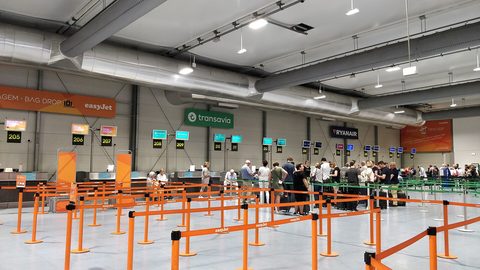 Portugal Visa Requirements for Tourists and Remote Workers
Portugal is in the Schengen Area. Most tourists get 90 days visa-free, but remote workers and long-stayers have specific visa paths to follow.
Portugal Visa Requirements for Tourists and Remote Workers
Portugal is in the Schengen Area. Most tourists get 90 days visa-free, but remote workers and long-stayers have specific visa paths to follow.
-
 Money in Portugal, Euros, Cards and Where Cash Still Rules
Portugal uses the euro. Cards work in most urban places, but small tascas, rural cafés, and public toilets still demand coins.
Money in Portugal, Euros, Cards and Where Cash Still Rules
Portugal uses the euro. Cards work in most urban places, but small tascas, rural cafés, and public toilets still demand coins.
-
 What a trip to Portugal actually costs and how the money flows
Understand Portugal's cost structure—seasonal price swings, the north-south gradient, dining traps, and toll-road costs—so you can budget without surprises.
What a trip to Portugal actually costs and how the money flows
Understand Portugal's cost structure—seasonal price swings, the north-south gradient, dining traps, and toll-road costs—so you can budget without surprises.
-
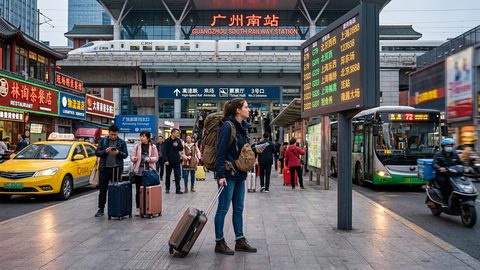 A Ground-Level Logistics Guide to Independent Travel in China
First-time independent travel in China: what you need to know about visas, rail booking, eSIMs, mobile payments, and power adapters.
A Ground-Level Logistics Guide to Independent Travel in China
First-time independent travel in China: what you need to know about visas, rail booking, eSIMs, mobile payments, and power adapters.
-
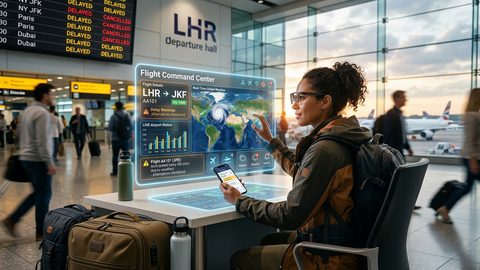 How Solo Travelers Stay Ahead of Flight Delays and Cancellations
How solo travelers can track inbound aircraft, claim rebooking rights, and adjust ground transport when flights go wrong — step by step.
How Solo Travelers Stay Ahead of Flight Delays and Cancellations
How solo travelers can track inbound aircraft, claim rebooking rights, and adjust ground transport when flights go wrong — step by step.
-
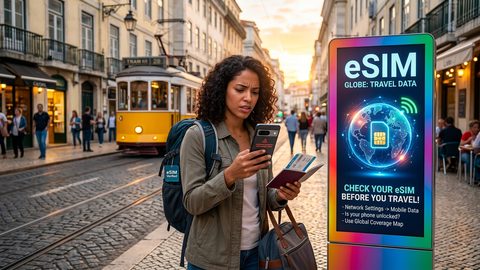 Why Your eSIM Might Not Work Abroad and How to Check Before You Go
Buying an eSIM doesn't guarantee signal abroad. Learn why coverage fails by location and how to verify reach before you commit to a plan.
Why Your eSIM Might Not Work Abroad and How to Check Before You Go
Buying an eSIM doesn't guarantee signal abroad. Learn why coverage fails by location and how to verify reach before you commit to a plan.