What Each Iranian Season Does to Your Trip
March to May is peak season in Iran, but Nowruz brings triple prices and sold-out hotels. Autumn is the best shoulder window for fewer crowds.
What Each Iranian Season Does to Your Trip
Shiraz in late March: you are eating dizi in a courtyard garden while outside the Nasir al-Mulk Mosque the 8 AM stained glass throws magenta across a hundred tourists. Every hotel in Iran is full. Every VIP bus is sold out. Prices have tripled. That is Nowruz, Persian New Year, and it is the single most crowded moment of the year. The real question is whether you want that energy or whether you want an empty Kaluts at sunrise with a windchill of 5°C. The best time to visit Iran depends entirely on which of those sounds better. The calendar breaks cleanly into four seasons, each with a different effect on crowds, prices, and whether you can get into the UNESCO sites without queueing.
Iran Weather by Season: Four Distinct Climates in One Country
Iran is a high-altitude plateau that spans 25°N to 40°N latitude and an elevation range from minus 28 metres at the Caspian shore to 5,671 metres on Mount Damavand. That geography gives you five climate zones. A traveller crossing from the Persian Gulf coast to the Alborz highlands in June will experience a 20°C temperature swing. The arid interior, where the classic Tehran, Shiraz, Yazd, Isfahan loop sits, is continental. The Caspian littoral is humid subtropical. The Persian Gulf coast is hot semi-arid with oppressive summer humidity. The highlands of the Alborz and Zagros mountains are cold alpine. Plan around which zone you are visiting and when.

March to May: Peak Season and the Nowruz Surge
The two weeks around Nowruz, which falls on the spring equinox around March 20-21, is the single biggest travel event in Iran. Domestic travel surges as the entire country takes its main holiday. Hotels in Shiraz, Isfahan, and Yazd book solid months in advance. Prices on VIP overnight buses triple. Tehran empties and the road from Tehran to the Caspian coast turns into a 5-hour traffic jam. To see Persepolis without shoulder-to-shoulder crowds, avoid these two weeks entirely unless you have pre-booked every bed and every bus ticket by early February.
Shoulder Periods Around Peak Season
The weeks immediately before and after Nowruz are a sweet spot. Late February to early March: cities across the arid interior are cold but sunny, crowds are thin, and you can get a courtyard room in a Kashan restored merchant house for a fraction of the Nowruz rate. Late May to early June: the interior is heating up but still manageable, the Caspian region is green before the humidity peaks, and the highlands are at their greenest. The shoulder periods offer good weather without the Nowruz price surge.
Iran Summer Heat: June to August on the Central Plateau and Gulf Coast
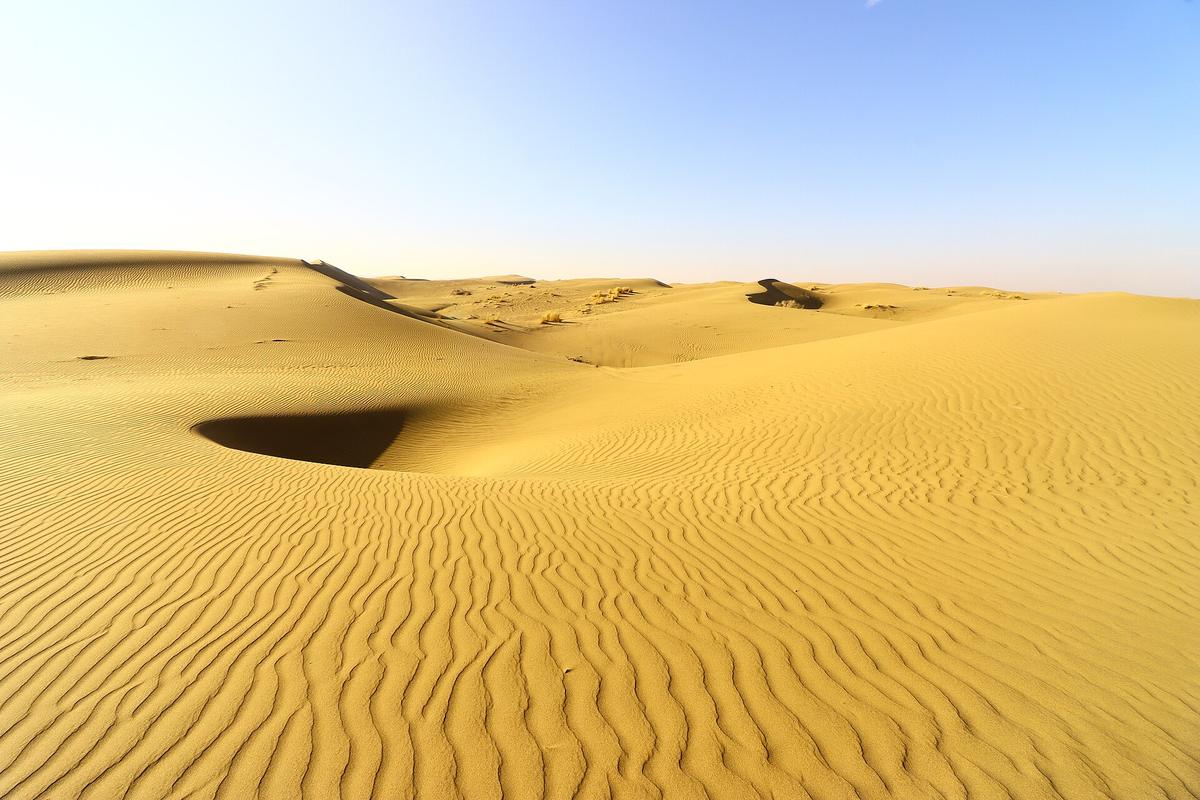
Summer in the desert cities is punishing. Yazd and the Kaluts regularly exceed 38°C during the day. Shiraz is slightly cooler at 35°C. The Persian Gulf coast, including Qeshm Island and Bandar Abbas, pushes past 45°C with oppressive humidity. This is the lowest tourist season for those areas. If you are trekking in the Alborz highlands, though, June to September is the ideal season. Tabriz and Ardabil in the northwest sit at higher elevation and stay mild. The Caspian coast becomes crowded with Tehranis escaping the capital; Rasht and Sari see peak domestic tourism.
What to Do in Summer
Skip the desert loop and head north. The Alborz foothills and the Zagros mountains offer trekking trails above 2,000 metres where temperatures stay in the 20s. Dizin and Shemshak ski resorts are closed in summer, but the valleys are green and uncrowded. If you must visit the interior in July, start your day at 6 AM, rest in an air-conditioned hotel or museum through midday, and resume late afternoon. The Kaluts are best at dawn, not noon.
Iran Shoulder Season: September to November
September to November is the second peak season for the interior. By late September, Yazd drops to a tolerable 30°C daytime high and nights are cool enough to sleep. Isfahan is perfect for walking through Naqsh-e Jahan Square without sweating through your headscarf. The Caspian humidity eases. The Persian Gulf coast, unvisitable in July, becomes pleasant through November. Dust storms that peak from May to August in the southeast diminish.
Shoulder Period Summer-to-Autumn
Late September to early October is the ideal window for interior sites without the oversized crowds of March and May. Hotels are not fully booked. Buy a VIP bus seat the day before. The daylight hours are long but not scorching. The highlands are cool and dry before winter snow closes the mountain passes in November.
Iran Winter Travel: December to February
Winter on the interior is cold, especially at night. Tehran, Isfahan, and Shiraz see sub-zero nights and occasional snow. The daytime sun is bright and the sky is clear, but the temperature inversion that settles over Tehran from December to February produces the worst air pollution of the year. If you have asthma or respiratory issues, avoid Tehran in January. The highlands and northwest are very cold with heavy snow. The ski season in the Alborz resorts runs December to April, with the best snow from January to March. Dizin is a 90-minute drive from Tehran; check the resort website for current lift-pass prices before you go.
Winter Is the Best Season for the Persian Gulf Coast
While the north freezes, the Persian Gulf coast is in its prime. Bandar Abbas, Qeshm Island, and Kish Island have daytime temperatures around 20-25°C. The ferry to Qeshm runs reliably. The Mangrove forests and the Stars Valley are comfortable to explore. This is the window for the southern islands, and domestic tourists know it: Qeshm's resorts fill over the Persian New Year holiday in March, but December and January are quiet and pleasant.
The Ramadan Caveat: a Shifting Avoid Window
Ramadan follows the lunar calendar and shifts roughly 10-11 days earlier each Gregorian year. During the fasting month, eating and drinking in public during daylight is prohibited. Many restaurants in non-tourist areas close until sunset. The main UNESCO sites may open later and close earlier than the published hours. The effect on travel is significant: you cannot buy street food in the afternoon, Snapp taxi drivers may be irritable from fasting, and the general pace of life slows. If you are on a tight schedule of site visits, avoid Ramadan unless you are comfortable planning your meals strictly after dusk. The exact dates change annually; check with the Iranian Cultural Heritage Organisation for the current year's calendar before booking.
.jpg)
Nowruz Travel Iran: What it Costs and How to Survive it
Nowruz is the Persian New Year, a 13-day holiday starting on March 20-21. The domestic travel surge during these two weeks is the biggest in Iran. Intercity roads from Tehran to the Caspian coast are congested for hours. A hotel room that costs a set rate in February will triple in late March. The VIP bus from Tehran to Shiraz sells out a week in advance. If you have not booked every night of accommodation and every long-distance bus by February 1, do not attempt this window.
If You Must Travel During Nowruz
Book a domestic flight instead of the bus. Airline seats on Mahan Air or Iran Airtour from Tehran to Shiraz double during Nowruz but at least you are not stuck in road traffic for 10 hours. Stay in north Tehran, which is less crowded than the districts farther south. Avoid the Caspian coast entirely: the Tehran-Rasht road becomes a parking lot. Plan your visits to Persepolis and Naqsh-e Rostam for early morning, before 9 AM, to beat the tour groups.
| Season | Crowds | Hotel Price Index | Best For | Avoid |
|---|---|---|---|---|
| Mar-May (Peak) | High (extreme during Nowruz) | Triple during Nowruz | Mild weather, greenery | Nowruz weeks if unbooked |
| Jun-Aug (Summer) | Low on interior; high on Caspian coast | Low on interior; high on Caspian | Alborz trekking | Persian Gulf coast, desert cities |
| Sep-Nov (Shoulder) | Moderate | Moderate | Interior, southern islands | Late Nov for highlands |
| Dec-Feb (Winter) | Low on interior; high on Gulf coast | Low on interior; moderate on Gulf coast | Persian Gulf coast, skiing | Tehran air pollution, highland snow |
One More Thing That Goes Wrong
The single most common mistake visitors make is underestimating the scale of Iran and trying to cover Tehran, the Caspian coast, the southern islands, and the Kurdish region in one two-week trip. The shortest viable loop that covers the classic circuit, Tehran, Shiraz, Yazd, Isfahan, requires 14 days minimum. Even that forces you to use overnight VIP buses and domestic flights. Add the Kaluts near Kerman or Qeshm Island and you need 18 days. The failure case is spending half your holiday on an overnight bus with a cold dizi reheated from a van. Budget your time tighter than you think you need to, and skip the Caspian coast and the west on a first trip. Iran is not a place for a quick hit. It is a place for intrepid cultural travellers who prioritise Persian history and architecture over nightlife, and who are ready for the mandatory hijab, squat toilets, and a cash-only economy where no international credit card works. For party-seekers, Israeli passport holders, or anyone unwilling to adapt to a strictly enforced dress code, it is the wrong destination.
Common Questions
What is the absolute best month to visit Iran for comfortable weather and few crowds?
Late September through mid October. The cities of Isfahan, Shiraz, and Yazd are warm but not hot, the Caspian humidity has dropped, and the Persian Gulf coast is beginning its pleasant season. Nowruz crowds are long past and the winter pollution has not started.
Can I visit Iran during Ramadan as a tourist?
Yes, but it is logistically harder. You cannot eat or drink in public from dawn until sunset. Many restaurants in smaller cities close until iftar. Some museums and sites adjust their hours. Alcohol is already illegal in Iran, so the main change is the daytime eating restriction. Budget for dinner opening times around 7-8 PM and carry a water bottle in your bag for private consumption.
Is it true that hotels triple their prices during Nowruz?
Yes, especially in Shiraz, Isfahan, Yazd, and Kashan. A room that costs a set rate in February can triple during the two weeks around March 20-21. The same applies to intercity bus and flight tickets. If you have not booked by early February, you will pay the inflated rate or find nothing available.
How bad is the summer heat in Yazd and the Kaluts?
Yazd regularly exceeds 38°C in June through August, and the Kaluts can hit 42°C with no shade. The only way to visit is to start at dawn, finish by 10 AM, and shelter in air conditioning until late afternoon. The Persian Gulf coast is worse: Bandar Abbas pushes past 45°C with humidity that makes it dangerous to walk outside for more than 30 minutes.
Is winter a good time to visit Tehran?
Only if you are prepared for poor air quality. Tehran experiences temperature inversions from December to February that trap pollution, producing some of the worst air in the world. The upside is that the ski resorts of Dizin, Shemshak, and Tochal are open an hour away. For the city itself, spring and autumn are much better.
Read next
-
 Staying Connected in Iran Without Expensive Roaming
Why a physical Irancell or Hamrah-e Aval SIM registered with your passport is the only real data option in Iran, and why your VPN must be installed before landing.
Staying Connected in Iran Without Expensive Roaming
Why a physical Irancell or Hamrah-e Aval SIM registered with your passport is the only real data option in Iran, and why your VPN must be installed before landing.
-
 Getting Around Iran by VIP Bus Train and Snapp Taxi
Iran's VIP overnight buses connect major cities, but terminals sit far from centres, and you need cash plus a Snapp taxi to make the system work.
Getting Around Iran by VIP Bus Train and Snapp Taxi
Iran's VIP overnight buses connect major cities, but terminals sit far from centres, and you need cash plus a Snapp taxi to make the system work.
-
 Iran Visa Rules for British American and Canadian Passport Holders
Iran visa rules vary sharply by nationality. US, UK, and Canadian citizens need an authorised guide, while many others can get visa-on-arrival at IKA.
Iran Visa Rules for British American and Canadian Passport Holders
Iran visa rules vary sharply by nationality. US, UK, and Canadian citizens need an authorised guide, while many others can get visa-on-arrival at IKA.
-
 How to Pay for Things in Iran Without International Cards
No international cards work in Iran. You must carry pristine US dollars or euros and exchange them at licensed shops for Iranian rials.
How to Pay for Things in Iran Without International Cards
No international cards work in Iran. You must carry pristine US dollars or euros and exchange them at licensed shops for Iranian rials.
-
 Is Iran Safe to Visit as an Independent Traveller
Iran's streets are generally safe and welcoming, but photography restrictions, dress code enforcement, and geopolitical warnings shape the reality.
Is Iran Safe to Visit as an Independent Traveller
Iran's streets are generally safe and welcoming, but photography restrictions, dress code enforcement, and geopolitical warnings shape the reality.
-
 How Much Money to Bring for an Iran Trip in Cash
How to calculate the cash you must carry for Iran, where no international cards work and every rial is exchanged from pristine dollars or euros.
How Much Money to Bring for an Iran Trip in Cash
How to calculate the cash you must carry for Iran, where no international cards work and every rial is exchanged from pristine dollars or euros.
-
 A Ground-Level Logistics Guide to Independent Travel in China
First-time independent travel in China: what you need to know about visas, rail booking, eSIMs, mobile payments, and power adapters.
A Ground-Level Logistics Guide to Independent Travel in China
First-time independent travel in China: what you need to know about visas, rail booking, eSIMs, mobile payments, and power adapters.
-
 How Solo Travelers Stay Ahead of Flight Delays and Cancellations
How solo travelers can track inbound aircraft, claim rebooking rights, and adjust ground transport when flights go wrong — step by step.
How Solo Travelers Stay Ahead of Flight Delays and Cancellations
How solo travelers can track inbound aircraft, claim rebooking rights, and adjust ground transport when flights go wrong — step by step.
-
 Why Your eSIM Might Not Work Abroad and How to Check Before You Go
Buying an eSIM doesn't guarantee signal abroad. Learn why coverage fails by location and how to verify reach before you commit to a plan.
Why Your eSIM Might Not Work Abroad and How to Check Before You Go
Buying an eSIM doesn't guarantee signal abroad. Learn why coverage fails by location and how to verify reach before you commit to a plan.