Planning Your Iran Travel Budget for an Affordable Journey
How to calculate the cash you must carry for Iran, where no international cards work and every rial is exchanged from pristine dollars or euros.
The Real Cost of Travel in Iran
You do not budget for Iran by the day. You budget by the cash stack you can carry. No international Visa, Mastercard, or Amex works anywhere in the country. You land with a fixed pile of pristine US dollars or euros, and that pile is your entire financial capacity for the trip. An Iran travel budget is not a daily limit you adjust as you go. It is a lump sum you decide before you leave home, because once you are inside Iran you cannot top it up.
Here is how to calculate that lump sum for a 14-day trip on the classic central loop: what you must carry, in what denominations, and where every category of cost lands. Exchange rates and visa fees shift, but the shape of the budget does not.
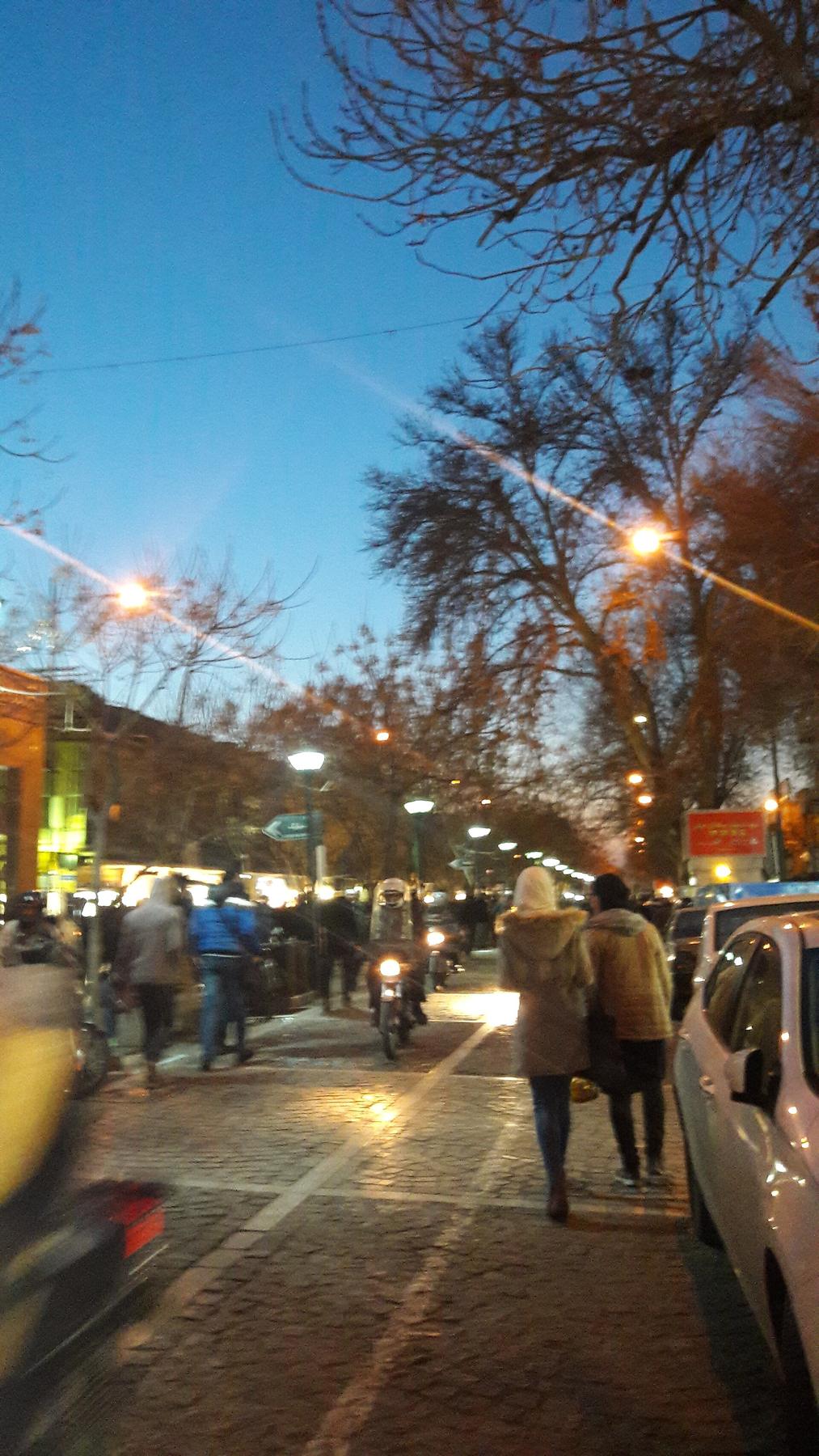

Iran Daily Costs Cash: How the Cash Only Rule Reshapes Your Budget
Cash in Iran means physical banknotes in the local currency, converted from dollars or euros at a licensed shop. You cannot withdraw from an ATM with a foreign card. You cannot transfer money. You cannot buy a bus ticket online with a foreign card. Every single transaction from the moment you step out of Imam Khomeini International Airport to the moment you re-enter for your flight home requires notes in your pocket.
The first cost is the conversion itself. Licensed exchange shops in central Tehran, Isfahan, and Shiraz offer rates close to the open market rate rather than the official government rate. The open market rate is the one you want. Check the rate on a reliable Iranian source like Bonbast.com before you travel, but treat the number as a guide. The physical conversion happens when you arrive.
Never convert at the airport. The rates there are far worse than a shop in central Tehran. Take a Snapp taxi to your hotel and convert the next morning.
Cash management matters more here than in any other destination. Break your dollars into denominations: larger notes get the best rate, but you need smaller bills for day-to-day spending. Keep your main stack in your hotel safe and carry only what you need for that day. A money belt under clothing is not paranoid. It is standard practice.
Iran Rial Exchange Rate: How to Understand the Two Currency System
Iran uses the Iranian rial as its official currency, but every shopkeeper, taxi driver, and hotel receptionist quotes prices in toman. One toman equals 10 rials. When someone says a bus ticket costs 500,000 tomans, they mean 5,000,000 rials. This is the single most common point of confusion for new arrivals. Always clarify which unit the price is in before you hand over cash.
The dual-rate system adds another layer. The official government rate is roughly four times worse than the open market rate. You as a traveller access only the open market rate. That rate fluctuates daily. Check the day before you fly.
Carry your dollars in pristine condition. Torn, folded, stamped, or marked notes are rejected by exchange shops. A crease across the face of a bill can make it unchangeable. Keep each note flat inside a book or a dedicated cash sleeve. Euros work exactly the same way. Do not carry any other currency. Pounds, Australian dollars, and Canadian dollars are harder to convert outside major cities.
Iran Trip Cost 14 Days: the Classic Tehran Shiraz Yazd Isfahan Loop
Fourteen days is the minimum time to cover the classic central loop without spending every other night on an overnight bus. The route runs Tehran (2 nights), Shiraz (3 nights including a day trip to Persepolis), Yazd (2 nights), Isfahan (3 nights), and back to Tehran (2 nights). The remaining two nights absorb travel days.
Accommodation Costs
A private room in a traditional guesthouse or a mid-range restored courtyard hotel costs between $35 and $60 per night in low season. These are rates set by the properties themselves and change with demand. During Nowruz, prices triple and hotels in Shiraz, Isfahan, and Yazd book solid weeks in advance. If you travel during the two-week Persian New Year window around March 20-21, you must pre-book every single bed and prepay via a local agency. You cannot show up and find a room. Budget travellers who use mosaferkhaneh pay as little as $15 per night for a dorm bed, but those beds also sell out during Nowruz.
Transport Costs
The dominant cost line item for independent travellers is domestic transport, because the distances between Iranian cities are large. Tehran to Shiraz is 900 kilometres. Shiraz to Yazd, Yazd to Isfahan, and Isfahan back to Tehran are long hauls that eat a full morning or night each.
A VIP overnight bus is the standard option. These buses have wide reclining seats, air conditioning, and a snack service. A single ticket costs about $5 to $10, set by the bus companies and paid in rials at the terminal. The friction is that bus terminals sit on the edge of each city, so you add a Snapp taxi ride at both ends.
Domestic flights cut travel time from eight hours to 90 minutes but cost more when booked through a local agency. Short-notice domestic flights are expensive and sell out before the travel date. If you want to fly, book at least two weeks ahead through an Iranian travel agency that can process payment outside the banking system.
Shared taxis, called savari, operate on fixed routes and cost about double a bus ticket. They are faster because they leave when full and stop less.
Food And Entry Fees
A meal at a canteen-style eatery costs $2 to $4. A sit-down meal at a traditional teahouse restaurant costs $6 to $10. Street food like fresh flatbread, kebabs, or falafel is cheaper and excellent. Budget about $15 per day for food if you eat locally. Mid-range adds another $10 per day for nicer dinners.
Entry fees to major historical sites for foreign tourists are several times the local rate but still low in absolute terms. Persepolis costs about $8. Naqsh-e Jahan Square mosques cost about $5 each. Golestan Palace costs about $6. Set aside $50 total for all the major landmarks on the classic loop. These fees are set by the national heritage authority and paid in rials at each site entrance.
Total Cash Stack For 14 Days
A mid-range traveller who uses VIP buses and restored courtyard hotels needs a cash stack in the range of $900 to $1,100 for 14 days. That includes accommodation averaging $40 per night, transport costs for buses and taxis, food at $20 per day, entry fees at $50, and a buffer for souvenirs, the pre-arranged airport transfer, and an emergency. A budget traveller on dorm beds and street food needs a smaller stack, roughly $500 to $650.
Carry extra small bills for the visa-on-arrival fee if your nationality qualifies. The fee varies by nationality and is payable in euros or dollars. US, UK, and Canadian passport holders cannot use visa on arrival and must apply in advance through official channels. Check the current fee on your embassy's website before you pack your cash.
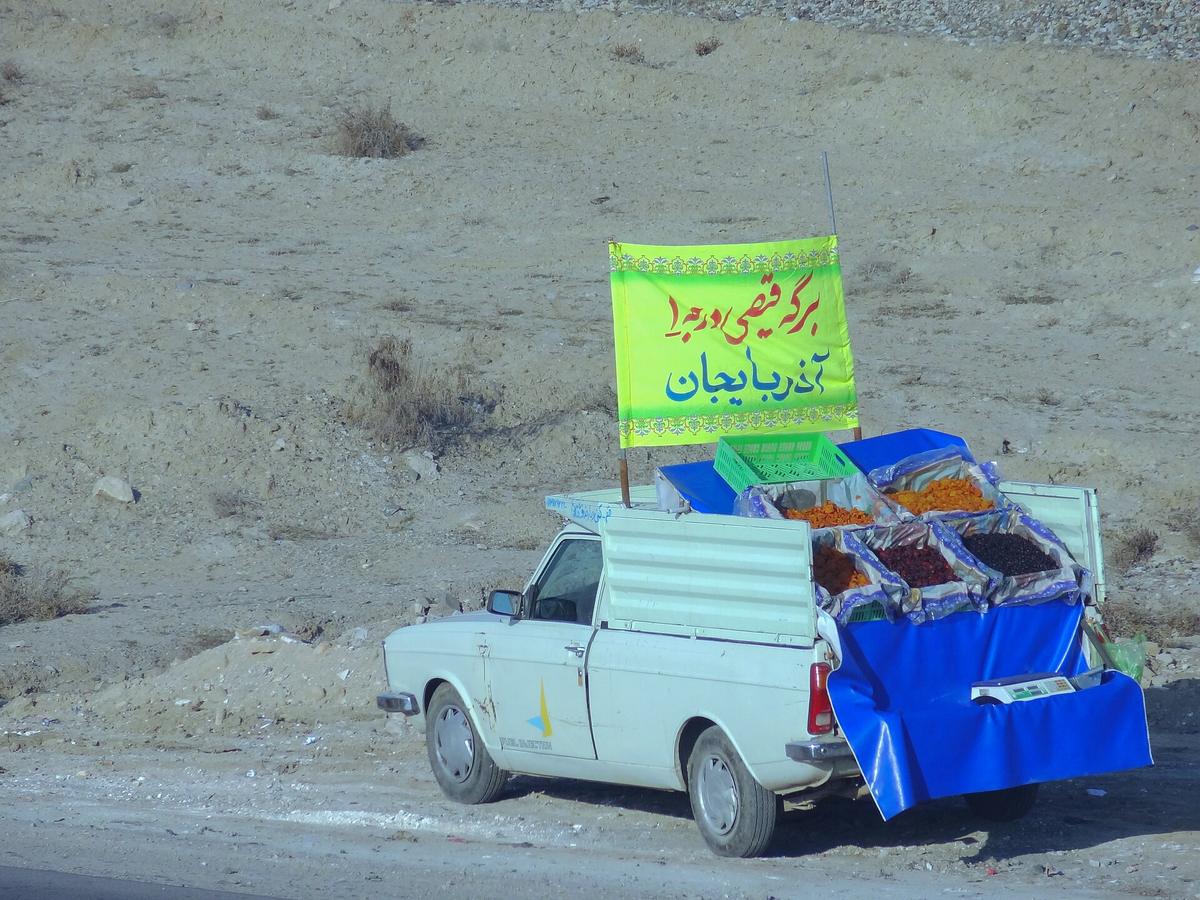

Iran Cash Only Travel: Where the Money Actually Goes and What Goes Wrong
The cash-only rule dictates every financial decision. Here is where the money leaves your wallet and what commonly fails.
The Airport Transfer
A pre-arranged private transfer from Imam Khomeini International Airport to central Tehran takes 45 to 75 minutes depending on traffic. You pay the driver in rials at the destination. Have exact change. The driver will not break a large bill.
Licensed Exchange Shops
Convert your dollars only at licensed shops. They issue a receipt and give you a rate close to the market. Unlicensed street exchangers offer slightly better rates but also risk counterfeit notes and theft. In Tehran, the cluster of shops on Ferdowsi Avenue is reliable. In Isfahan, the shops near Naqsh-e Jahan Square work. Never convert anywhere that does not provide a written receipt.
Pre-Booked Hotels During Nowruz
If you travel during Nowruz, pay the hotel deposit via a local agency before you leave home. International platforms like Booking.com and Airbnb are blocked or non-functional inside Iran. The only way to secure a room in Shiraz or Isfahan during the holiday is to wire money to an Iranian agency or have a contact inside the country transfer the sum. Hotels that accept prepayment from abroad take payment in dollars via the agency, not through a card terminal. If you arrive without a booking during Nowruz, you will sleep in the bus terminal.
Domestic Flights At Short Notice
The failure case: you decide in Yazd that you cannot face an eight-hour overnight bus back to Tehran and try to book a flight the next morning. The ticket will cost far more than one booked in advance and may not exist if seats sold out days ago. The safer plan is to book all internal flights before you depart. A good Iranian travel agency can reserve and bill you via bank transfer. You collect the paper ticket when you arrive.
Single Supplements And Imported Goods
Solo travellers pay a single supplement on guided tours that can double the package price. Imported goods like sunscreen, insect repellent, and electronics accessories cost several times the price at home. Bring a full supply of anything you cannot replace cheaply.
Common Questions
How much cash should I carry for 14 days in Iran?
A mid-range independent traveller using VIP buses and restored courtyard hotels needs $900 to $1,100 in cash, converted from pristine US dollars or euros. A budget traveller using dorm beds and street food needs $500 to $650. Add extra for the visa-on-arrival fee if your nationality qualifies.
Can I use my credit card anywhere in Iran?
No. International Visa, Mastercard, and Amex are not accepted anywhere in Iran. You must carry all funds in pristine US dollars or euros and convert them at licensed shops. Tourist debit cards pre-loaded with foreign currency are available through some tour operators, but this is not a reliable solution for independent travellers.
What denomination of dollars should I bring?
Bring larger notes for the best conversion rate. Also carry small bills for day-to-day spending and the airport transfer. All notes must be pristine: no folds, stamps, tears, or marks. Rejected notes cannot be converted.
Do I convert money at the airport or in the city?
Convert in the city, never at Imam Khomeini International Airport. Airport rates are far worse. Take a Snapp taxi to your hotel and convert at a licensed shop the next morning. The cluster of shops on Ferdowsi Avenue in Tehran is reliable.
What happens if I run out of cash in Iran?
You cannot access more money. No international bank transfer, no Western Union payout, no ATM withdrawal works. If you run out, you must find another traveller willing to convert currency or cut your trip short. Carry an emergency buffer in small bills.
Read next
-
 Staying Connected in Iran Without Expensive Roaming
Why a physical Irancell or Hamrah-e Aval SIM registered with your passport is the only real data option in Iran, and why your VPN must be installed before landing.
Staying Connected in Iran Without Expensive Roaming
Why a physical Irancell or Hamrah-e Aval SIM registered with your passport is the only real data option in Iran, and why your VPN must be installed before landing.
-
 Best Time to Visit Iran for Persian Sites and Desert Cities
March to May is peak season in Iran, but Nowruz brings triple prices and sold-out hotels. Autumn is the best shoulder window for fewer crowds.
Best Time to Visit Iran for Persian Sites and Desert Cities
March to May is peak season in Iran, but Nowruz brings triple prices and sold-out hotels. Autumn is the best shoulder window for fewer crowds.
-
 Getting Around Iran by VIP Bus Train and Snapp Taxi
Iran's VIP overnight buses connect major cities, but terminals sit far from centres, and you need cash plus a Snapp taxi to make the system work.
Getting Around Iran by VIP Bus Train and Snapp Taxi
Iran's VIP overnight buses connect major cities, but terminals sit far from centres, and you need cash plus a Snapp taxi to make the system work.
-
 Iran Visa Rules for British American and Canadian Passport Holders
Iran visa rules vary sharply by nationality. US, UK, and Canadian citizens need an authorised guide, while many others can get visa-on-arrival at IKA.
Iran Visa Rules for British American and Canadian Passport Holders
Iran visa rules vary sharply by nationality. US, UK, and Canadian citizens need an authorised guide, while many others can get visa-on-arrival at IKA.
-
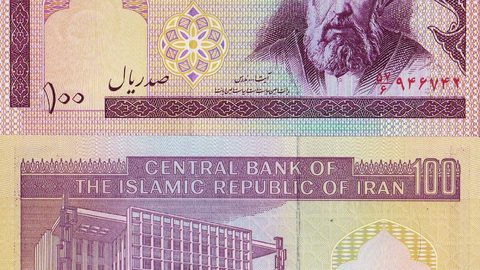 How to Pay for Things in Iran Without International Cards
No international cards work in Iran. You must carry pristine US dollars or euros and exchange them at licensed shops for Iranian rials.
How to Pay for Things in Iran Without International Cards
No international cards work in Iran. You must carry pristine US dollars or euros and exchange them at licensed shops for Iranian rials.
-
 Is Iran Safe to Visit as an Independent Traveller
Iran's streets are generally safe and welcoming, but photography restrictions, dress code enforcement, and geopolitical warnings shape the reality.
Is Iran Safe to Visit as an Independent Traveller
Iran's streets are generally safe and welcoming, but photography restrictions, dress code enforcement, and geopolitical warnings shape the reality.
-
 A Ground-Level Logistics Guide to Independent Travel in China
First-time independent travel in China: what you need to know about visas, rail booking, eSIMs, mobile payments, and power adapters.
A Ground-Level Logistics Guide to Independent Travel in China
First-time independent travel in China: what you need to know about visas, rail booking, eSIMs, mobile payments, and power adapters.
-
 How Solo Travelers Stay Ahead of Flight Delays and Cancellations
How solo travelers can track inbound aircraft, claim rebooking rights, and adjust ground transport when flights go wrong — step by step.
How Solo Travelers Stay Ahead of Flight Delays and Cancellations
How solo travelers can track inbound aircraft, claim rebooking rights, and adjust ground transport when flights go wrong — step by step.
-
 Why Your eSIM Might Not Work Abroad and How to Check Before You Go
Buying an eSIM doesn't guarantee signal abroad. Learn why coverage fails by location and how to verify reach before you commit to a plan.
Why Your eSIM Might Not Work Abroad and How to Check Before You Go
Buying an eSIM doesn't guarantee signal abroad. Learn why coverage fails by location and how to verify reach before you commit to a plan.