Navigating Iran Visa Requirements for British American and Canadian Passports
Iran visa rules vary sharply by nationality. US, UK, and Canadian citizens need an authorised guide, while many others can get visa-on-arrival at IKA.
Who Needs a Visa for Iran and How the Application Actually Works
US, UK, and Canadian passport holders cannot get a visa on arrival in Iran. You must apply through a pre‑approved tour operator or authorised guide who obtains a visa authorisation code for you before travel. Every other nationality should check the full list below, but broadly: if you hold a passport from a Schengen country, Australia, New Zealand, Japan, South Korea, or most of Latin America, you can get a 30‑day visa on arrival at any of Iran's international airports, provided you arrive by air and carry cash in euros or US dollars to pay the fee. The official Ministry of Foreign Affairs portal at evisa.mfa.ir handles both e‑visas and pre‑arranged visa applications. Israeli passport holders are banned from entry; any passport showing an Israeli stamp or a Jordanian land‑border exit stamp from Israel will also be refused at the border.
Who Does Not Need a Visa
Twenty‑six nationalities enter Iran visa‑free for stays ranging from 14 to 90 days. Turkish passport holders get 90 days. Chinese passport holders get 21 days. Russian passport holders get 15 days for individual travel and 15 days for group tours. Egyptian passport holders get 20 days. The full list: Armenia, Azerbaijan, Bolivia, China, Egypt, Georgia, Hong Kong, Iraq (air arrivals only, 30 days), Kazakhstan, Lebanon, Macau, Malaysia, Oman, Qatar, Russia, Saudi Arabia, Serbia, Syria, Tajikistan, Turkey, UAE, Uzbekistan, and Venezuela. If your passport is not on that list, you need some form of visa.


Iran Visa on Arrival: Who Gets It, How it Works
Eligible Nationalities and Entry Points
Visa on arrival at any of thirteen Iranian international airports is available to all nationalities except these nine: Afghanistan, Bangladesh, Canada, Colombia, India, Iraq (land border), Jordan, Pakistan, Somalia, the United Kingdom, and the United States. The airports that issue visa on arrival are Imam Khomeini International Airport in Tehran, Mehrabad Airport (also Tehran), Mashhad, Shiraz, Tabriz, Isfahan, Kish Island, Qeshm Island, Bandar Abbas, Bushehr, Ahvaz, Kerman, Lar, and Urmia.
You must arrive by air. Land borders do not issue visa on arrival for anyone. The maximum stay is 30 days, and you can extend it by up to 60 additional days at a Police Department for Foreign Nationals office inside Iran. Payment is cash only in euros or US dollars; counters do not accept card payments of any kind. Bring one passport‑sized photograph and a photocopy of your passport bio‑data page, though officials may waive these if you provide an online e‑visa pre‑application.
Using the E‑Visa to Cut the Queue
If you are from a visa‑on‑arrival‑eligible country, the fastest route is to submit an e‑visa application at evisa.mfa.ir two to ten working days before travel. That gives you a 90‑day window to use the visa and the same 30‑day maximum stay, and it reduces your wait time at the airport visa counter from an hour or more to roughly ten minutes.
| Nationality | Visa on Arrival | E Visa | Pre Arranged Visa Required | Tour Required |
|---|---|---|---|---|
| Schengen, Australia, NZ, Japan, South Korea, most Latin America | Yes, at 13 airports | Yes, recommended | No | No |
| United Kingdom, United States, Canada | No | No | Yes | Yes, mandatory escorted tour or government approved itinerary |
| Afghanistan, Bangladesh, Colombia, India, Jordan, Pakistan, Somalia | No | No | Yes | No |
| Israeli passport holders | No | No | No, entry prohibited | No |
Iran Visa for UK Citizens
British passport holders require a pre‑arranged visa. You cannot get a visa on arrival under any circumstances. The process starts with an authorised tour operator or a licensed travel agency in Iran that applies for a visa authorisation code on your behalf. This code is a nine‑digit reference number that the Ministry of Foreign Affairs issues to the tour operator; you then use that number to submit your e‑visa application at evisa.mfa.ir. Without the code, the e‑visa portal will not let you proceed.
The authorisation code takes three to seven working days to process. Once you have it and you receive the e‑visa approval, print that document and carry it with your passport. On arrival at any Iranian airport, you present the visa grant notice and the immigration officer issues the visa sticker into your passport. The UK Foreign and Commonwealth Office publishes travel advice on its site; check it before you book anything, as the advice level can affect whether your travel insurance remains valid. Passport validity must be at least six months beyond your intended departure date from Iran.
Iran Visa for US Citizens
American passport holders face the most restrictive process. You need a pre‑arranged visa, and that visa is only issued when you book through an authorised tour operator who arranges a mandatory guided tour or a government‑approved itinerary for your entire stay. Independent travel on a US passport is not permitted. The tour operator applies for the visa authorisation code, you receive the code, and you complete the e‑visa form at evisa.mfa.ir. The code for US citizens takes longer than for UK or Canadian applicants, occasionally up to two weeks.
Carry a printed copy of the e‑visa grant notice and the tour confirmation. On arrival, immigration will verify both. The US Department of State publishes its own travel advisory; review it before booking because insurance providers use that advisory to determine coverage. The same six‑month passport validity requirement applies. Dual nationals who also hold an Iranian passport must enter and exit Iran using the Iranian passport only.
Iran Visa for Canadian Citizens
Canadian passport holders follow the same route as UK citizens: no visa on arrival, a pre‑arranged visa obtained through an authorised tour operator, and a visa authorisation code required before you can submit an e‑visa application. The difference is that Canada is explicitly listed alongside the US and UK as a nationality with an additional clearance requirement. That means your tour operator must confirm your itinerary with the Ministry of Foreign Affairs before the code is issued, which can add a few days to the processing time compared to other pre‑arranged nationalities.
Global Affairs Canada issues travel advisories for Iran. Most travel insurance policies for Canadian travellers to Iran will only remain valid if your government's advisory level is not 'avoid all travel'. Confirm that before you pay for the tour. As with US and UK citizens, passport validity must be six months beyond your departure date.
Iran Visa Authorisation Code: What it is and How to Get One
A visa authorisation code is a nine‑digit reference number issued by the Iranian Ministry of Foreign Affairs to a registered tour operator or travel agency. The operator submits your passport details, intended travel dates, and planned itinerary to the ministry. Once approved, the operator gives you the code. You then go to evisa.mfa.ir, fill in the visa application form, and enter the code in the required field. The system matches your application to the operator's submission and processes your e‑visa within two to ten working days.
You cannot get this code on your own as an individual. Only licensed Iranian agencies can request it. If you are a US, UK, or Canadian passport holder, the code is mandatory and you cannot enter Iran without it. For the other nationalities that require a pre‑arranged visa, the same system applies. The code costs nothing separately but the tour operator will include it in the price of your tour or visa processing fee.
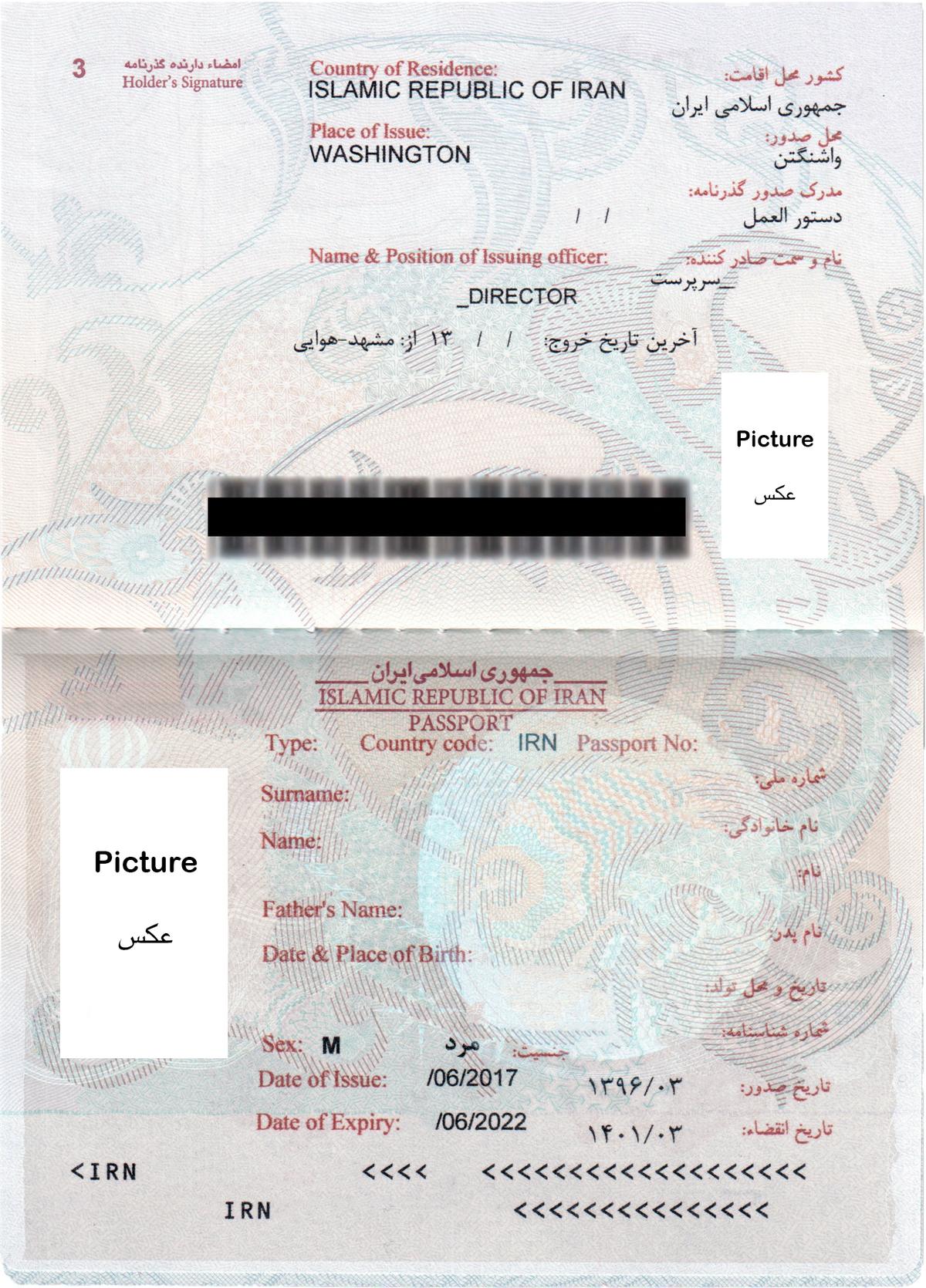

Iran Tourist Visa Process: Step by Step for All Nationalities
Visa‑Free and Visa‑on‑Arrival Routes
Step 1: Check your nationality against the visa‑free list. If you hold a Turkish, Chinese, Russian, or one of the other 22 visa‑free passports, pack your bag and skip the rest of this process. Your stay is limited to the days listed above.
Step 2: If you are from a visa‑on‑arrival‑eligible country, decide between airport visa and e‑visa. Both options exist. The e‑visa at evisa.mfa.ir costs the same as the airport visa but saves you the queue. Submit the e‑visa application 2 to 10 working days before travel. If you choose the airport visa, bring exactly one passport photo, a photocopy of your passport bio‑data page, and cash in euros or US dollars. Small bills preferred. The visa counter at Imam Khomeini Airport takes 30 minutes to two hours depending on how many flights arrived at the same time.
Restricted Nationalities and Final Steps
Step 3: If you hold a US, UK, or Canadian passport, contact a licensed tour operator in Iran. Do not book flights until the tour operator confirms they can obtain your visa authorisation code. Some operators require you to book the full tour before they apply for the code. Read the cancellation policy. Once you receive the code, apply on evisa.mfa.ir and wait for the approval email.
Step 4: For all nationalities except visa‑free ones, print the visa grant notice and carry it with your passport. Immigration at the airport will ask to see it. Women should prepare for the mandatory hijab from the moment of landing, covering head, arms, and legs. Bring a scarf in your carry‑on, not in checked luggage.
Step 5: Carry proof of onward travel. Immigration may request a flight out of Iran. If you are leaving overland, carry a letter from your tour operator or a bus ticket confirmation. Travel insurance may also be requested; buy a policy that explicitly covers Iran, as standard policies often exclude it.
Israeli Passport Ban and Travel History Restrictions
Israeli passport holders are prohibited from entering Iran. The ban extends to any passport that shows an Israeli visa stamp, an Israeli border entry or exit stamp, or a Jordanian land‑border exit stamp that indicates travel from Israel via the Allenby Bridge or the Jordan River crossing. If your passport has any of these marks, you will be refused entry at the border regardless of your nationality. The only way around it is to apply for a new passport that carries no evidence of Israeli travel. Dual nationals of Israel and another country who use the second passport still cannot enter if the passport shows Israeli travel history.
For non‑Israeli nationals, any travel history to Israel also poses a risk. Iran visa refusal grounds include previous Israeli travel. If you have been to Israel, apply for the e‑visa or pre‑arranged visa well in advance and expect additional scrutiny. A visa refusal on this ground is final; there is no appeal process at the border.
Common Failure Points and How to Avoid Them
Documents and Currency
Passport validity. You need six months of validity beyond your intended departure date from Iran. If your passport expires six months and one day after you plan to leave, you are fine. If it expires in five months, you will be refused boarding by the airline.
Currency declaration. Cash amounts over 10,000 USD or equivalent must be declared on a written customs form at entry. Failing to declare it risks confiscation at departure when you leave with more cash than you entered with. Licensed exchange shops in every major city change US dollars and euros to Iranian rials at the market rate. International credit cards do not work anywhere in Iran.
Prohibited Items and Professions
Alcohol. Importing alcohol is prohibited. Customs searches bags at Imam Khomeini Airport. Bottles are confiscated and you may be fined or denied entry.
Journalists and media professionals. If your passport shows your profession as journalist, photographer, or any media‑related field, you must obtain prior clearance from the Ministry of Culture and Islamic Guidance before applying for a visa. Without that clearance, your visa will be refused. Apply through the Iranian embassy in your home country, not through a tour operator.
Who This Visa Process Suits and Who Should Skip Iran
The visa process for Iran suits intrepid cultural travellers who prioritise Persian history and architecture over ease of entry. If you are a solo woman prepared for the mandatory hijab and separate social protocols in public spaces, the extra paperwork is worth it for uncrowded UNESCO sites and a deep sense of being far from the well‑trodden tourist trail. Overland travellers connecting South Asia to Europe should budget for the visa lead time of two to three weeks for restricted nationalities. Photographers seeking the empty monumental desert cities of Yazd and the Kaluts will find that the tour requirement for US, UK, and Canadian passport holders is the main friction but does not ruin the trip.
Skip Iran if you hold an Israeli passport, which is banned outright. Skip it if you are unwilling to adapt to the strictly enforced dress code and the complete absence of international credit card networks. Party seekers who want alcohol or nightclubs should skip Iran entirely: alcohol is illegal and there is no nightlife scene. The single thing that most often goes wrong is a US, UK, or Canadian traveller booking flights before securing a tour operator who confirms they can obtain the visa authorisation code, then losing the flight cost when the code is delayed or denied.
Common Questions
Can I get an Iran visa on arrival as a US citizen?
No. US passport holders cannot receive a visa on arrival under any circumstances. You must obtain a pre‑arranged visa through an authorised tour operator and travel on a mandatory guided tour or government‑approved itinerary.
How much does the Iran visa on arrival cost?
The fee varies by nationality. Payment is cash only at the airport visa counter. Card payments are not accepted.
How long does the Iran visa authorisation code take?
For UK and Canadian passport holders, three to seven working days is typical. For US passport holders, it can take up to two weeks. The code is issued by the Ministry of Foreign Affairs to your licensed tour operator, who then gives it to you.
Can I enter Iran overland without a visa?
No. Visa on arrival is only available at international airports. Land borders do not issue visa on arrival for any nationality. If you are entering overland from Turkey, Iraq, Pakistan, or any neighbouring country, you must have a visa issued in advance.
What happens if I overstay my Iranian visa?
You pay a daily fine per day of overstay, payable in local currency at the immigration office at the airport before departure. The exact rate changes annually. The Police Department for Foreign Nationals in major cities can process extensions before your visa expires.
Do I need travel insurance for Iran?
Proof of valid travel insurance may be requested at the border. Your policy must explicitly cover Iran. Many standard travel insurance policies exclude Iran due to government sanctions. Check before you buy.
Can dual nationals of Iran enter on a foreign passport?
No. Iranian dual nationals must enter and exit Iran using their Iranian passport. Entering on a foreign passport can result in fines, questioning, or entry refusal.
Read next
-
 Staying Connected in Iran Without Expensive Roaming
Why a physical Irancell or Hamrah-e Aval SIM registered with your passport is the only real data option in Iran, and why your VPN must be installed before landing.
Staying Connected in Iran Without Expensive Roaming
Why a physical Irancell or Hamrah-e Aval SIM registered with your passport is the only real data option in Iran, and why your VPN must be installed before landing.
-
 Best Time to Visit Iran for Persian Sites and Desert Cities
March to May is peak season in Iran, but Nowruz brings triple prices and sold-out hotels. Autumn is the best shoulder window for fewer crowds.
Best Time to Visit Iran for Persian Sites and Desert Cities
March to May is peak season in Iran, but Nowruz brings triple prices and sold-out hotels. Autumn is the best shoulder window for fewer crowds.
-
 Getting Around Iran by VIP Bus Train and Snapp Taxi
Iran's VIP overnight buses connect major cities, but terminals sit far from centres, and you need cash plus a Snapp taxi to make the system work.
Getting Around Iran by VIP Bus Train and Snapp Taxi
Iran's VIP overnight buses connect major cities, but terminals sit far from centres, and you need cash plus a Snapp taxi to make the system work.
-
 How to Pay for Things in Iran Without International Cards
No international cards work in Iran. You must carry pristine US dollars or euros and exchange them at licensed shops for Iranian rials.
How to Pay for Things in Iran Without International Cards
No international cards work in Iran. You must carry pristine US dollars or euros and exchange them at licensed shops for Iranian rials.
-
 Is Iran Safe to Visit as an Independent Traveller
Iran's streets are generally safe and welcoming, but photography restrictions, dress code enforcement, and geopolitical warnings shape the reality.
Is Iran Safe to Visit as an Independent Traveller
Iran's streets are generally safe and welcoming, but photography restrictions, dress code enforcement, and geopolitical warnings shape the reality.
-
 How Much Money to Bring for an Iran Trip in Cash
How to calculate the cash you must carry for Iran, where no international cards work and every rial is exchanged from pristine dollars or euros.
How Much Money to Bring for an Iran Trip in Cash
How to calculate the cash you must carry for Iran, where no international cards work and every rial is exchanged from pristine dollars or euros.
-
 A Ground-Level Logistics Guide to Independent Travel in China
First-time independent travel in China: what you need to know about visas, rail booking, eSIMs, mobile payments, and power adapters.
A Ground-Level Logistics Guide to Independent Travel in China
First-time independent travel in China: what you need to know about visas, rail booking, eSIMs, mobile payments, and power adapters.
-
 How Solo Travelers Stay Ahead of Flight Delays and Cancellations
How solo travelers can track inbound aircraft, claim rebooking rights, and adjust ground transport when flights go wrong — step by step.
How Solo Travelers Stay Ahead of Flight Delays and Cancellations
How solo travelers can track inbound aircraft, claim rebooking rights, and adjust ground transport when flights go wrong — step by step.
-
 Why Your eSIM Might Not Work Abroad and How to Check Before You Go
Buying an eSIM doesn't guarantee signal abroad. Learn why coverage fails by location and how to verify reach before you commit to a plan.
Why Your eSIM Might Not Work Abroad and How to Check Before You Go
Buying an eSIM doesn't guarantee signal abroad. Learn why coverage fails by location and how to verify reach before you commit to a plan.