The Days Iran Closes and the Ones That Shift on the Lunar Calendar
Iran's public holidays split between fixed solar dates like Nowruz and shifting lunar ones like Ramadan and Ashura. Friday is the weekly closure day.
The Days Iran Closes and the Ones That Shift on the Lunar Calendar
Iran runs on two calendars, and if you book travel on the wrong one you arrive at a closed gate. The fixed dates follow the solar Hijri calendar: Nowruz starts on 1 Farvardin (21 March) and runs through Sizdah Bedar on 13 Farvardin (2 April). The moving dates follow the lunar Hijri calendar and shift about 11 days earlier each Gregorian year: Ramadan, Eid al-Fitr, Eid al-Adha, Tasua, Ashura, and Arbaeen. Friday closures hit weekly planning differently from either. You need both schedules to know what is open and what is gone.
Nowruz Dates Iran: the Fixed Shutdown That Triples Prices
What Closes and When
Nowruz, the Persian New Year, falls on 1 Farvardin, which corresponds to 21 March. The official public holidays run 21 to 24 March. The de facto closure extends through 2 April (13 Farvardin, Sizdah Bedar). Government offices, banks, schools, and most museums and historical sites close for that entire period. Intercity buses and domestic flights book solid weeks ahead. Hotels across Isfahan, Shiraz, Yazd, and northern provinces triple their rates.
Arrive during Nowruz without every bed and bus ticket pre-booked months in advance and you will spend hours at terminals searching for a cancelled seat. Tehran is the exception: some private-sector shops and bazaars operate on reduced schedules. For everywhere else, treat 21 March to 2 April as a window to avoid unless you accept the crowding and cost.
The One Upside
Sizdah Bedar (Nature Day) on 2 April means locals picnic everywhere. Tourists who stay get a glimpse of Persian hospitality in full swing. Parks fill. Food appears from every direction. It is the single best day of the holiday window if you are already there.
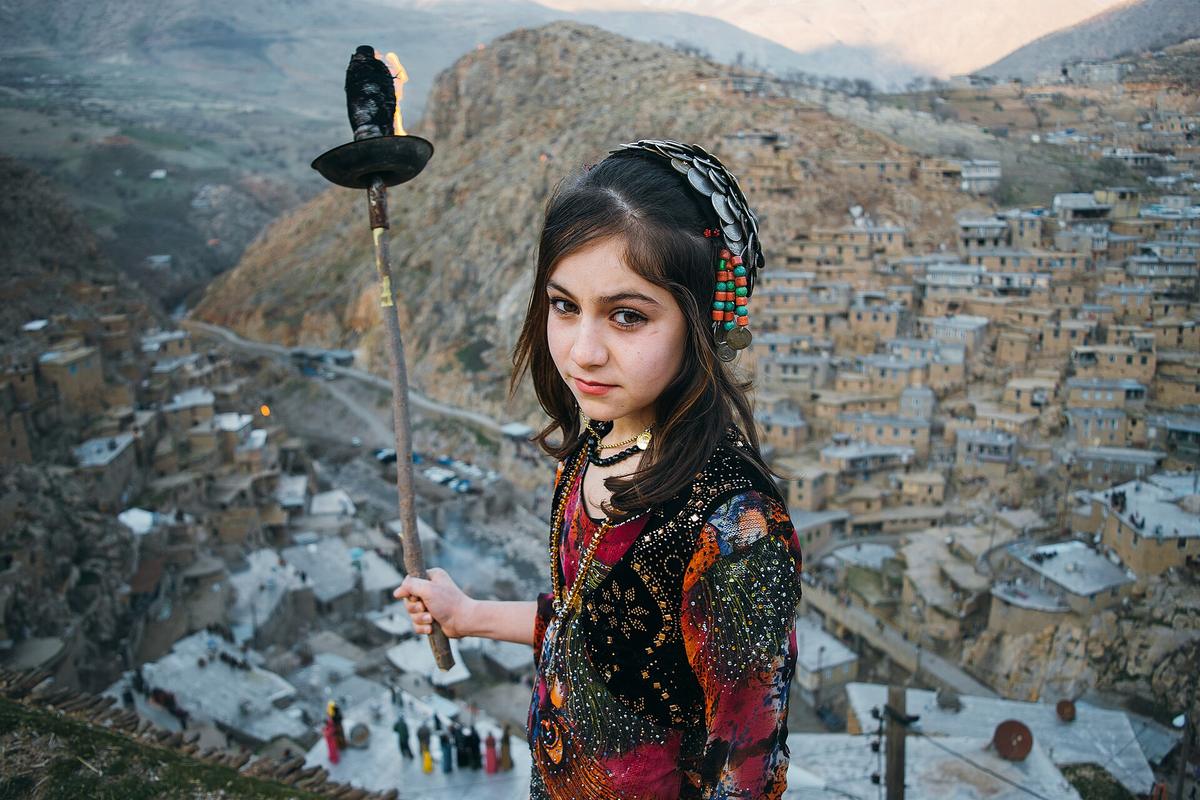

Ramadan Dates Iran: When Public Eating Stops and Sites Close Early
Ramadan follows the lunar calendar, shifting about 10 to 11 days earlier each year. During the month, eating, drinking, and smoking in public during daylight hours is prohibited. Restaurants run restricted daytime hours; many do not open until iftar after sunset. Museums and historical sites close earlier than usual, often by mid-afternoon. You cannot buy a bottle of water on the street at 2 PM. Chewing gum in a taxi draws scrutiny.
How to Adapt
Accommodation and transport are not as stretched as during Nowruz. Domestic tourism dips. Schools shorten their hours but do not close fully unless Ramadan overlaps with Nowruz. Stock snacks in your hotel room. Schedule sightseeing for early morning and evening. Accept that your lunch will be at 7 PM. Solo women travellers should note that social protocols tighten during Ramadan: longer hours are required for the mandatory hijab and fewer cafes stay open for alternative plans.
| Holiday | Lunar Date | Duration | Impact on Travel |
|---|---|---|---|
| Eid al-Fitr | 1-2 Shawwal | 2 days | End of Ramadan; many sites reopen; transport normalises |
| Eid al-Adha | 10 Dhu al-Hijjah | 1 day | Feast of Sacrifice; bazaars and some museums close |
| Tasua | 9 Muharram | 1 day | Major pilgrim movement to Mashhad and Qom; intercity buses crowded |
| Ashura | 10 Muharram | 1 day | Bazaars and most sites closed; heavy pilgrim traffic within Iran |
| Arbaeen | 20 Safar | 1 day | Massive pilgrim movement toward Iraq border crossings; western Iran saturated |
Ashura Iran: the Day Bazaars Shut and Buses Fill with Pilgrims
Ashura falls on 10 Muharram, the day of highest religious observance in Shia Islam. Bazaars, most museums, and historical sites close entirely. Intercity transport fills with pilgrims heading to Mashhad, Qom, and Shiraz, and to the Iraq border crossings of Mehran, Shalamcheh, and Khosravi for Arbaeen. The day before, Tasua (9 Muharram), also sees closures and heavy congestion.
Book bus tickets at least a week ahead if you are in Iran during Muharram. The failure case: standing at terminal-e-gharb in Tehran at 6 PM on Ashura with no onward seat and no cash ticket left.
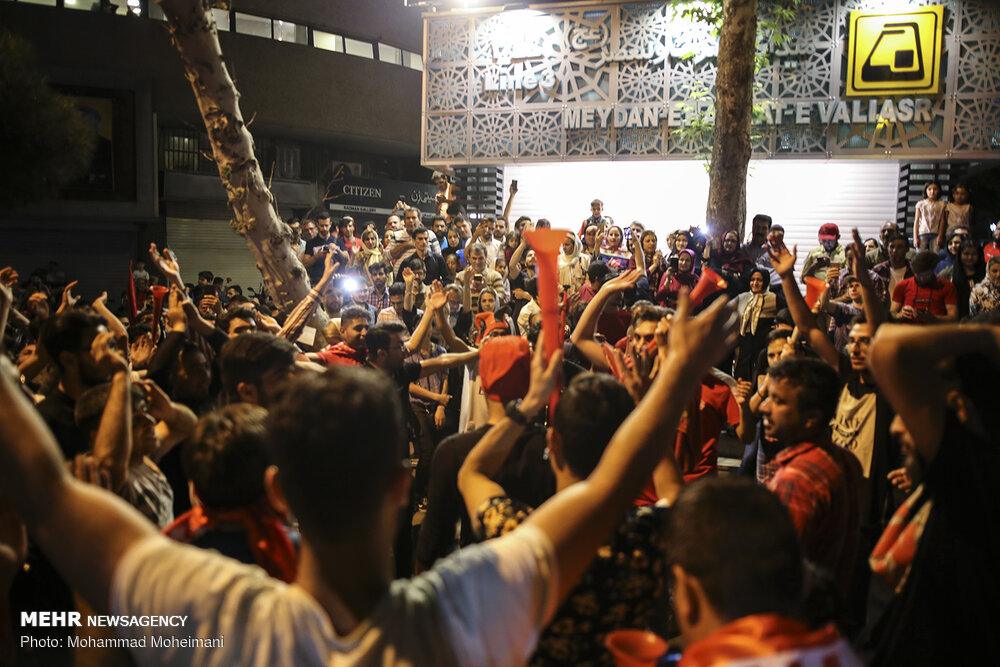

Iran Friday Closures: the Weekly Sabbath That Changes Your Itinerary
The Friday Pattern
Friday is the full weekly holiday in Iran. Government offices, banks, post offices, and most museums and historical sites close. Many reopen after Friday prayers, around 13:00 to 14:00. Bazaars operate on reduced schedules; some private-sector shops stay open. Thursday is often a half day for government offices. Businesses run Saturday through Wednesday or Saturday through Thursday.
What to Do With a Friday
Plan your Friday as a travel day between cities, not a sightseeing day. The Tehran metro runs on a reduced schedule. Intercity VIP overnight buses operate as normal. Book a night bus on Thursday, sleep through the journey, and wake up in a new city on Saturday morning with everything open.
Iran Holiday Travel Impact: What Books Solid and What Does Not
The Nowruz Crush
Nowruz (21 March to 2 April) is the highest-impact period. Hotel prices triple. Intercity buses and trains book weeks ahead. Domestic flights fill from Tehran to Mashhad, Shiraz, and Isfahan.
Summer and Religious Peaks
The summer peak from late June to late August ranks second, with the Caspian coast, northwest mountains, and Mashhad extremely busy. Tasua and Ashura generate major pilgrim movement within Iran, filling buses toward holy cities. Arbaeen saturates western Iran, especially the Iraq border crossings. The religious pilgrimages to Karbala in Iraq involve border crossings from Mehran, Shalamcheh, Chazabeh, and Khosravi. The infrastructure on the Iranian side buckles.
When to Go Instead
The low season runs mid-April to late May and late September to mid-November. Prices drop, crowds thin, and the weather is mild across the central plateau. This is the window to pick if you want flexibility and quiet sites.
Payment and Booking Traps
Payment for all transport is strictly in Iranian rials cash. No international cards work. Carry pristine US dollars or euros and exchange them at licensed shops. The solar Hijri calendar is what hotel and booking sites default to, causing accidental misbookings by tourists who select the wrong month. Confirm the Gregorian date before confirming a reservation. Ask the agent to read the date back to you.
Common Questions
What is the difference between solar Hijri and lunar Hijri holidays in Iran?
Solar Hijri holidays like Nowruz and Sizdah Bedar are fixed on the same date each year relative to the Gregorian calendar: Nowruz is always 21 March. Lunar Hijri holidays like Eid al-Fitr, Ashura, and Arbaeen shift 10 to 11 days earlier each Gregorian year because the lunar calendar is shorter.
Do all museums and historical sites close on Fridays in Iran?
Most museums and historical sites close on Friday mornings. Many reopen after Friday prayers, approximately 13:00 to 14:00. Major sites like Naqsh-e Jahan Square in Isfahan and Persepolis near Shiraz follow this pattern. Check local schedules the day before.
Can I eat or drink in public during Ramadan in Iran?
No. Eating, drinking, and smoking in public during daylight hours is prohibited. Restaurants operate restricted hours until iftar after sunset. Stock snacks in your hotel room and schedule sightseeing for early morning and evening.
How far ahead should I book buses and hotels during Nowruz?
Book every bed and bus ticket months in advance. Nowruz runs 21 March to 2 April, and intercity VIP overnight buses fill weeks ahead. Hotels in Isfahan, Shiraz, Yazd, and Kashan triple their rates. Without pre-booked transport, you risk standing at terminals with no seat.
What shuts on Ashura and Tasua in Iran?
Bazaars, most museums, and historical sites close entirely on Ashura (10 Muharram) and Tasua (9 Muharram). Intercity transport fills with pilgrims heading to Mashhad, Qom, and the Iraq border crossings. Book bus tickets at least a week ahead during Muharram.
Is the weekly holiday in Iran Saturday instead of Friday?
No. Friday is the full weekly holiday. Government offices, banks, and most museums close. Thursday is often a half day for government offices. Businesses operate Saturday through Wednesday or Saturday through Thursday. Plan Fridays as travel days between cities.
How do I avoid booking on the wrong calendar in Iran?
Hotel and bus booking sites in Iran often default to the solar Hijri calendar. Always confirm the Gregorian date before confirming a reservation. Ask the booking agent to read the date back to you.
Read next
-
 Staying Connected in Iran Without Expensive Roaming
Why a physical Irancell or Hamrah-e Aval SIM registered with your passport is the only real data option in Iran, and why your VPN must be installed before landing.
Staying Connected in Iran Without Expensive Roaming
Why a physical Irancell or Hamrah-e Aval SIM registered with your passport is the only real data option in Iran, and why your VPN must be installed before landing.
-
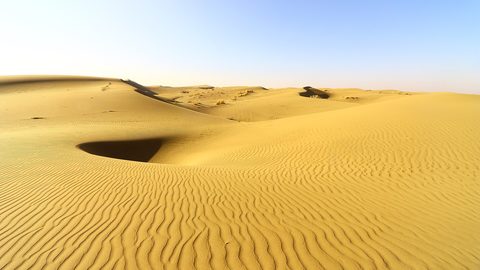 Best Time to Visit Iran for Persian Sites and Desert Cities
March to May is peak season in Iran, but Nowruz brings triple prices and sold-out hotels. Autumn is the best shoulder window for fewer crowds.
Best Time to Visit Iran for Persian Sites and Desert Cities
March to May is peak season in Iran, but Nowruz brings triple prices and sold-out hotels. Autumn is the best shoulder window for fewer crowds.
-
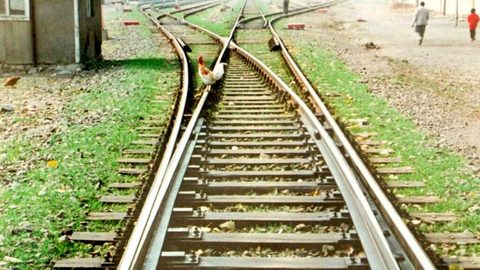 Getting Around Iran by VIP Bus Train and Snapp Taxi
Iran's VIP overnight buses connect major cities, but terminals sit far from centres, and you need cash plus a Snapp taxi to make the system work.
Getting Around Iran by VIP Bus Train and Snapp Taxi
Iran's VIP overnight buses connect major cities, but terminals sit far from centres, and you need cash plus a Snapp taxi to make the system work.
-
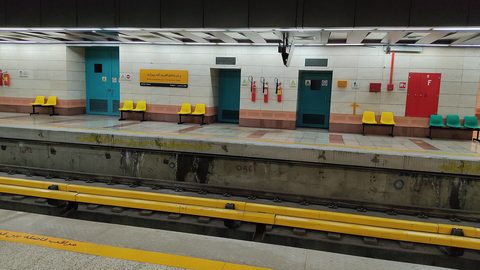 Iran Visa Rules for British American and Canadian Passport Holders
Iran visa rules vary sharply by nationality. US, UK, and Canadian citizens need an authorised guide, while many others can get visa-on-arrival at IKA.
Iran Visa Rules for British American and Canadian Passport Holders
Iran visa rules vary sharply by nationality. US, UK, and Canadian citizens need an authorised guide, while many others can get visa-on-arrival at IKA.
-
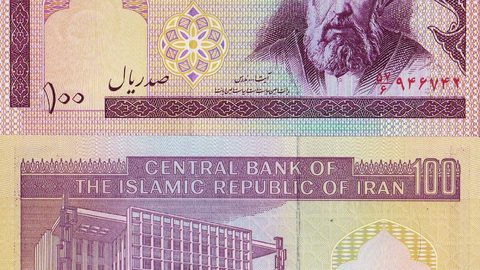 How to Pay for Things in Iran Without International Cards
No international cards work in Iran. You must carry pristine US dollars or euros and exchange them at licensed shops for Iranian rials.
How to Pay for Things in Iran Without International Cards
No international cards work in Iran. You must carry pristine US dollars or euros and exchange them at licensed shops for Iranian rials.
-
 Is Iran Safe to Visit as an Independent Traveller
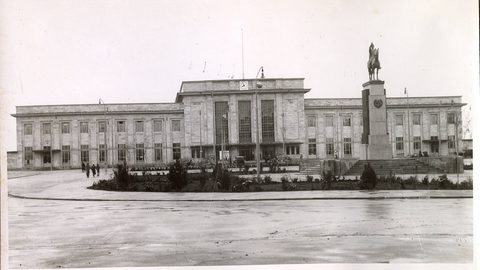
Iran's streets are generally safe and welcoming, but photography restrictions, dress code enforcement, and geopolitical warnings shape the reality.
Is Iran Safe to Visit as an Independent Traveller
Iran's streets are generally safe and welcoming, but photography restrictions, dress code enforcement, and geopolitical warnings shape the reality.
-
 A Ground-Level Logistics Guide to Independent Travel in China
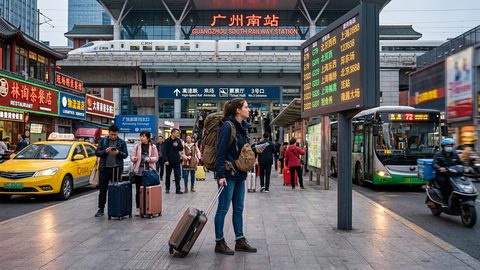
First-time independent travel in China: what you need to know about visas, rail booking, eSIMs, mobile payments, and power adapters.
A Ground-Level Logistics Guide to Independent Travel in China
First-time independent travel in China: what you need to know about visas, rail booking, eSIMs, mobile payments, and power adapters.
-
 How Solo Travelers Stay Ahead of Flight Delays and Cancellations
How solo travelers can track inbound aircraft, claim rebooking rights, and adjust ground transport when flights go wrong — step by step.
How Solo Travelers Stay Ahead of Flight Delays and Cancellations
How solo travelers can track inbound aircraft, claim rebooking rights, and adjust ground transport when flights go wrong — step by step.
-
 Why Your eSIM Might Not Work Abroad and How to Check Before You Go
Buying an eSIM doesn't guarantee signal abroad. Learn why coverage fails by location and how to verify reach before you commit to a plan.
Why Your eSIM Might Not Work Abroad and How to Check Before You Go
Buying an eSIM doesn't guarantee signal abroad. Learn why coverage fails by location and how to verify reach before you commit to a plan.