Germany Trip Cost Breakdown, From Hostel Beds to Bavarian Beer
Germany trip costs split along regional lines, with Bavaria and trade-fair cities operating on a different budget logic than the Harz or Baltic Coast.
Germany Trip Cost Breakdown: it is Not One Number
Most travelers ask for a single daily budget for Germany and get a number that is wrong before they finish reading it. A day in Munich during Oktoberfest costs three to five times the same day in Leipzig. A week in the Harz Mountains or Lusatia runs on a different budget logic than a trade fair week in Hannover or Frankfurt. The real Germany trip cost breakdown depends on geography, season, and how you pay. Budget for the place you are actually going, not the average.
Germany Daily Travel Budget: What the Range Actually Means
Budget and Mid-Range Daily Costs
A Germany daily travel budget for a budget traveler runs from about €50 to €100 per person per day, but the floor and ceiling depend entirely on region. In rural Saxony-Anhalt or Thuringia, a hostel dorm bed costs €20 to €30 per night. In Munich or Hamburg, the same bed hits €40 to €55. Mid-range travelers spend €100 to €200 per day. The gap is accommodation. It consumes 35 to 50 percent of daily spend in the budget tier and 40 to 55 percent in the mid-range tier.
What Stays Constant Across the Country
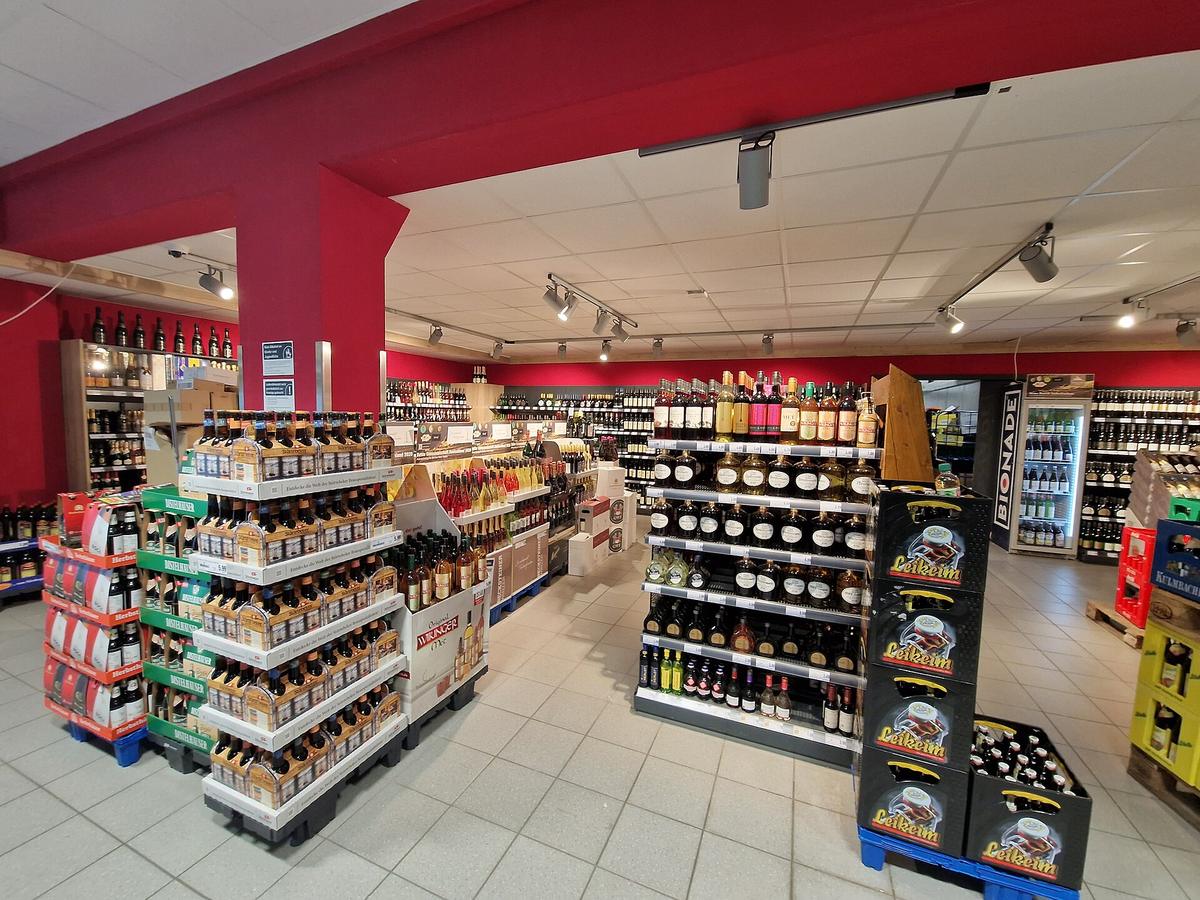
Museum fees, local transport day passes, and grocery prices differ least between the two tiers. Public toilets cost €0.50 to €1.00 per use regardless of your hotel. Bottled water in restaurants costs as much as beer, around €3 to €4. Beer from a supermarket costs €0.60 to €1.20 per half litre. Bakery breakfasts run €3 to €6. A döner kebab costs €5 to €8. Those prices hold across the country. The variance is in where you sleep and how you move between cities.

Bavaria vs Saxony Prices: the South-North Divide
Accommodation Costs by Region
Bavaria vs Saxony prices show the steepest regional gradient in Germany. Bavaria, especially Munich and the Alpine foothills, is the most expensive region in the country. A mid-range hotel room in Munich costs between €100 and €140 per night in normal season. In Saxony, the same tier in Dresden or Leipzig runs €70 to €90. Rural Bavaria, places like Garmisch-Partenkirchen or the area around Neuschwanstein Castle, charges €80 to €120 for a guesthouse. Rural Saxony, including Saxon Switzerland and Lusatia, runs €50 to €80.
Food Prices and Other Regional Gaps
The price gap extends to food. A restaurant main course in Munich costs €18 to €28. In Saxony, the same dish costs €12 to €18. The cheap items are the same everywhere: bread from discount bakeries, supermarket beer, and museum entry in smaller towns. The expensive items scale with the local economy. Accommodation in rural Saxony-Anhalt and Thuringia is the lowest in the country. Stuttgart and Frankfurt rank near Munich. The north-east, from the Baltic Coast to Berlin, sits in the middle. Berlin itself is cheaper than Munich but more expensive than Leipzig, with hostel dorms around €25 to €40 and mid-range rooms at €80 to €110.
Germany Trade Fair Hotel Rates: When the Rules Reset
Trade Fairs and Oktoberfest
Germany trade fair hotel rates rewrite the budget logic of entire cities for specific weeks. Hannover during Hannover Messe, Frankfurt during the Frankfurter Buchmesse, and Munich during IAA or Bau see accommodation prices double to triple. A hotel room that costs €100 in normal weeks jumps to €250 or more. Minimum stay requirements appear. Hostel dorm beds hit €60. The spike is not limited to the trade fair city.
Seasonal Peaks and How to Avoid Them
During Oktoberfest in Munich, accommodation across Bavaria multiplies three to five times. A €30 hostel bed goes for €90 or more, and hotels impose five night minimums. The same effect hits Nuremberg, Dresden, and Cologne during Christmas market season from late November to 23 December. Christmas market cities see prices elevated by 40 to 80 percent. The cheapest months are January and February outside carnival cities, and November outside Christmas market season. If your trip dates are flexible, avoid trade fair weeks and Oktoberfest entirely. If they are not, book six months ahead or stay in a neighbouring city and commute by regional train.
Cash Spending Germany Regions: the Payment Friction
Where Cash Is Mandatory
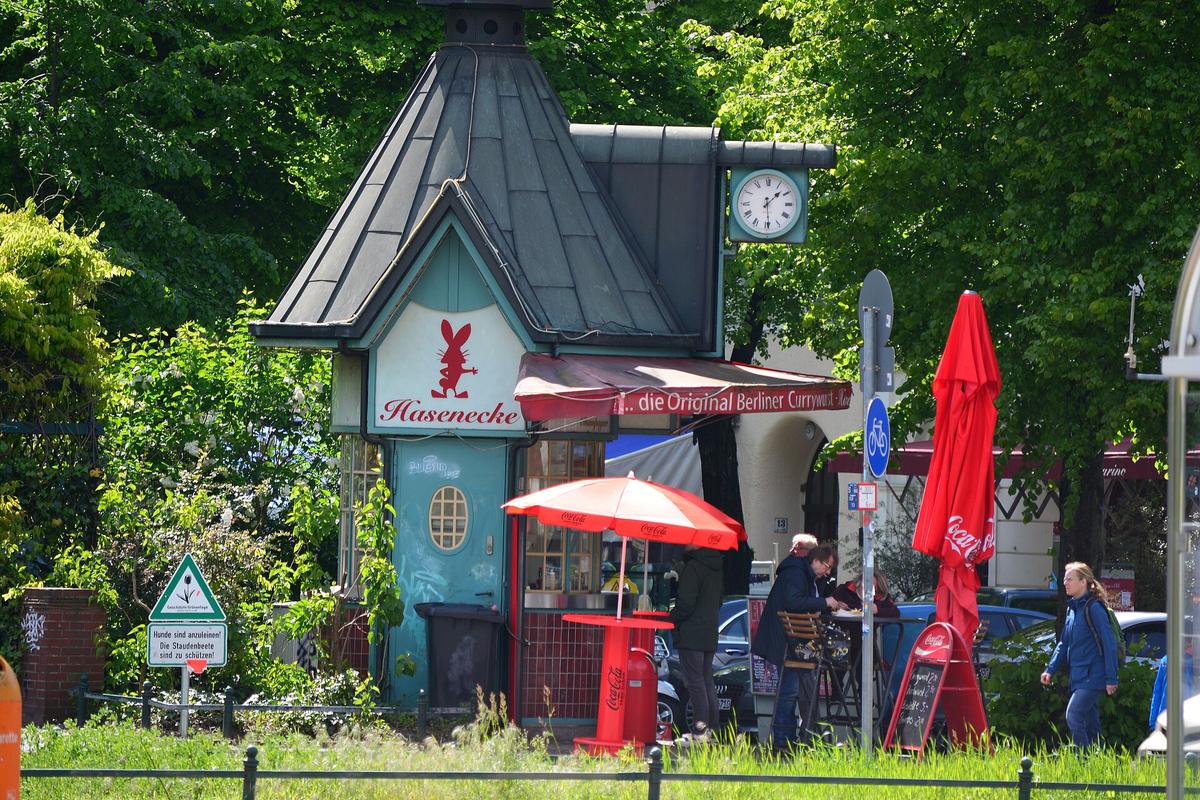
Cash spending in Germany is not about ATM fees. It is about whether you can pay at all. Cash is still mandatory in many restaurants, bakeries, and smaller shops across Germany. Card refusal is common and not signposted. You hand over a Visa card and the server says "nur Barzahlung" after the meal is eaten. This hits hardest in rural areas: the Harz Mountains, Saxon Switzerland, Lusatia, and the Baltic Coast. In Munich, Frankfurt, and Berlin, card acceptance is near universal in chain stores and mid-range restaurants, but smaller places still prefer cash.
How Much Cash to Carry
Girocard is near universal, but Visa and Mastercard are widely accepted only in cities. American Express acceptance is limited. Carry at least €100 in small bills for a day outside a major city. For a week in rural Bavaria or Saxony, carry €300. Public restrooms are coin operated. The deposit system on bottles, Pfand, is refunded in cash at supermarkets.
Tipping and Water
Tipping is done in cash directly to the server, not left on the table. Round up or add 5 to 10 percent. Tap water is safe to drink nationwide but never served free in restaurants. Asking for Leitungswasser gets a flat refusal. Budget for bottled water or drink beer instead.

How to Pay Less Without Skipping What Matters
Trains, Buses, and Cars
The single biggest cost control is booking Deutsche Bahn tickets in advance. A flexible Flexpreis ticket costs up to three times the saver Sparpreis fare. Tourists buy the wrong one constantly. Boarding an ICE with a regional only ticket risks a €60 fine. Download the DB Navigator app and buy Sparpreis fares as soon as your dates are fixed. For groups, regional day passes called Lander Tickets cover up to five people on regional trains for a single price. The Quer durchs Land Ticket works the same way nationally. Long distance buses via FlixBus are cheaper than trains for the Hamburg Munich or Berlin Munich corridors. Car rental for a compact manual runs €25 to €50 per day excluding fuel. Diesel is cheaper per litre than petrol. There is no toll on the Autobahn for passenger cars. Every city requires a green emissions sticker, the Feinstaubplakette, which costs a small one time fee.
Planning Around Closures and Connectivity
Sunday closures mean all retail is shut except train station shops and some bakeries. Plan grocery shopping for Saturday. Public Wi Fi is scarce compared to most European countries. Buy a local SIM at a Telekom, Vodafone, or O2 shop with your passport for registration. Mobile data black spots are common on intercity trains and in rural areas. Download offline maps before you leave your hotel.
Common Questions
What is the cheapest region in Germany for a week long trip?
The cheapest regions are rural Saxony-Anhalt, Thuringia, and parts of the Ruhr Valley. Accommodation in these areas runs €20 to €55 for budget rooms and €50 to €80 for mid-range rooms. Food costs are also lower, with restaurant mains at €10 to €14. Lusatia and the Harz Mountains offer similar low prices with fewer crowds.
How much cash should I carry for a week in rural Bavaria?
Carry at least €300 in small bills for a week in rural Bavaria. Many guesthouses, bakeries, and restaurants in places like the Bavarian Alps around Garmisch-Partenkirchen or Königssee are cash only. ATMs exist but are not everywhere, and card refusal after a meal is a common frustration.
When are hotel prices cheapest in Germany?
Hotel prices are cheapest in January and February outside carnival cities, and in November outside Christmas market season. The lowest rates occur in business cities like Frankfurt and Düsseldorf on weekends. January and February also see fewer tourists, though daylight is short at seven to eight hours in the north.
What is the biggest mistake tourists make budgeting for Germany?
The biggest mistake is trying to cover Berlin, Munich, the Rhine, and Neuschwanstein in one week by train. Half the trip is spent in transit and the regional depth that makes Germany worth visiting is missed. Minimum 10 days is recommended, and even then you should stick to two regions.
Can I use my credit card everywhere in Germany?
No. Cash is still mandatory in many restaurants, bakeries, and smaller shops, especially in rural areas. Card refusal is common and not signposted. Girocard is near universal, but Visa and Mastercard are widely accepted only in cities. American Express has limited acceptance. Always carry cash.
Read next
-
 Staying Connected in Germany With eSIM, Local SIM, or Roaming
Mobile data in Germany means navigating rural black spots, scarce free Wi-Fi, and mandatory passport registration for local SIM cards.
Staying Connected in Germany With eSIM, Local SIM, or Roaming
Mobile data in Germany means navigating rural black spots, scarce free Wi-Fi, and mandatory passport registration for local SIM cards.
-
 When to Visit Germany and What Each Season Actually Delivers
Germany's travel seasons are defined by school holidays, trade fairs, and Christmas markets. Here is when to go and when to avoid.
When to Visit Germany and What Each Season Actually Delivers
Germany's travel seasons are defined by school holidays, trade fairs, and Christmas markets. Here is when to go and when to avoid.
-
 Getting Around Germany Without Falling for the Flexpreis Trap
How to use Germany's train system, avoid a €60 fine for the wrong ticket, and understand the difference between flexible and advance fares.
Getting Around Germany Without Falling for the Flexpreis Trap
How to use Germany's train system, avoid a €60 fine for the wrong ticket, and understand the difference between flexible and advance fares.
-
 Who Needs a Visa for Germany and How the Application Actually Works
A clear breakdown of who needs a visa to enter Germany, who is exempt, and the step-by-step process for a Schengen visa application.
Who Needs a Visa for Germany and How the Application Actually Works
A clear breakdown of who needs a visa to enter Germany, who is exempt, and the step-by-step process for a Schengen visa application.
-
 Cash Is King in Germany and Your Card Will Often Be Useless
Germany remains a cash-first economy where many restaurants and shops refuse cards. Here is exactly where you need physical euros.
Cash Is King in Germany and Your Card Will Often Be Useless
Germany remains a cash-first economy where many restaurants and shops refuse cards. Here is exactly where you need physical euros.
-
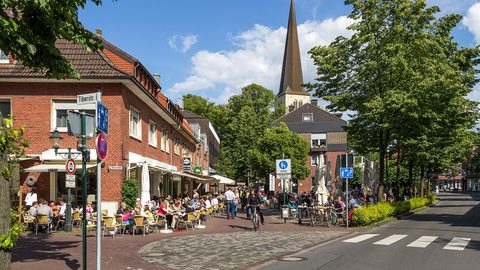 Is Germany Safe for Travelers and What Are the Actual Risks
Germany is a safe country, but petty theft at markets and fines on trains are real risks. Here is what to actually watch for.
Is Germany Safe for Travelers and What Are the Actual Risks
Germany is a safe country, but petty theft at markets and fines on trains are real risks. Here is what to actually watch for.
-
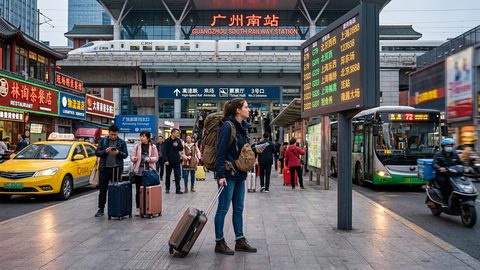 A Ground-Level Logistics Guide to Independent Travel in China
First-time independent travel in China: what you need to know about visas, rail booking, eSIMs, mobile payments, and power adapters.
A Ground-Level Logistics Guide to Independent Travel in China
First-time independent travel in China: what you need to know about visas, rail booking, eSIMs, mobile payments, and power adapters.
-
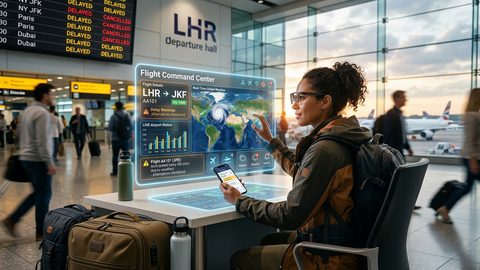 How Solo Travelers Stay Ahead of Flight Delays and Cancellations
How solo travelers can track inbound aircraft, claim rebooking rights, and adjust ground transport when flights go wrong — step by step.
How Solo Travelers Stay Ahead of Flight Delays and Cancellations
How solo travelers can track inbound aircraft, claim rebooking rights, and adjust ground transport when flights go wrong — step by step.
-
 Why Your eSIM Might Not Work Abroad and How to Check Before You Go
Buying an eSIM doesn't guarantee signal abroad. Learn why coverage fails by location and how to verify reach before you commit to a plan.
Why Your eSIM Might Not Work Abroad and How to Check Before You Go
Buying an eSIM doesn't guarantee signal abroad. Learn why coverage fails by location and how to verify reach before you commit to a plan.