Is Germany Safe for Tourists Beyond the Headlines and Official Warnings
Germany is a safe country, but petty theft at markets and fines on trains are real risks. Here is what to actually watch for.
Safety in Germany Beyond the Headlines and Official Warnings
You are standing at Cologne Cathedral's west portal on a Saturday afternoon in December, one hand on your phone, the other holding a Glühwein, and you do not feel the zip of your jacket pocket open. By the time you notice the wallet is gone, the person who took it is three stops away on the U-Bahn. That moment, not terrorism or street crime, is the real safety question in Germany. The country ranks among the safest large in Europe for visitors. Violent crime rates are low. The threat you should plan for is not an attack on a landmark but a fare evasion penalty on the ICE for holding the wrong ticket, a pickpocketed phone at a Christmas market, or a ruined evening from a spiked drink in a Berlin club. What follows strips away the media exaggeration and names the everyday annoyances that cost you time, money, or safety, then tells you exactly what to do about them.
Germany Travel Safety Advice
Start with the numbers you actually need stored in your phone before you land. Germany's emergency number for police is 110. For fire or ambulance, dial 112. The non-emergency medical on-call service is 116 117; save that one for a Sunday when your local Apotheke is closed and you need to find the rotating emergency pharmacy (Notdienst) posted on any pharmacy door.
Connectivity Is a Safety Issue
Mobile data black spots are common on Deutsche Bahn intercity trains and in rural stretches of the Bavarian Alps, the Harz Mountains, and the Black Forest. Free public Wi-Fi is scarce compared to most European countries; do not rely on it. Buy a local SIM at a Telekom, Vodafone, or O2 shop at the airport. The process requires your passport by law. A German SIM gives you reliable emergency call capability on the 112 network even when data drops. Without it, a breakdown on a regional train through Saxon Switzerland leaves you unable to call for help.
Insurance and Medical Preparation
EU and UK travellers can use the European Health Insurance Card or UK Global Health Insurance Card for medically necessary state-provided care. Everyone else needs proof of valid health insurance for visa and residence permit applications. Carry your EHIC or insurance card, not a photo of it. Pharmacies, identifiable by the red A symbol for Apotheke, sell over-the-counter medicine but require a prescription for anything stronger. Tick-borne encephalitis is a risk in Bavaria, Baden-Württemberg, southern Hesse, southern Thuringia, Saxony, and parts of Rhineland-Palatinate and Saarland. Lyme disease is a risk nationwide in vegetated and forested areas. Check the Robert Koch Institute's classification before hiking season and consider vaccination if you plan to spend time in the Bavarian Alps or Black Forest from March to November.

Petty Crime in Germany
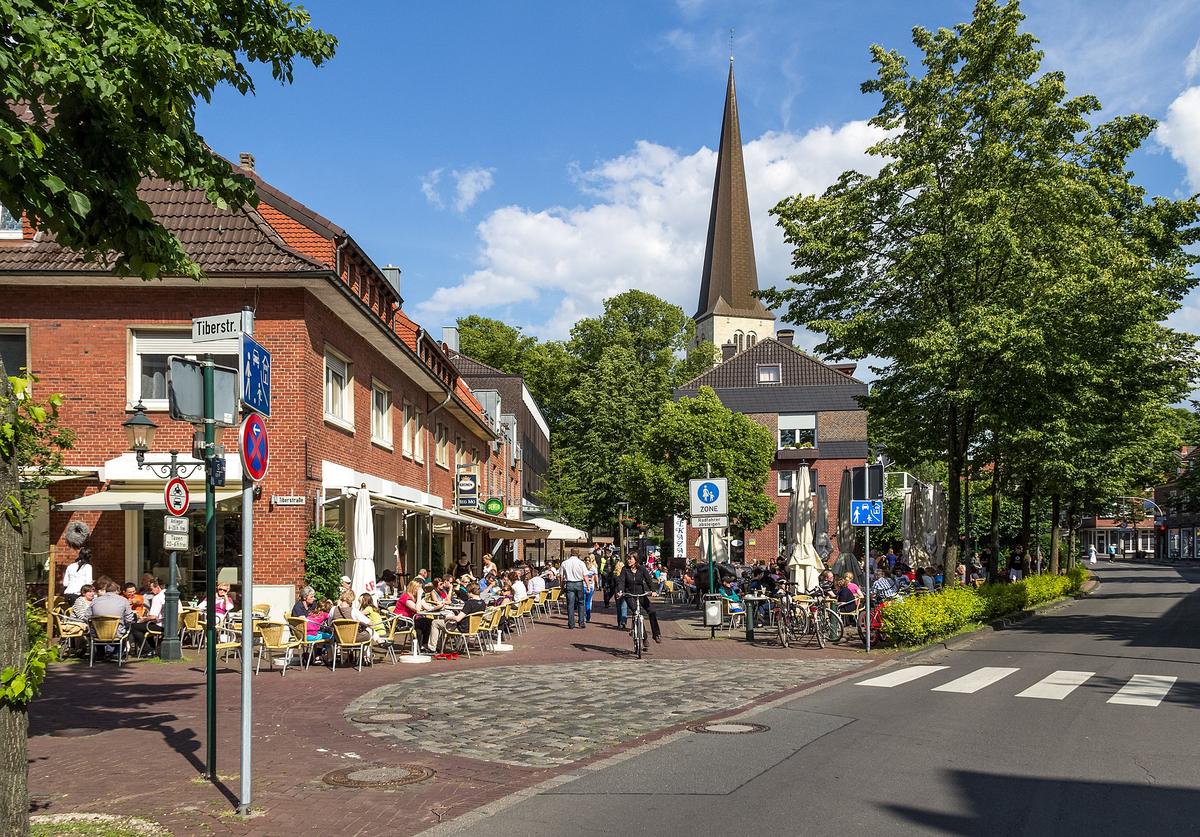
Pickpocketing is the dominant crime affecting tourists. The hotspots are not a secret. Cologne Cathedral plaza, the narrow alleys around the Hauptbahnhof, and every Christmas market in every city during December. The method is the same: a distraction, a bump, a question in broken German, and your unzipped bag is lighter. Berlin's nightlife districts, particularly around Warschauer Strasse and the clubs in Friedrichshain, report drink-spiking incidents. The scenario is not a myth. Keep your drink in your hand, not on a table, and leave with people you arrived with.
Your phone is the target. Do not hold it out at a train station platform edge, do not set it down on a café table near a door, and do not keep it in a jacket pocket that zips upward. A front trouser pocket or a zipped crossbody bag worn to the front is the baseline.
| Service | Number | When to Use |
|---|---|---|
| Police emergency | 110 | Crime in progress, immediate danger, suspicious activity |
| Fire and ambulance | 112 | Medical emergency, fire, rescue from any phone even without SIM |
| Non-emergency medical on-call | 116 117 | Illness that cannot wait for a GP appointment but is not life-threatening |
| Warning app (NINA) | Download from app store | Official disaster alerts, severe weather, flood warnings from BBK |
| Cell broadcast alerts | Automatic on compatible phones | EU-Alert system, no app needed for extreme emergencies |
Safety in German Cities
German cities are safe by global standards, but each has a micro-climate of risk you should adjust for. Berlin is safe but chaotic. The U-Bahn and S-Bahn run 24-hour service on weekends, but the same late-night trains that connect neighbourhoods also carry fare evaders and aggressive drunks. Avoid the S-Bahn carriages between Warschauer Strasse and Ostkreuz after 1 am on a Friday or Saturday night. Munich feels safer than it is. The crime rate is low, but the Oktoberfest crowds in late September and early October create pickpocket density that rivals any European festival. Frankfurt's Hauptbahnhof area and the Bankenviertel after dark have the city's highest concentration of drug-related incidents and theft. Hamburg's Reeperbahn district is policed heavily but attracts opportunistic theft from distracted drinkers. The Ruhr Valley cities, especially Essen and Duisburg, have higher reported property crime rates than the national average, concentrated around Hauptbahnhöfe.
Nightlife Safety
Spontaneous nightlife seekers expecting 24-hour cities will find Germany frustrating. Bars and clubs close earlier than in southern Europe, and Sunday shuts down most of the country. In Berlin's techno clubs, bouncers enforce a door policy that can reject foreigners without explanation. If you are turned away, leave the area, do not argue. Drink-spiking reports cluster around Berlin's Warschauer Strasse, Hamburg's Reeperbahn, and Munich's Glockenbachviertel. Buy bottled drinks, watch the pour, and never leave a drink unattended.

Germany Petty Crime: the Fine You Did Not Expect
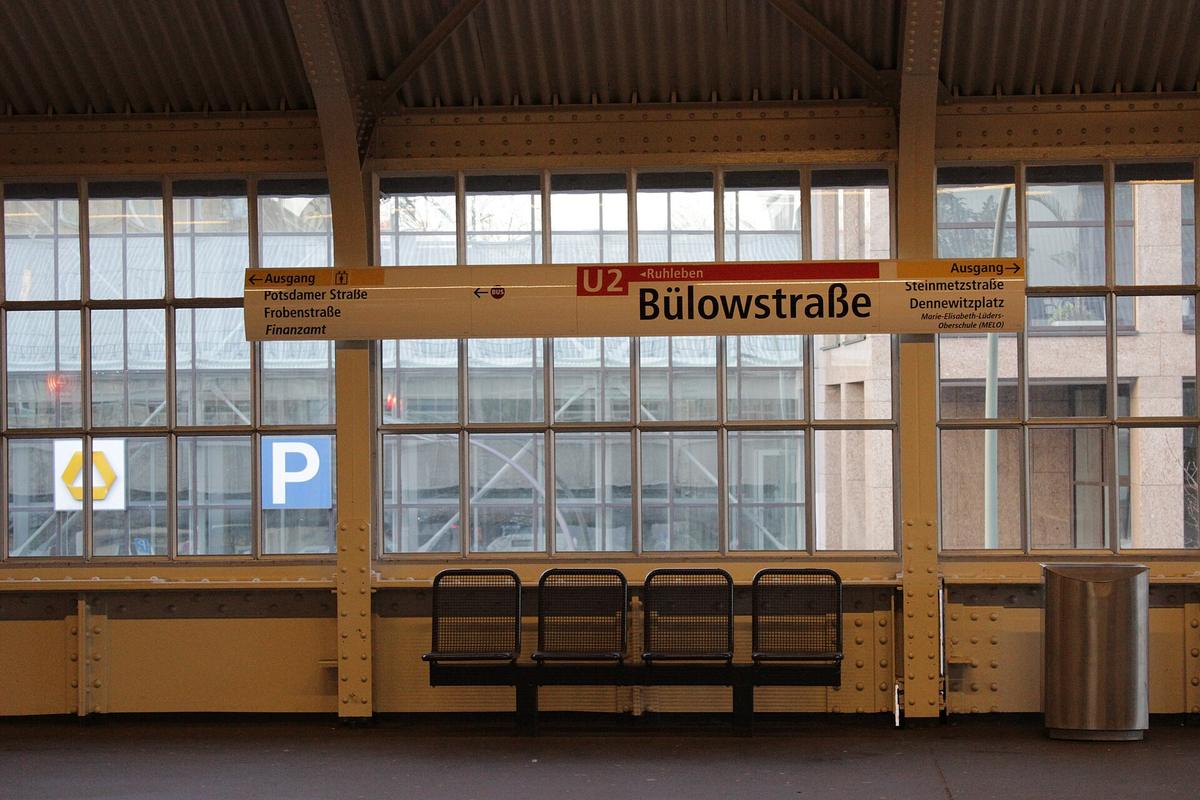
The most common financial loss for a tourist in Germany is not a stolen wallet. It is a fare evasion penalty. Deutsche Bahn and regional transport associations enforce a strict rule: tickets must be validated before or immediately upon boarding. Stamp machines are on platforms and inside trams and buses. An unvalidated ticket is treated as no ticket. Tourists routinely buy a ticket on the DB Navigator app, board an ICE with a regional-only ticket, or validate the wrong side of a paper ticket. The fine is issued on the spot. You pay or face prosecution.
The tripwire ticket is the Flexpreis versus Sparpreis confusion. A flexible Flexpreis ticket costs up to three times the discounted Sparpreis. Tourists who buy a Flexpreis by default at the machine waste money. Tourists who buy a Sparpreis and miss their booked train lose the fare entirely. Read the terms before you tap. For city transport, the Deutschlandticket covers all regional and local public transport nationwide for a monthly subscription, but it is not valid on ICE, IC, or EC trains. Boarding an ICE with a Deutschlandticket is a fare evasion penalty on the spot.
The Actual Risks Nobody Warns You About
Sundays are a genuine operational risk for the unprepared traveller. Almost all retail is closed, including supermarkets. Only train station shops and some bakeries open. Arrive in a small town like Rothenburg ob der Tauber on a Sunday evening without food and you are eating from a vending machine. Plan grocery stops for Saturday. Cash is mandatory in many restaurants, bakeries, and smaller shops. Card refusal is common and not signposted. A bakery in the Black Forest that sells you a pretzel may take only coins. Public toilets cost a euro or two, often coin-operated turnstiles, and the Sanifair voucher system gives a receipt redeemable at the attached shop; tourists throw the voucher away and lose the credit. Keep a pocket full of coins.
Transport Risks Beyond the Fine
Wild animal collisions are a genuine hazard on rural roads, especially in forested areas of the Harz Mountains and the Eifel during dawn and dusk in autumn. The deer rut in October and November creates sudden crossings. Winter tyre requirements are mandatory only in wintry conditions; there is no fixed date range, so if you rent a car in October and drive over a snowy pass in the Bavarian Alps, the rental company should have fitted winter tyres, but check before you leave the lot. Ice warnings from the Deutscher Wetterdienst (DWD) come as black ice alerts (Glatteis) via the NINA app. Download NINA before you drive.
The Train Fine: How to Avoid It
Every tourist reads this and thinks they are too careful to fall for it. They are not. The sequence is: you board an ICE with a regional ticket bought from a machine that did not make the restriction obvious. The conductor scans your QR code, the system rejects it, and you pay on the spot. The only way to prevent this is to check the train category before you board. ICE and IC/EC trains are long-distance. RE, RB, and S-Bahn are regional. The DB Navigator app shows the train category in bold. The Deutschlandticket is regional-only. The single most practical thing you can do before you step onto any platform in Germany is to confirm which train category your ticket covers.
Common Questions
Is Germany safe for solo female travellers?
Yes. Germany is one of the safest large countries in Europe for solo female travellers. Violent crime against strangers is rare. The practical risks are the same as for anyone: pickpocketing in crowded tourist zones, drink-spiking in nightlife districts, and unwanted attention on late-night public transport. Sit in the first carriage of an S-Bahn or U-Bahn near the driver's cab after 10 pm. Avoid empty platform sections at Hauptbahnhöfe late at night.
What should I do if I lose my passport in Germany?
Report the loss to the local police station and obtain a written police report. Take that report to your country's embassy or consulate. In Berlin, the U.S. Embassy, UK Embassy, and Canadian Embassy process emergency passports by appointment only. The Federal Foreign Office (Auswärtiges Amt) does not issue replacement passports for foreign nationals. Expect a wait of one to three business days for an emergency travel document.
Can I drink tap water in Germany?
Yes. Tap water is potable nationwide and monitored under the Trinkwasserverordnung. It is safe to drink from any tap in a hotel, restaurant, or private home. However, restaurants will not serve it automatically. Asking for Leitungswasser often gets a flat refusal, and you will be expected to order bottled water. Fill your reusable bottle at hotel taps or public fountains.
What is the emergency number for mountain rescue in the Bavarian Alps?
Dial 112. This number routes to the Bergwacht in alpine regions. It works even without a SIM card on any mobile network. The avalanche bulletin season runs from December to April, issued by the European Avalanche Warning Services via regional warning centres. Check the avalanche danger level before any hike above the treeline in the Bavarian Alps.
Do I need a green sticker to drive in German cities?
Yes, if you enter a low-emission zone, called an Umweltzone. Numerous city centres require a green sticker (Feinstaubplakette). You need a Euro 4 petrol or Euro 6 diesel minimum. Obtain the sticker from TÜV, DEKRA, or city vehicle registration offices before you drive into any Umweltzone. Driving without one in a controlled zone carries a fine.
What is the blood alcohol limit for driving in Germany?
0.05% for drivers. Novice drivers under 21 and anyone with less than two years of experience must have a 0.0% limit. Cyclists face criminal liability from 0.16%, or below that if impairment is evident. The advisory speed on the Autobahn is 130 km/h, but even on unlimited sections, driving under the influence carries severe penalties including licence suspension.
Is it safe to cycle in German cities?
Yes. Germany has marked cycle lanes and bicycle priority streets (Fahrradstraße) in most urban areas. Helmet use is not legally required. The main risk is right-hooking by drivers at intersections. Ride defensively in bike lanes that run alongside parked cars to avoid being hit by opening doors. E-scooters are permitted on cycle paths and roads from age 14, but a helmet is not mandatory.
Read next
-
 Staying Connected in Germany With eSIM, Local SIM, or Roaming
Mobile data in Germany means navigating rural black spots, scarce free Wi-Fi, and mandatory passport registration for local SIM cards.
Staying Connected in Germany With eSIM, Local SIM, or Roaming
Mobile data in Germany means navigating rural black spots, scarce free Wi-Fi, and mandatory passport registration for local SIM cards.
-
 When to Visit Germany and What Each Season Actually Delivers
Germany's travel seasons are defined by school holidays, trade fairs, and Christmas markets. Here is when to go and when to avoid.
When to Visit Germany and What Each Season Actually Delivers
Germany's travel seasons are defined by school holidays, trade fairs, and Christmas markets. Here is when to go and when to avoid.
-
 Getting Around Germany Without Falling for the Flexpreis Trap
How to use Germany's train system, avoid a €60 fine for the wrong ticket, and understand the difference between flexible and advance fares.
Getting Around Germany Without Falling for the Flexpreis Trap
How to use Germany's train system, avoid a €60 fine for the wrong ticket, and understand the difference between flexible and advance fares.
-
 Who Needs a Visa for Germany and How the Application Actually Works
A clear breakdown of who needs a visa to enter Germany, who is exempt, and the step-by-step process for a Schengen visa application.
Who Needs a Visa for Germany and How the Application Actually Works
A clear breakdown of who needs a visa to enter Germany, who is exempt, and the step-by-step process for a Schengen visa application.
-
 Cash Is King in Germany and Your Card Will Often Be Useless
Germany remains a cash-first economy where many restaurants and shops refuse cards. Here is exactly where you need physical euros.
Cash Is King in Germany and Your Card Will Often Be Useless
Germany remains a cash-first economy where many restaurants and shops refuse cards. Here is exactly where you need physical euros.
-
 How Much a Trip to Germany Actually Costs, Shaped by Region and Season
Germany trip costs split along regional lines, with Bavaria and trade-fair cities operating on a different budget logic than the Harz or Baltic Coast.
How Much a Trip to Germany Actually Costs, Shaped by Region and Season
Germany trip costs split along regional lines, with Bavaria and trade-fair cities operating on a different budget logic than the Harz or Baltic Coast.
-
 A Ground-Level Logistics Guide to Independent Travel in China
First-time independent travel in China: what you need to know about visas, rail booking, eSIMs, mobile payments, and power adapters.
A Ground-Level Logistics Guide to Independent Travel in China
First-time independent travel in China: what you need to know about visas, rail booking, eSIMs, mobile payments, and power adapters.
-
 How Solo Travelers Stay Ahead of Flight Delays and Cancellations
How solo travelers can track inbound aircraft, claim rebooking rights, and adjust ground transport when flights go wrong — step by step.
How Solo Travelers Stay Ahead of Flight Delays and Cancellations
How solo travelers can track inbound aircraft, claim rebooking rights, and adjust ground transport when flights go wrong — step by step.
-
 Why Your eSIM Might Not Work Abroad and How to Check Before You Go
Buying an eSIM doesn't guarantee signal abroad. Learn why coverage fails by location and how to verify reach before you commit to a plan.
Why Your eSIM Might Not Work Abroad and How to Check Before You Go
Buying an eSIM doesn't guarantee signal abroad. Learn why coverage fails by location and how to verify reach before you commit to a plan.