Germany Visa Requirements for Tourists and Short-Term Visitors
A clear breakdown of who needs a visa to enter Germany, who is exempt, and the step-by-step process for a Schengen visa application.
If you are not an EU/EEA/Swiss citizen, you almost certainly need a visa to enter Germany. The precise requirements depend on your passport. Nationals of roughly 60 non-EU states, including the USA, UK, Canada, Australia, Japan, South Korea, Brazil, Argentina, Israel, and the UAE, can enter visa-free for tourism or business meetings for up to 90 days within any 180-day period. Everyone else, from India, China, Russia, Turkey, South Africa, Egypt, and the Philippines among approximately 100 other states, must apply for a Uniform Schengen Visa (Type C) before travel. Germany does not issue visas on arrival. There is no standalone e-visa. You must submit biometrics in person at a German embassy, consulate, or authorised external service provider in your country of residence.
Who Needs a Visa for Germany
Visa-Free Entry
The line is simple. If your passport is from an EU/EEA member state or Switzerland, you only need a valid national identity card or passport. No visa. If your passport is from one of the roughly 60 visa-free nationalities, you also skip the application. You enter with a passport valid for at least 3 months beyond your intended departure from the border-free zone, issued within the previous 10 years. You stay a maximum of 90 days in any 180-day window. Permitted activities include tourism, business meetings, short-term study, and family visits. Employment is prohibited.
When a Visa Is Mandatory
If your passport is not on that list, you need a visa. You must apply at the German diplomatic mission responsible for your country of residence. The earliest you can submit is 6 months before travel. Submit at least 3 to 4 weeks before departure. Processing takes 15 calendar days and can extend to 45 days in individual cases.
Nationals of the 100-plus visa-required states should check the Federal Foreign Office (Auswärtiges Amt) website for the specific application form, fee schedule, and required documents for their citizenship. Visa-free nationalities should verify that their state is still on the current list, since the roster is revised annually by the EU.


Schengen Visa for Germany: What the Application Actually Requires
The visa for Germany is a Uniform Schengen Visa (USV), Type C. It lets you travel freely across the 27 member states for up to 90 days. But you must apply at the German mission, not a different member state's consulate, if Germany is your main destination or your first point of entry.
The application bundle includes a completed form, a passport meeting the validity rules (3 months beyond departure, issued within 10 years), two recent biometric photos, proof of travel medical insurance covering at least €30,000 across all member states, proof of accommodation, proof of sufficient financial means, and a round-trip flight itinerary. The financial means threshold is set at roughly €45 per day of stay; this figure varies slightly by federal state and is published by the Auswärtiges Amt for each mission.
You book an appointment online. You attend in person to submit biometrics (fingerprints and photograph). You pay the fee in local currency. You wait. If approved, the visa is affixed to a page in your passport. There is no digital version. There is no visa on arrival.
| Requirement | Detail |
|---|---|
| Application window | Earliest 6 months before travel; recommended 3–4 weeks |
| Processing time | Typically 15 calendar days; can extend to 45 days |
| Passport validity | 3 months beyond intended departure; issued within 10 years |
| Financial means | Approx. €45 per day; varies by federal state |
| Health insurance | Travel medical insurance, minimum €30,000 coverage, valid across all member states |
| Onward ticket | Proof of return or onward travel may be requested at the border |
| Registration (long stays) | Residence registration (Anmeldung) within 2 weeks if staying beyond 3 months |
Germany Tourist Visa: at the Border and After Arrival
At the Border
A tourist visa is checked on arrival, not before. At the border, German Federal Police scan your passport against the Schengen Information System (SIS). They may request proof of accommodation, proof of sufficient financial means, and verification of your travel purpose. Be ready to show your flight home, your hotel booking, and your insurance certificate. Carry printed copies. Digital files are not always accepted if your phone has no signal.
Once inside Germany, the visa rules do not change. You cannot extend a tourist visa into a work permit from inside the country. You cannot switch to a different visa type without leaving and reapplying. If you overstay, you face a ban from the entire border-free zone.
Cash, Toilets, and Sundays
Two practical points after arrival. Cash is mandatory in many German restaurants, bakeries, and smaller shops. Card refusal is common and not signposted. Keep small notes on you. Public toilets are often coin-operated turnstiles; the Sanifair voucher system gives you a token worth a small discount on your next purchase, which confuses first-time visitors. Sundays mean almost all retail is closed, including supermarkets. Only train station shops and some bakeries stay open. Plan your food shopping for Saturday.
Germany Visa Application Process: Step by Step
The application process follows a fixed sequence. Miss a step and your file is returned without review.
Determine Your Application Location
You must apply at the German embassy or consulate responsible for your country of legal residence, not your country of citizenship if those are different. If you live in a country where Germany has outsourced visa processing to an external service provider such as TLScontact or VFS Global, you book through that provider, not the embassy directly.
Book The Appointment And Prepare Documents
Slots fill quickly. Book as soon as you hit the 6-month window. The documents list is the same for every applicant: passport, photos, insurance, proof of accommodation, proof of financial means, flight itinerary. Some missions add a cover letter explaining your trip purpose. Check the specific mission's page on auswaertiges amt.de.
Attend The In-Person Appointment
Bring all documents in the order listed on the checklist. You will give biometrics. You pay the fee. You receive a receipt with a tracking number. Processing takes 15 calendar days, but the clock starts the day your application is accepted as complete, not the day you submit. If documents are missing, the counter stops.
Collect Your Visa
You either return to the centre to pick up your passport and visa sticker, or pay for courier delivery. Check the visa details before you leave the counter: validity dates, number of entries allowed, duration of stay. Mistakes do happen.

Visa-Free Entry and the ETIAS Question
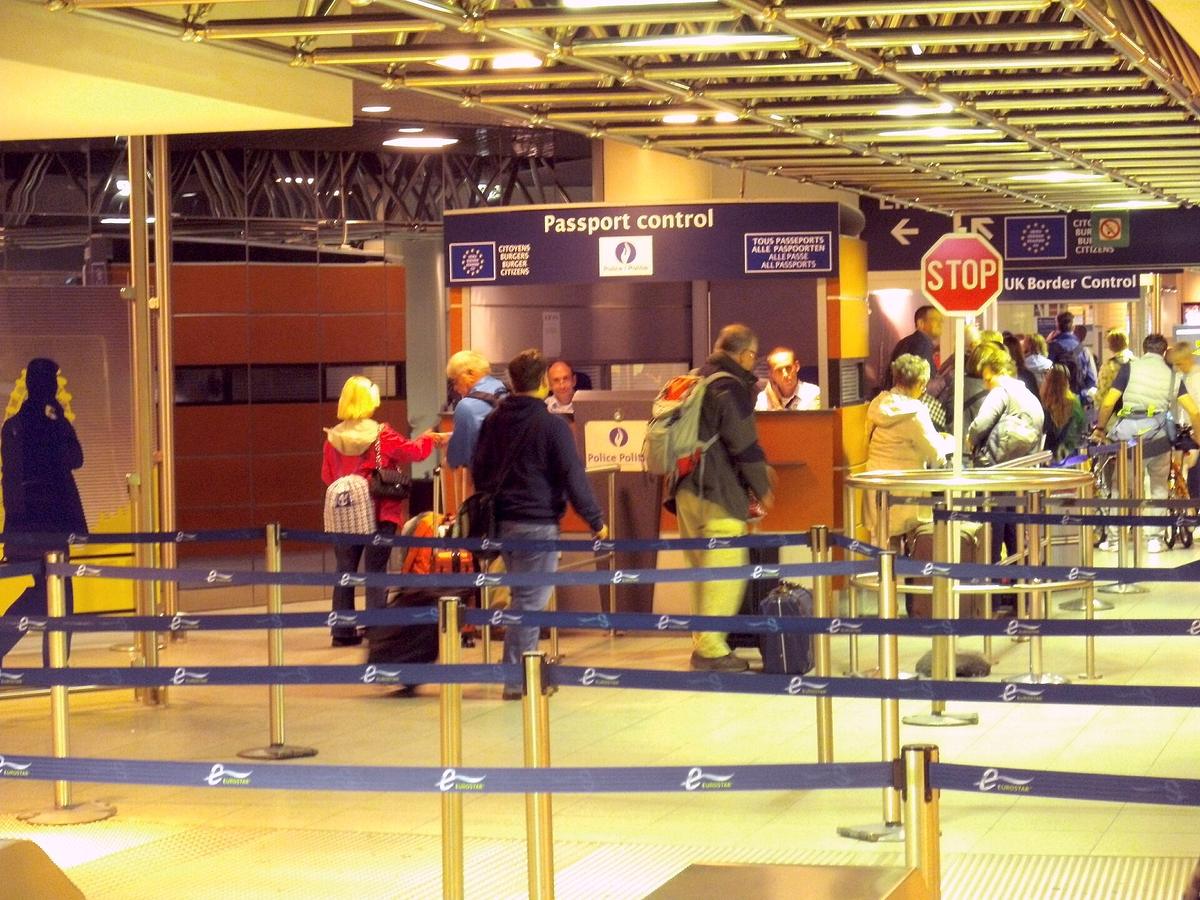
Visa-free nationals do not apply for a visa. They present a valid passport at the border, receive an entry stamp, and are admitted for up to 90 days. The European Travel Information and Authorisation System (ETIAS) was designed to require these travellers to obtain a pre-travel authorisation. As of August 2026, ETIAS is not yet operational. The official launch date has been repeatedly delayed. Visa-free nationals should check the EU's ETIAS website before booking their trip. For now, you board your flight with no extra document beyond your passport.
Germany Visa Requirements: Who This Suits and Who Should Skip
The visa requirements process is strict, paper-heavy, and non-negotiable. It suits travellers who plan ahead, carry printed documents, and accept that bureaucracy runs on formality. It does not suit spontaneous bookings, last-minute flight deals, or anyone hoping to fix entry issues at the airport.
Check your passport validity 6 months before you fly. If it expires within 3 months of your planned exit from the zone, renew it first. Book your appointment the same week you book your flights. Gather every document on the mission's checklist and bring an extra copy. The single thing that most often goes wrong is not the visa itself: it is travellers who buy flexible Deutsche Bahn tickets at triple the fare, or board an ICE train with a regional-only ticket and face a fine. Your visa gets you into the country. Knowing how the transport system works keeps you out of trouble once you are there.
Common Questions
How early can I apply for a German Schengen visa?
You can submit your application up to 6 months before your intended travel date. The recommended lead time is at least 3 to 4 weeks before departure. Last-minute applications are rarely accepted.
Can I get a German visa on arrival?
No. Germany does not issue visas on arrival. All visas must be obtained before travel at a German embassy, consulate, or authorised external service provider in your country of residence.
What happens if my Schengen visa application is rejected?
You receive a formal refusal letter stating the reason. You can appeal the decision through the legal process of the country where you applied. There is no fast-track appeal. Your fee is not refunded.
Do I need to register my address in Germany as a tourist?
If you stay at a hotel or hostel, the accommodation handles your registration automatically. If you stay at a private address for more than 3 months, you must complete a residence registration (Anmeldung) at the local citizens' office within 2 weeks.
What is the difference between a Type C and a Type D German visa?
A Type C Uniform Schengen Visa is for short stays up to 90 days for tourism, business, or family visits. A Type D national visa is for long stays exceeding 90 days, such as work, study, or family reunion. The application process above covers Type C only.
Can I enter another Schengen country with a German Schengen visa?
Yes. A Uniform Schengen Visa issued by Germany allows you to travel freely across all 27 member states for the visa's validity period. You must enter the zone through Germany or have Germany as your main destination.
Do I need a separate visa for Germany if I already have a valid US visa?
Yes. A US visa does not grant visa-free access to the border-free area. You must still apply for a visa through Germany unless your passport is on the visa-free nationality list.
Read next
-

 Staying Connected in Germany With eSIM, Local SIM, or Roaming
Mobile data in Germany means navigating rural black spots, scarce free Wi-Fi, and mandatory passport registration for local SIM cards.
Staying Connected in Germany With eSIM, Local SIM, or Roaming
Mobile data in Germany means navigating rural black spots, scarce free Wi-Fi, and mandatory passport registration for local SIM cards.
-
 When to Visit Germany and What Each Season Actually Delivers
Germany's travel seasons are defined by school holidays, trade fairs, and Christmas markets. Here is when to go and when to avoid.
When to Visit Germany and What Each Season Actually Delivers
Germany's travel seasons are defined by school holidays, trade fairs, and Christmas markets. Here is when to go and when to avoid.
-
 Getting Around Germany Without Falling for the Flexpreis Trap
How to use Germany's train system, avoid a €60 fine for the wrong ticket, and understand the difference between flexible and advance fares.
Getting Around Germany Without Falling for the Flexpreis Trap
How to use Germany's train system, avoid a €60 fine for the wrong ticket, and understand the difference between flexible and advance fares.
-
 Cash Is King in Germany and Your Card Will Often Be Useless
Germany remains a cash-first economy where many restaurants and shops refuse cards. Here is exactly where you need physical euros.
Cash Is King in Germany and Your Card Will Often Be Useless
Germany remains a cash-first economy where many restaurants and shops refuse cards. Here is exactly where you need physical euros.
-
 Is Germany Safe for Travelers and What Are the Actual Risks
Germany is a safe country, but petty theft at markets and fines on trains are real risks. Here is what to actually watch for.
Is Germany Safe for Travelers and What Are the Actual Risks
Germany is a safe country, but petty theft at markets and fines on trains are real risks. Here is what to actually watch for.
-
 How Much a Trip to Germany Actually Costs, Shaped by Region and Season
Germany trip costs split along regional lines, with Bavaria and trade-fair cities operating on a different budget logic than the Harz or Baltic Coast.
How Much a Trip to Germany Actually Costs, Shaped by Region and Season
Germany trip costs split along regional lines, with Bavaria and trade-fair cities operating on a different budget logic than the Harz or Baltic Coast.
-
 A Ground-Level Logistics Guide to Independent Travel in China
First-time independent travel in China: what you need to know about visas, rail booking, eSIMs, mobile payments, and power adapters.
A Ground-Level Logistics Guide to Independent Travel in China
First-time independent travel in China: what you need to know about visas, rail booking, eSIMs, mobile payments, and power adapters.
-
 How Solo Travelers Stay Ahead of Flight Delays and Cancellations
How solo travelers can track inbound aircraft, claim rebooking rights, and adjust ground transport when flights go wrong — step by step.
How Solo Travelers Stay Ahead of Flight Delays and Cancellations
How solo travelers can track inbound aircraft, claim rebooking rights, and adjust ground transport when flights go wrong — step by step.
-
 Why Your eSIM Might Not Work Abroad and How to Check Before You Go
Buying an eSIM doesn't guarantee signal abroad. Learn why coverage fails by location and how to verify reach before you commit to a plan.
Why Your eSIM Might Not Work Abroad and How to Check Before You Go
Buying an eSIM doesn't guarantee signal abroad. Learn why coverage fails by location and how to verify reach before you commit to a plan.