How to Visit the Beijing Hutongs Without Queueing Twice
How to visit the Beijing hutongs without queueing twice: the three kinds of hutong experience from commercial strips to quiet residential lanes, why

How to Visit the Beijing Hutongs Without Queueing Twice
The common myth about Beijing Hutongs is that they are one thing: a single type of old Beijing lane you wander through for an afternoon. That myth costs you time and disappointment. The truth is that Beijing’s surviving network of narrow passageways and courtyard houses splits into three distinct experiences. Pick the wrong one for your mood and you will queue through a commercial strip when you wanted quiet, or find a residential lane locked behind an afternoon closure window you did not plan for.
The hutongs are the historic alleyways formed by lines of siheyuan, the traditional courtyard residences that once covered central Beijing. At the peak of the Qing Dynasty, roughly 6,000 named hutongs existed. The Beijing Municipal Bureau of Culture and Tourism estimates that about 1,000 remain as of 2020. They cluster in the Dongcheng District and Xicheng District, but no two hutong areas deliver the same visit. Know what each major hutong lane actually is before you set out, and you choose the experience you want rather than walking into a crowd you did not ask for.
- What They Are: Narrow lanes and alleys formed by lines of traditional courtyard residences (siheyuan), primarily in central Beijing
- Surviving Count: Approximately 1,000 hutongs remain (2020 estimate, Beijing Municipal Bureau of Culture and Tourism). Verify the current figure at whlyj.bj.gov.cn.
- Primary Districts: Dongcheng District and Xicheng District
- Typical Visit Duration: 1-2 hours per hutong area without museum stops; 30-60 minutes for a rickshaw tour
- Best Time Of Day: Early morning (07:00-09:00) or late afternoon (16:00-18:00) for lower crowd density and softer light
- Best Seasons: April-May and September-October. Avoid July-August humidity and National Day week (1-7 October).
- Entry Cost: Public hutong lanes are free. Specific courtyard museums (e.g., Shijia Hutong Museum) require a ticket. Check the official WeChat mini-program for the current fee.
Nanluoguxiang Hutong: the Commercial Strip You Should Expect
Nanluoguxiang hutong, also called South Gong and Drum Lane, is a 786-metre alley running north-south in the Dongcheng District. It dates from the Yuan Dynasty, which makes it historically significant. But walking it today feels like a pedestrian shopping mall built inside an old lane. At 8 metres wide, it is crowded with boutique shops, street snack stalls, and souvenir vendors. Foot traffic is heavy from 10:00 until late evening. During peak season (April-May and September-October) you will shuffle rather than walk.
Choose this lane if you came for the energy, the snack buying, and the spectacle of a tourist strip. Skip it if you wanted quiet or authenticity. The Drum Tower and Bell Tower sit at the north end of Nanluoguxiang, which makes a logical combination: climb the towers for the hutong rooftop views, then decide if you have the patience for the lane below. Arrive by 08:00 to walk it before the crowds arrive, or skip it entirely if commercial lanes are not your reason for visiting hutongs.
Dashilar Hutong Beijing: Craft Tradition with Heavy Foot Traffic
Dashilar hutong Beijing, also transcribed as Dazhalan, sits west of Qianmen Street in the Xicheng District. This area dates from the Ming Dynasty and has a different character from Nanluoguxiang. The lanes here were Beijing’s original commercial and entertainment district, and they still hold traditional shops selling Chinese medicine, silk, tea, and handmade goods. The architecture is older, the shopfronts less glossy, and the local resident population more visible.
Do not mistake Dashilar for a quiet discovery. Foot traffic is heavy, especially on weekends and during school holidays. The difference is the type of crowd: fewer selfie sticks and more domestic tourists hunting for specific traditional products. Combine a Dashilar walk with the Temple of Heaven, which sits south of the Qianmen hutongs, or with a visit to the Beijing Ancient Observatory if you want a quieter same-day addition.
Wudaoying Hutong Beijing: the Quiet Lane with Courtyard Cafés
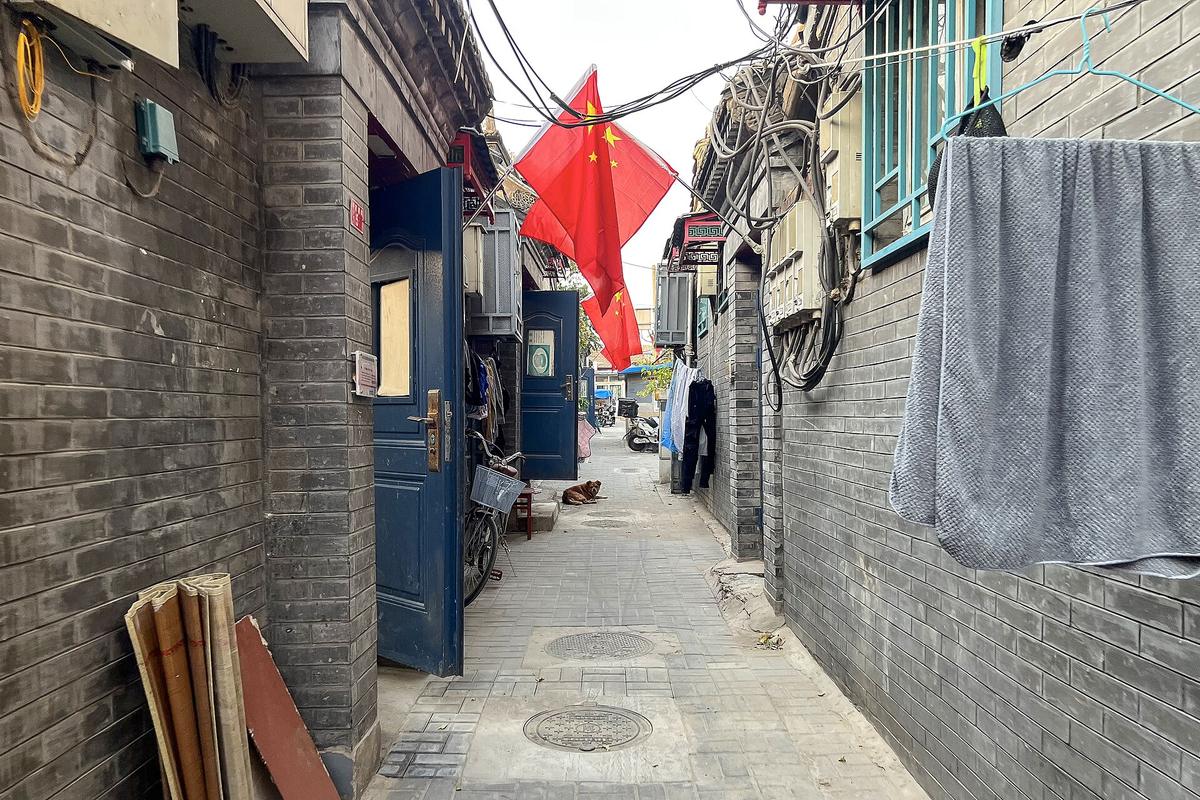
Wudaoying Hutong Beijing runs east-west near the Lama Temple in the Dongcheng District. It is shorter and narrower than the famous hutong lanes, and it draws a fraction of the visitors. The street is lined with cafés set inside old courtyard houses, independent bookshops, and small restaurants that spill onto the narrow passage in warm weather. A few residential siheyuan remain active, with bicycles parked outside and neighbours sweeping the alleyway in the morning.
This is the hutong experience that matches the romantic idea of old Beijing: a residential lane where you can drink coffee inside a traditional compound and watch local life pass by. The trade off is that Wudaoying has no major landmarks. You come here for the atmosphere, not for a checklist sight. Combine it with the Lama Temple and the Confucius Temple and Guozijian, which are a five-minute walk away. Arrive in the morning (07:00-09:00) to see the lane before the cafés open, or come in the late afternoon (16:00-18:00) when the light hits the grey brick walls.
The Afternoon Closure Window That Catches Visitors
One specific friction catches visitors who expect to graze through the hutongs from lunch through dinner: the restaurant closure window between 14:00 and 17:00. Many hutong restaurants, especially the small courtyard cafés and noodle shops, close their kitchens after the lunch rush and do not reopen until evening service. This is not a Beijing-wide rule, but it is common in the hutong lanes where kitchens are small and staff take a break.
If your plan is to walk Wudaoying or Dashilar between 14:00 and 17:00, eat a proper lunch before you arrive or accept that your options will be limited to street snack stalls and convenience store yoghurt in ceramic pots. The yoghurt in grey clay pots, sold citywide, is a reliable backup: Beijing-style set yoghurt scraped clean with a flat spoon. It is not a meal, but it will hold you until dinner.

Beijing Hutong Walking Route: Why a Bicycle Beats Walking
The scale of Beijing is the problem. Distances between sights are enormous, and the city operates as a collection of ring roads, not a walkable centre. A Beijing hutong walking route that tries to connect Nanluoguxiang, Dashilar, and Wudaoying in one afternoon will leave you exhausted and resentful. The metro works, but it requires a security scan at every station entry, and exiting the wrong numbered gate can leave you hundreds of metres from the correct side of a massive intersection.
A bicycle solves this. The hutongs are flat, the distances between clusters are manageable on two wheels, and a bike lets you duck into narrow passageways that taxis cannot enter. Rent a bicycle near the Drum Tower and Bell Tower, where rental stands target hutong visitors. Expect to pay roughly ¥20-30 per hour or ¥80-100 for a full day. The bike also lets you escape the tourist strip quickly: ride one block off Nanluoguxiang into the residential lanes and the crowd disappears.
How To Build Your Own Hutong Route
Start at the Drum Tower and Bell Tower in the morning (07:00-09:00). Ride north to Wudaoying hutong and walk it before the cafés open. Return south to Nanluoguxiang if you want the commercial strip, but arrive before 10:00 or skip it. Ride west toward the Shichahai hutongs, the area around the Houhai and Qianhai lakes, for a mix of water views and residential lanes. Save Dashilar for a separate day, combined with the Temple of Heaven, because the distance between the two hutong clusters is too far for a single relaxed ride.
If you prefer not to ride, a rickshaw tour booked on-site at Shichahai or Qianmen costs a negotiated price per ride. The rickshaw covers less ground and the driver will steer you toward the commercial lanes. Bicycle gives you control over where you stop and how long you stay.
An Honest Caveat About Hutong Exploration
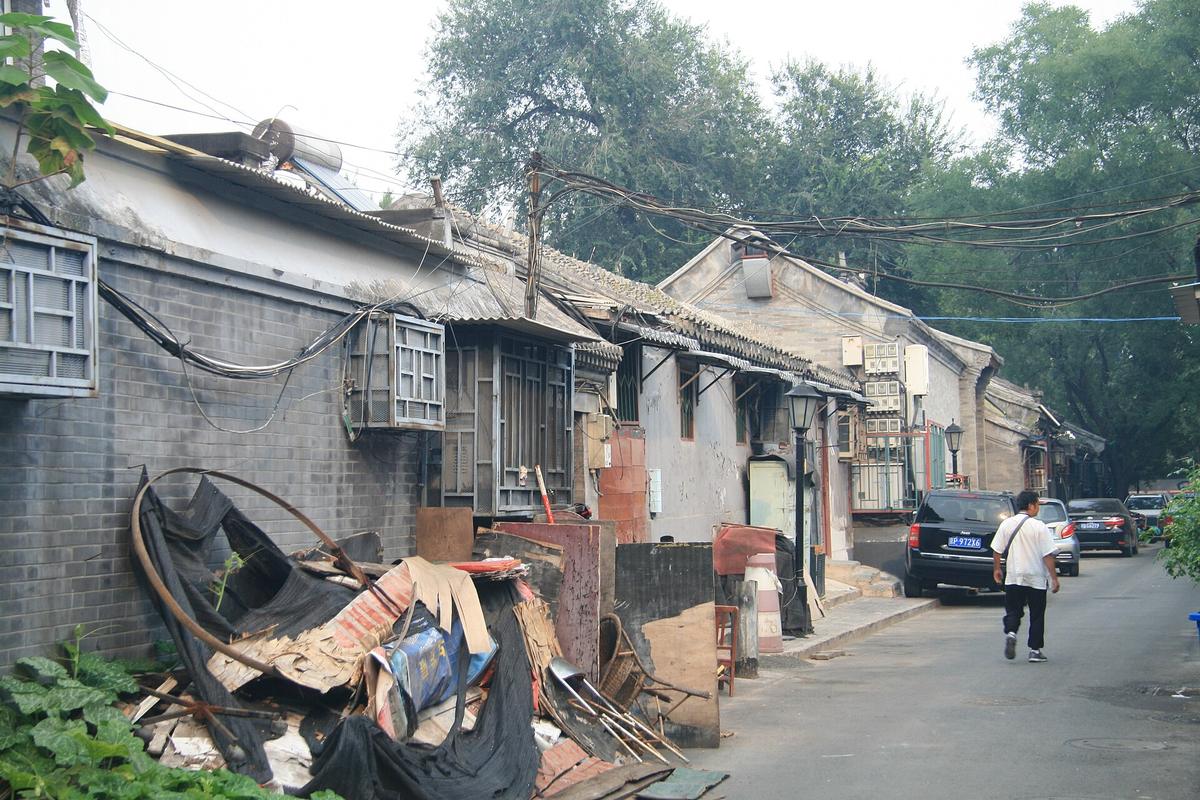
The surviving hutongs are fragments, not continuous old-town districts. The historic fabric of Beijing was lost in waves of demolition and redevelopment, and the remaining 1,000 lanes are interrupted by wide roads, modern apartment blocks, and construction sites. Even Wudaoying, the quietest option, has a Starbucks and a handful of chain stores. The authentic courtyard house experience is increasingly limited to specific museum houses or private compounds you cannot enter. The streets themselves are public, but the life behind the walls is mostly private.
That caveat does not make the hutongs a waste of time. It means you should calibrate your expectations. The best hutong visit is the early morning one, before the shops open, when the narrow passage is used by residents walking their dogs and riding bicycles to work. That version of the hutongs still exists. The afternoon version, in the heat and the crowd, is a different place. Choose your time, choose your lane, and you will find the experience you actually wanted.
Common Questions
Do I need a ticket to walk the hutongs?
No. Public hutong lanes are free thoroughfares. Specific courtyard museums, such as the Shijia Hutong Museum, require a ticket. Book those via the official WeChat mini-program in advance.
Which hutong is most authentic and least crowded?
Wudaoying Hutong near the Lama Temple. It is quieter than Nanluoguxiang and Dashilar, still functions as a residential lane, and has courtyard cafés rather than souvenir shops.
What should I do if a restaurant is closed between 14:00 and 17:00?
Eat a full lunch before 14:00 or rely on street snack stalls and convenience stores. Beijing set yoghurt in ceramic pots is available citywide and makes a reliable snack.
How much time should I budget for one hutong area?
One to two hours per area without museum stops. Add 30 minutes for a rickshaw tour. Do not attempt more than two hutong areas in one day if you are walking.
Read next
-
 Beijing Hotels What Each Price Band Actually Gets You
The most useful fact about Beijing hotels is that not every bed in the city is legally permitted to take your money.
-
 Where to Stay in Beijing District by District and What Each Costs You
Where to stay in Beijing depends on whether you prioritise imperial proximity, nightlife, or calm.
-
 Flying into Beijing PEK or PKX and Getting Out of Both Airports
Flying into Beijing: choosing between PEK and PKX, and exactly how to get from each airport into the city centre without getting stranded after a long flight.
-
 Beijing Things to Do Ordered by Whether It Is Worth the Time
Beijing consumes your day before you see anything. The walk from Tiananmen Square metro exit to the Forbidden City gate is a long stretch of open concrete und
-
 Best Time to Visit Beijing What Each Season Does to the City
The most common mistake travellers make about Beijing is searching for a single perfect month. There is none.
-
 Getting Around Beijing Without Wasting Half the Trip
On a single morning in Beijing you will: tap a QR code to enter the metro, scan your passport at a landmark ticket counter, pay for a jianbing from a cart
-
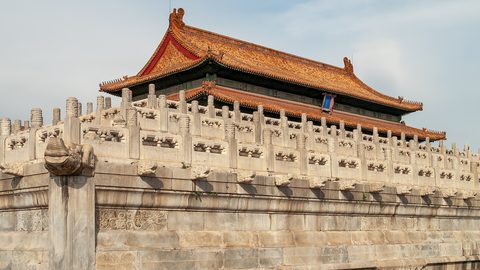 Forbidden City
The Forbidden City runs on a strict one-way route with a single entry and exit. Here is how to plan the Beijing visit without queueing twice.
-
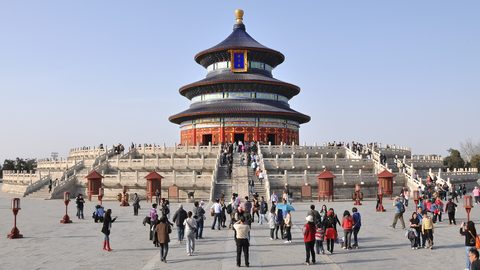 Temple of Heaven
How to visit the Temple of Heaven Beijing without queueing twice: the two-ticket system explained, which gate to use, and why the through ticket saves you a
-
 Summer Palace
How to visit the Summer Palace Beijing without queueing twice: the two time windows that avoid tour buses, which gate to enter, and why walking direction