When to Go to Sweden by Season, Light and Practical Reality
June to August brings midnight sun and open trails, but November is dark and closed, and late February sportlov fills domestic flights and ski resorts.
When to Go to Sweden by Season, Light and Practical Reality
You step off the Arlanda Express 18 minutes after landing. The September light is already softening by 17:30, and the cafe you planned to eat at closes at 18:00. That is the Swedish reality the brochures skip. The best time to visit Sweden depends on what you are willing to trade: daylight hours, open lodges, crowds, and the cost of a train ticket that requires a reservation you forgot to make.
Sweden Seasons Guide: What Each Season Actually Delivers
Sweden runs three distinct climate zones: Götaland in the south, Svealand around the capital, and Norrland stretching into the Arctic. The Sami calendar recognises eight seasons, not four. That tells you something about the margins here. A week in Skåne in March means crocuses and 10 degree afternoons. The same week in Kiruna still has a metre of snow and the Icehotel open through April. The difference is not subtle. It is the difference between cycling on Öland in a sweater and needing a head net against June mosquitoes on the Kungsleden.
Spring arrives in Skåne in March, reaches the capital in April, and touches the Norrland coast in late April to early May. The northern fjäll does not see spring until late May or June. Autumn hits the northern fjäll in late August, the interior by September, and southern Sweden in October. November in the north is the avoid window. It is dark, wet, and pre snow. Many attractions close. The landscape sits in a grey holding pattern until the real winter snow arrives.
How Light Dictates Your Itinerary
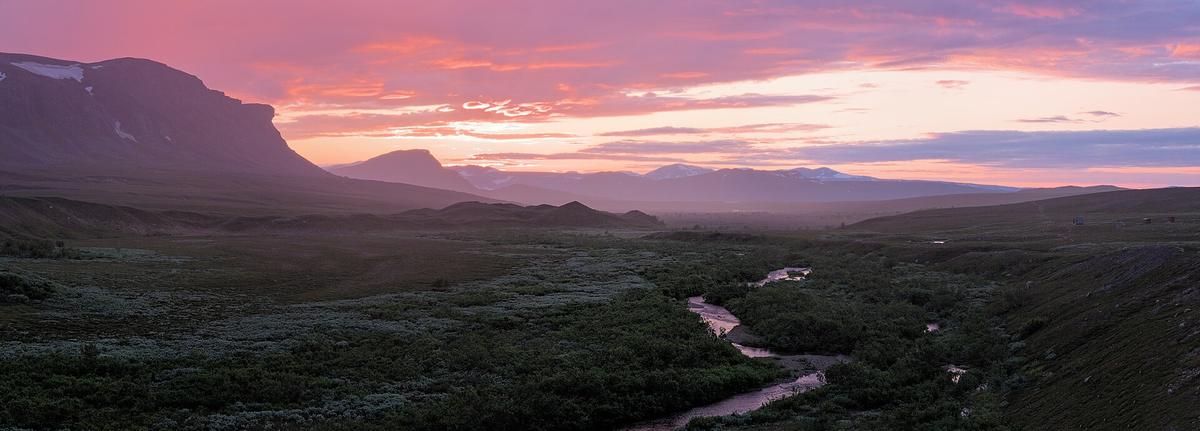
Above the Arctic Circle, the midnight sun runs for roughly 55 days in Abisko, 47 days in Kiruna, and 32 days in Jokkmokk. Luleå gets civil twilight, not a full midnight sun. That extra light is the reason peak season runs June to August. Hike at 23:00. Paddle through the night. But that same latitude produces polar night. Abisko gets about 20 days of nautical twilight at solar noon. Kiruna gets 13 days of civil twilight. If you are coming for the northern lights, the dark window runs late August to early April, with peak probability in September, October, February and March due to the equinox effect. Abisko National Park has a clear sky microclimate that gives it the best odds in the country.
.png)
Peak Season: June to August
Peak season is June to August, driven by the midnight sun in the north, Midsummer celebrations, and the brief window when most seasonal lodges and hiking trails are fully open. Midsummer falls on the Friday and Saturday closest to 24 June. Dalarna, around Lake Siljan, is the epicentre. Book accommodation by March. Otherwise you will be sleeping in the car. The Kungsleden trail, 440 kilometres of Arctic hiking, opens for the northern sections from late June to early September. Hut booking is mandatory. The southern sections open June through September. The Icehotel in Jukkasjärvi closes in April and does not reopen until December. Sleep on ice in the cold months. Hike in the warm ones.
Sea water temperatures in July and August run 16 to 20 degrees in Skåne and Bohuslän, 15 to 19 in the archipelago, and 12 to 16 in the Bothnian Bay. Locals swim in that. Visitors find it brisk. Inland lakes in Götaland hit 18 to 22 degrees. The official bathing season for water quality monitoring runs 20 June to 20 August. Mosquitoes in Norrland peak late June to July. Bring a head net if you are hiking above the Arctic Circle in July. It is not optional.
| Season | Daylight | Crowds | Costs | Best For |
|---|---|---|---|---|
| June to August | 18 to 24 hours above Arctic Circle | Peak everywhere | Highest for accommodation and flights | Hiking, Midsummer, archipelago, midnight sun |
| September to October | Rapidly shortening, aurora dark returns | Dropping sharply after mid August | Shoulder season rates, lower flights | Northern lights, autumn colours, fewer hikers on Kungsleden |
| November to early December | Short, grey, pre snow | Low except Christmas markets | Low season rates, but many attractions closed | City visits only, and only if you tolerate darkness |
| December to April | Polar night in north, short days in south | Christmas and sportlov spikes | Ski resort prices during sportlov, otherwise moderate | Northern lights, dog sledding, Icehotel, downhill and cross country skiing |
| Late April to May | Lengthening fast, snow melting | Low but increasing | Low season rates | Spring in Skåne, cycling on Gotland and Öland, empty trails |
Sweden Midnight Sun Dates and How to Use Them
The midnight sun is not a single date. It is a 55 day window in Abisko, roughly late May to mid July. Kiruna gets 47 days. Jokkmokk gets 32. Base yourself in Abisko National Park for the full experience. The park is also the prime aurora spot, so you can come for the sun in summer and the lights in winter. During midnight sun season the sun does not set, so cafes and attractions keep longer hours. Rural ones still close earlier than you expect. Book the Vasa Museum online in advance to skip queues. That applies year round. Budget for the Arlanda Express. It costs approximately 340 SEK for the 18 minute ride to the centre.
Getting There Without a Tour
Fly into Arlanda, then take SJ trains north. The sleeper service to Narvik runs via Kiruna and Abisko. From December 2024, Vy Tåg operates the route. Do not buy a ticket on the platform without a prior seat reservation. SJ trains require mandatory seat reservations and they sell out, especially during sportlov and around Midsummer. Book at least four weeks ahead for summer travel to Norrland. The Inlandsbanan runs from Kristinehamn to Gällivare, operating June to August with a winter segment between Östersund and Mora. It is slow, scenic, and stops at small towns. It is not a fast way to cover distance.
Sweden Northern Lights Season: When and Where
The northern lights season runs late August to early April. The peak probability months are September, October, February and March, driven by the equinox effect. Abisko National Park is the most reliable location in the country because of its clear sky microclimate. Kiruna and the surrounding area also works. You need a dark sky, clear conditions, and solar activity. Skip November. Too much cloud cover, too much precipitation, and the polar night is not fully dark in Jokkmokk, which gets civil twilight rather than full polar night.
For aurora chasing, the avoid window is November. The sweet spot is late February through March, when the snow is deep, the days are lengthening, and the sky still gets dark enough. The sportlov school holiday falls in weeks 7 to 10, staggered by region. Late February to early March fills domestic flights, trains, and ski resorts with Swedish families. Prices spike. Book accommodation in Abisko or Kiruna by November if you want March dates.
What It Costs in Low Season
Low season runs October to April, excluding Christmas, New Year, and sportlov. Accommodation prices drop 30 to 40 percent. The catch is that many attractions close. The Icehotel operates December to April. Dog sledding runs December to April. Icebreaker tours in the Bothnian Bay run December to April. If you come in November, the ice has not formed reliably, the snow has not stuck, and the lodges are shuttered. You get darkness and rain. Do not come in November.

Sweden Sportlov Travel: the February Ski Holiday You Need to Know
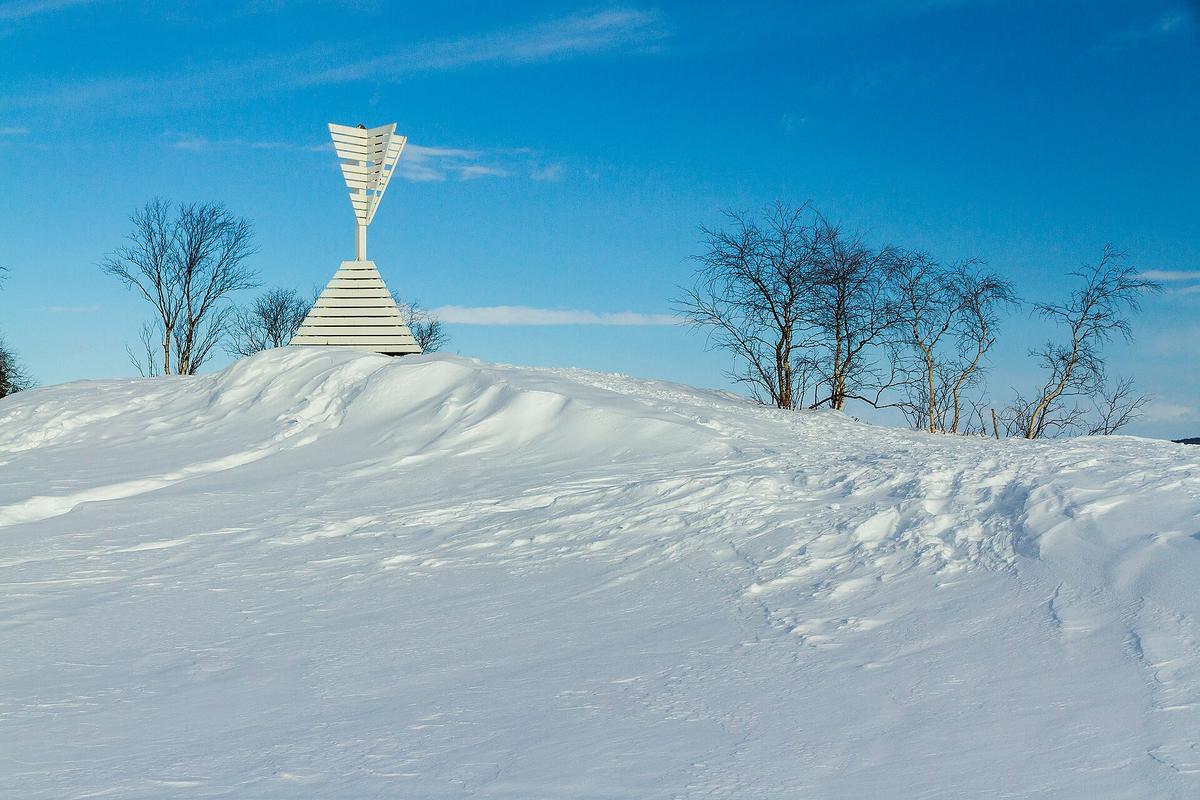
Sportlov is the Swedish school winter sports break, running weeks 7 through 10, staggered by region. Expect domestic flights to Luleå and Kiruna to fill up. SJ trains to Åre, Sälen, and the northern resorts require reservations made weeks in advance. Rental cars at Luleå Airport are booked solid. Ski season in the northern fjäll runs November to early May. Åre runs December to early May. Sälen and Idre run December to April. Cross country skiing in Norrland runs November to April. For empty trails and lower prices, go in early December or late March, after the families have returned to school.
Road congestion to Dalarna during sportlov is heavy on Fridays and Sundays of weeks 8 and 9. The E4 through the capital clogs on Friday afternoons and holiday departure days. The Öresund bridge toll is managed by automatic number plate recognition. No cash accepted. The capital and Göteborg have congestion charging on weekdays. None of this is negotiable. Plan around it or sit in traffic.
Who Sweden is For, and Who Should Skip it
Sweden is for self sufficient road trippers who understand that a 40 minute drive between two villages is not unusual. It is for dedicated hikers and wild campers who carry their own stove. It is for design and architecture enthusiasts who will travel to see a single building. It is for families who want safe, easy outdoor holidays where the biggest risk is a mosquito bite. It is for travellers who prefer solitude over social buzz. It is not for spontaneous luxury seekers who expect a compact, high density destination where everything is open late. It is not for nightlife focused travellers expecting raucous scenes outside the capital. It is not for budget backpackers who will find alcohol, eating out, and internal travel punishing. The single thing that most often goes wrong is underestimating the distance between regions and how early rural cafes and attractions close, even in summer. Plan the timing of your day around opening hours, not the other way around.
Common Questions
How many days do I need for a proper trip?
Minimum 10 days. That allows you to connect at least two distinct regions without spending the entire trip in transit. Do not try to cover both Skåne in the south and Swedish Lapland in the north within a week. That burns two full days on internal travel and leaves no time to experience either region properly.
When do I need to book the Vasa Museum in advance?
Year round. Book online in advance to skip the long queues. Walk up tickets exist but the wait can exceed an hour in peak season.
Can I buy alcohol on a Sunday?
No. Systembolaget, the state run alcohol monopoly for beverages above 3.5 percent ABV, is closed on Sundays. Weekday hours close by 19:00. Saturdays close by 15:00. Plan your purchases.
What happens if I try to buy a train ticket on the platform?
It fails. SJ long distance trains require a mandatory seat reservation. Tickets sell out, especially on Fridays, before Midsummer, and during sportlov. Buy online at least a week ahead.
Are the mosquitoes really that bad in Norrland in summer?
Yes. They peak late June to July. Hiking the Kungsleden without a head net in July is miserable. Bring repellent and a net. The intensity drops by August.
Read next
-
 Staying Connected in Sweden With eSIM, Local SIM or Roaming
Compare eSIM, local SIM cards from Comviq or Telia, and roaming for Sweden, including the dead zones in Sarek and Padjelanta where offline maps are essential.
Staying Connected in Sweden With eSIM, Local SIM or Roaming
Compare eSIM, local SIM cards from Comviq or Telia, and roaming for Sweden, including the dead zones in Sarek and Padjelanta where offline maps are essential.
-
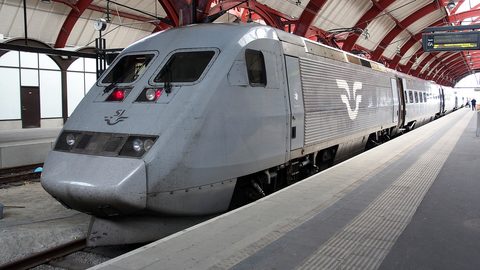 Getting Around Sweden, Trains, Cars and What the Map Oversells
SJ trains connect Swedish cities but mandatory seat reservations sell out, regional buses require apps or contactless cards, and distances between north and
Getting Around Sweden, Trains, Cars and What the Map Oversells
SJ trains connect Swedish cities but mandatory seat reservations sell out, regional buses require apps or contactless cards, and distances between north and
-
 Sweden Visa Requirements and the Schengen Application Process
Who needs a visa for Sweden, who does not, and how the Schengen application process works through Swedish embassies and VFS Global centres.
Sweden Visa Requirements and the Schengen Application Process
Who needs a visa for Sweden, who does not, and how the Schengen application process works through Swedish embassies and VFS Global centres.
-
 Paying for Things in Sweden, Cards, Krona and Where Cash Still Works
Sweden is effectively cashless and many places refuse cash entirely, but the Swish payment app requires a Swedish bank account, leaving tourists reliant on cards.
Paying for Things in Sweden, Cards, Krona and Where Cash Still Works
Sweden is effectively cashless and many places refuse cash entirely, but the Swish payment app requires a Swedish bank account, leaving tourists reliant on cards.
-
 Reading Sweden Safety Advice Without Being Misled by It
Sweden is safe for tourists but the real risks are wilderness isolation, no mobile coverage in Sarek, severe northern mosquitoes, and winter driving conditions.
Reading Sweden Safety Advice Without Being Misled by It
Sweden is safe for tourists but the real risks are wilderness isolation, no mobile coverage in Sarek, severe northern mosquitoes, and winter driving conditions.
-
 What a Trip to Sweden Costs Without the Surprises
Understand the shape of a Sweden travel budget, from the Systembolaget alcohol monopoly rhythm to the free camping that offsets steep restaurant bills.
What a Trip to Sweden Costs Without the Surprises
Understand the shape of a Sweden travel budget, from the Systembolaget alcohol monopoly rhythm to the free camping that offsets steep restaurant bills.
-
 A Ground-Level Logistics Guide to Independent Travel in China
First-time independent travel in China: what you need to know about visas, rail booking, eSIMs, mobile payments, and power adapters.
A Ground-Level Logistics Guide to Independent Travel in China
First-time independent travel in China: what you need to know about visas, rail booking, eSIMs, mobile payments, and power adapters.
-
 How Solo Travelers Stay Ahead of Flight Delays and Cancellations
How solo travelers can track inbound aircraft, claim rebooking rights, and adjust ground transport when flights go wrong — step by step.
How Solo Travelers Stay Ahead of Flight Delays and Cancellations
How solo travelers can track inbound aircraft, claim rebooking rights, and adjust ground transport when flights go wrong — step by step.
-
 Why Your eSIM Might Not Work Abroad and How to Check Before You Go
Buying an eSIM doesn't guarantee signal abroad. Learn why coverage fails by location and how to verify reach before you commit to a plan.
Why Your eSIM Might Not Work Abroad and How to Check Before You Go
Buying an eSIM doesn't guarantee signal abroad. Learn why coverage fails by location and how to verify reach before you commit to a plan.