Who Needs a Visa to Enter Sweden
Who needs a visa for Sweden, who does not, and how the Schengen application process works through Swedish embassies and VFS Global centres.
If you are not an EU, EEA or Swiss citizen, you likely need a Schengen visa to enter Sweden. That is the single most useful fact here. Sweden does not issue visas on arrival and does not offer e-visas. Every application requires an in person appointment at a Swedish embassy, consulate, or authorised VFS Global centre in your country of residence. The full rules, exemptions, and step by step application process are explained below.
Schengen Visa for Sweden: Who Needs One
Sweden has been a full Schengen member since 25 March 2001. A Schengen visa for Sweden grants access to all 27 Schengen states, so a Swedish visa covers neighbouring Nordic countries including Norway, Denmark, Finland, and Iceland for the same trip.
Nationalities That Require A Visa
Citizens of India, China, Russia, South Africa, and many other countries must obtain a Schengen visa before travelling. You apply at the Swedish embassy or consulate in your country of residence. Sweden processes these applications through its own embassies and through VFS Global centres where available.
Nationalities Exempt From A Visa
EU, EEA and Swiss citizens need no visa and enter with a valid passport or national ID card. Citizens of visa exempt non-EU countries including the USA, the UK, Canada, Australia, Japan, and South Korea can stay visa free for up to 90 days within any 180 day period across the Schengen area.
Upcoming ETIAS Requirement
The European Travel Information and Authorisation System (ETIAS) will eventually apply to visa exempt travellers. The exact launch date has not been confirmed as of 2026. When it operates, travellers from visa exempt countries will need an online authorisation before departure. The Swedish Migration Agency (Migrationsverket) at migrationsverket.se is the official source for current entry rules.
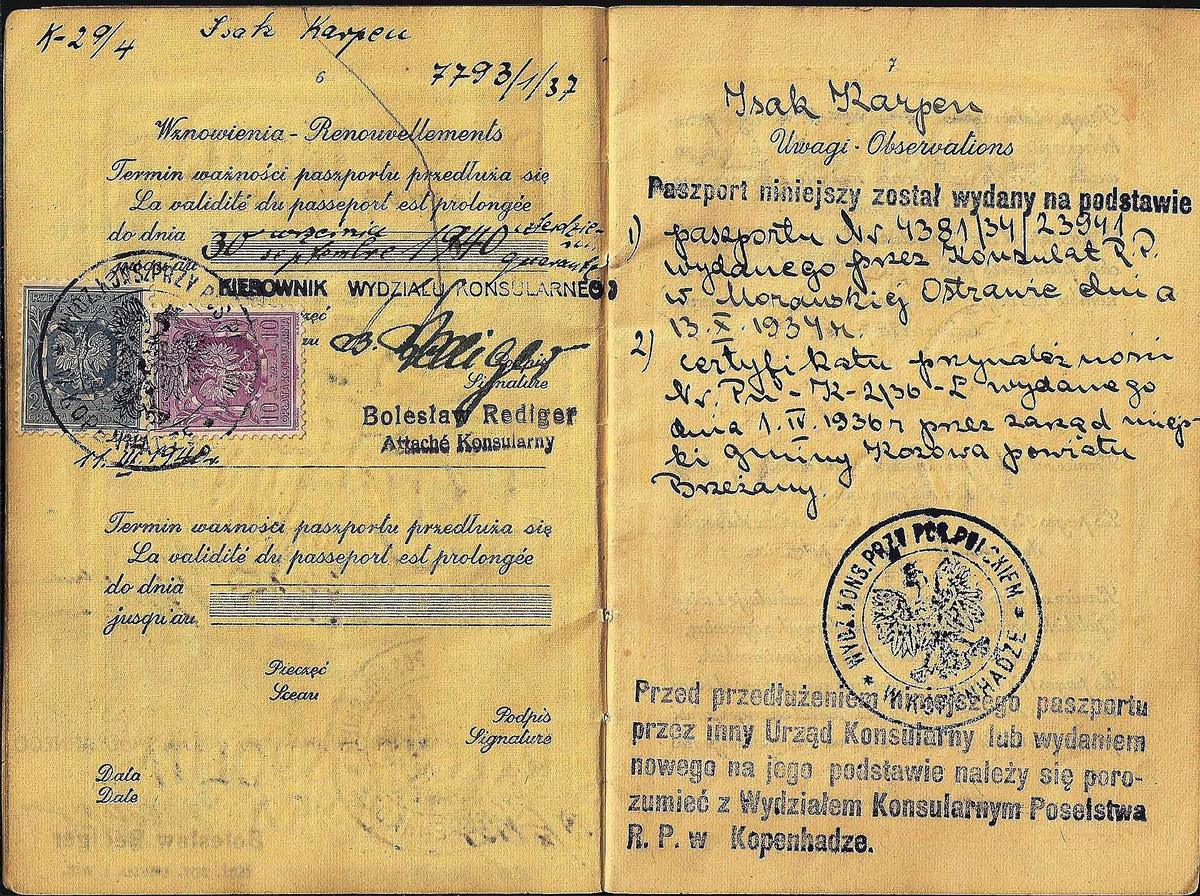

Sweden Entry Requirements for Document Checks
Border officers check specific documents for non-EU and non-EEA travellers. Your passport must be valid for at least three months beyond your intended departure date from the Schengen area and must have been issued within the previous ten years on your date of entry. Non-EU travellers receive passport stamps on entry and exit, and officers run a Schengen Information System (SIS) query.
Documents checked at the border include: a valid passport, a visa if required, proof of accommodation, proof of sufficient funds, and travel insurance covering at least EUR 30,000 in medical costs. The Swedish Migration Agency sets a benchmark of SEK 450 per day of stay, though this figure is subject to periodic adjustment so check the agency's own website for the current rate. EU and EEA citizens undergo a systematic identity check against their travel document but are not routinely stamped. Proof of onward travel may be requested from non-EU and non-EEA travellers at the border.
Sweden has maintained temporary internal border controls since November 2015. The current status of these controls is subject to periodic government decisions. Check the Swedish Police website before crossing from Denmark by road or rail.
| Nationality | Visa Required | Max Stay | Key Document |
|---|---|---|---|
| EU / EEA / Swiss | No | Unlimited (right of entry) | Valid passport or national ID card |
| USA, UK, Canada, Australia, Japan, South Korea | No | 90 days per 180-day period in Schengen | Passport valid 3 months beyond departures, issued within 10 years |
| India, China, Russia, South Africa | Yes | 90 days per 180-day period in Schengen | Schengen visa obtained in advance from Swedish embassy or VFS Global |
| All other non-EU/EEA | Check Swedish Migration Agency | Varies | Check visasweden.com for your country |
Sweden Visa Application Process: Step by Step
The Sweden visa application process requires an in person appointment. Sweden does not accept applications by post or online. Follow these steps in order.
Step 1: Determine The Correct Embassy Or VFS Centre
Apply at the Swedish embassy or consulate in your country of residence. In many countries, Sweden outsources application intake to VFS Global centres. Book an appointment through the official VFS Global website for your country. Do not use third party agents offering fast track services; they cannot bypass the standard process.
Step 2: Prepare Your Documents
The standard Schengen visa application checklist includes: a completed and signed application form, two recent passport sized photographs, your valid passport, travel insurance covering EUR 30,000 in medical costs, flight itinerary showing round trip travel, proof of accommodation for every night of your stay, proof of sufficient funds (SEK 450 per day as a benchmark), and proof of employment or leave. If your application is submitted at a VFS Global centre, the centre will add a service fee on top of the visa fee.
Step 3: Attend The Appointment
Arrive on time. The appointment includes a biometric data collection (fingerprints and photograph). Biometrics are valid for 59 months and can be reused for subsequent Schengen applications within that period.
Step 4: Wait For Processing
Standard processing takes 15 calendar days. Processing times can stretch considerably during the summer peak season from June to August when application volumes spike. Apply at least four weeks before your intended departure. During summer, six to eight weeks is safer.
Step 5: Collect Your Passport
You collect your passport from the same embassy or VFS centre where you applied. Some consulates offer courier return for an additional fee.
Sweden Visa for US Citizens: Exemption, Not Application
US citizens do not need a Schengen visa for Sweden. You enter visa free for stays up to 90 days in any 180 day period. The Sweden visa for US citizens is therefore a non issue: you skip the entire application process. What matters is passport validity. Your US passport must be valid for at least three months beyond your departure date from the Schengen area and must have been issued within the past ten years. At the border, you may be asked for proof of onward travel, accommodation, and sufficient funds, so carry printed copies or have them accessible on your phone. Sweden is a near cashless society, so US travellers will need Visa or Mastercard rather than cash. American Express is less widely accepted.
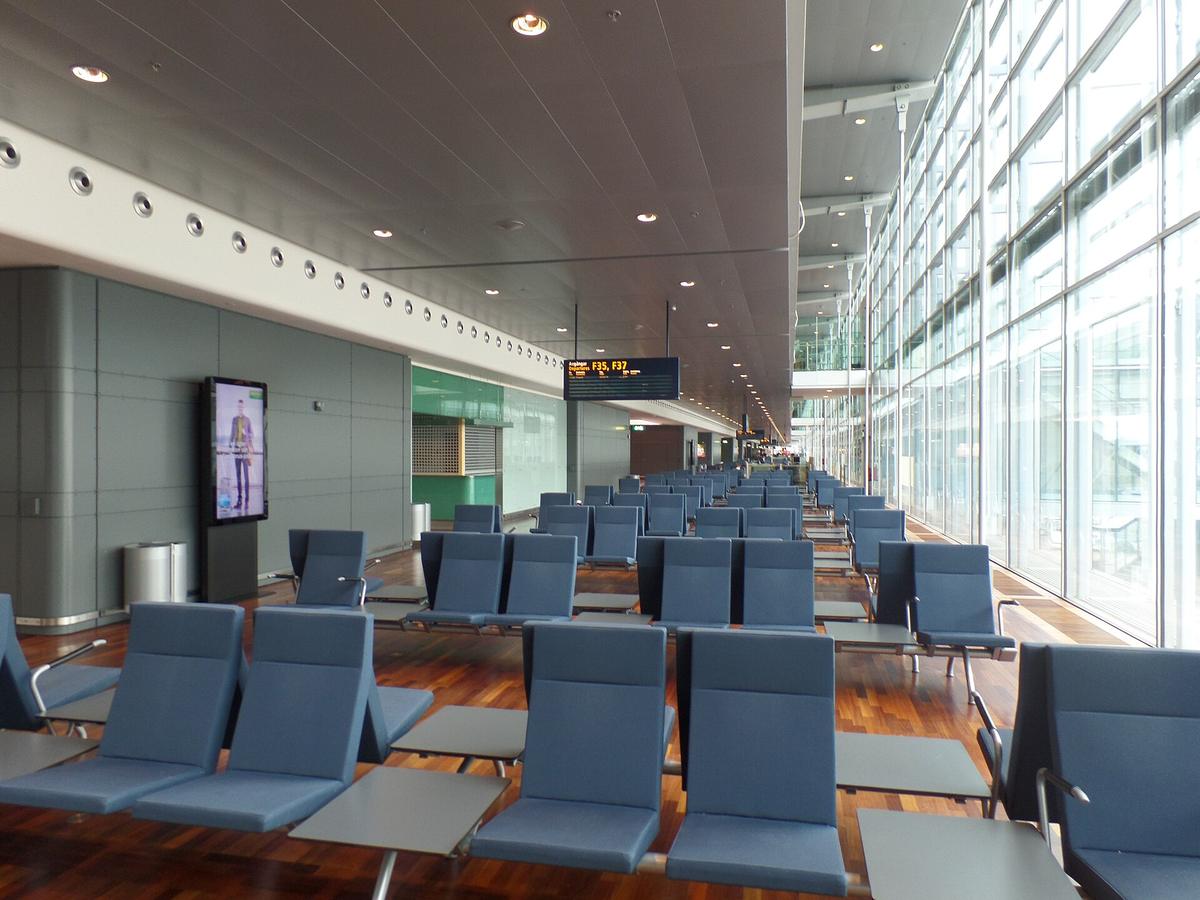

Practical Realities After You Arrive
Sweden delivers vast, quiet nature and a deeply ingrained outdoor access culture, but the gap between glossy city design and the practical remoteness of the north is wider than expected. Distances are real: covering both the deep south and the far north in a single week long trip burns two full days on internal transit. The minimum recommended trip length is 10 days to connect at least two distinct regions without spending the entire stay in transit.
Who Sweden Suits
The country is best suited for self sufficient road trippers, dedicated hikers and wild campers, design and architecture enthusiasts, families seeking safe outdoor holidays, and travellers who prefer solitude over social buzz. Sweden is not for spontaneous luxury seekers wanting a compact, high density destination, nor for nightlife focused travellers expecting late scenes outside Stockholm. Budget backpackers will find costs for alcohol, eating out, and internal travel punishing.
Rules And Realities
Travellers often underestimate that rural cafes and attractions close early, even in summer. The state run alcohol monopoly Systembolaget closes by 19:00 on weekdays, 15:00 on Saturdays, and all day Sunday. Public toilets are scarce. Allemansrätten (right to roam) allows wild camping but forbids driving off road to find a spot and prohibits fires during dry spells, leading to fines. Mosquitoes and biting midges in the north from June to August are severe enough to make hiking without a head net miserable.
Getting In, Getting Around, and the One Thing That Most Often Goes Wrong
Stockholm Arlanda (ARN) is the main international gateway. The Arlanda Express train reaches central Stockholm in 18 minutes for roughly 340 SEK. Gothenburg Landvetter (GOT) uses Flygbussarna coaches to the city centre in 20 to 30 minutes for around 140 SEK. Copenhagen Airport (CPH) in Denmark is a major gateway for southern Sweden, with direct trains to Malmö in 20 minutes for around 150 SEK.
Trains And Cars
For inter city routes, trains are dominant. SJ high speed Snabbtåg (X2000) connect Stockholm, Gothenburg, Malmö, and Sundsvall. Night trains run from Stockholm to Umeå, Luleå, and Kiruna. For rural or northern regions, a rental car is essential. Public transport requires a regional app or a contactless bank card; cash is often refused on buses.
The One Thing That Goes Wrong
Assuming you can buy a long distance SJ train ticket on the platform without a prior seat reservation. Reservations are mandatory on Snabbtåg and night trains, and they sell out, especially during summer and sportlov (the school ski holiday in late February to early March). Book tickets at least a week ahead.
Districts and the Northern Lights Window
Sweden divides into three main tourism regions: Götaland in the south, Svealand in the centre, and Norrland in the north. Norrland covers 60 percent of the land area and includes Swedish Lapland, where the midnight sun appears north of the Arctic Circle from late May to mid-July and polar night occurs from early December to early January. The northern lights are visible across Norrland from September to March, with the strongest displays in Lapland. Abisko National Park has a clear sky microclimate that makes it a prime aurora spot.
Key Districts
Key districts include the Stockholm Archipelago (30,000 islands), the Gothenburg and Bohuslän coast (rocky granite shoreline and fishing villages), Malmö and Skåne (rolling farmland and sandy beaches), the island of Gotland (medieval Visby and limestone sea stacks), Dalarna (red painted cottages and Midsummer epicentre), Swedish Lapland (Arctic wilderness and Sami culture), the High Coast (World Heritage coastline rising from the sea), Värmland (deep forest and thousands of lakes), and Småland (dense woods and the glassworks district).
Day Trips
For a day trip from Stockholm, Uppsala is 40 minutes by SJ train. From Malmö, Lund is 10 minutes by Öresundståg train. From Gothenburg, Marstrand is 45 minutes by bus plus a short ferry.
Common Questions
Do I need a visa for Sweden if I have a US passport?
No. US citizens can stay visa free in Sweden for up to 90 days within any 180 day period across the Schengen area. Your passport must be valid for at least three months beyond your departure date and issued within the past ten years.
How long does a Sweden Schengen visa take to process?
Standard processing is 15 calendar days. During the summer peak season from June to August, processing can stretch to six weeks or longer. Apply at least four weeks in advance, and six to eight weeks if travelling in summer.
Can I get a Sweden visa on arrival?
No. Sweden does not issue visas on arrival. You must obtain a Schengen visa before departure from the Swedish embassy, consulate, or VFS Global centre in your country of residence.
Does Sweden offer e visas?
No. Sweden does not offer e visas. All Schengen visa applications require an in person appointment for biometric data collection.
What documents do I need for a Sweden visa application?
A completed application form, two passport sized photographs, a passport valid for three months beyond departure, travel insurance covering EUR 30,000 in medical costs, round trip flight itinerary, accommodation bookings, proof of sufficient funds (SEK 450 per day), and proof of employment. Additional documents may be requested depending on your circumstances.
If I get a Swedish visa, can I visit Norway and Denmark?
Yes. Sweden is a full Schengen member. A Swedish Schengen visa allows you to travel to all other Schengen countries, including Norway, Denmark, Finland, and Iceland, for the same trip.
What is the failure point most travellers hit with Swedish entry?
Assuming a train ticket can be bought at the platform without a seat reservation. SJ long distance services and night trains require mandatory seat reservations, and they sell out days in advance, especially in summer and during sportlov in late February to early March. Book online at least a week ahead.
Read next
-

 Staying Connected in Sweden With eSIM, Local SIM or Roaming
Compare eSIM, local SIM cards from Comviq or Telia, and roaming for Sweden, including the dead zones in Sarek and Padjelanta where offline maps are essential.
Staying Connected in Sweden With eSIM, Local SIM or Roaming
Compare eSIM, local SIM cards from Comviq or Telia, and roaming for Sweden, including the dead zones in Sarek and Padjelanta where offline maps are essential.
-
 Best Time to Visit Sweden and What Each Season Actually Does
June to August brings midnight sun and open trails, but November is dark and closed, and late February sportlov fills domestic flights and ski resorts.
Best Time to Visit Sweden and What Each Season Actually Does
June to August brings midnight sun and open trails, but November is dark and closed, and late February sportlov fills domestic flights and ski resorts.
-
 Getting Around Sweden, Trains, Cars and What the Map Oversells
SJ trains connect Swedish cities but mandatory seat reservations sell out, regional buses require apps or contactless cards, and distances between north and
Getting Around Sweden, Trains, Cars and What the Map Oversells
SJ trains connect Swedish cities but mandatory seat reservations sell out, regional buses require apps or contactless cards, and distances between north and
-
 Paying for Things in Sweden, Cards, Krona and Where Cash Still Works
Sweden is effectively cashless and many places refuse cash entirely, but the Swish payment app requires a Swedish bank account, leaving tourists reliant on cards.
Paying for Things in Sweden, Cards, Krona and Where Cash Still Works
Sweden is effectively cashless and many places refuse cash entirely, but the Swish payment app requires a Swedish bank account, leaving tourists reliant on cards.
-
 Reading Sweden Safety Advice Without Being Misled by It
Sweden is safe for tourists but the real risks are wilderness isolation, no mobile coverage in Sarek, severe northern mosquitoes, and winter driving conditions.
Reading Sweden Safety Advice Without Being Misled by It
Sweden is safe for tourists but the real risks are wilderness isolation, no mobile coverage in Sarek, severe northern mosquitoes, and winter driving conditions.
-
 What a Trip to Sweden Costs Without the Surprises
Understand the shape of a Sweden travel budget, from the Systembolaget alcohol monopoly rhythm to the free camping that offsets steep restaurant bills.
What a Trip to Sweden Costs Without the Surprises
Understand the shape of a Sweden travel budget, from the Systembolaget alcohol monopoly rhythm to the free camping that offsets steep restaurant bills.
-
 A Ground-Level Logistics Guide to Independent Travel in China
First-time independent travel in China: what you need to know about visas, rail booking, eSIMs, mobile payments, and power adapters.
A Ground-Level Logistics Guide to Independent Travel in China
First-time independent travel in China: what you need to know about visas, rail booking, eSIMs, mobile payments, and power adapters.
-
 How Solo Travelers Stay Ahead of Flight Delays and Cancellations
How solo travelers can track inbound aircraft, claim rebooking rights, and adjust ground transport when flights go wrong — step by step.
How Solo Travelers Stay Ahead of Flight Delays and Cancellations
How solo travelers can track inbound aircraft, claim rebooking rights, and adjust ground transport when flights go wrong — step by step.
-
 Why Your eSIM Might Not Work Abroad and How to Check Before You Go
Buying an eSIM doesn't guarantee signal abroad. Learn why coverage fails by location and how to verify reach before you commit to a plan.
Why Your eSIM Might Not Work Abroad and How to Check Before You Go
Buying an eSIM doesn't guarantee signal abroad. Learn why coverage fails by location and how to verify reach before you commit to a plan.