Understanding If Sweden Is Safe for Tourists Right Now
Sweden is safe for tourists but the real risks are wilderness isolation, no mobile coverage in Sarek, severe northern mosquitoes, and winter driving conditions.
You step off the Arlanda Express after 18 minutes and walk toward Gamla Stan. A man approaches with a shell game on a cardboard box. You have seen this before. You walk past. That is the closest most visitors get to a safety incident in Sweden.
Is Sweden Safe for Tourists? What the Headlines Miss
Sweden is safe for tourists. Violent crime affecting visitors is rare by any international comparison. The terrorism threat level sits at elevated (level 3 of 5) as of the 2023 assessment by the Swedish Security Service, and the Swedish Police report theft and burglary as the most common crime type. Pickpocketing happens in Stockholm Central Station, on crowded metro cars, and in Gamla Stan during summer. That is the extent of the urban risk. The rest of the danger lies not in what people do to you, but in what the landscape does when you are unprepared.

Sweden Travel Safety Advice: Read Past the Media
International media coverage of Sweden tends toward two extremes: idyllic Nordic calm or alarmist crime reporting from specific urban districts. Neither matches the practical reality for someone moving through the country by train or rental car. The gap between glossy city design and the practical remoteness of the north is wider than most visitors expect. Reserved social codes can feel isolating. Rural cafes and attractions close early, even in summer. Self-sufficient road-trippers and dedicated hikers are the travellers best served here. Spontaneous luxury seekers and nightlife-focused travellers will find the friction instead.
Sweden Solo Female Travel Safety: Practical Reality
Solo female travellers report feeling safe walking alone in Stockholm, Gothenburg, and Malmö at night, with the same urban awareness you would use in any European capital. The real concern is not personal safety but isolation. On trails such as the 440-kilometre Kungsleden, you can walk for hours without seeing another person. Mobile coverage drops sharply inside Sarek National Park and Padjelanta. If you twist an ankle, the next hiker may not arrive until the next day.
Download offline maps before you leave town. Carry a power bank. Tell someone your route and your expected return window. The Swedish Mountain Rescue Service, coordinated by JRCC in Gothenburg, responds quickly, but rescue involves helicopter costs that your travel insurance should cover. Check your policy for mountain rescue and repatriation specifically.
Sweden Wild Camping Safety: Allemansrätten and Its Limits
The right of public access, Allemansrätten, allows you to camp temporarily on private land, but it comes with hard rules. You cannot camp within 70 metres of a dwelling. You cannot drive off-road to find a spot. You cannot light a fire on bare rock or during fire bans issued by the county administrative boards, which happen frequently May through August. The fine for an illegal fire runs into thousands of kronor. Mosquitoes in northern inland areas from June to August are severe enough to make hiking without a head net miserable. The same applies to biting midges near water. Book a hut on the northern sections of the Kungsleden, where the mosquito intensity peaks in July and the huts require advance reservation. Do not rely on finding an empty bed.
Sweden Winter Driving Safety: What the Law Requires
Winter tyres are mandatory from 1 December to 31 March when winter road conditions exist. Minimum tread depth is 3 millimetres. Studded tyres are permitted from 1 October to 15 April. The blood alcohol limit is 0.02 per cent, effectively zero tolerance. Daytime running lights are mandatory at all times. Handheld phone use while driving is prohibited.
Wildlife collisions are a genuine risk nationwide: moose, deer, and reindeer on the roads, with the highest probability at dawn and dusk. Reindeer warning zones cover all of Norrbotten, Västerbotten, and Jämtland, and reindeer are on the road year-round. Check road conditions via the Trafikverket app before every drive. The default speed limit on motorways is 110 km/h, but sections vary from 100 to 120 km/h. Rural roads default to 70 km/h, with a range of 70 to 100 km/h depending on signage. Black ice forms early in November, before snow cover arrives, which is the most dangerous driving window of the year.
| Service | Number |
|---|---|
| Emergency (police, fire, ambulance) | 112 |
| Non-urgent police | 114 14 |
| Non-urgent medical advice | 1177 |
| Poison information (emergency) | 112 |
| Poison information (non-urgent) | 010-456 67 00 |
| Road condition information | Trafikverket website and app |
| Official emergency information portal | Krisinformation.se |
| Civil defence siren test schedule | First Monday of March, June, September, December at 15:00 |
Real Risks Beyond the Headlines: What Actually Goes Wrong
Pickpocketing And Scams
Stockholm Central Station and Gamla Stan are the main zones. Taxi overcharging, fake charity collectors, and street gambling with the shell game are the reported scams. Keep your wallet in a front pocket or a zipped bag. Do not accept help from strangers at ticket machines.Systembolaget Hours
The state-run alcohol monopoly closes by 19:00 on weekdays, 15:00 on Saturdays, and all day Sunday. This wrecks evening plans if you forget. If you want wine with dinner, buy it before 15:00 on Saturday or order it at the restaurant.Public Toilets And Cash
Public toilets are scarce and often require Swish, which you cannot use without a Swedish bank account, or a specific coin. Plan your stops. Cafes are your best bet if you buy something. Sweden is near-cashless. Many buses and shops refuse cash. Your contactless bank card or Apple Pay works almost everywhere, but carry a backup card in case your primary one fails.Mobile Coverage Dead Zones
Coverage drops sharply inside Sarek and Padjelanta national parks, and on sections of the Kungsleden. Download offline maps from Google Maps or a dedicated hiking app before you leave the last town with signal. Physical SIM cards from Comviq or Telia cost about 100 SEK at Pressbyrån convenience stores.Health Risks: Ticks, Mosquitoes, and Cold Water
Tick-borne encephalitis (TBE) risk zones cover coastal and lake areas south of the Dalälven river, including the Stockholm archipelago, the Mälaren region, parts of Lake Vänern and Lake Vättern, and the islands of Gotland and Öland. If you plan to walk in grassy or wooded areas during tick season (spring to autumn), vaccination is recommended. Lyme disease occurs nationwide where ticks are present; there is no vaccine. Mosquito intensity is high in northern inland areas from June to August, peaking in July. Head nets are not optional. Cold water shock is a risk year-round in mountain lakes and streams, where water temperatures stay below 15°C even in summer. Lake water in the south reaches 15 to 22°C; the Baltic Sea sits at 15 to 20°C. Do not assume a warm day means warm water.
Common Questions
What is the emergency number in Sweden?
Dial 112 for police, fire, or ambulance. For non-urgent police matters, call 114 14. For non-urgent medical advice, call 1177.
Do I need travel insurance for Sweden?
Yes. Travel insurance is recommended for all visitors to cover medical evacuation, repatriation, and non-subsidised care costs. EU/EEA citizens can use the European Health Insurance Card (EHIC) at public facilities for the same fees as residents. UK citizens use the GHIC. Non-EU/EEA citizens pay full cost unless covered by insurance.
Is tap water safe to drink?
Yes. Tap water is safe to drink nationwide. Do not buy bottled water.
Can I use cash in Sweden?
Rarely. Sweden is a near-cashless society. Most businesses and public transport do not accept cash. Use a contactless bank card or mobile payment system such as Apple Pay or Google Pay.
Do I need a visa to visit Sweden?
EU/EEA citizens need a valid passport or national ID card. Non-EU/EEA citizens need a valid passport and may need a visa under Schengen rules. Check with the Swedish Migration Agency before booking.
What should I do if I hit a moose or reindeer?
Pull over safely. Call 112 if anyone is injured. Report the collision to the police. Do not approach the animal. Moose are large and dangerous when injured.
How do I find out about fire bans before camping?
Check the website of the county administrative board for the region you are in, or visit Krisinformation.se, which aggregates official emergency information in English and Swedish.
Read next
-
 Staying Connected in Sweden With eSIM, Local SIM or Roaming
Compare eSIM, local SIM cards from Comviq or Telia, and roaming for Sweden, including the dead zones in Sarek and Padjelanta where offline maps are essential.
Staying Connected in Sweden With eSIM, Local SIM or Roaming
Compare eSIM, local SIM cards from Comviq or Telia, and roaming for Sweden, including the dead zones in Sarek and Padjelanta where offline maps are essential.
-
 Best Time to Visit Sweden and What Each Season Actually Does
June to August brings midnight sun and open trails, but November is dark and closed, and late February sportlov fills domestic flights and ski resorts.
Best Time to Visit Sweden and What Each Season Actually Does
June to August brings midnight sun and open trails, but November is dark and closed, and late February sportlov fills domestic flights and ski resorts.
-
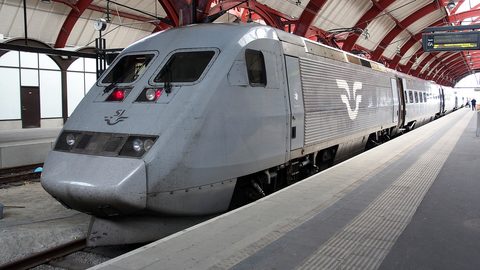 Getting Around Sweden, Trains, Cars and What the Map Oversells
SJ trains connect Swedish cities but mandatory seat reservations sell out, regional buses require apps or contactless cards, and distances between north and
Getting Around Sweden, Trains, Cars and What the Map Oversells
SJ trains connect Swedish cities but mandatory seat reservations sell out, regional buses require apps or contactless cards, and distances between north and
-
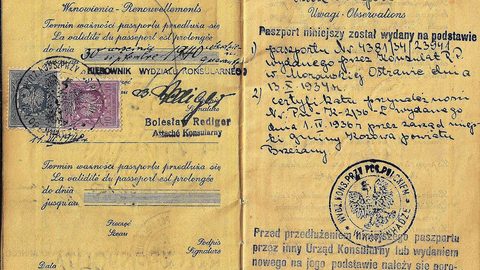 Sweden Visa Requirements and the Schengen Application Process
Who needs a visa for Sweden, who does not, and how the Schengen application process works through Swedish embassies and VFS Global centres.
Sweden Visa Requirements and the Schengen Application Process
Who needs a visa for Sweden, who does not, and how the Schengen application process works through Swedish embassies and VFS Global centres.
-
 Paying for Things in Sweden, Cards, Krona and Where Cash Still Works
Sweden is effectively cashless and many places refuse cash entirely, but the Swish payment app requires a Swedish bank account, leaving tourists reliant on cards.
Paying for Things in Sweden, Cards, Krona and Where Cash Still Works
Sweden is effectively cashless and many places refuse cash entirely, but the Swish payment app requires a Swedish bank account, leaving tourists reliant on cards.
-
 What a Trip to Sweden Costs Without the Surprises
Understand the shape of a Sweden travel budget, from the Systembolaget alcohol monopoly rhythm to the free camping that offsets steep restaurant bills.
What a Trip to Sweden Costs Without the Surprises
Understand the shape of a Sweden travel budget, from the Systembolaget alcohol monopoly rhythm to the free camping that offsets steep restaurant bills.
-
 A Ground-Level Logistics Guide to Independent Travel in China
First-time independent travel in China: what you need to know about visas, rail booking, eSIMs, mobile payments, and power adapters.
A Ground-Level Logistics Guide to Independent Travel in China
First-time independent travel in China: what you need to know about visas, rail booking, eSIMs, mobile payments, and power adapters.
-
 How Solo Travelers Stay Ahead of Flight Delays and Cancellations
How solo travelers can track inbound aircraft, claim rebooking rights, and adjust ground transport when flights go wrong — step by step.
How Solo Travelers Stay Ahead of Flight Delays and Cancellations
How solo travelers can track inbound aircraft, claim rebooking rights, and adjust ground transport when flights go wrong — step by step.
-
 Why Your eSIM Might Not Work Abroad and How to Check Before You Go
Buying an eSIM doesn't guarantee signal abroad. Learn why coverage fails by location and how to verify reach before you commit to a plan.
Why Your eSIM Might Not Work Abroad and How to Check Before You Go
Buying an eSIM doesn't guarantee signal abroad. Learn why coverage fails by location and how to verify reach before you commit to a plan.