A Sweden Trip Cost Breakdown That Shows Every Expense
Understand the shape of a Sweden travel budget, from the Systembolaget alcohol monopoly rhythm to the free camping that offsets steep restaurant bills.
The Real Shape of a Sweden Travel Budget
The common assumption is that a Sweden trip cost breakdown starts and ends with expensive hotels and flights. That misses the point. The money does not spread evenly. Costs cluster hard around two things: alcohol and eating out. Accommodation is the single largest daily line item, yes, but the budget gets disfigured by a round of drinks at a bar or a dinner that runs past 500 SEK per person before you blink. The cheap stuff is equally lopsided. Museum entry is low cost or free. Tap water in restaurants is always free and routinely served. Outdoor recreation under Allemansrätten costs nothing. The shape of the budget is what matters: where the spikes are and where the valleys are, not the average daily number.
Sweden Daily Budget: Three Tiers, Not One Number
A daily average is meaningless because your spending jumps depending on whether you cooked pasta in a cabin kitchen or sat down for a three course dinner. Break it into three distinct modes.
Budget Tier: Hostel Or Camping, Self Catered
Plan around 700 to 900 SEK per day. That covers a hostel dorm bed or a simple cabin at a municipal campground with shared facilities, groceries from a supermarket, a lunch special at a café, and local bus or advance booked train tickets. Alcohol comes from the state monopoly store, drunk at your accommodation, not a bar. A dagens lunch includes a hot meal, salad, bread, and coffee with free refills. Cooking your own dinner keeps the evening meal under 60 SEK per person.
Mid Range Tier: Private Room, Mixed Meals
Expect 1,500 to 2,200 SEK per day. A private room in a three star hotel or a guesthouse with a private bath sits around 900 to 1,300 SEK in lower season. You eat the lunch special during the day and a casual dinner main course at night. You buy wine at the monopoly shop instead of paying the restaurant markup. You might pay for one paid attraction per day. A flexible train ticket or a rental car replaces the bus.
Luxury Tier: Full Board, Design Hotel, Activities
From 3,500 SEK per day upward. A design hotel in the capital or a wilderness lodge in Swedish Lapland with full board runs 2,000 to 3,500 SEK for the room alone. Dinner with wine in a restaurant can hit 800 to 1,200 SEK per person. Add guided activities: dog sledding, a northern lights tour, a boat in the archipelago. This tier is where costs stop being predictable.

Alcohol Prices: the Inflection Point
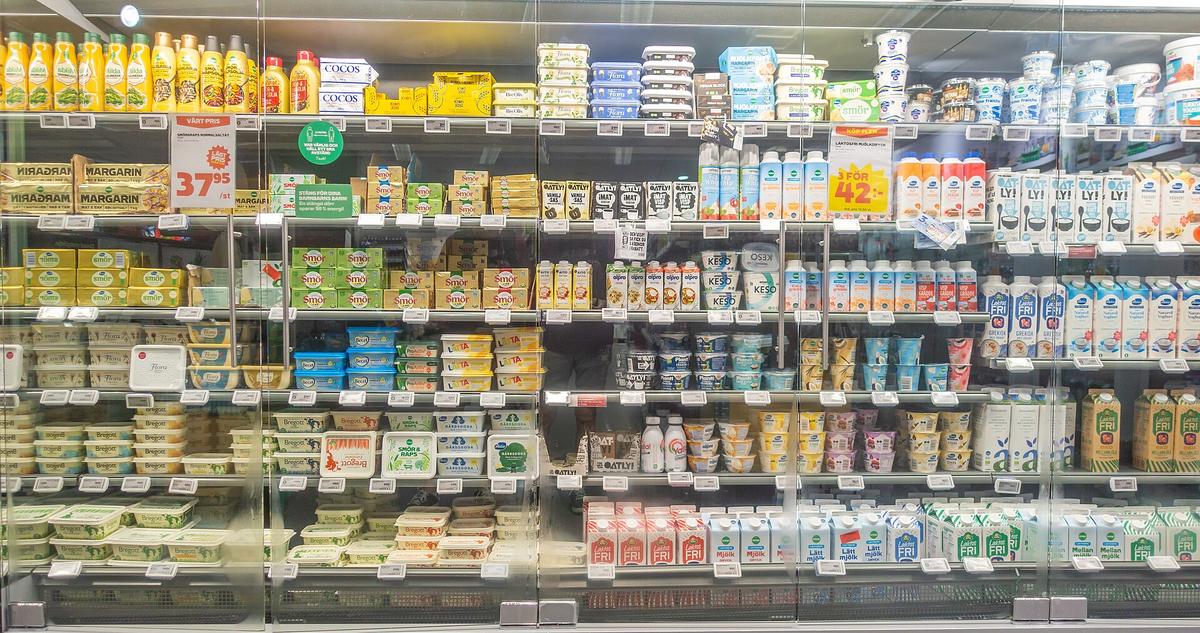
A beer at a city bar costs 75 to 95 SEK. A glass of wine starts higher. A cocktail runs steep. Three drinks and you have spent the equivalent of a hostel bed. The state run monopoly is the only place to buy beer above 3.5% ABV, wine, or spirits. Supermarkets sell folköl at 3.5% ABV or lower. The price difference is massive. A six pack of decent Swedish craft beer at the monopoly costs a fraction of what those same beers cost ordered one at a time in a bar.
The real trap is the rhythm. The monopoly shops close by 19:00 on weekdays, 15:00 on Saturdays, and all day Sunday. If you arrive on a Sunday evening without alcohol for the night, your options are supermarket folköl or nothing. Plan your shopping around the hours. Buy what you need for the weekend on Friday before 19:00 or Saturday before 15:00. Northern towns often close earlier. Check the local branch hours when you arrive, not when you run out.
Sweden Eating Out Cost: the Biggest Budget Escalator
Eating out is where the mid range budget turns into luxury without warning. A dagens lunch is the only affordable cooked meal in Sweden. Served weekdays roughly 11:00 to 14:00, it includes a main dish, salad bar, bread, and coffee with free refills. At dinner, that same café charges more for a main course without sides. A casual restaurant main course runs 250 to 400 SEK. A three course dinner with a glass of wine at a mid range restaurant in central Stockholm or Gothenburg lands at 600 to 900 SEK per person.
The strategy is obvious but easy to ignore: make lunch your main cooked meal of the day. Eat a picnic dinner of grocery bread, cheese, Swedish crispbread, and maybe some pre cooked reindeer suovas from a supermarket. Grocery stores in all towns carry ready to eat salads, pre made sandwiches, and hot dogs for under 40 SEK. The savings are 200 to 400 SEK per day, every day.
What Surströmming Costs And Where To Skip It
If you want to try surströmming, a can costs 80 to 120 SEK at the monopoly shop or a specialty shop. The ritual requires opening it outdoors only, far from buildings. Do not order it in a restaurant. Most places that serve it do so as a tourist novelty at inflated prices, and the smell inside a dining room is unpleasant for other customers.
Sweden Budget Tips: Where the Money Actually Goes and How to Keep it
Domestic transport is the second largest line item after accommodation. Distances are long. A night train from the capital to Kiruna costs 600 to 1,200 SEK for a couchette in low season and more in peak. Book the night train and you save a night of accommodation. The standard SJ train ticket requires a seat reservation ahead of time. Buying on the platform without one is a mistake that leaves you stranded. Long distance buses by FlixBus or Vy Buss are cheaper, around 300 to 600 SEK on the same route, but take three to four hours longer.
Taxis are unregulated. Always check the fixed price or per kilometer rate before getting in. A ten minute ride in the city can cost 300 to 500 SEK. Single use public transport tickets in cities are similarly punishing. A single ticket costs 42 SEK while a 24 hour pass costs less than two single tickets. Buy the day pass if you use three or more trips. Use a contactless bank card on buses. Cash is often refused.
Self Catering Infrastructure And The Free Outdoors
Self catering is the single most effective cost control tool. Most cabins and campgrounds have kitchenettes. Camping grounds have communal kitchens. Supermarkets in any town of more than a few thousand people stock everything. Allemansrätten permits wild camping for one to two nights on uncultivated land away from dwellings. No driving off road to reach your spot. No fires during dry spells. A fine is the consequence for either. But a tent and a Trangia stove replace a hotel and a restaurant for zero kronor per night. The High Coast, Abisko National Park, and the Kungsleden Trail are built for this.
The Mosquito Budget Line Item
In the north from June to August, mosquitoes and biting midges are severe enough to make hiking without a head net miserable. Budget for a head net and a good repellent. You will not be able to eat outdoors in some areas without one. Consider it a forced purchase, not an optional one.

The One Decision That Determines Your Total Cost
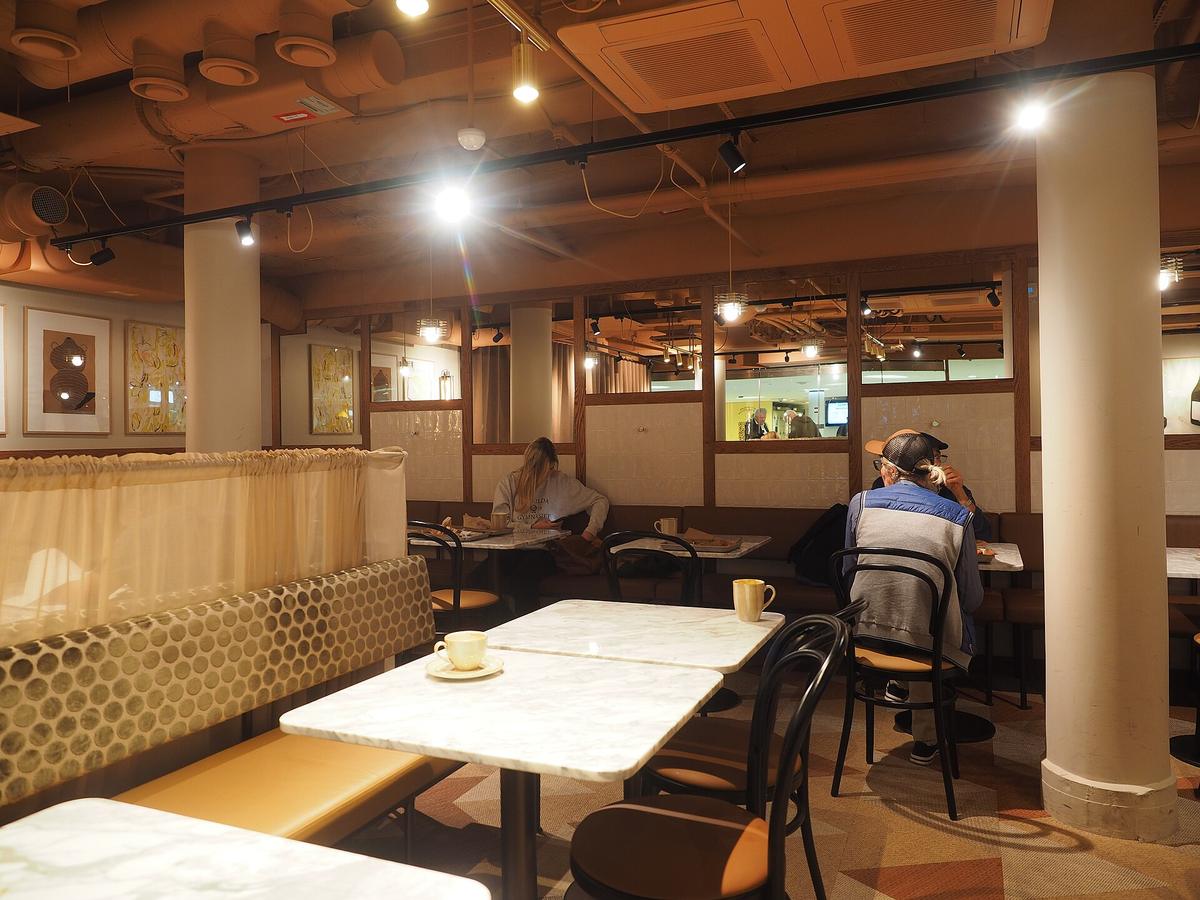
Your total trip cost is set before you leave by two choices: where you go and what you drink. If you stick to the south in shoulder season, cook most meals, buy alcohol at the monopoly shop, sleep in a tent or cabin, and use advance train tickets or a bus, a ten day trip runs 7,000 to 9,000 SEK per person. If you fly to Kiruna in peak July, eat restaurant dinners, drink at bars, and stay in hotels, the same ten days cost far more. The high cost of alcohol in bars and restaurants and the high cost of eating out are the two levers. Pull them in the right direction and Sweden is not punishing. Pull them wrong and the budget breaks.
The single most practical thing you can do: check the monopoly shop opening hours for every town you plan to stay in, and never arrive on a Sunday evening without a backup plan. That is where most budgets start to bleed.
Frequently Asked Questions
Is it cheaper to stay in Stockholm or a smaller town?
Stockholm and Gothenburg have the highest accommodation prices in Sweden. Inland Norrland, smaller towns in Värmland and Dalarna, and municipalities in Småland cost 30 to 50 percent less for a private room. The trade off is that you need a rental car to get around those regions.
Can I use cash in Sweden?
Cash is increasingly hard to use. Many cafes, market stalls, and even some shops accept cards only. ATMs called Bankomat exist but their numbers are declining. Some bank branches do not handle cash at all. Carry a contactless card with a good foreign transaction policy. Swish, the mobile payment app, is universal but requires a Swedish bank account so tourists cannot use it.
What is the cheapest way to see the northern lights?
Book a cabin in Abisko National Park during winter. The park has a clear sky microclimate that improves your odds. Skip the guided aurora tours that cost 1,200 to 2,000 SEK per person. Walk a few hundred meters away from the village lights and look up. Bring warm layers. The lights are free; the markup is on the tour.
How do I save money on food without cooking?
Eat the dagens lunch every day. It is the only full meal under 150 SEK. For dinner, buy a pre made sandwich or salad at a supermarket for 40 to 70 SEK. Many supermarkets have hot food counters with meatballs, soup, or lasagne for 60 to 90 SEK. It is not fine dining, but it keeps your daily food spend under 250 SEK.
What catches first time visitors out?
The state alcohol shop closing hours and the lack of public toilets. Toilets require a Swish payment or a specific coin that nobody carries. Fill up at a cafe or a library before a long drive. The other trap is assuming you can cover both the deep south and the far north in one week. It burns two full days on transit and leaves no time to experience either region properly.
Read next
-
 Staying Connected in Sweden With eSIM, Local SIM or Roaming
Compare eSIM, local SIM cards from Comviq or Telia, and roaming for Sweden, including the dead zones in Sarek and Padjelanta where offline maps are essential.
Staying Connected in Sweden With eSIM, Local SIM or Roaming
Compare eSIM, local SIM cards from Comviq or Telia, and roaming for Sweden, including the dead zones in Sarek and Padjelanta where offline maps are essential.
-
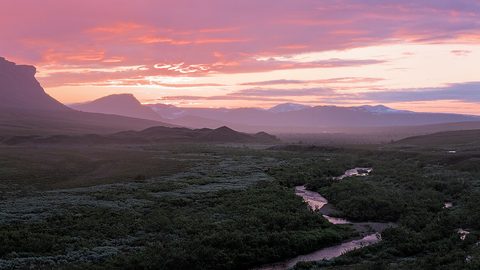 Best Time to Visit Sweden and What Each Season Actually Does
June to August brings midnight sun and open trails, but November is dark and closed, and late February sportlov fills domestic flights and ski resorts.
Best Time to Visit Sweden and What Each Season Actually Does
June to August brings midnight sun and open trails, but November is dark and closed, and late February sportlov fills domestic flights and ski resorts.
-
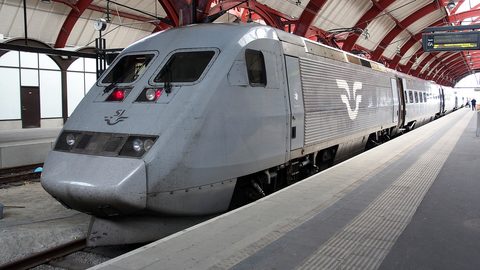 Getting Around Sweden, Trains, Cars and What the Map Oversells
SJ trains connect Swedish cities but mandatory seat reservations sell out, regional buses require apps or contactless cards, and distances between north and
Getting Around Sweden, Trains, Cars and What the Map Oversells
SJ trains connect Swedish cities but mandatory seat reservations sell out, regional buses require apps or contactless cards, and distances between north and
-
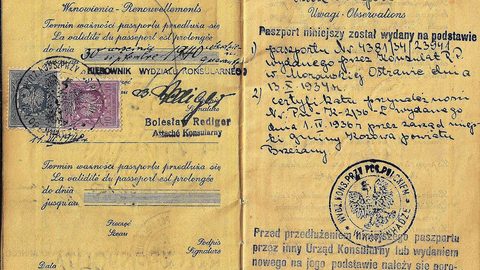 Sweden Visa Requirements and the Schengen Application Process
Who needs a visa for Sweden, who does not, and how the Schengen application process works through Swedish embassies and VFS Global centres.
Sweden Visa Requirements and the Schengen Application Process
Who needs a visa for Sweden, who does not, and how the Schengen application process works through Swedish embassies and VFS Global centres.
-
 Paying for Things in Sweden, Cards, Krona and Where Cash Still Works
Sweden is effectively cashless and many places refuse cash entirely, but the Swish payment app requires a Swedish bank account, leaving tourists reliant on cards.
Paying for Things in Sweden, Cards, Krona and Where Cash Still Works
Sweden is effectively cashless and many places refuse cash entirely, but the Swish payment app requires a Swedish bank account, leaving tourists reliant on cards.
-
 Reading Sweden Safety Advice Without Being Misled by It
Sweden is safe for tourists but the real risks are wilderness isolation, no mobile coverage in Sarek, severe northern mosquitoes, and winter driving conditions.
Reading Sweden Safety Advice Without Being Misled by It
Sweden is safe for tourists but the real risks are wilderness isolation, no mobile coverage in Sarek, severe northern mosquitoes, and winter driving conditions.
-
 A Ground-Level Logistics Guide to Independent Travel in China
First-time independent travel in China: what you need to know about visas, rail booking, eSIMs, mobile payments, and power adapters.
A Ground-Level Logistics Guide to Independent Travel in China
First-time independent travel in China: what you need to know about visas, rail booking, eSIMs, mobile payments, and power adapters.
-
 How Solo Travelers Stay Ahead of Flight Delays and Cancellations
How solo travelers can track inbound aircraft, claim rebooking rights, and adjust ground transport when flights go wrong — step by step.
How Solo Travelers Stay Ahead of Flight Delays and Cancellations
How solo travelers can track inbound aircraft, claim rebooking rights, and adjust ground transport when flights go wrong — step by step.
-
 Why Your eSIM Might Not Work Abroad and How to Check Before You Go
Buying an eSIM doesn't guarantee signal abroad. Learn why coverage fails by location and how to verify reach before you commit to a plan.
Why Your eSIM Might Not Work Abroad and How to Check Before You Go
Buying an eSIM doesn't guarantee signal abroad. Learn why coverage fails by location and how to verify reach before you commit to a plan.