Marking Your Calendar for Serbia Public Holiday Closure Dates
Serbian public holidays like Orthodox Christmas and Labour Day can close family-run restaurants, reduce bus schedules, and fill mountain resorts without
Serbian Public Holidays and What They Shut Down
You land in Belgrade on 6 January, and half the city is dark. The bakeries are open. The bus station runs a skeleton schedule. Everything else is closed. This is a practical closure calendar for Serbia's public holidays: the dates that shut restaurants, reduce transport, or fill mountain accommodation without you realising until it is too late. Eleven national non-working public holidays lock down government offices, post offices, banks, and most shops outside major shopping centres. Two more are working-but-celebrated holidays that affect schools only. The dates that hurt travel are the ones that fall near weekends, create long traffic jams, or land in the school winter break that runs roughly from the last week of December through the third week of January.
Serbia Public Holiday Closure Dates That Derail January Travel
New Year's Day (1 January) and the New Year's Holiday (2 January) are fixed non-working days. Orthodox Christmas (7 January) is a third. The school winter break stretches across all of them, which means domestic tourism peaks hard. Large shopping malls, petrol stations, some bakeries, kiosks, and hospitality venues in city centres stay open. Everything else shuts. The problem for travellers is not the closures themselves but the transport collapse.
Orthodox Christmas Transport
The intercity bus network, which is the dominant mode and reaches villages trains do not, runs reduced schedules from roughly 6 January through 9 January. Buses that do run often run 30 to 60 minutes late, and departure boards at the main bus station are unreliable. Pay the driver in cash in dinar for tickets. Budget 50 to 100 RSD per piece of luggage placed in the hold, paid directly to the driver. If your bus does not run at all, the fallback is Srbija Voz trains, which connect major cities but are slow and subject to delays. A 150 km journey can take over three hours on winding roads. Do not rely on ride-hailing apps like CarGo outside the capital.
Julian New Year on 13 January
A second New Year, Julian New Year on 13 January, is not a public holiday but is widely celebrated informally. Family-run restaurants stay open on this date. The real disruption happens from the New Year a week earlier. If you travel between 1 and 7 January, book accommodation before November and confirm that your hotel will have a working kitchen. Many family-run businesses close entirely for the week.
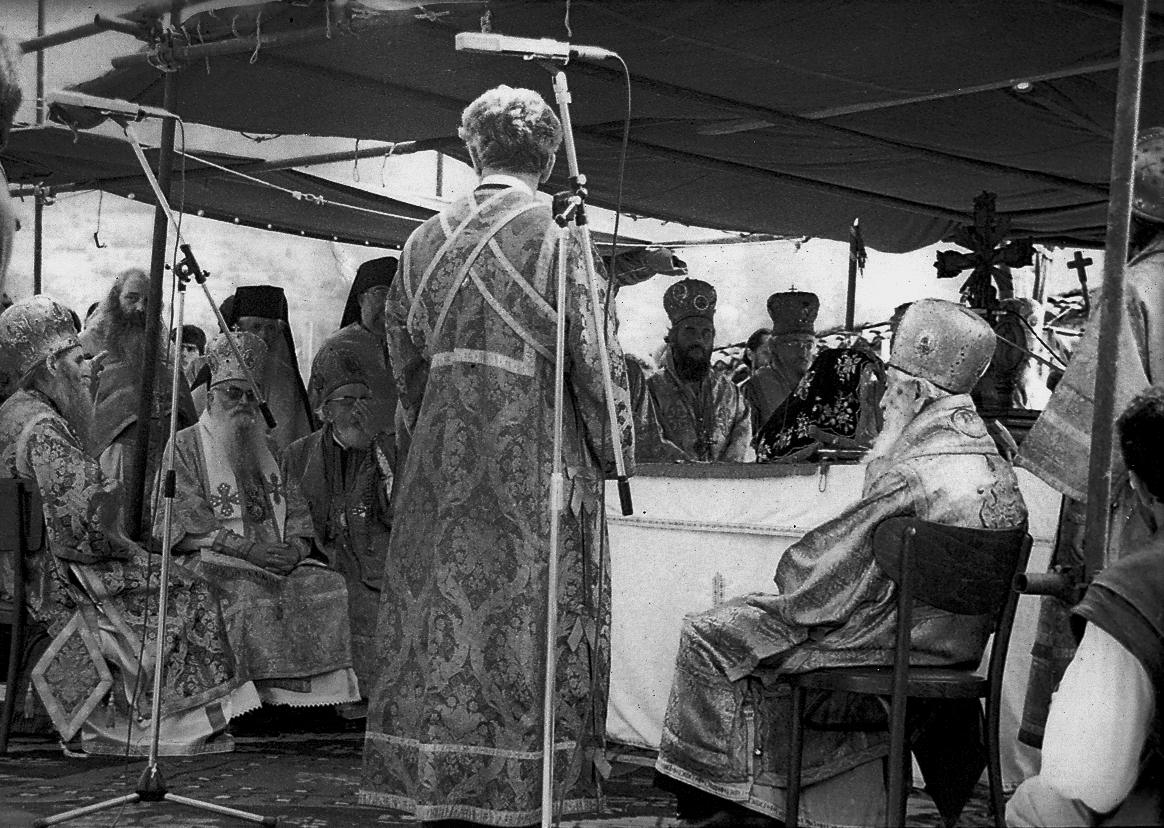

The May 1 Labour Day Weekend That Fills Zlatibor and Kopaonik
Labour Day (1 May) and the Labour Day Holiday (2 May) are fixed non-working days. When they fall next to a weekend, the country creates a long weekend that empties cities and fills mountain accommodation. The Zlatibor mountain plateau and the Kopaonik ski resort are the two most affected areas.
Labour Day Mountain Booking
By the first week of April, private rooms on Zlatibor and Kopaonik are booked solid for the 1 May weekend. Hotels in Novi Pazar and the Sandžak region, which serves the nearby Uvac Canyon, also fill. Traffic out of Belgrade on 30 April is severe: intercity buses run packed, roads to Zlatibor and Kopaonik slow to a crawl behind trucks on single-lane roads. The fallback is the Dinaric Alps routes via Bajina Bašta or the Tara National Park, where accommodation is less competitive. Book a farm stay in a village, not a hotel in the tourist zone, by mid-March. Cash is essential at village shops and rural restaurants; card acceptance drops sharply outside city centres. ATMs are sparse on mountain roads, so withdraw RSD in Belgrade or Novi Sad before you leave.
Serbia Museum Monday Closures and the Year-Round Schedule Trap
Mondays are the day the country's most important landmarks shut their doors. This is not a holiday; it is a standard operating schedule that catches travellers every week.
Museum Monday Closures
St. Sava Temple in Belgrade, the vast Orthodox church with glittering interior mosaics, is open Monday to Sunday. The museums inside are not. The National Museum in Belgrade, the Museum of Contemporary Art, the Nikola Tesla Museum, and the Museum of Vojvodina in Novi Sad all close on Monday. Petrovaradin Fortress is open, but its museum inside is closed. The Skull Tower in Niš closes Monday. The Lepenski Vir visitor centre on the Danube is closed Monday. Felix Romuliana near Gamzigrad, the Late Roman imperial palace with Unesco status, has limited shade and no indoor exhibits that require Monday access; it is accessible without advance booking. Plan any museum visit for Tuesday through Sunday. If you arrive on a Monday, walk the Kalemegdan Fortress grounds, visit the shopping malls that stay open, or take a day trip to Sremski Karlovci, 50 minutes by bus or train, for wine cellars that do not close on Mondays. The fallback: Subotica Synagogue requires advance booking for the interior anyway, book for a Tuesday to avoid the Monday closure.
| Date | Holiday | What Shuts | What Stays Open |
|---|---|---|---|
| 1 January | New Year's Day | Government offices, banks, post offices, most shops | Large shopping malls, petrol stations, some bakeries, kiosks, city-centre hospitality |
| 2 January | New Year's Holiday | Same as above | Same as above |
| 7 January | Orthodox Christmas | Same as above; many family-run restaurants close | Same as above; intercity buses run reduced |
| 15 February | Statehood Day | Same as above | Same as above |
| 16 February | Statehood Day Holiday | Same as above | Same as above |
| 1 May | Labour Day | Same as above; mountain accommodation fills | Same as above; heavy traffic out of cities |
| 2 May | Labour Day Holiday | Same as above | Same as above |
| 11 November | Armistice Day | Same as above | Same as above |
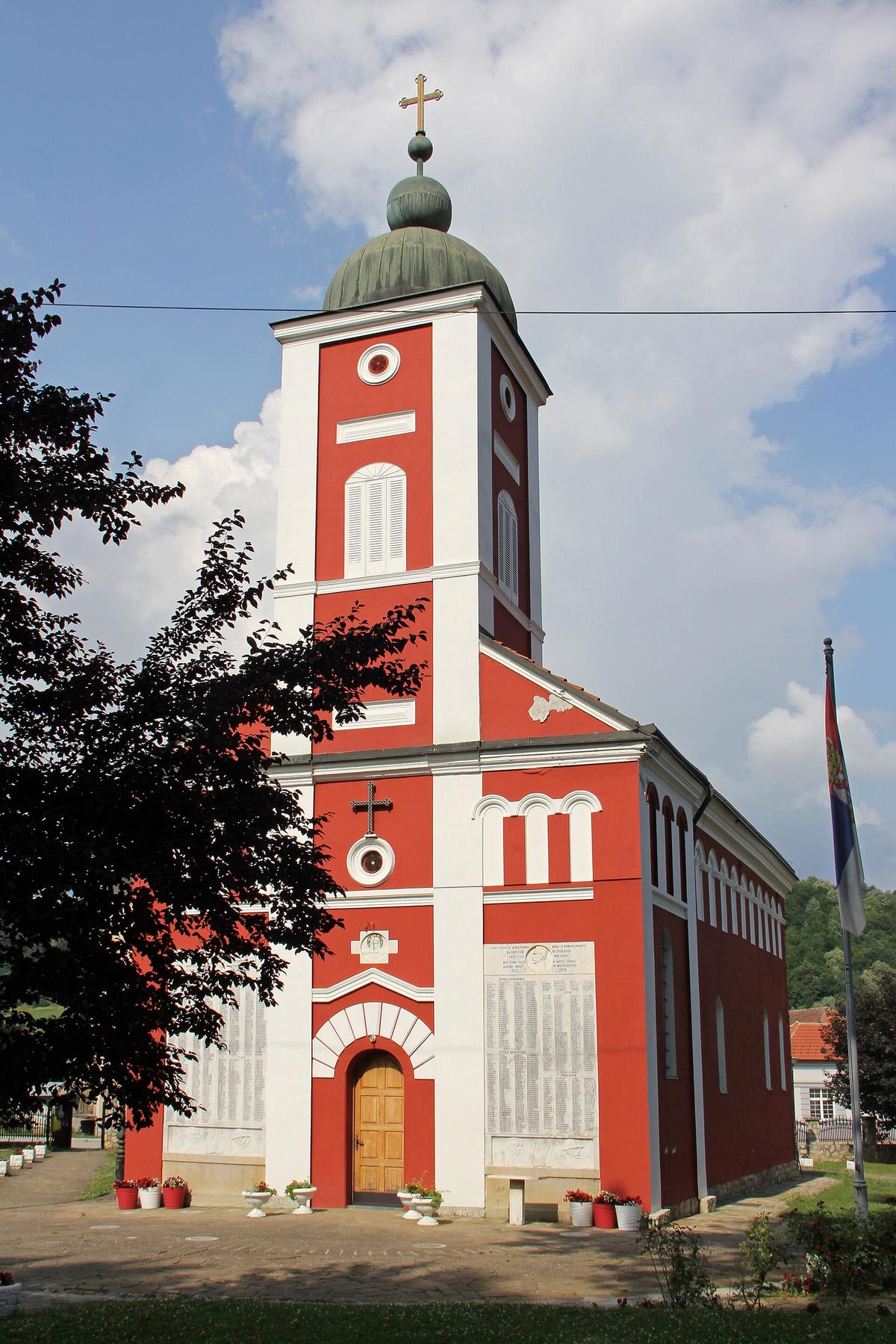

The Positive Disruption: Serbian Slava Family Feast Impact
Not every public calendar event is a closure. The Slava is the Serbian Orthodox tradition where each family celebrates its patron saint with an open house, a feast, and often live music. Slava days are not national holidays; they are family-specific dates, usually falling on Orthodox feast days. Accept any invitation to a Slava in a village in Šumadija or the Vojvodina flat farmland. The food is homemade ajvar from the autumn harvest, roasted red pepper relish made communally in villages, grilled Leskovački roštilj from the south, and Srem sausage from the Fruška Gora foothills. The hospitality disarms visitors who expect post-industrial energy. A Slava does not shut down transport; it fills a table. The only practical effect on your trip: if you are staying in a rural guesthouse and the hosts are celebrating, you may need to eat out or buy provisions the day before. Check with your host before the date. The impact is net positive, not a disruption.
Working-But-Celebrated Holidays and Regional Closures
Saint Sava's Day on 27 January is a working-but-celebrated holiday where only schools shut. No mandatory closures affect travel. Vidovdan on 28 June is the same. The regional holidays in the Vojvodina province on 15 May and 25 November are non-working only in the Autonomous Province of Vojvodina. If you are in Novi Sad or Subotica on either date, expect post offices and banks to close; large shopping malls will stay open. The religious minority optional holidays for Catholic Christmas on 25 December, Yom Kippur, and Eid al-Fitr are optional for employees of those faiths only. They do not cause general closures.
Fallback Strategies When a Holiday Closes Your Plan
Three fallback strategies work every time. First: large shopping malls in Belgrade, Novi Sad, and Niš stay open on every national non-working holiday. You can buy food and basic supplies there. Second: petrol stations on the main highways and in city centres stay open and stock snacks, water, and SIM cards. Third: hospitality venues in city centres stay open; eat at a kafana in Belgrade's Skadarlija district or Novi Sad's old town. Do not rely on cash machines in remote areas on a holiday afternoon. Withdraw RSD before the holiday begins. The common mistake is underestimating how completely the holiday empties the rural landscape. A bus that runs once a day may not run at all on 7 January.
Frequently Asked Questions on Serbian Public Holiday Disruptions
Which public holidays shut down intercity buses?
Orthodox Christmas and New Year (1-7 January) cause reduced intercity bus schedules. The schools winter break runs from late December through the third week of January, compounding the effect. Buses run 30-60 minutes late and some services are cancelled. Pay the driver in cash in RSD and budget 50-100 RSD per bag in the hold.
When do mountain resorts in Serbia book out completely?
The Labour Day long weekend (1-2 May) fills Zlatibor and Kopaonik accommodation by early April. The summer school break from mid-June through August also fills these areas. Book farm stays by mid-March for May. Book hotels by May for August. Withdraw cash before you leave the city; ATMs are sparse on mountain roads.
Are museums closed on all public holidays or just Mondays?
Museums are closed on the eleven national non-working public holidays AND on every Monday year-round. The Monday closure applies regardless of holidays. Plan museum visits Tuesday through Sunday. The National Museum in Belgrade closes Monday. The St. Sava Temple interior is open but its museums are not. Subotica Synagogue requires advance booking, book for a Tuesday to skip the Monday closure.
What does the Serbian New Year on 13 January mean for travel?
Julian New Year on 13 January is widely celebrated informally but is not a public holiday. Family-run restaurants tend to stay open. The disruption is minimal compared to the 1 January New Year. The real problem is the week from 1 January to 7 January, when many family-run businesses close entirely and transport runs reduced.
How does a Serbian Slava celebration affect a traveller's plans?
A Slava is a family feast day for the patron saint of a household. It is a positive disruption. If you are invited to a rural Slava, accept. It opens access to homemade ajvar, grilled meat, and rakija in a private home. Slava dates are specific to each family, not national holidays. There is no transport or accommodation impact. The invitation is a travel highlight, not an obstacle.
Do post offices and banks close on Statehood Day?
Yes. Statehood Day (15 February) and the Statehood Day Holiday (16 February) are fixed non-working public holidays. Post offices, banks, and government offices shut. Large shopping malls, petrol stations, some bakeries, kiosks, and city-centre hospitality venues stay open. Withdraw cash before 14 February if you are heading into rural areas.
Which public holidays have the lowest travel demand?
November has the lowest domestic travel demand, except for the Armistice Day (11 November) long weekend. Late January through early February is also low, outside the Orthodox Christmas-New Year rush. Weekdays in March are quiet. November is the best window for booking mountain accommodation without competition.
Read next
-

 Staying Connected in Serbia With eSIM, a Local SIM, or Just WiFi
Comparing eSIM convenience, local prepaid SIM costs, and the mountain coverage gaps that make offline maps essential in Serbia.
Staying Connected in Serbia With eSIM, a Local SIM, or Just WiFi
Comparing eSIM convenience, local prepaid SIM costs, and the mountain coverage gaps that make offline maps essential in Serbia.
-
 Best time to visit Serbia and what each season actually delivers
Serbia peaks in July and August with festivals and mountain warmth, but September and October offer harvest season, fewer crowds, and the best hiking weather.
Best time to visit Serbia and what each season actually delivers
Serbia peaks in July and August with festivals and mountain warmth, but September and October offer harvest season, fewer crowds, and the best hiking weather.
-
 Getting around Serbia by bus train and the roads the map oversells
Serbia's intercity bus network reaches villages trains miss, but expect delays, cash luggage fees paid to the driver, and unreliable departure boards at
Getting around Serbia by bus train and the roads the map oversells
Serbia's intercity bus network reaches villages trains miss, but expect delays, cash luggage fees paid to the driver, and unreliable departure boards at
-
 Who needs a Serbia visa and how the entry rules actually work
Serbia offers visa-free entry to many nationalities for up to 90 days, but border procedures at Belgrade airport and the Kosovo crossing point need advance planning.
Who needs a Serbia visa and how the entry rules actually work
Serbia offers visa-free entry to many nationalities for up to 90 days, but border procedures at Belgrade airport and the Kosovo crossing point need advance planning.
-
 Cash and cards in Serbia what you will actually need dinars for
Cards work in Serbian city centres but cash in dinars is essential for intercity bus luggage fees, village restaurants, and rural shops where terminals are rare.
Cash and cards in Serbia what you will actually need dinars for
Cards work in Serbian city centres but cash in dinars is essential for intercity bus luggage fees, village restaurants, and rural shops where terminals are rare.
-
 Safety in Serbia reading the advice without being misled by it
Serbia is generally safe with low violent crime, but watch for Belgrade airport taxi scams, pervasive indoor smoking, and challenging rural road conditions
Safety in Serbia reading the advice without being misled by it
Serbia is generally safe with low violent crime, but watch for Belgrade airport taxi scams, pervasive indoor smoking, and challenging rural road conditions
-
 A Ground-Level Logistics Guide to Independent Travel in China
First-time independent travel in China: what you need to know about visas, rail booking, eSIMs, mobile payments, and power adapters.
A Ground-Level Logistics Guide to Independent Travel in China
First-time independent travel in China: what you need to know about visas, rail booking, eSIMs, mobile payments, and power adapters.
-
 How Solo Travelers Stay Ahead of Flight Delays and Cancellations
How solo travelers can track inbound aircraft, claim rebooking rights, and adjust ground transport when flights go wrong — step by step.
How Solo Travelers Stay Ahead of Flight Delays and Cancellations
How solo travelers can track inbound aircraft, claim rebooking rights, and adjust ground transport when flights go wrong — step by step.
-
 Why Your eSIM Might Not Work Abroad and How to Check Before You Go
Buying an eSIM doesn't guarantee signal abroad. Learn why coverage fails by location and how to verify reach before you commit to a plan.
Why Your eSIM Might Not Work Abroad and How to Check Before You Go
Buying an eSIM doesn't guarantee signal abroad. Learn why coverage fails by location and how to verify reach before you commit to a plan.