Serbia Travel Safety Advice Without the Overblown Warnings
Serbia is generally safe with low violent crime, but watch for Belgrade airport taxi scams, pervasive indoor smoking, and challenging rural road conditions
Is Serbia Safe for Travellers
You land at Belgrade Nikola Tesla Airport, walk past the arrivals hall, and within thirty seconds a man in an unmarked jacket offers you a taxi at a fixed price of 50 euros to the city centre. The authorised taxi desk, thirty paces to your left, charges 1,800 RSD for the same journey. That gap is the difference between Serbia's outdated reputation and its actual safety landscape. Violent crime is low. The streets of the capital and Novi Sad are safe at night. The risks you will actually encounter are specific nuisances you can prepare for.
What Actually Matters
The legacy of the 1990s is visible in the infrastructure. Bombed buildings still stand in some city blocks. The intercity bus network runs on a timetable that can slip 30 to 60 minutes. Rural roads use Cyrillic signage first, and the driving style is aggressive. None of this makes Serbia dangerous in the way a conflict zone is dangerous. It makes it a place where a traveller who plans ahead avoids the frustration that catches others out.
Five Real Concerns
Prepare for taxi scams at the airport, road safety, the smoking law, the Kosovo border, and how to stay safe in nightlife.
.jpg)
Belgrade Nightlife Safety Tips
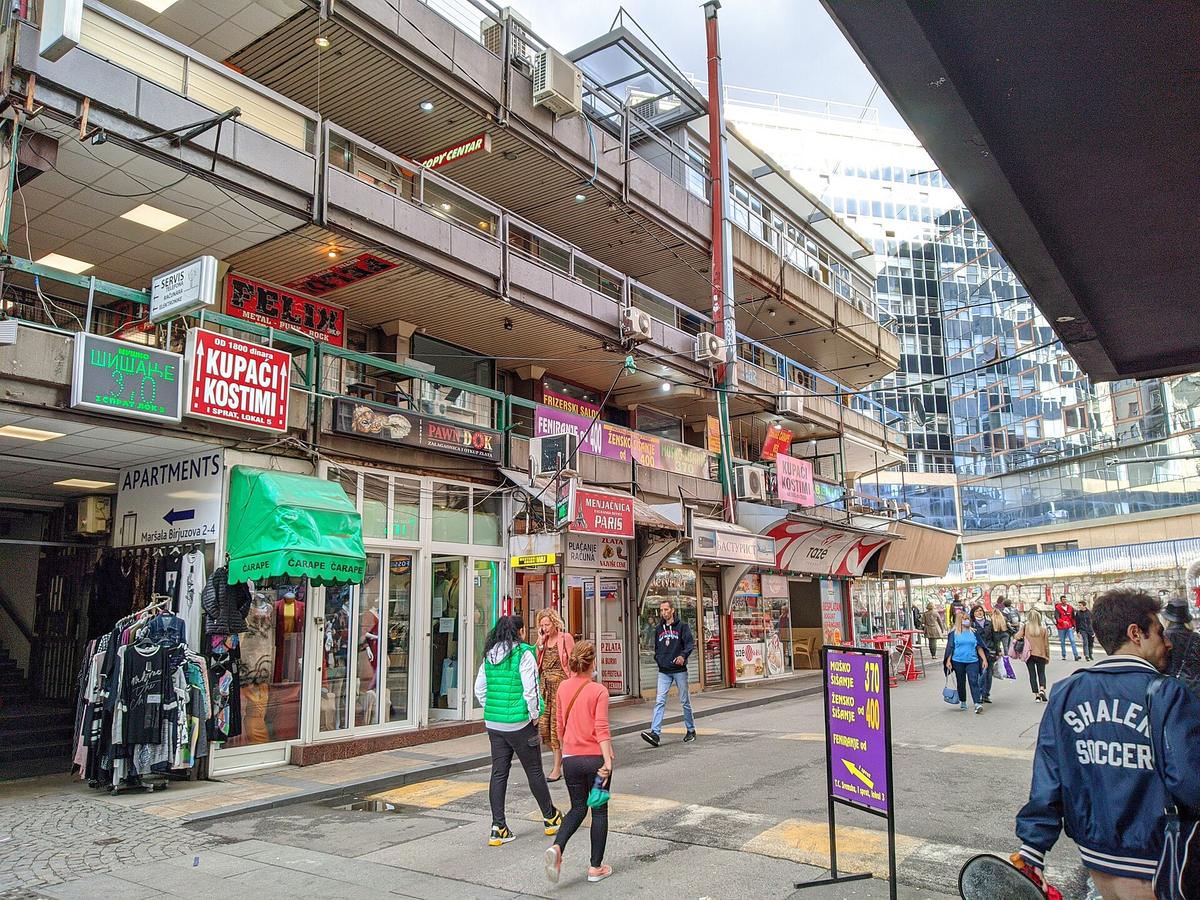
Belgrade's floating river clubs on the Sava and Danube draw crowds that stay until sunrise. The safety risk is not violent crime. The risk is losing track of your belongings in a packed space where alcohol flows and pickpockets work the edges. Keep your wallet in a front pocket or a zipped bag. Do not leave your phone on the table while you dance.
Getting Home at 4 Am
The second risk is the taxi home. Licensed taxis in the capital display the city coat of arms and a medallion number. Unlicensed drivers wait outside clubs and quote a flat fee that is three to four times the meter rate. Use Car:Go or Yandex Go, both of which operate in Belgrade and Novi Sad, and confirm the fare before you get in.
Reading the Crowd
The third risk is the crowd itself: fights are rare but can escalate near the exits. If a confrontation starts, walk away and cross the street. The bouncers are not mediators.
Serbia Road Safety Driving Conditions
Serbia's motorways (autoput) are modern, tolled, and well maintained. The A1, A2, A3, and A4 corridors are the safest places to drive. The problem is the regional roads. A 150 kilometre journey from the capital to the Drina valley or Stara Planina can take over three hours on winding, single lane roads behind slow trucks. Mountain roads in Zlatibor, Tara, and Stara Planina are subject to rockfall and ice. The road fatality rate was 7.4 per 100,000 population in 2023, according to the Road Traffic Safety Agency of the Republic of Serbia. That is higher than the EU average.
Rules That Are Strictly Enforced
Dipped headlights are mandatory at all times, day and night. The blood alcohol limit is 0.03% for private vehicle drivers and 0.00% for professional drivers, motorcyclists, and novice drivers. Winter tyres are mandatory from 1 November to 1 April if road conditions are wintry, with a minimum tread depth of 4 mm. Snow chains must be carried and fitted when signposted. Speed limits are 50 km/h in urban areas, 80 km/h on open roads, 100 km/h on expressways, and 130 km/h on motorways. Seatbelts are mandatory for all occupants, front and rear.
Police Stops
One specific risk: traffic police have a documented pattern of soliciting on the spot cash payments from foreign drivers. The legal procedure is to pay by bank slip or to postal or court accounts. If you are pulled over, ask for the official fine slip and pay it later. Do not hand over cash.
| Requirement | Detail |
|---|---|
| Winter Tyres | Mandatory 1 November to 1 April if wintry conditions; minimum 4 mm tread depth |
| Snow Chains | Must be carried and fitted when signposted or conditions require |
| Headlights | Dipped headlights mandatory at all times, day and night |
| Blood Alcohol Limit | 0.03% for private drivers; 0.00% for professional, novice, and motorcycle riders |
| Seatbelts | Mandatory for all occupants, front and rear |
| Speed Limits | 50 km/h urban, 80 km/h open road, 100 km/h expressway, 130 km/h motorway |
Serbia Smoking Indoors Law
Serbia has a law banning smoking in enclosed public spaces. It is not enforced. In most bars and many restaurants, especially outside the city centres of Belgrade and Novi Sad, the non smoking section is a fiction. The entire room is smoky. If you have asthma, COPD, or any respiratory condition, this is the single biggest practical safety concern in the country. It will affect your daily comfort and health over a week long trip.
What To Do About It
The failure case: you arrive at a village restaurant in rural Serbia, the menu looks good, and every table is occupied by people smoking. The ventilation is a ceiling fan. You cannot ask them to stop. Sit outside whenever the weather allows, or choose restaurants that have a dedicated, physically separated smoking room. In the capital, some newer cafes in Dorćol and Savamala are smoke free by choice. Ask before you sit down. Smoking is permitted inside most bars and many restaurants, with non smoking sections rarely enforced. Budget for this and plan your evenings accordingly.
_217.jpg)
Kosovo Border Serbia Travel Warning
The Kosovo border crossing requires planning. Serbia considers Kosovo part of its territory. Kosovo considers itself independent. If you enter Serbia from Kosovo at a border crossing that Serbia does not recognise, you may be denied entry to Serbia or face a fine. The same applies if you enter Kosovo from Serbia without going through a recognised crossing.
The Rule That Keeps You Legal
Enter Kosovo from Serbia only through the official crossing points that both sides accept. The main ones are Merdare (near Preševo) and Jarinje (near Novi Pazar). If you fly into Pristina International Airport and want to cross into Serbia, you must have a Serbian visa or visa free entry, and you must enter Serbia through an official crossing. The Serbian authorities will stamp your passport. If you have a Kosovo entry stamp in your passport from a previous trip, Serbia may deny you entry. The safest approach is to use a separate passport for Kosovo if you hold one, or to check the current advice from the FCDO, the U.S. Department of State, or Smartraveller before you travel. This is not a safety risk from violence. It is a bureaucratic risk that can end your trip early.
Serbia Taxi Scam Belgrade Airport
The taxi scam at Belgrade Nikola Tesla Airport is the most common safety complaint from visitors. Here is how it works: you exit the arrivals hall and a man in an unmarked jacket approaches, offers a fixed price of 40 to 50 euros for the 20 minute drive to the city centre, and you pay because you are tired and it looks official. It is not official. The ride costs 1,800 RSD from the authorised taxi desk.
How To Avoid It
Before you leave the arrivals hall, walk to the authorised taxi desk. It is clearly signposted inside the terminal, just past the baggage claim area. You tell the attendant your destination, they give you a printed receipt with the price, and you hand that receipt to the taxi driver outside. That is the legal procedure. Do not take a taxi from the curbside. Do not accept a ride from a driver who approaches you inside the hall. The authorised taxis display the city coat of arms and a medallion number.
If You Land Late
The failure case: it is 1 am, the authorised taxi desk is closed, and the only drivers waiting are unlicensed. Use the A1 minibus instead. It runs to the city centre every 30 minutes for 300 RSD and stops at Slavija Square and the main bus station. Or use Car:Go or Yandex Go, both of which operate from the airport. The app shows the fare before you book.
Other Practical Safety Notes
Beyond the five main concerns, a few other things matter for a safe trip.
Healthcare and Insurance
Travel health insurance with coverage for Serbia is strongly recommended. Public hospitals treat emergencies without upfront payment but may bill afterwards for non residents. Private clinics may require upfront payment. The emergency medical number is 194. The general emergency number is 112. Pharmacies, marked Apoteka, are common in cities; at least one 24 hour duty pharmacy operates per municipality, but rural availability is sparse.
Water and Food Safety
Municipal tap water in Belgrade, Novi Sad, and Niš is safe to drink. In rural areas, bottled water is the safer choice. Well water in Vojvodina farmsteads may have nitrate levels above WHO guidelines. A seasonal risk for food safety is trichinellosis from undercooked pork in home produced smoked meats during the winter slaughter season, svinjokolj. Stick to restaurants that cook meat thoroughly.
Ticks and Mosquitoes
Tick borne encephalitis is present in forested areas, particularly Fruška Gora and parts of western Serbia. Vaccination is available. Tick activity season runs March to November, peaking April to June and September to October. West Nile virus transmission season runs June to October, with cases recorded annually in Vojvodina and the Belgrade area. No vaccine exists. Use repellent and wear covering clothing.
Stray Dogs and Snakes
Stray dog populations are noticeable in urban peripheries, industrial zones, and rural dumps. Rabies vaccination programmes are active, but bites require immediate medical assessment. The nose horned viper is present on rocky, dry hillsides. Antivenom is stocked at major clinical centres.
LGBT+ Context
Serbia has no legal recognition of same sex partnerships. Public displays of affection may draw hostile attention outside central Belgrade and Novi Sad. The annual Pride parade in the capital takes place under heavy police protection. This is a safety concern for visibility, not a violent crime risk, but it affects how you move through the country.
Common Questions
Is Serbia safe for solo female travellers?
Yes, in the same way as other European countries. Street harassment in Belgrade and Novi Sad is less common than in many western European cities. Rural areas are safe but you may attract more attention as a foreigner. The same taxi and nightlife precautions apply. The main risk is not violence but the nuisance of unlicensed taxis and smoky bars.
Do I need to register with the police when I arrive?
Yes. Hotels and registered private accommodation do this automatically. If you stay in a private home, the host must register you at the local police station within 24 hours. Failure to register can result in a fine when you leave the country.
Can I use euros in Serbia?
The official currency is the Serbian dinar (RSD). Some tourist facing businesses accept euros informally, but it is illegal as direct payment. ATMs are widely available in all towns. Cash is dominant for small transactions in markets, rural restaurants, and local buses. Intercity buses require cash payment to the driver or at the station counter.
Is it safe to drive at night in Serbia?
Not on rural roads. Mountain roads in Zlatibor, Tara, and Stara Planina are subject to rockfall and ice. Regional roads have poor markings and aggressive drivers. Motorways are safer. The road fatality rate of 7.4 per 100,000 population (2023 data from the Road Traffic Safety Agency) is higher than the EU average. If you drive at night, stick to motorways.
What should I do if I am stopped by the traffic police?
Stay calm and do not hand over cash. The legal procedure is to pay by bank slip or to postal or court accounts. If the officer demands on the spot payment, ask for the official fine slip and pay it later. There is a documented pattern of soliciting cash from foreign drivers, but you are not required to pay that way.
Is the tap water safe to drink in rural Serbia?
It depends on the location. Municipal supply in Belgrade, Novi Sad, and Niš is safe. In rural areas, bottled water is the safer choice. Well water in Vojvodina farmsteads may have nitrate levels above WHO guidelines. Locals commonly drink tap water in cities but less so in rural villages.
Do I need a visa for Serbia?
Citizens of the EU, EEA, Switzerland, the USA, Canada, Australia, New Zealand, the UK, Japan, South Korea, and many others can enter visa free for up to 90 days within a 180 day period. EU/EEA/Swiss citizens and citizens of Bosnia and Herzegovina, Montenegro, and North Macedonia can also enter with a national ID card. A passport is required for all other nationals.
Read next
-
 Staying Connected in Serbia With eSIM, a Local SIM, or Just WiFi
Comparing eSIM convenience, local prepaid SIM costs, and the mountain coverage gaps that make offline maps essential in Serbia.
Staying Connected in Serbia With eSIM, a Local SIM, or Just WiFi
Comparing eSIM convenience, local prepaid SIM costs, and the mountain coverage gaps that make offline maps essential in Serbia.
-
 Best time to visit Serbia and what each season actually delivers
Serbia peaks in July and August with festivals and mountain warmth, but September and October offer harvest season, fewer crowds, and the best hiking weather.
Best time to visit Serbia and what each season actually delivers
Serbia peaks in July and August with festivals and mountain warmth, but September and October offer harvest season, fewer crowds, and the best hiking weather.
-
 Getting around Serbia by bus train and the roads the map oversells
Serbia's intercity bus network reaches villages trains miss, but expect delays, cash luggage fees paid to the driver, and unreliable departure boards at
Getting around Serbia by bus train and the roads the map oversells
Serbia's intercity bus network reaches villages trains miss, but expect delays, cash luggage fees paid to the driver, and unreliable departure boards at
-
 Who needs a Serbia visa and how the entry rules actually work
Serbia offers visa-free entry to many nationalities for up to 90 days, but border procedures at Belgrade airport and the Kosovo crossing point need advance planning.
Who needs a Serbia visa and how the entry rules actually work
Serbia offers visa-free entry to many nationalities for up to 90 days, but border procedures at Belgrade airport and the Kosovo crossing point need advance planning.
-
 Cash and cards in Serbia what you will actually need dinars for
Cards work in Serbian city centres but cash in dinars is essential for intercity bus luggage fees, village restaurants, and rural shops where terminals are rare.
Cash and cards in Serbia what you will actually need dinars for
Cards work in Serbian city centres but cash in dinars is essential for intercity bus luggage fees, village restaurants, and rural shops where terminals are rare.
-
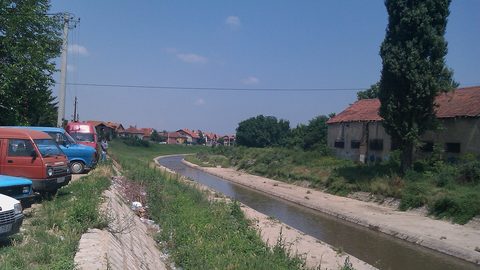 How Much a Trip to Serbia Costs, Shaped by Region and Season
How a Serbia travel budget shifts between the cash-reliant countryside, the affordable mountain resorts, and a Belgrade night out.
How Much a Trip to Serbia Costs, Shaped by Region and Season
How a Serbia travel budget shifts between the cash-reliant countryside, the affordable mountain resorts, and a Belgrade night out.
-
 A Ground-Level Logistics Guide to Independent Travel in China
First-time independent travel in China: what you need to know about visas, rail booking, eSIMs, mobile payments, and power adapters.
A Ground-Level Logistics Guide to Independent Travel in China
First-time independent travel in China: what you need to know about visas, rail booking, eSIMs, mobile payments, and power adapters.
-
 How Solo Travelers Stay Ahead of Flight Delays and Cancellations
How solo travelers can track inbound aircraft, claim rebooking rights, and adjust ground transport when flights go wrong — step by step.
How Solo Travelers Stay Ahead of Flight Delays and Cancellations
How solo travelers can track inbound aircraft, claim rebooking rights, and adjust ground transport when flights go wrong — step by step.
-
 Why Your eSIM Might Not Work Abroad and How to Check Before You Go
Buying an eSIM doesn't guarantee signal abroad. Learn why coverage fails by location and how to verify reach before you commit to a plan.
Why Your eSIM Might Not Work Abroad and How to Check Before You Go
Buying an eSIM doesn't guarantee signal abroad. Learn why coverage fails by location and how to verify reach before you commit to a plan.