Building Your Own Serbia Travel Budget Breakdown by Category
How a Serbia travel budget shifts between the cash-reliant countryside, the affordable mountain resorts, and a Belgrade night out.
A Travel Budget for Serbia, from Dinar Lane to Mountain Plateau
The wrong assumption about a Serbia trip is that it costs a single daily number you can stick to. The real problem is how spending splits unevenly across the geography: a Saturday night on the capital's floating clubs can run through what a week in a Šumadija farm stay covers. That is why a Serbia travel budget breakdown has to start with where you are, not when you go.
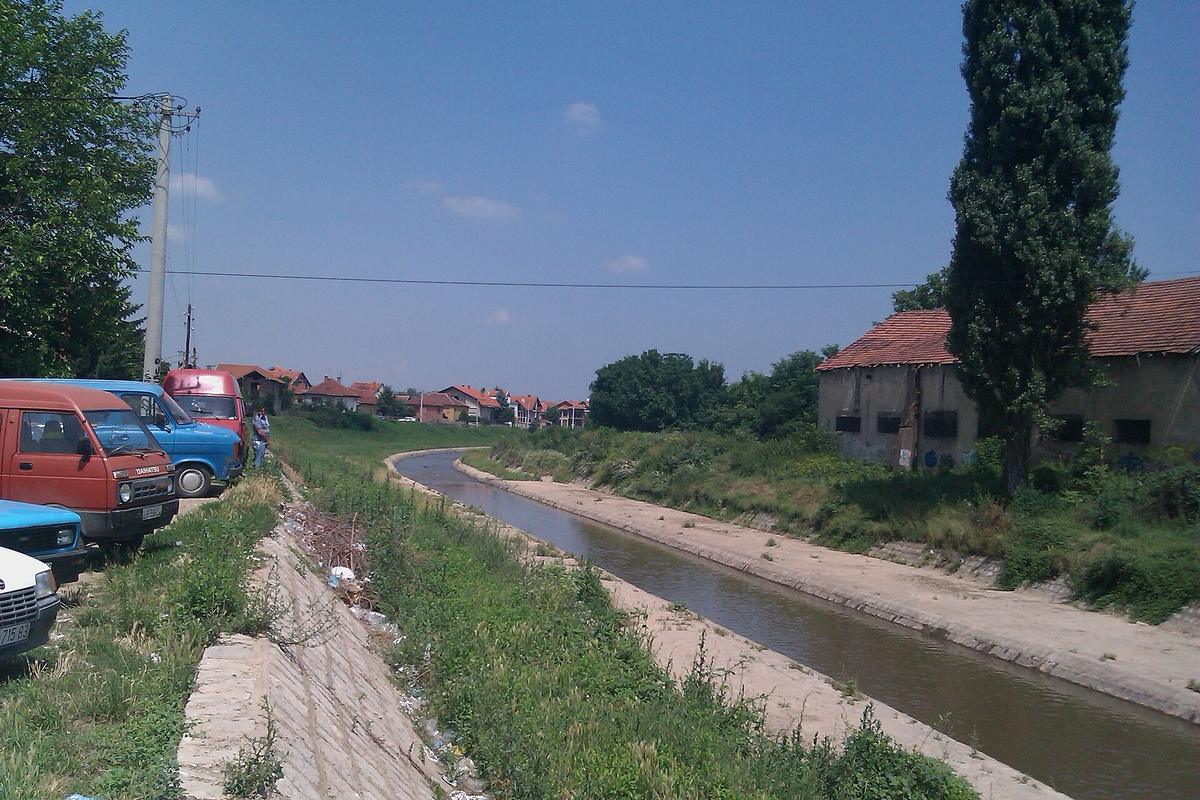
Belgrade and Novi Sad run 20 to 40 percent pricier for beds and dining than the interior. The south and east, places like Niš, Zaječar and Leskovac, sit in the lowest cost tier. Mountain resorts such as Zlatibor and Kopaonik spike in winter and July, then drop back in the shoulder months of May and September. One number will not hold across all of them.
_in_Serbia_2010-07-03_-_panoramio.jpg)
Serbia Daily Costs in Dinars: What the Notes Buy
Sleeping Costs
Daily costs in dinars depend most on where you sleep and how you move. A dorm bed in the capital runs 1,200 to 2,000 RSD. A private room in a rural guesthouse in Šumadija or the Timok Valley falls to 1,500 to 2,500 RSD per night, often with breakfast included. Mid-range hotels, meaning three to four-star properties or design apartments, start at 5,000 RSD in the interior and climb to 8,000 RSD in the city centre.
Food And Drink
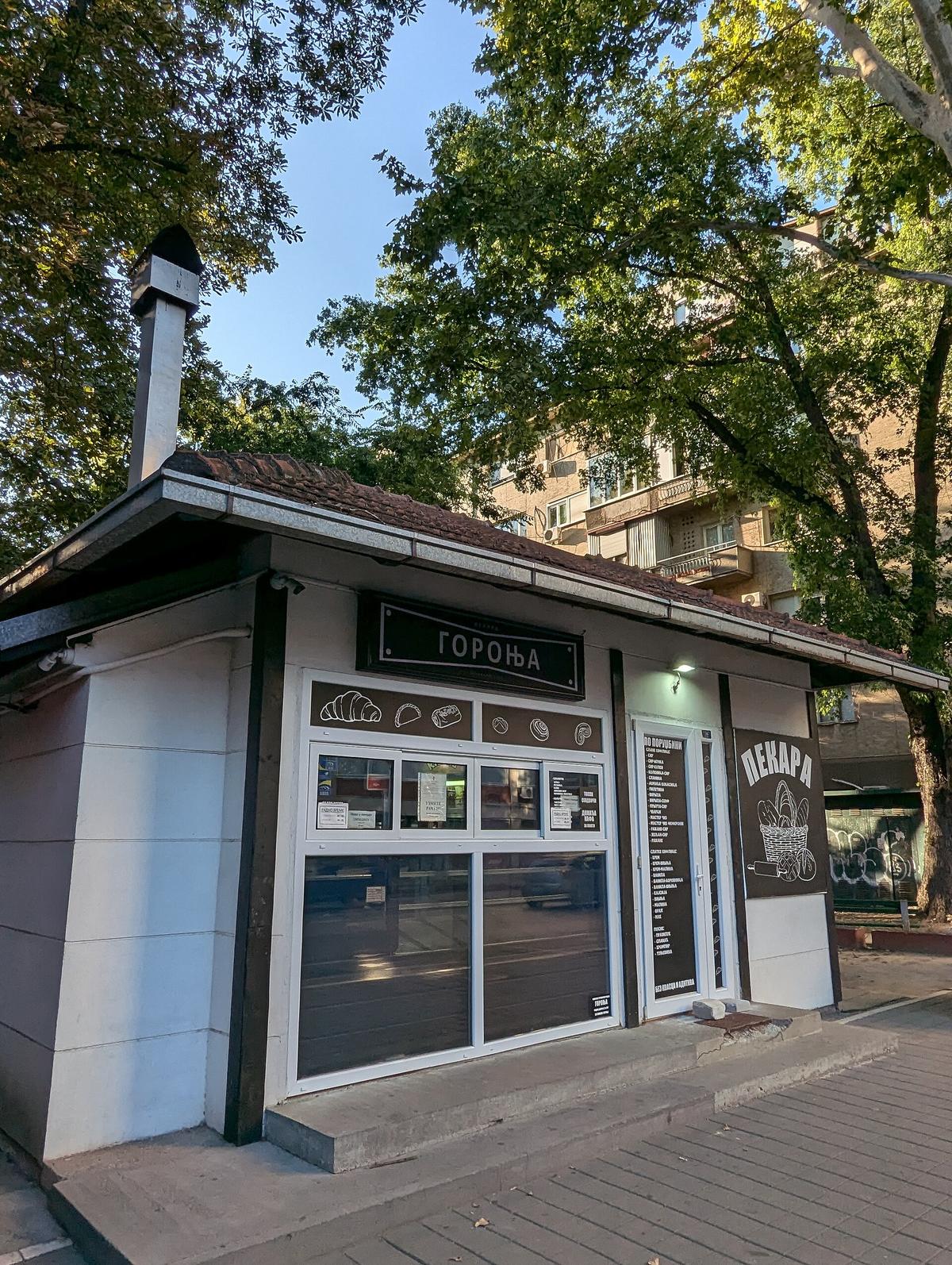
Food shows less spread. A burek with cheese from a Niš bakery costs 120 to 180 RSD. A grilled meat platter in Leskovac, the Leskovački roštilj, hits 800 to 1,200 RSD with sides. A cappuccino in a city café runs 150 to 220 RSD. The same coffee in a rural ethno-village will cost 100 RSD. The gap is not huge. What jumps is the imported goods: a Western-style brunch order in the capital can run 1,500 RSD, the same as three full meals in the south.
Getting Around And Entry Fees
Public city transport costs a flat fare paid by SMS or at a kiosk, roughly 150 RSD. Museum entry stays low, under 500 RSD for most sites. The unexpected pinch is the bus luggage fee, 50 to 100 RSD per piece, paid in cash to the driver.
Cash vs Card Serbia Rural Areas: What Fails Outside City Centres
Cash dependence in rural areas is high. Markets, village shops, local buses, and smaller eateries expect dinars. Card acceptance drops sharply outside city centres. Even in towns, the smaller operator websites for intercity bus tickets will not process an international card. Pay the station clerk in cash.
ATMs are widely available in towns and cities. The trap is the Euronet machines, which offer poor exchange rates and high fees. Stick to bank-owned ATMs. Bring euros in cash as a backup. Some tourist-facing lodging in Zlatibor or Kopaonik will accept euros informally, but it is not legal tender and you will get a poor rate.
Failure case: It is 1am in rural Sandžak, the village shop is shut, and your last bus driver took the last of your dinars for the luggage fee. The nearest ATM is 12 km away and the road has no street lights. Carry enough dinars for the day's transport and a meal before you leave a town.
Serbia Accommodation Price by Region: Where the Jump Hits
Serbia accommodation price by region shows a clear pattern: Belgrade and Novi Sad first, mountain resorts second, the south and east cheapest.
Belgrade And Novi Sad
Dorm beds concentrated in these two cities. A bed in a well-rated hostel in the capital runs 1,500 to 2,500 RSD. A private apartment in the city centre costs 4,500 to 8,000 RSD per night. Novi Sad prices sit 10 to 15 percent lower except during EXIT Festival, when lodging multiplies and sells out months ahead. The spillover fills Sremski Karlovci and the capital's availability.
Mountain Resorts: Zlatibor And Kopaonik
Zlatibor is a mountain plateau with pine air and a mix of traditional villages and modern development. A mid-range hotel room runs 5,000 to 8,000 RSD in shoulder season. In January and February, during ski season, the same room hits 10,000 to 15,000 RSD. Kopaonik rises further. Off-mountain costs, food and local transport, remain low. The room and the ski pass dominate.
South And East: Niš, Zaječar, Leskovac
This tier is the lowest of the three. A private room in a guesthouse costs 1,500 to 2,500 RSD per night. An ethno-village package, half-board or full-board, is priced per person and can drop to 2,000 to 3,000 RSD per person per night with three meals. The big line item here is intercity travel if you use private transfers rather than buses.

Zlatibor vs Belgrade Cost Comparison: Two Geographies, Two Budgets
Zlatibor vs Belgrade cost comparison is not a zero sum game. A capital weekend bleeds money on nightlife and lodging. Zlatibor bleeds money on lodging in winter and activities in summer. The basics differ.
A floating club costs 500 to 1,500 RSD for entry, then 400 to 800 RSD per drink. A night out that covers a club, a taxi home, and a post-club burek can run 4,000 to 6,000 RSD. That is a week of bus fuel for a road trip through Šumadija.
Zlatibor food costs are not higher than the interior. A grilled meal at a mountain restaurant costs 800 to 1,200 RSD. The accommodation tax per person per night, levied by the municipality, adds a small line item, 50 to 150 RSD depending on category, but it is not the problem. The problem is the peak season price: arrive in August and the same budget private room costs double the September rate.
For a road trip connecting both, budget 4,000 RSD per night for a room, 2,000 RSD per day for food, 1,000 RSD for local transport and entry fees, and 50 to 100 RSD per bus luggage fee when you move between them.
The Logistics That Trip Up the Budget
Intercity buses are the backbone of the public transport network. They reach villages trains do not. But they run 30 to 60 minutes late, departure boards at the main bus station are unreliable, and fares must be paid in cash. A 150 km bus journey from the capital to the Drina River costs 800 to 1,200 RSD. A private transfer for the same route runs 5,000 to 7,000 RSD, which is the dominant cost if you use it for every leg.
Highway tolls are charged on motorways. A foreign-plated car crossing the country north-south pays a noticeable line item. Fuel costs sit below Western European levels but still add up on a long road trip through winding, single-lane roads in the south and east. A 150 km journey on the map from the capital to Stara Planina can take three hours on those roads, burning fuel and time.
Card payment for intercity bus tickets online is unreliable. International cards are not accepted on smaller operator websites. Buy tickets at the station in cash. For the high-speed rail to Novi Sad, a reservation is required and the fare is higher than the classic train but below a private transfer.
Common Questions
Can I pay with euros everywhere in Serbia?
No. Euros are accepted informally in some tourist-facing lodging but are not legal tender. Dinars are the only currency for markets, buses, rural restaurants, and bus luggage fees. Exchange euros at bank-owned exchange offices, not at Euronet ATMs.
What is the 50 to 100 RSD bus luggage fee?
The driver charges a fee per piece of luggage stored in the hold on intercity buses. First-timers are caught out. Pay in cash, RSD, directly to the driver. Budget for two pieces if you are moving between the capital and a mountain stay.
How much does a mid-range hotel cost in Serbia in 2025?
The 2024 rate was 4,500 to 8,000 RSD per night in Belgrade and Novi Sad, and 5,000 to 8,000 RSD in mountain resorts. The Ministry of Tourism publishes the official rates, which are revised annually. Budget higher during EXIT Festival or ski season.
Do I need to tip in rural guesthouses?
Tipping is not expected but is accepted. Rounding up for a multi-day stay, paying 9,000 RSD for an 8,500 RSD bill, is more common than a percentage. In city restaurants, rounding up or a five to ten percent tip is common.
Is it cheaper to self-cater in Serbia?
Yes for fresh produce at open-air markets, pijace, which is low cost in season. Supermarket prices converge with Central European levels for processed and imported foods. A market breakfast of cheese, bread, and ajvar costs under 300 RSD per person.
Read next
-
 Staying Connected in Serbia With eSIM, a Local SIM, or Just WiFi
Comparing eSIM convenience, local prepaid SIM costs, and the mountain coverage gaps that make offline maps essential in Serbia.
Staying Connected in Serbia With eSIM, a Local SIM, or Just WiFi
Comparing eSIM convenience, local prepaid SIM costs, and the mountain coverage gaps that make offline maps essential in Serbia.
-
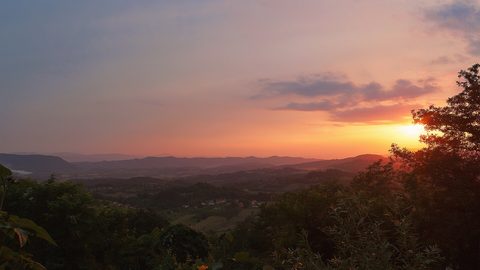 Best time to visit Serbia and what each season actually delivers
Serbia peaks in July and August with festivals and mountain warmth, but September and October offer harvest season, fewer crowds, and the best hiking weather.
Best time to visit Serbia and what each season actually delivers
Serbia peaks in July and August with festivals and mountain warmth, but September and October offer harvest season, fewer crowds, and the best hiking weather.
-
 Getting around Serbia by bus train and the roads the map oversells
Serbia's intercity bus network reaches villages trains miss, but expect delays, cash luggage fees paid to the driver, and unreliable departure boards at
Getting around Serbia by bus train and the roads the map oversells
Serbia's intercity bus network reaches villages trains miss, but expect delays, cash luggage fees paid to the driver, and unreliable departure boards at
-
 Who needs a Serbia visa and how the entry rules actually work
Serbia offers visa-free entry to many nationalities for up to 90 days, but border procedures at Belgrade airport and the Kosovo crossing point need advance planning.
Who needs a Serbia visa and how the entry rules actually work
Serbia offers visa-free entry to many nationalities for up to 90 days, but border procedures at Belgrade airport and the Kosovo crossing point need advance planning.
-
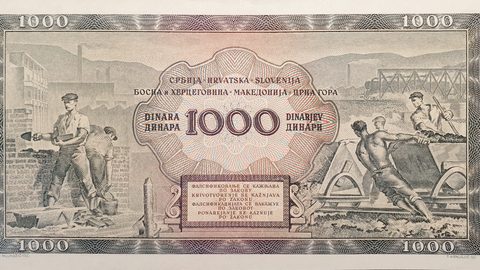 Cash and cards in Serbia what you will actually need dinars for
Cards work in Serbian city centres but cash in dinars is essential for intercity bus luggage fees, village restaurants, and rural shops where terminals are rare.
Cash and cards in Serbia what you will actually need dinars for
Cards work in Serbian city centres but cash in dinars is essential for intercity bus luggage fees, village restaurants, and rural shops where terminals are rare.
-
 Safety in Serbia reading the advice without being misled by it
Serbia is generally safe with low violent crime, but watch for Belgrade airport taxi scams, pervasive indoor smoking, and challenging rural road conditions
Safety in Serbia reading the advice without being misled by it
Serbia is generally safe with low violent crime, but watch for Belgrade airport taxi scams, pervasive indoor smoking, and challenging rural road conditions
-
 A Ground-Level Logistics Guide to Independent Travel in China
First-time independent travel in China: what you need to know about visas, rail booking, eSIMs, mobile payments, and power adapters.
A Ground-Level Logistics Guide to Independent Travel in China
First-time independent travel in China: what you need to know about visas, rail booking, eSIMs, mobile payments, and power adapters.
-
 How Solo Travelers Stay Ahead of Flight Delays and Cancellations
How solo travelers can track inbound aircraft, claim rebooking rights, and adjust ground transport when flights go wrong — step by step.
How Solo Travelers Stay Ahead of Flight Delays and Cancellations
How solo travelers can track inbound aircraft, claim rebooking rights, and adjust ground transport when flights go wrong — step by step.
-
 Why Your eSIM Might Not Work Abroad and How to Check Before You Go
Buying an eSIM doesn't guarantee signal abroad. Learn why coverage fails by location and how to verify reach before you commit to a plan.
Why Your eSIM Might Not Work Abroad and How to Check Before You Go
Buying an eSIM doesn't guarantee signal abroad. Learn why coverage fails by location and how to verify reach before you commit to a plan.