Serbia visa requirements for every passport holder
Serbia offers visa-free entry to many nationalities for up to 90 days, but border procedures at Belgrade airport and the Kosovo crossing point need advance planning.
Serbia Visa Requirements: Who Gets in Without a Visa and What the Border Police Actually Check
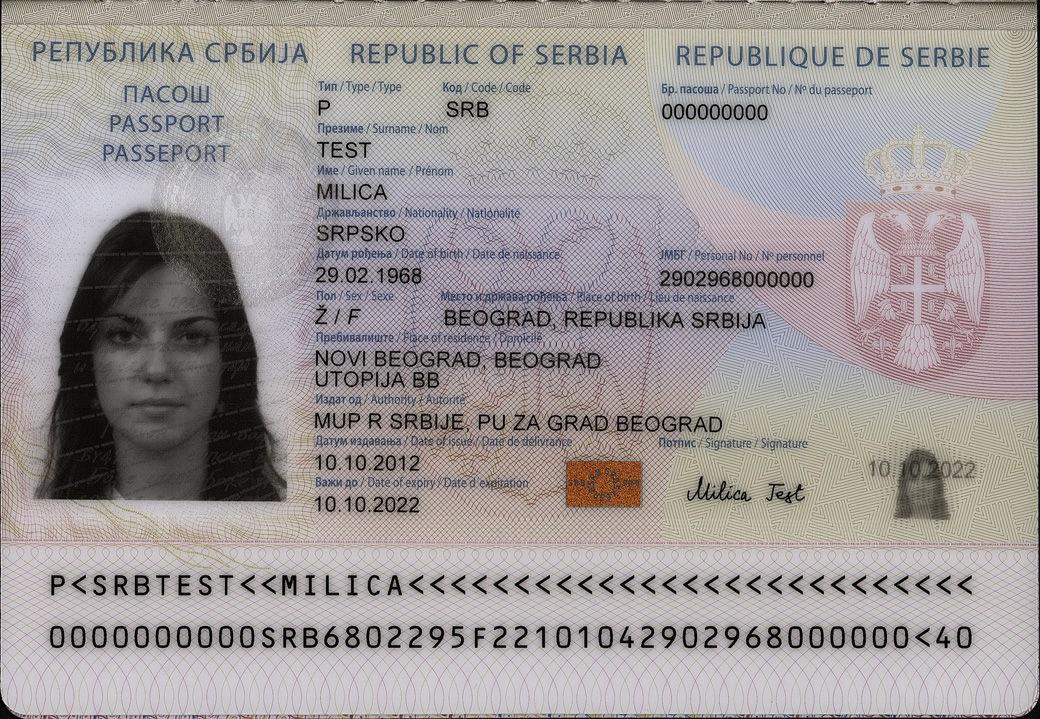
Most passport holders from Europe, the Americas, Asia and the Middle East do not need a visa to enter Serbia. The entry requirements list gives visa free access to roughly 80 nationalities for stays up to 90 days within any 180 day period. That covers every EU and EEA nation, Switzerland, the United Kingdom, the United States, Canada, Australia, New Zealand, Japan, South Korea, Singapore, Israel, Turkey, Russia, China (Hong Kong SAR and Macao SAR passport holders), and most of the former Yugoslav republics. The full list is below. If your travel document is not on it, you must apply for a visa at a Serbian embassy or consulate before travel. Serbia does not issue visas on arrival and does not operate an e visa system. That decision happens before you leave home.
The 90 day limit within a rolling 180 day window is the rule that catches out repeat visitors. If you fly into Belgrade Nikola Tesla Airport in June, spend a full three months in Serbia, then return in October, you will be refused entry because the 180 day clock resets only after a gap of 90 days outside Serbia. Border guards count days from each entry stamp, not from a calendar year. Keep a running tally yourself. The Ministry of Foreign Affairs of the Republic of Serbia publishes the official entry requirements at mfa.gov.rs in the Consular Affairs section, and that is the only source whose interpretation a border official will follow.
Shorter visa free stays apply to Belarus, Russia and Suriname. Citizens of those nations get 30 days within the same 180 day framework. The distinction matters: a Russian passport holder who overstays day 31 is overstaying, not simply losing a few spare days.

| Passport Type | Maximum Stay | Notes |
|---|---|---|
| EU / EEA / Switzerland | 90 days per 180 day period | National ID card accepted at land borders |
| USA, Canada, UK, Australia, New Zealand | 90 days per 180 day period | Passport required; onward ticket may be requested |
| Japan, South Korea, Singapore, Israel | 90 days per 180 day period | No additional documents needed in practice |
| Russia, Belarus | 30 days per 180 day period | Passport required; registration mandatory within 24 hours |
| China (Hong Kong SAR, Macao SAR) | 90 days per 180 day period | Mainland China passport holders require a visa |
| Turkey, UAE, Qatar, Kuwait, Bahrain, Oman | 90 days per 180 day period | Entry stamp issued on arrival; no pre approval |
| Albania, Bosnia and Herzegovina, Montenegro, North Macedonia, Moldova | 90 days per 180 day period | National ID card accepted at land borders |
| All other nationalities | Visa required in advance | Apply at Serbian diplomatic mission; no visa on arrival |
Serbia Visa Free Entry List: Every Passport That Skips the Embassy
The visa free entry list is long and stable, but it is not automatic. Every traveller crossing into Serbia must present a valid passport or, for eligible nationals from the EU, EEA, Switzerland and several Balkan nations, a national ID card. Passport validity is required for the duration of your stay only, not for a minimum period beyond it. That means if you plan to stay 14 days, your passport needs to be valid for those 14 days. The border official may also request proof of an onward or return ticket. This is not uniformly enforced, but if you show up on a one way bus from Budapest with no onward plans, expect questions. Carry a printed or digital copy of your outbound booking.
Nationalities That Need A Visa
If your travel document is not on the visa free list, you need a visa before you travel. Serbia does not issue visas on arrival at any land border crossing or at Belgrade Nikola Tesla Airport. The e visa system does not exist. You apply at the Serbian embassy or consulate in your home nation through the Consular Affairs Directorate of the Ministry of Foreign Affairs. Processing times vary but expect at least 15 working days. There is no expedited service at the border.
Kosovo Travel Documents
Serbia does not recognise travel documents issued by the UNMIK administration. Holders of UNMIK travel documents require a Serbian visa or a passport from a nation Serbia recognises. Entering Serbia from a third nation with a UNMIK document may be treated as illegal entry.
Serbia Visa on Arrival: Why it Does Not Exist and What to Do Instead
There is no visa on arrival for Serbia. The phrase appears in outdated travel forums and some airline booking systems, but the Ministry of Foreign Affairs does not offer one. Every traveller who needs a visa must obtain it before departure. If you arrive at a land border or at Belgrade Nikola Tesla Airport without a visa and your travel document is on the visa required list, you will be refused entry and returned to your point of origin at your own expense. The failure case is an immediate return flight or bus journey, not a conversation at a visa office. Apply through the Serbian embassy in your country of residence and give yourself at least three weeks for processing.
Belgrade Airport Immigration Process: What Happens at Passport Control
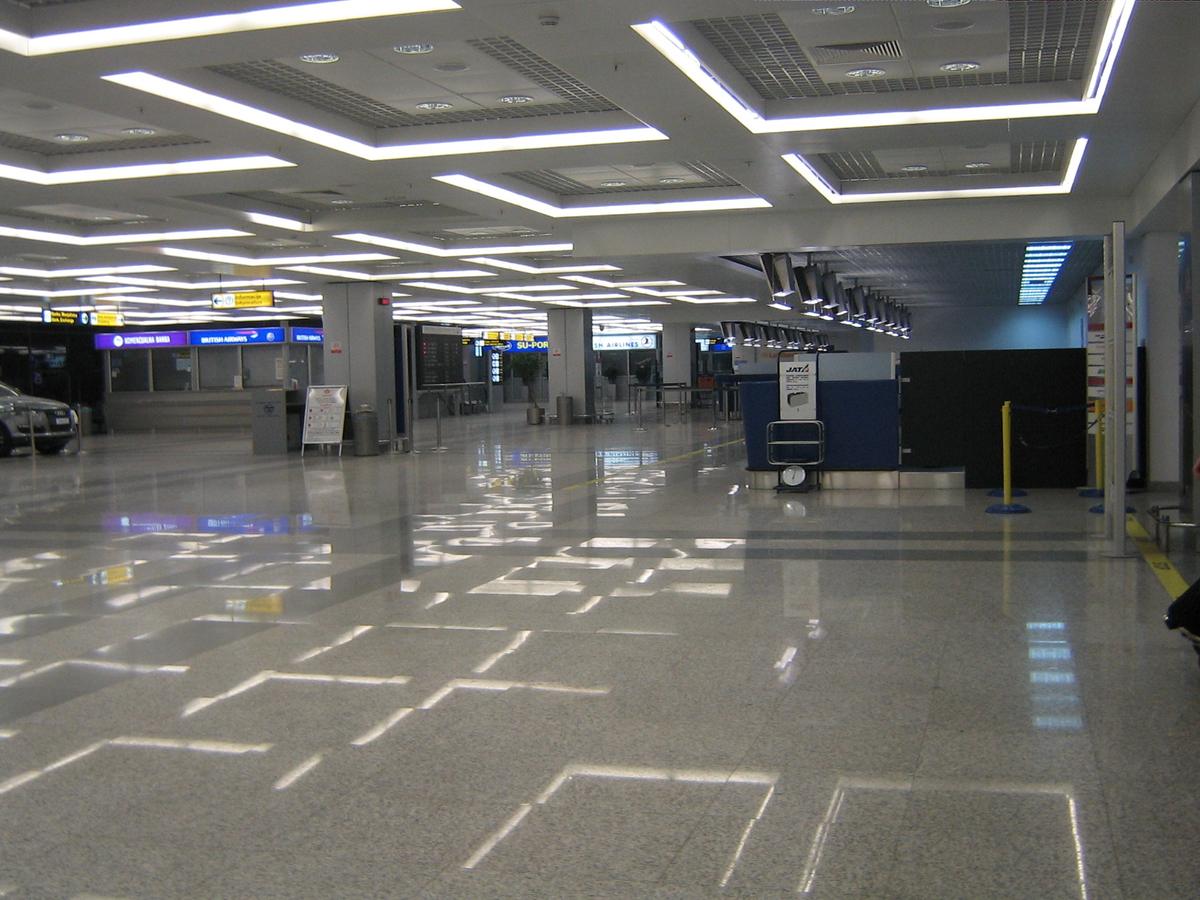
Belgrade Nikola Tesla Airport passport control is straightforward but has a few specific requirements that differ from Schengen entry procedures. Join the line for non Serbian nationals and present your passport or ID card. The official will check your document, scan it, and ask the purpose of your visit. Answer simply: tourism, business, transit. The official may also ask for proof of accommodation and proof of sufficient funds. Have a hotel booking confirmation or a host's address with the phone number ready. A printed copy is fastest, but a screen showing the booking email works. For sufficient funds, a bank statement or credit card showing available credit is enough. The official is not looking for a specific amount in cash. Travel health insurance is recommended and may be requested. Carry a printed policy document or a digital copy saved to your phone.
The entire process takes two to five minutes per person on a normal day. Peak times are late afternoon and evening when flights from Istanbul, Frankfurt and Moscow arrive. Budget 30 minutes for passport control and bag collection combined. The airport layout puts immigration before the baggage hall, so you cannot retrieve your luggage before you are cleared.
Documents To Have In Hand
- Valid passport or eligible national ID card
- Proof of onward or return travel (may be requested, not uniformly)
- Proof of accommodation booking or host's address
- Travel health insurance (recommended, may be requested)
- Proof of sufficient funds (bank statement or credit card)
Serbia is not in Schengen. This matters for overland travellers who are tracking their Schengen days. A week in Serbia does not count toward your 90 day Schengen allowance. If you are near the limit in the Schengen zone, crossing into Serbia gives you a reset without burning days in a non Schengen buffer nation. The land borders with Hungary, Croatia, Romania and Bulgaria are EU external borders, so you will pass through both Serbian and Schengen exit or entry controls, but the days you spend in Serbia are entirely outside the Schengen counter.

Serbia 90 Day Stay Rule: How the Clock Works and Where Travellers Get Caught
The 90 day stay rule applies to all visa free nationalities. You can stay up to 90 days within any rolling 180 day period. The period is not calendar based. If you enter on June 1 and leave on August 30, you have used 90 days. You cannot re enter until a date at least 90 days after August 30, because a new 180 day window begins from the date of your next attempted entry and your previous 90 days still fall inside it. The mathematics catches travellers who make multiple short trips. A pattern of three weeks in Serbia, a week in Montenegro, then three weeks back in Serbia will hit the limit faster than a single long stay. Keep a spreadsheet or use a Schengen calculator set to Turkish or Balkan parameters, because the same rolling rule applies.
Registration Within 24 Hours: The White Card
Every foreign national in Serbia must register with the local police within 24 hours of arrival. If you stay in a hotel, hostel or guesthouse, the accommodation provider registers you automatically and gives you a white card. That card is your proof of registration. If you stay with friends or family or in a private apartment booked through a platform, you must register yourself at the nearest police station. Go in person, bring your travel document and the host's address and identification, and receive the white card. Keep it with your passport for the entire stay. On departure, you surrender the white card at the border. Failure to produce it can result in a fine or, in repeated cases, an entry ban. The fine depends on how long you have been unregistered. The process takes 20 minutes at a police station. Do not skip it.
Kosovo Border Serbia Entry Stamp: the Crossing That Requires Planning
Entering Serbia from Kosovo is the single most complicated border procedure in the region. Serbia treats the administrative line with Kosovo as a border crossing. If you enter Kosovo from a third nation, for example flying into Pristina from Germany, and then attempt to cross into Serbia, Serbian border authorities treat that entry as illegal. They will refuse you entry or, in some cases, detain you and issue a fine. The rule is that entry from Kosovo is possible only if your original entry into Kosovo was from Serbia. You must have a Serbian entry stamp showing you entered Kosovo from Serbia, then a Kosovo exit stamp, then a Serbian re entry stamp. A traveller who flies into Pristina directly has no Serbian stamp and cannot cross into Serbia at any of the land crossings.
If you are travelling overland from Kosovo into Serbia, use the Merdare or Jarinje crossings. Have your passport ready for both sides. Serbian border police will inspect your stamps carefully. If your passport shows a Kosovo entry stamp from a flight into Pristina, the border official will deny entry. The only solution is to return to Kosovo, exit to a third nation such as North Macedonia or Montenegro, and enter Serbia from there. Plan your route before you book flights. The most common mistake is assuming that all Balkan borders function the same way. This one does not.
What the Serbian Border Check Actually Verifies
At the border, whether at Belgrade Nikola Tesla Airport or at a land crossing with Hungary, Croatia, Romania, Bulgaria, Bosnia and Herzegovina, Montenegro or North Macedonia, the official checks four things: your passport validity for the duration of your stay, your visa or visa free eligibility, your registration white card if you have been in Serbia more than 24 hours, and your intended exit. The onward ticket request is not uniformly enforced, but if you are asked and cannot show one, the official has grounds to refuse entry. The same applies to proof of sufficient funds. The official may ask how much money you have. A credit card with available credit or a bank statement showing a balance of roughly 100 EUR per day of your planned stay is the informal benchmark. Travel health insurance is not mandatory but is increasingly requested, especially at the airport. Carry it.
The one thing that most often goes wrong is the white card. Travellers who stay in private apartments and do not register within 24 hours arrive at the border without the card and are fined. The fine is payable in cash in dinars at the border. The official does not accept card payments. If you cannot pay, you may be detained until you can. Register on day one, not day two. That single step prevents the most common failure point in Serbian entry and exit procedures.
Frequently Asked Questions About Serbian Entry Rules
Do I need a visa to enter Serbia if I have a Schengen visa?
No. A Schengen visa does not exempt you from the Serbia visa requirements if your passport requires a visa for Serbia. You must hold a Serbian visa or a passport from a visa free nation. A Schengen visa is not a substitute.
Can I extend my 90 day stay in Serbia?
Extensions are possible but not guaranteed. Apply at the nearest police station before your 90 days expire. The extension is granted for up to 30 additional days. You must show a reason such as medical treatment or a family emergency. Tourism alone is not sufficient.
What happens if I lose my white card?
Report the loss to the police station that issued it. They will issue a duplicate for a small fee. Without it on departure, you may be fined. Keep a photocopy or photo of the white card separate from the original.
Is the 90 day limit reset if I leave and come back the same day?
No. A same day departure and re entry does not reset the 90 day period. The clock counts total days spent inside Serbia in the rolling 180 day window. A day trip to Novi Sad from Belgrade counts the same as a full day.
Do children need their own passport to enter Serbia?
Yes. Every traveller, including infants, must present their own valid passport or ID card. Children listed on a parent's passport are not accepted at Serbian border control.
Can I enter Serbia with a temporary or emergency passport?
Temporary and emergency passports are accepted only if the issuing nation is on the visa free list and the passport meets standard validity requirements. Check with the Serbian embassy in your nation before travel.
What if my flight from Serbia is cancelled and I overstay?
Go to the nearest police station with your airline cancellation notice and passport. They will issue a note confirming the overstay was not your fault. The note protects you from fines and entry bans. Do not simply wait at the airport.
Read next
-
 Staying Connected in Serbia With eSIM, a Local SIM, or Just WiFi
Comparing eSIM convenience, local prepaid SIM costs, and the mountain coverage gaps that make offline maps essential in Serbia.
Staying Connected in Serbia With eSIM, a Local SIM, or Just WiFi
Comparing eSIM convenience, local prepaid SIM costs, and the mountain coverage gaps that make offline maps essential in Serbia.
-
 Best time to visit Serbia and what each season actually delivers
Serbia peaks in July and August with festivals and mountain warmth, but September and October offer harvest season, fewer crowds, and the best hiking weather.
Best time to visit Serbia and what each season actually delivers
Serbia peaks in July and August with festivals and mountain warmth, but September and October offer harvest season, fewer crowds, and the best hiking weather.
-
 Getting around Serbia by bus train and the roads the map oversells
Serbia's intercity bus network reaches villages trains miss, but expect delays, cash luggage fees paid to the driver, and unreliable departure boards at
Getting around Serbia by bus train and the roads the map oversells
Serbia's intercity bus network reaches villages trains miss, but expect delays, cash luggage fees paid to the driver, and unreliable departure boards at
-
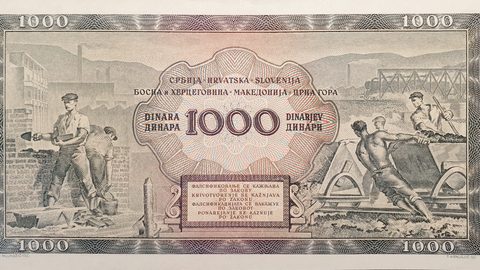 Cash and cards in Serbia what you will actually need dinars for
Cards work in Serbian city centres but cash in dinars is essential for intercity bus luggage fees, village restaurants, and rural shops where terminals are rare.
Cash and cards in Serbia what you will actually need dinars for
Cards work in Serbian city centres but cash in dinars is essential for intercity bus luggage fees, village restaurants, and rural shops where terminals are rare.
-
 Safety in Serbia reading the advice without being misled by it
Serbia is generally safe with low violent crime, but watch for Belgrade airport taxi scams, pervasive indoor smoking, and challenging rural road conditions
Safety in Serbia reading the advice without being misled by it
Serbia is generally safe with low violent crime, but watch for Belgrade airport taxi scams, pervasive indoor smoking, and challenging rural road conditions
-
 How Much a Trip to Serbia Costs, Shaped by Region and Season
How a Serbia travel budget shifts between the cash-reliant countryside, the affordable mountain resorts, and a Belgrade night out.
How Much a Trip to Serbia Costs, Shaped by Region and Season
How a Serbia travel budget shifts between the cash-reliant countryside, the affordable mountain resorts, and a Belgrade night out.
-
 A Ground-Level Logistics Guide to Independent Travel in China
First-time independent travel in China: what you need to know about visas, rail booking, eSIMs, mobile payments, and power adapters.
A Ground-Level Logistics Guide to Independent Travel in China
First-time independent travel in China: what you need to know about visas, rail booking, eSIMs, mobile payments, and power adapters.
-
 How Solo Travelers Stay Ahead of Flight Delays and Cancellations
How solo travelers can track inbound aircraft, claim rebooking rights, and adjust ground transport when flights go wrong — step by step.
How Solo Travelers Stay Ahead of Flight Delays and Cancellations
How solo travelers can track inbound aircraft, claim rebooking rights, and adjust ground transport when flights go wrong — step by step.
-
 Why Your eSIM Might Not Work Abroad and How to Check Before You Go
Buying an eSIM doesn't guarantee signal abroad. Learn why coverage fails by location and how to verify reach before you commit to a plan.
Why Your eSIM Might Not Work Abroad and How to Check Before You Go
Buying an eSIM doesn't guarantee signal abroad. Learn why coverage fails by location and how to verify reach before you commit to a plan.