A Philippines Trip Cost Breakdown Driven by Ferries and Island Time
Philippines trip costs are shaped less by accommodation grade and more by the logistical price of moving between islands, where transit eats budget faster
Shaping a Philippines Travel Budget Around Time, Transit and Island Logistics
Most budget breakdowns for the Philippines start with a daily number: PHP 1,500 for a backpacker, PHP 4,000 for mid range. That number is misleading. The real Philippines trip cost breakdown is shaped by geography, not accommodation. A PHP 1,500 beach hut on a quiet island means nothing if the ferry and tricycle chain to reach it costs PHP 4,000. You burn money fastest in transit, not where you sleep. Costs split into three unavoidable spend buckets: getting between islands, staying put once you arrive, and the cash buffer that small islands demand when ATMs go dark. The result is not a single per day figure. A two week Palawan only trip and a three island Visayas dash cost radically different amounts despite identical accommodation grades.
Philippines Backpacker Daily Budget: What PHP 1,500 Actually Buys
Where The Daily Budget Works
PHP 1,500 per day covers a dormitory bed in a basic fan room at a locally run guesthouse, three meals at carinderias and public markets, and local transport by jeepney or tricycle. That figure assumes you are already on the island where you plan to sleep. It does not include the cost of getting there. A backpacker daily budget of PHP 1,500 works in places like Dumaguete, Siquijor, or Camiguin where accommodation is cheap and activities are walking distance from town. It fails in El Nido or Coron where island hopping day tours cost PHP 1,200 to PHP 1,800 per person just for the boat rental and environmental fees, before food.
Where The Budget Breaks
Boracay. Even a basic fan room in Bulabog Beach costs PHP 1,500 to PHP 2,000 in low season. White Beach front rooms start at PHP 3,000. Boracay also charges an environmental fee and a terminal fee on arrival, cash only. Siargao is similar: a dorm bed near Cloud 9 runs PHP 600 to PHP 800, but renting a motorbike (PHP 300 to PHP 400 per day) is mandatory to reach surf breaks and coconut groves. Budget PHP 500 per day in transport alone.
.jpg)
Philippines Island-Hopping Expenses: What a Day Tour Actually Costs
Island hopping is the single largest activity expense in the Philippines, and the cost structure is counterintuitive. You pay for the boat, not per person. A standard bangka rental in El Nido for a full day tour costs PHP 2,500 to PHP 3,500 for the boat, which seats up to six passengers. Add environmental fees and docking fees at each lagoon or beach. A solo traveller pays the full boat cost. A group of four splits it. This is why Philippines island hopping expenses drop sharply when you travel with others. Join a group at your guesthouse the night before. Solo travellers on a tight budget should skip Coron's Kayangan Lake day tour and instead take the public bangka from the port, which runs PHP 200 per person each way but only during set departure times.
Puerto Princesa Underground River Costs
Palawan's Puerto Princesa Underground River is a separate cost category. Permit booking is required two weeks ahead through the Sabang Wharf office. The fee is PHP 200 for the permit plus PHP 1,200 for the round trip van and boat from Puerto Princesa. Budget half a day for the drive and queue. Do not book through a third party in town who charges PHP 2,500; they add no value.
Philippines Cash-Dependent Destinations: Where ATMs Go Dark
The Philippines is cash dependent at the island level, and a growing number of destinations have no reliable ATM access. Siquijor has two ATMs on the entire island, both in San Juan. They are frequently offline, and when they work, the withdrawal limit is PHP 5,000 per transaction. Camiguin has one ATM in Mambajao; it runs out of cash on weekends. Siargao's ATMs in General Luna have long queues and run dry during peak surf season (August to November).
How Much Cash To Carry
The rule: carry a minimum cash buffer of PHP 10,000 when leaving a provincial capital. Break it into small denominations. PHP 50 and PHP 100 bills are essential for tricycle fares and market purchases. PHP 1,000 bills are difficult to break on small islands. Cash dependent destinations include all of Palawan outside Puerto Princesa, all of the Visayas outside Cebu City and Dumaguete, and all of Mindanao outside Davao and Cagayan de Oro. If you are heading to Siquijor or Camiguin, withdraw in Cebu City or Dumaguete before the ferry. Do not rely on the ATM at the port; it is the first one that empties.
Philippines Domestic Flight Fare Reality: What You Pay to Move Between Islands
Book Ahead Or Pay Double
Domestic flights are the largest single trip cost for budget travellers, and the fare structure can be brutal. A one way flight from Manila to Puerto Princesa booked two weeks ahead costs PHP 2,500 to PHP 4,000 on Cebu Pacific or AirAsia. The same flight booked three days ahead costs PHP 6,000 to PHP 9,000. A last minute flight from El Nido to Manila via Coron can cost more than your international arrival ticket. This is the Philippines domestic flight fare reality: book weeks ahead or pay double.
Routes That Hurt Most
Manila to Siargao (PHP 4,000 to PHP 7,000 one way, no competition), Manila to Coron (PHP 3,500 to PHP 6,000, only one airline on some days), and Cebu to Siargao (PHP 3,000 to PHP 5,000). Fly into the cheapest hub and island hop by ferry from there. For example, fly into Cebu instead of Manila for Visayas trips. Cebu Pacific and Philippine Airlines both operate the Cebu hub. A Cebu to Dumaguete flight costs PHP 1,500 to PHP 2,500 booked ahead; the fastcraft ferry costs PHP 800 and takes three hours. For Palawan, fly into Puerto Princesa and take the public van to El Nido (PHP 600, five hours) rather than flying directly to El Nido's Lio Airport at PHP 5,000.
Baggage Is A Separate Cost
Low cost carriers include 7 kg carry on only. A 20 kg checked bag costs PHP 600 to PHP 1,200 per segment. If you island hop with diving gear, you will pay this on every flight. Budget PHP 1,000 per flight for checked baggage. Pack light in a 40 L backpack and you skip the fee entirely.
_at_a_street_food_stall_(Philippines)_01.jpg)
Why a Two Week Trip Costs More Than You Think
The minimum viable trip length for the Philippines is 14 days. Anything less and you lose half the trip in domestic transit. A 10 day itinerary that attempts Luzon, Palawan, and the Visayas wastes two to three full days on check ins and airport transfers. The common mistake is trying to see too much. Travellers who cram three regions into 10 days arrive at each island exhausted, barely scratch the surface, and spend PHP 8,000 to PHP 12,000 on domestic flights they could have avoided by staying in one region.
Two Weeks In Palawan
A two week Palawan only trip costs PHP 35,000 to PHP 50,000 for a backpacker budget, including flights from Manila, ferry to Coron, island hopping tours, and a return flight.
Three Islands In The Visayas
A three island Visayas dash (Cebu, Bohol, Siquijor) costs PHP 30,000 to PHP 45,000 because ferries are cheap (PHP 800 to PHP 1,200 per leg) and flights are internal to Cebu only. The radical difference is transit cost, not accommodation. Palawan burns money on flights and bangka tours. The Visayas burns money on ferries and tricycles. Both deliver high reward tropical beauty. Palawan demands logistical grit; the Visayas demands patience with Filipino time and ferry delays.
Common Questions
How much cash should I carry for a two week Philippines trip?
Carry PHP 15,000 to PHP 20,000 in cash as a baseline. Split it across small bills and store it in two separate places. This covers accommodation deposits, ferry tickets, tricycle fares, and market food for the first week in remote areas. Withdraw additional cash at provincial capitals like Cebu City, Dumaguete, or Puerto Princesa before heading to small islands.
What is the cheapest way to island hop between Palawan and the Visayas?
There is no cheap direct ferry. The cheapest route is a flight from Puerto Princesa to Cebu (PHP 2,500 to PHP 4,000 booked ahead) or a flight from Puerto Princesa to Manila connecting to Cebu. The RORO ferry from Palawan to the Visayas is infrequent and takes 12 to 16 hours. Budget PHP 4,000 to PHP 6,000 for the transfer.
Do I need a visa to travel to the Philippines?
Citizens of 157 countries receive visa free entry for 14 to 59 days depending on nationality. ASEAN nationals get 30 days visa free. If you stay longer, you can extend at a Bureau of Immigration office in 29 day increments up to 36 months total. Register your eTravel declaration within 72 hours before arrival.
Is it safe to travel to the Philippines right now?
Multiple governments publish annual travel advisories. The United Kingdom Foreign and Commonwealth Development Office, the United States Department of State, the Government of Canada, and the Australian Department of Foreign Affairs and Trade each maintain current advisories. Check the one relevant to your nationality before booking. Mindanao regions BARMM and SOCCSKSARGEN require special permits and coordination with local authorities.
What is the biggest unexpected cost for first time travellers?
Internet connectivity. Reliable mobile data and portable WiFi are expensive. A Globe or Smart prepaid SIM costs PHP 50 to PHP 100 at the airport, but loading it with 10 GB of data costs PHP 300 to PHP 500. Expect no 4G on ferry crossings or inside limestone karst lagoons. Download offline Google Maps and a Grab account before leaving airport WiFi.
Read next
-
 Staying Connected in the Philippines with eSIM, Local SIM or Pocket Wi-Fi
Choosing between a Philippines eSIM, local Globe or Smart SIM, or pocket Wi-Fi depends on which islands you visit and how much offline backup you plan for
Staying Connected in the Philippines with eSIM, Local SIM or Pocket Wi-Fi
Choosing between a Philippines eSIM, local Globe or Smart SIM, or pocket Wi-Fi depends on which islands you visit and how much offline backup you plan for
-
 Best Time to Visit the Philippines, Amihan, Habagat, and Typhoon Season Explained
The Philippines has two monsoons, a typhoon belt, and a Holy Week that shuts the country down.
Best Time to Visit the Philippines, Amihan, Habagat, and Typhoon Season Explained
The Philippines has two monsoons, a typhoon belt, and a Holy Week that shuts the country down.
-
 Getting Around the Philippines, Ferries, Flights, and Why the Map Lies
Domestic flights, RORO ferries, fast cats, bangkas, jeepneys, and tricycles—here is how Philippine transport actually works, and why every journey takes
Getting Around the Philippines, Ferries, Flights, and Why the Map Lies
Domestic flights, RORO ferries, fast cats, bangkas, jeepneys, and tricycles—here is how Philippine transport actually works, and why every journey takes
-
 Philippines Visa Requirements, Who Gets Visa-Free Entry and Who Needs to Apply
Most nationalities get 30 days visa-free in the Philippines, with extensions possible up to 36 months.
Philippines Visa Requirements, Who Gets Visa-Free Entry and Who Needs to Apply
Most nationalities get 30 days visa-free in the Philippines, with extensions possible up to 36 months.
-
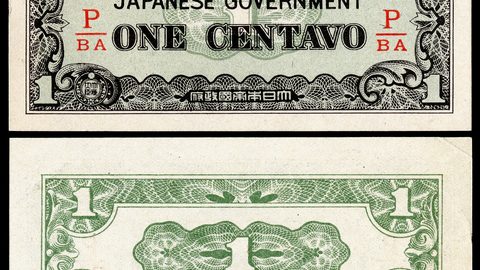 Money in the Philippines, Cash Rules, ATM Reliability, and What Cards Actually Work
The Philippines runs on cash, especially on small islands where ATMs are scarce and often offline.
Money in the Philippines, Cash Rules, ATM Reliability, and What Cards Actually Work
The Philippines runs on cash, especially on small islands where ATMs are scarce and often offline.
-
 Safety in the Philippines, Reading the Advice Without Being Misled by It
Government advisories flag specific Philippine regions, but most tourist destinations are low-risk.
Safety in the Philippines, Reading the Advice Without Being Misled by It
Government advisories flag specific Philippine regions, but most tourist destinations are low-risk.
-
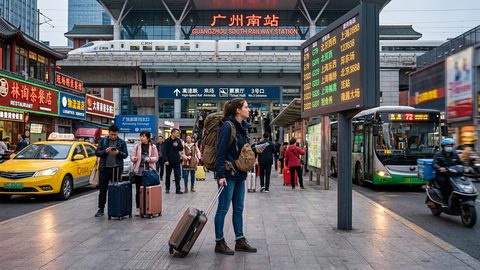 A Ground-Level Logistics Guide to Independent Travel in China
First-time independent travel in China: what you need to know about visas, rail booking, eSIMs, mobile payments, and power adapters.
A Ground-Level Logistics Guide to Independent Travel in China
First-time independent travel in China: what you need to know about visas, rail booking, eSIMs, mobile payments, and power adapters.
-
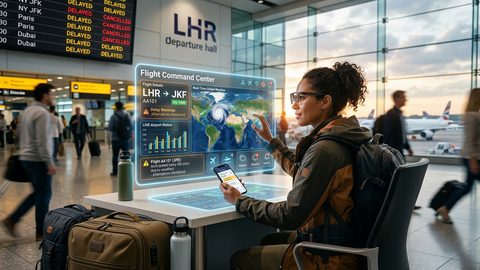 How Solo Travelers Stay Ahead of Flight Delays and Cancellations
How solo travelers can track inbound aircraft, claim rebooking rights, and adjust ground transport when flights go wrong — step by step.
How Solo Travelers Stay Ahead of Flight Delays and Cancellations
How solo travelers can track inbound aircraft, claim rebooking rights, and adjust ground transport when flights go wrong — step by step.
-
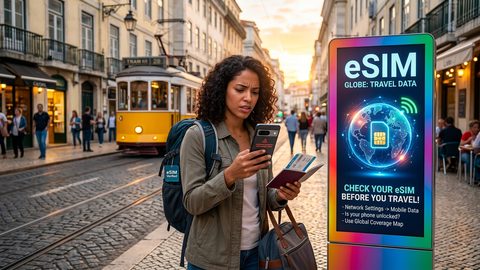 Why Your eSIM Might Not Work Abroad and How to Check Before You Go
Buying an eSIM doesn't guarantee signal abroad. Learn why coverage fails by location and how to verify reach before you commit to a plan.
Why Your eSIM Might Not Work Abroad and How to Check Before You Go
Buying an eSIM doesn't guarantee signal abroad. Learn why coverage fails by location and how to verify reach before you commit to a plan.