Visa Rules for the Philippines, by Nationality
Most nationalities get 30 days visa-free in the Philippines, with extensions possible up to 36 months.
Most nationalities enter the Philippines without a visa and stay for 30 days. Citizens of 157 countries qualify under Executive Order No. 408, including the United States, Canada, Australia, the United Kingdom, Japan, South Korea, and all Schengen Area states. ASEAN members Brunei, Cambodia, Indonesia, Laos, Malaysia, Myanmar, Singapore, Thailand, and Vietnam also get 30 days visa free. A smaller but critical group, former Filipino citizens travelling under the Balikbayan privilege, receive a full year on arrival without any visa paperwork. The Philippines visa requirements page is the place to confirm which group you fall into. The difference between a 30 day entry and a 59 day stay is exactly one visit to a Bureau of Immigration field office.
Visa Free Entry Countries
Who Arrives Without A Visa
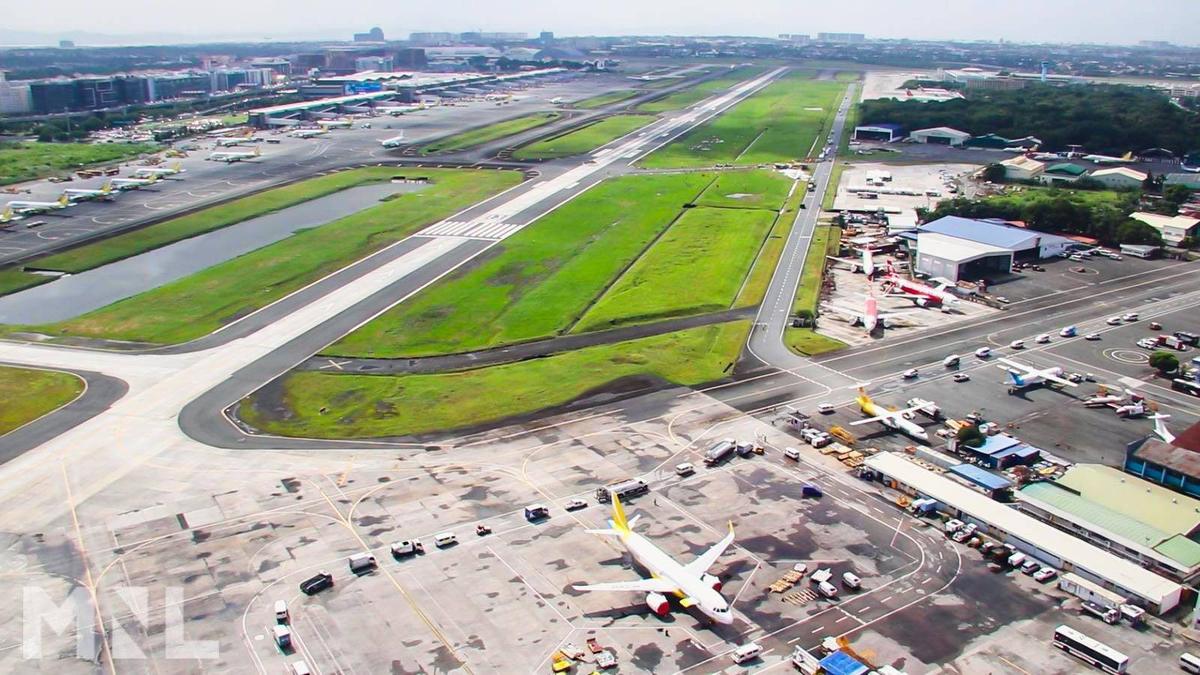
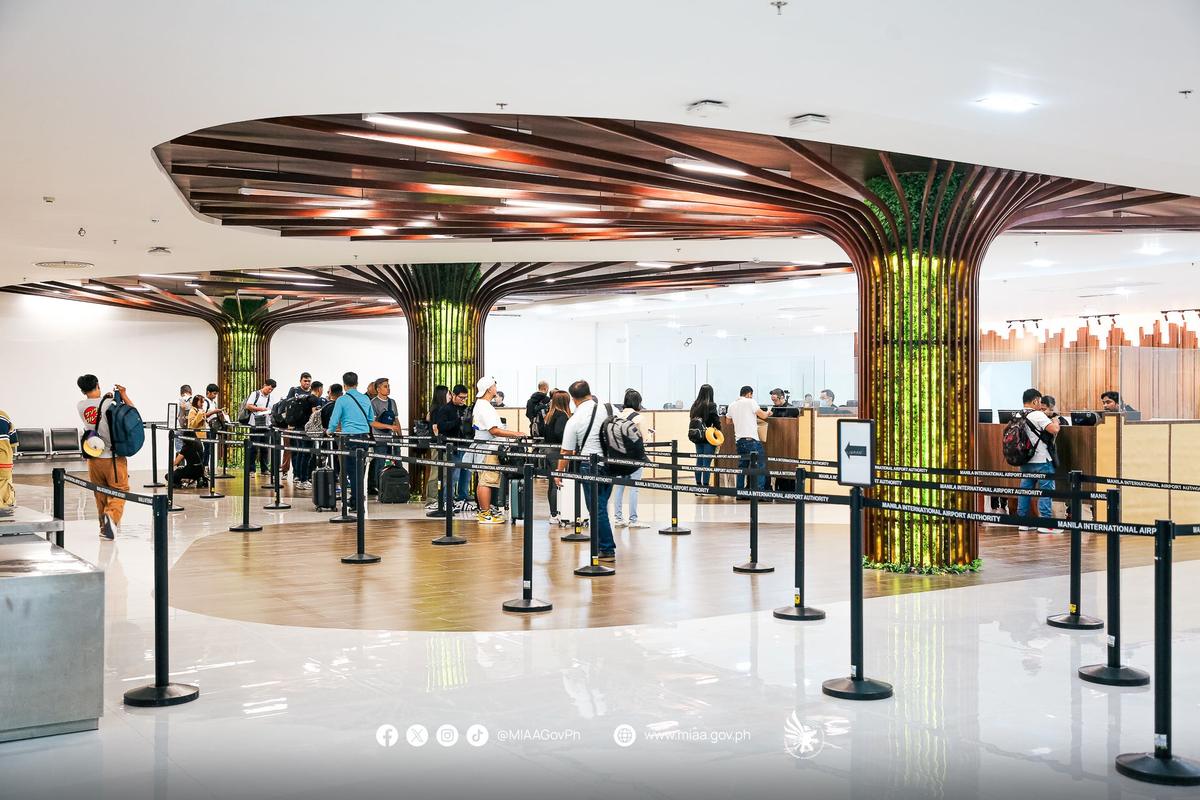
The list of visa free entry countries for the Philippines is defined by Executive Order No. 408 as amended, and it covers 157 nationalities. If you hold a passport from any of the major Western nations, most of Asia outside of China and India, or the Gulf states, you arrive without applying for anything in advance. You must present a passport valid for at least six months beyond your intended stay and a confirmed onward or return ticket out of the Philippines within the 30 day window. The border officer at Ninoy Aquino International Airport, Mactan Cebu International Airport, or Clark International Airport will record your biometrics, photograph and fingerprints, and may ask to see proof of accommodation or financial capacity. Have a printed hotel booking and a bank statement ready. You do not need a printed eTravel registration QR code at the desk, but the system requires you to complete the form at etravel.gov.ph within 72 hours before arrival. The eTravel platform integrates the health declaration and the customs declaration, so one submission covers both.
No Visa On Arrival
The Philippines does not operate a visa on arrival scheme. There is no counter at the airport where you pay a fee and walk through. If your nationality is not on the visa free list, you must apply in advance. China, India, and Taiwan are eligible for an e visa through the Bureau of Immigration e services portal, though the list may expand. Check immigration.gov.ph for the current version of the e visa scheme, which is revised annually. Citizens of countries not on either list must apply for a 9a Temporary Visitor visa at a Philippine embassy or consulate before departure.

Balikbayan Privilege
The Balikbayan privilege grants former Filipino citizens and their foreign spouse or children a visa free entry of one year. This is not a visa. You arrive, show your old Philippine passport or a copy of your Philippine birth certificate plus your foreign passport, and the border officer stamps you for 12 months. The foreign spouse does not need to travel together with the former citizen, but the relationship must be documented. A marriage certificate certified by the Philippine Statistics Authority is the standard proof. The privilege applies every time you enter, not just on the first trip, and there is no limit on how many times you use it. Extending beyond one year requires a 9a Temporary Visitor visa at a Bureau of Immigration office.
Philippines Visa Extension Process
Where To Extend
The Philippines visa extension process is straightforward but location specific. You cannot extend at the airport. You must go to a Bureau of Immigration field office, most of which are located inside major shopping malls. In Manila, the BI office at SM Mall of Asia is the busiest. In Cebu, the office at SM City Cebu handles extensions. In Palawan, the Puerto Princesa office is on National Highway, not inside a mall. Arrive before 10:00 on a weekday to finish before lunch. The office operates on a ticket system, and the queue for the cashier is the slowest part.
The First Extension
The standard extension adds 29 days to your initial 30 day visa free stay, bringing the total to 59 days. The fee for the first extension is approximately PHP 3,000, which includes the extension fee, the processing fee, and the legal research fund fee. Pay in cash. The office accepts Philippine pesos only. You will have your photograph and fingerprints taken again. The whole process takes 90 minutes to two hours if the system is online. If the system is down, which happens, you may be asked to return the next day.
Staying Longer Than 59 Days
Extensions beyond 59 days are possible but require a different form and higher fees. A 9a Temporary Visitor visa is needed for stays longer than 59 days, and it involves a background check. Most travellers who plan to stay longer than two months should apply for the proper visa before arrival rather than stacking multiple extensions, because each extension adds cost and a trip to the BI office.
Overstaying
The most common mistake is overstaying by one or two days. Overstay fines are PHP 500 per month plus a PHP 1,000 processing fee. If you overstay, go to a BI office voluntarily rather than waiting to be flagged at departure. The border officer at the airport will catch an overstay because your biometrics are on file, and the fine is higher if you pay at the airport counter.
Philippines Tourist Visa Application
Applying At An Embassy
The Philippines tourist visa process applies to nationals who are not on the visa free list and who do not qualify for the e visa. You apply at a Philippine embassy or consulate in your country of residence. The standard tourist visa is a 9a Temporary Visitor visa, valid for 59 days. The paperwork requires a passport with at least six months validity, a completed form, two passport sized photographs, proof of financial capacity such as a bank statement, a confirmed round trip ticket, and proof of accommodation for the entire stay. Processing time is three to five working days. Fees vary by embassy.
The E Visa Route
For Chinese, Indian, and Taiwanese nationals, the e visa route through the Bureau of Immigration e services portal is faster. The online form asks for the same documents uploaded as scanned files, and the approval arrives by email. The e visa is valid for 59 days. Check immigration.gov.ph for the current e visa fee, which changes annually.
Visa Free Stay Extension at a Glance
This table summarises the options for staying longer than 30 days without applying for a tourist visa before arrival.

| Stay Duration | How To Get It | Fee Estimate | Where To Process |
|---|---|---|---|
| 30 days | Visa free entry, no action needed | PHP 0 | Arrival at port of entry |
| 59 days | One extension at BI field office | PHP 3,000 | BI office in major mall or city |
| Beyond 59 days | 9a Temporary Visitor visa application | PHP 5,000+ | BI office or embassy |
| 1 year | Balikbayan privilege | PHP 0 | Arrival at port of entry |
Who Should Visit the Philippines and Who Should Skip it
Who Should Go
The Philippines suits intrepid backpackers who accept long transits, scuba divers chasing biodiversity, island hopping obsessives willing to trade comfort for empty sand, kitesurfers chasing monsoon winds, and budget conscious long term travellers who can work around patchy internet. The minimum trip is 14 days. Anything less and you burn half the time in domestic transit. You see only a fraction of one region. The peak season runs December to April, driven by the dry northeast monsoon and the Holy Week surge. Avoid the week before Easter entirely. Ferries and buses sell out. Roads gridlock.
Who Should Skip It
The Philippines is not for luxury resort minimalists who want a single base, travellers who need reliable high speed Wi Fi for work, anyone on a tight 7 to 10 day schedule, or people frustrated by loose schedules. Filipino time delays are real. Domestic flights with Cebu Pacific and AirAsia are routinely delayed or cancelled. Never book a tight international connection on the same day as a domestic arrival. Ferry schedules online are aspirational. Confirm at the port the day before. One island one power grid means brownouts hit entire small islands for hours. ATMs are scarce on remote islands. Carry a cash buffer of PHP 10,000 minimum. The terminal fee at provincial airports is PHP 100 to PHP 300, cash only. The single thing that most often goes wrong is trying to cram Luzon, Palawan, and the Visayas into a 10 day trip. You lose two to three full days in transit and check ins. You end up exhausted, barely scratching each region.
Common Questions
What is the passport validity required on arrival for the Philippines?
Your passport must be valid for at least six months beyond your intended stay.
Do I need an onward or return ticket to enter the Philippines visa free?
Yes. You must hold a confirmed ticket out of the Philippines within the allowed stay period.
Can I extend my 30 day visa free stay at the airport?
No. Extensions are processed only at Bureau of Immigration field offices, most of which are in major shopping malls.
How much does it cost to extend my stay from 30 days to 59 days?
The fee is approximately PHP 3,000, paid in cash at the BI office.
What is the Balikbayan privilege and who qualifies?
Former Filipino citizens and their foreign spouse or children can enter visa free for one year. The foreign spouse needs a certified marriage certificate.
Which nationalities are eligible for the Philippines e visa?
China, India, and Taiwan can apply via the Bureau of Immigration e services portal. The list is revised annually, so check immigration.gov.ph.
What happens if I overstay my visa free period?
Overstay fines are PHP 500 per month plus a PHP 1,000 processing fee. Pay voluntarily at a BI office before departure to avoid a higher fine at the airport.
Read next
-
 Staying Connected in the Philippines with eSIM, Local SIM or Pocket Wi-Fi
Choosing between a Philippines eSIM, local Globe or Smart SIM, or pocket Wi-Fi depends on which islands you visit and how much offline backup you plan for
Staying Connected in the Philippines with eSIM, Local SIM or Pocket Wi-Fi
Choosing between a Philippines eSIM, local Globe or Smart SIM, or pocket Wi-Fi depends on which islands you visit and how much offline backup you plan for
-
 Best Time to Visit the Philippines, Amihan, Habagat, and Typhoon Season Explained
The Philippines has two monsoons, a typhoon belt, and a Holy Week that shuts the country down.
Best Time to Visit the Philippines, Amihan, Habagat, and Typhoon Season Explained
The Philippines has two monsoons, a typhoon belt, and a Holy Week that shuts the country down.
-
 Getting Around the Philippines, Ferries, Flights, and Why the Map Lies
Domestic flights, RORO ferries, fast cats, bangkas, jeepneys, and tricycles—here is how Philippine transport actually works, and why every journey takes
Getting Around the Philippines, Ferries, Flights, and Why the Map Lies
Domestic flights, RORO ferries, fast cats, bangkas, jeepneys, and tricycles—here is how Philippine transport actually works, and why every journey takes
-
 Money in the Philippines, Cash Rules, ATM Reliability, and What Cards Actually Work
The Philippines runs on cash, especially on small islands where ATMs are scarce and often offline.
Money in the Philippines, Cash Rules, ATM Reliability, and What Cards Actually Work
The Philippines runs on cash, especially on small islands where ATMs are scarce and often offline.
-
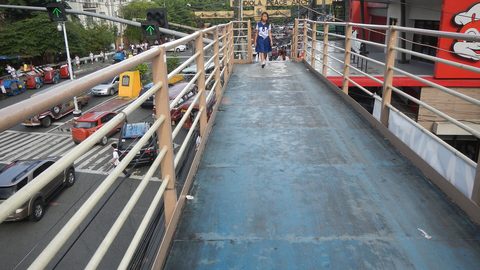 Safety in the Philippines, Reading the Advice Without Being Misled by It
Government advisories flag specific Philippine regions, but most tourist destinations are low-risk.
Safety in the Philippines, Reading the Advice Without Being Misled by It
Government advisories flag specific Philippine regions, but most tourist destinations are low-risk.
-
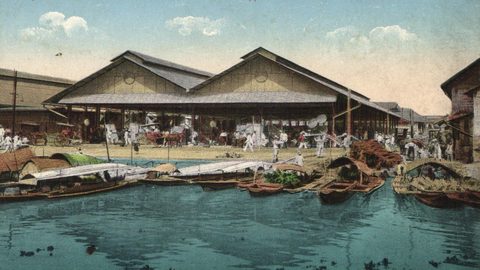 What a Philippines Trip Actually Costs and How to Shape Your Budget
Philippines trip costs are shaped less by accommodation grade and more by the logistical price of moving between islands, where transit eats budget faster
What a Philippines Trip Actually Costs and How to Shape Your Budget
Philippines trip costs are shaped less by accommodation grade and more by the logistical price of moving between islands, where transit eats budget faster
-
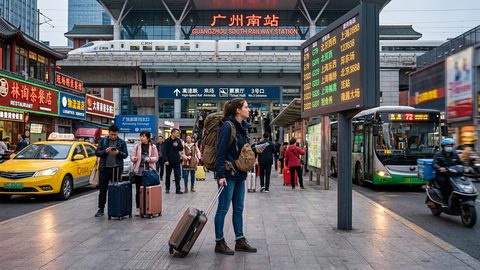 A Ground-Level Logistics Guide to Independent Travel in China
First-time independent travel in China: what you need to know about visas, rail booking, eSIMs, mobile payments, and power adapters.
A Ground-Level Logistics Guide to Independent Travel in China
First-time independent travel in China: what you need to know about visas, rail booking, eSIMs, mobile payments, and power adapters.
-
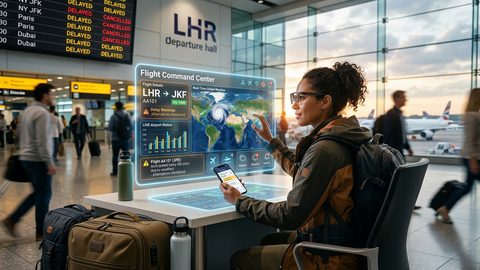 How Solo Travelers Stay Ahead of Flight Delays and Cancellations
How solo travelers can track inbound aircraft, claim rebooking rights, and adjust ground transport when flights go wrong — step by step.
How Solo Travelers Stay Ahead of Flight Delays and Cancellations
How solo travelers can track inbound aircraft, claim rebooking rights, and adjust ground transport when flights go wrong — step by step.
-
 Why Your eSIM Might Not Work Abroad and How to Check Before You Go
Buying an eSIM doesn't guarantee signal abroad. Learn why coverage fails by location and how to verify reach before you commit to a plan.
Why Your eSIM Might Not Work Abroad and How to Check Before You Go
Buying an eSIM doesn't guarantee signal abroad. Learn why coverage fails by location and how to verify reach before you commit to a plan.