Reading Philippines Safety Travel Advice Through a Local Reality Lens
Government advisories flag specific Philippine regions, but most tourist destinations are low-risk.
Philippines Safety: What the Warnings Actually Mean on the Ground
You land at NAIA Terminal 3, queue for a Grab car, and the driver asks where you are headed. Makati. He shrugs: three hours to go 12 kilometres if the Edsa traffic hits. That is not a safety problem. That is Manila. Read any Philippines safety travel advice from a foreign government and you will see red zones on a map of Mindanao, a terrorism alert for the Sulu Archipelago, and a note about typhoons. The gap between that official warning and what you actually navigate as a tourist is wide. Here is how to calibrate it.
What the Government Advisories Really Cover
UK FCDO, US State Department, Australian DFAT, and Government of Canada advisories all flag the same risks: conflict in the Sulu Archipelago and parts of Mindanao (Sultan Kudarat, Davao del Norte, Davao Oriental, Sarangani, South Cotabato), terrorism and kidnapping in the Sulu Sea area, and violent crime in isolated southern zones. These are real. The Sulu Archipelago is not a tourist region. No traveller routes through it. No dive liveaboard stops there. The warning applies to a specific geography that no standard itinerary touches. The rest of the country, Palawan, the Visayas (Cebu, Bohol, Siargao, Boracay, Siquijor, Dumaguete, Camiguin), Bicol, and the northern highlands (Banaue, Sagada), operates without security incidents affecting travellers. The advisory does not say that.
Regional Safety Variations You Need to Know
The safety map is simple. The conflict zone is the south-west arc: Basilan, Sulu, Tawi-Tawi, and the Zamboanga Peninsula coast. Everything else is open. Palawan, which sits west of that zone, is safe. Coron and El Nido see mass tourism daily. The Visayas are stable. The surf island of Siargao has a local police presence. Bicol, the typhoon corridor, faces natural hazards not security threats. Metro Manila has pickpocketing and snatch theft, not terrorism. Cebu City has the same street crime profile as any Southeast Asian city of 3 million. Lumping the whole country into one safety bucket is wrong.
Philippines Petty Theft Prevention: the Real Urban Risk
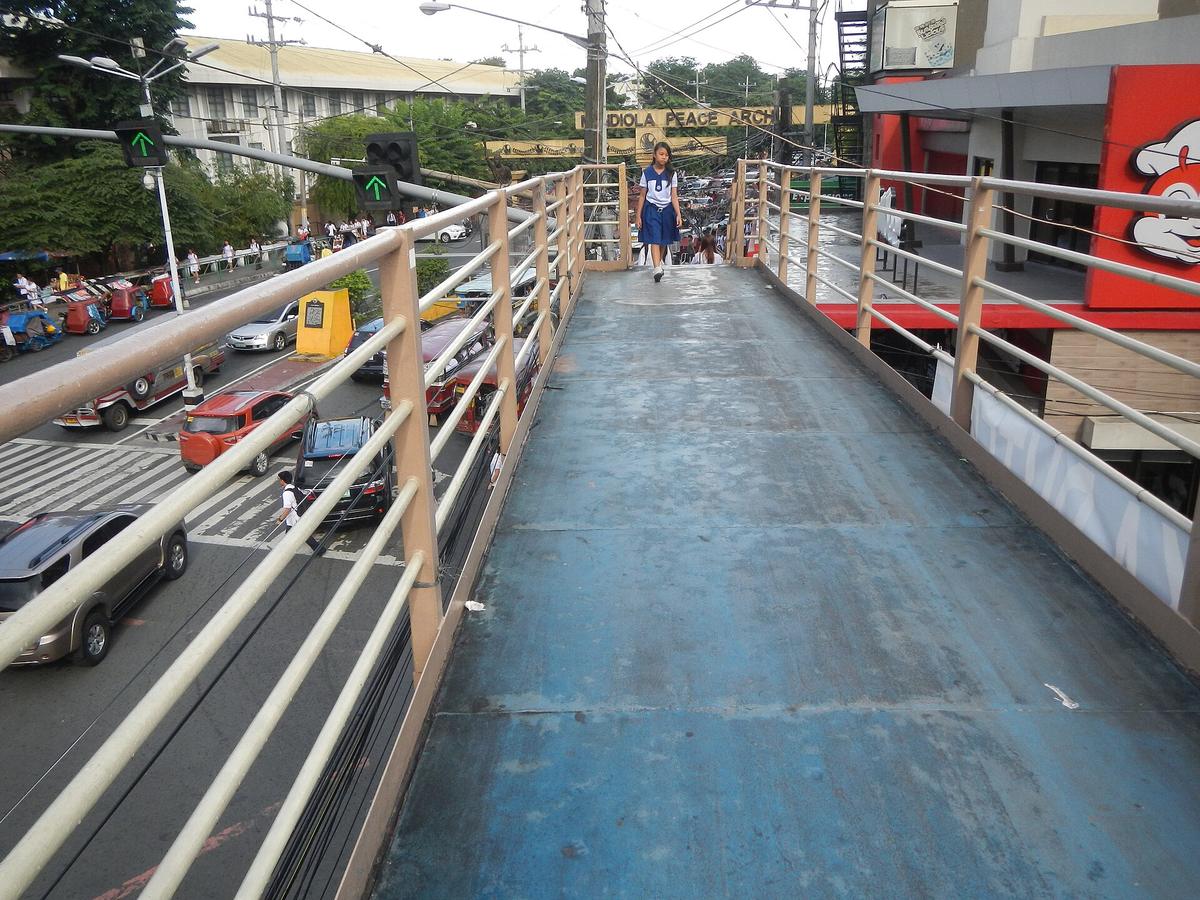
Petty theft in Manila and Cebu is the most likely safety incident you will face. Not kidnapping. Not insurgency. Someone lifting your phone from your back pocket on a crowded LRT-1 carriage or snatching a bag strap at a jeepney stop. Prevention starts with how you carry your things. Phone in front pocket or inside a zipped bag, never in a back pocket or hanging from a shoulder strap on the street side. Keep your daypack in your lap on LRT and MRT-3 trains, not on the floor or behind you. In Divisoria or Quiapo markets, leave the camera in the hotel. The Grab app, which works in both Metro Manila and Cebu, removes taxi negotiation risk entirely. Pre-book at NAIA from the terminal Wi-Fi before you walk outside.
| Scam | Where It Happens | Hook | Defence |
|---|---|---|---|
| Taxi meter refusal | NAIA Terminals 1 2 3, Cebu Mactan Airport | Driver quotes a fixed fare 3x the metered rate | Pre-book a Grab car from inside the terminal; if you must take a taxi, insist the meter runs |
| Tour touts offering closed attractions | Rizal Park, Intramuros Manila, Colon Street Cebu | A local says a landmark is closed and offers a private tour instead | The attraction is open. Walk past. Confirm hours online the night before. |
| Currency exchange short count | BGC Manila, Ayala Cebu, tourist-sidewalk money changers | Fast counting with folded notes hides a missing PHP 500 | Count your money twice. Use mall-based exchanges only. |
Philippines Natural Hazard Typhoon Earthquake: What to Expect
Typhoon and earthquake risks are real and seasonal, not random. The typhoon belt covers Luzon and Eastern Visayas (Bicol, Samar, Leyte, northern Cebu) from June to November, with peak activity July to October. East coast destinations, Siargao, Bicol, Eastern Samar, face the heaviest rain from November to April, the opposite of Manila and Palawan. Book travel in December to April, the dry season driven by the northeast monsoon (Amihan), to minimise weather disruption. The entire country sits on the Pacific Ring of Fire. 24 active volcanoes monitored by PHIVOLCS means Taal, Mayon, and Kanlaon can produce vog or ashfall. Earthquakes are frequent but rarely affect tourists beyond a rattle. Buy travel insurance with medical evacuation coverage. Domestic air ambulance services are limited, so evacuation to Manila or Singapore depends on the policy you bought. Do not skip it.
Typhoon Season Tactics
If you travel July to October, monitor the PAGASA weather bulletin daily. Ferry cancellations happen with 24 hour notice. Have a buffer of one to two days in each destination. Never book a tight international connection on the same day as a domestic flight or ferry. Cebu Pacific and AirAsia delay and cancel routinely, and weather multiplies that.
Volcanic Activity
Taal Volcano last erupted in 2022. Mayon Volcano in 2023. The vog (volcanic smog) from Taal can reach Manila and Tagaytay, causing respiratory irritation. Check PHIVOLCS status before you drive to Tagaytay for the viewpoint. If alert level is 2 or above, the crater hike is closed anyway.
Philippines Scam Awareness Manila Cebu: How Not to Lose PHP 500 Before Lunch
Scam awareness in Manila and Cebu is about knowing three setups. The taxi meter refusal is the most common. At NAIA, a driver quotes a fixed fare to Makati when the metered rate is a third of that. Pre-book a Grab and the problem vanishes. The second is the closed attraction tout. A man outside Intramuros says the fort is closed for lunch and offers a calesa tour instead. It is not closed. Walk to the gate. The third is the currency exchange short count. A changer on the sidewalk in BGC or Ayala Cebu folds a PHP 500 note into a stack and counts fast, shorting you by that bill. Count your stack twice, in front of them, before you walk away. Mall-based exchanges are slower and honest.
ATM Security on Small Islands
ATMs are scarce on small islands and often offline. Carry a cash buffer of PHP 10,000 minimum. In El Nido, Coron, Siargao, Siquijor, and Camiguin, card acceptance is rare outside hotels. Withdraw at the provincial capital before you board the ferry. One island, one power grid means brownouts hit entire small islands for hours, taking ATMs offline.


Water, Food, and Health Risks You Should Not Ignore
Tap water is not potable in most areas. Drink bottled or purified water. Commercially produced ice is generally safe; ice from street stalls of uncertain origin carries risk. The most common foodborne illness is traveller's diarrhoea, bacterial (E. coli, Campylobacter, Salmonella). Eat at stalls with visible turnover. The food is worth the risk, lechon Cebu, kinilaw, chicken inasal, tuna panga, halo-halo, batchoy, buko pie, but budget for a day of rest if your stomach rebels.
Malaria and Dengue
Malaria transmission zones are rural Palawan below 600 m, remote areas of Mindanao (Sultan Kudarat, Davao del Norte, Davao Oriental, Sarangani, South Cotabato), and the Sulu Archipelago. Most tourist destinations are malaria-free. Dengue is year-round with a peak June to November. Rabies is endemic in dog and cat populations. Do not pet stray animals.
Philippines Regional Safety Variations: a Destination by Destination Breakdown
The safety map breaks into four categories. Category one, no security concerns: Palawan (El Nido, Coron, Puerto Princesa), Cebu and Bohol, Siargao, Boracay, Banaue and Sagada, Bicol, Dumaguete and Apo Island, Siquijor, Camiguin. These destinations see thousands of foreign visitors monthly. Police presence exists at tourist hubs. Category two, standard urban crime: Metro Manila and Cebu City. Pickpocketing, snatch theft, and taxi scams are the risks, not violent crime. Category three, natural hazard zones: Bicol and Eastern Visayas during typhoon season July to October, Pacific-facing beaches with rip currents year round. Category four, do not go: Sulu Archipelago, remote Mindanao interior. No tourist goes there. Plan on the first three categories and you are fine.
Road Safety, Beach Risks, and Other Ground Level Hazards
The road fatality rate is 12.0 per 100,000 population (WHO estimate, 2021). Driving is on the right. A foreign driving licence is valid for up to 90 days from arrival. Seatbelts are mandatory for front and rear seats where fitted. Motorcycle helmets are mandatory for rider and passenger. The blood alcohol limit for private drivers is 0.05%; for motorcycle and public transport drivers it is 0.0%. If you rent a motorbike in Siargao or Siquijor, wear the helmet, avoid riding after dark, and check the bike brake function before you pay.
Rip Currents and Marine Hazards
Rip currents are present on many exposed beaches, particularly Pacific-facing coasts (Siargao, Eastern Samar, Bicol). The beach flag system is not standardised. Red flag means no swimming at some managed beaches only. Box jellyfish are seasonal in near-shore waters. Stonefish, sea urchins, and sea snakes are present on reef flats. Wear reef shoes when wading.
What to Do Next
Book travel for December to April. Avoid Holy Week (March or April) when the entire country moves and ferries sell out. Avoid Boracay during Chinese New Year and Labour Day week. Pre-book a Grab at NAIA on arrival. Load a cash buffer of PHP 10,000 before you leave Manila. Buy a Globe or Smart SIM at the airport (PHP 50 to 100, passport required for registration). Download offline Google Maps and the Grab app before you leave the airport Wi-Fi. Confirm your first ferry booking at the port the day before departure. The most common mistake travellers make is assuming a two hour ferry means a two hour journey. It does not. Boarding, unloading, and weather holds routinely turn it into a five hour ordeal. Budget for that and you will not be stranded.
Common Questions
Is it safe to travel to the Philippines right now?
Yes, for all standard tourist destinations. The conflict zone is confined to the Sulu Archipelago and remote areas of Mindanao that no tourist itinerary visits. Palawan, Cebu, Bohol, Siargao, Boracay, Bicol, and the northern highlands have no active security incidents affecting travellers. Petty theft in Manila and Cebu is the main risk.
What is the biggest safety risk for a tourist in the Philippines?
Petty theft in Metro Manila and Cebu City, specifically pickpocketing on LRT and MRT trains and snatch theft on crowded streets. Rip currents on Pacific-facing beaches are the second most common incident. Typhoon disruption from July to October is the third.
Do I need to worry about kidnapping in the Philippines?
Not in any destination you are likely to visit. Kidnapping risk is specific to the Sulu Archipelago and remote parts of Mindanao. Palawan, the Visayas, Luzon, and Siargao are not affected. The UK FCDO and US State Department advisories that mention kidnapping are referring to those zones only.
What should I do if I get caught in a typhoon?
Stay indoors, do not attempt to travel, and wait for the PAGASA all-clear. Ferry and flight cancellations are automatic during storm signals. Have a cash buffer of PHP 10,000 minimum because ATMs can go offline. Rebook via the carrier app, not by queuing at the terminal.
Is it safe to eat street food in the Philippines?
The main risk is traveller's diarrhoea from bacterial contamination (E. coli, Campylobacter, Salmonella). Eat at stalls with high turnover. Avoid ice from uncertain sources, though commercially produced ice is generally safe. Stick to bottled or purified water.
Do I need a visa to enter the Philippines?
UK, US, Australian, Canadian, EU, and ASEAN passport holders get 30 days visa-free. Your passport must be valid for at least six months beyond your intended stay. You may be asked to show proof of onward travel at check-in. Extensions are possible at Bureau of Immigration offices for an additional 29 days.
What vaccinations do I need for the Philippines?
WHO recommends diphtheria-tetanus-pertussis, measles-mumps-rubella, polio, hepatitis A, and typhoid for all travellers. Some travellers should consider hepatitis B, Japanese encephalitis, rabies, and cholera. Malaria prophylaxis is recommended for rural Palawan below 600 m and remote areas of Mindanao. Dengue is year-round with a peak June to November.
Read next
-
 Staying Connected in the Philippines with eSIM, Local SIM or Pocket Wi-Fi
Choosing between a Philippines eSIM, local Globe or Smart SIM, or pocket Wi-Fi depends on which islands you visit and how much offline backup you plan for
Staying Connected in the Philippines with eSIM, Local SIM or Pocket Wi-Fi
Choosing between a Philippines eSIM, local Globe or Smart SIM, or pocket Wi-Fi depends on which islands you visit and how much offline backup you plan for
-
 Best Time to Visit the Philippines, Amihan, Habagat, and Typhoon Season Explained
The Philippines has two monsoons, a typhoon belt, and a Holy Week that shuts the country down.
Best Time to Visit the Philippines, Amihan, Habagat, and Typhoon Season Explained
The Philippines has two monsoons, a typhoon belt, and a Holy Week that shuts the country down.
-
 Getting Around the Philippines, Ferries, Flights, and Why the Map Lies
Domestic flights, RORO ferries, fast cats, bangkas, jeepneys, and tricycles—here is how Philippine transport actually works, and why every journey takes
Getting Around the Philippines, Ferries, Flights, and Why the Map Lies
Domestic flights, RORO ferries, fast cats, bangkas, jeepneys, and tricycles—here is how Philippine transport actually works, and why every journey takes
-
 Philippines Visa Requirements, Who Gets Visa-Free Entry and Who Needs to Apply
Most nationalities get 30 days visa-free in the Philippines, with extensions possible up to 36 months.
Philippines Visa Requirements, Who Gets Visa-Free Entry and Who Needs to Apply
Most nationalities get 30 days visa-free in the Philippines, with extensions possible up to 36 months.
-
 Money in the Philippines, Cash Rules, ATM Reliability, and What Cards Actually Work
The Philippines runs on cash, especially on small islands where ATMs are scarce and often offline.
Money in the Philippines, Cash Rules, ATM Reliability, and What Cards Actually Work
The Philippines runs on cash, especially on small islands where ATMs are scarce and often offline.
-
 What a Philippines Trip Actually Costs and How to Shape Your Budget
Philippines trip costs are shaped less by accommodation grade and more by the logistical price of moving between islands, where transit eats budget faster
What a Philippines Trip Actually Costs and How to Shape Your Budget
Philippines trip costs are shaped less by accommodation grade and more by the logistical price of moving between islands, where transit eats budget faster
-
 A Ground-Level Logistics Guide to Independent Travel in China
First-time independent travel in China: what you need to know about visas, rail booking, eSIMs, mobile payments, and power adapters.
A Ground-Level Logistics Guide to Independent Travel in China
First-time independent travel in China: what you need to know about visas, rail booking, eSIMs, mobile payments, and power adapters.
-
 How Solo Travelers Stay Ahead of Flight Delays and Cancellations
How solo travelers can track inbound aircraft, claim rebooking rights, and adjust ground transport when flights go wrong — step by step.
How Solo Travelers Stay Ahead of Flight Delays and Cancellations
How solo travelers can track inbound aircraft, claim rebooking rights, and adjust ground transport when flights go wrong — step by step.
-
 Why Your eSIM Might Not Work Abroad and How to Check Before You Go
Buying an eSIM doesn't guarantee signal abroad. Learn why coverage fails by location and how to verify reach before you commit to a plan.
Why Your eSIM Might Not Work Abroad and How to Check Before You Go
Buying an eSIM doesn't guarantee signal abroad. Learn why coverage fails by location and how to verify reach before you commit to a plan.