Pakistan Travel Budget Breakdown, What a Day Actually Costs
A Pakistan travel budget is not one number—it bends sharply between a frugal Punjab week and the fixed cash costs of a Karakoram Highway overland trip.
The Shape of a Pakistan Travel Budget
Most budget calculators for Pakistan fail because they divide a single daily number by five categories and call it a plan. That approach breaks the moment your hired 4x4 slides past a landslide between Chilas and Karimabad, or a police escort in Khyber Pakhtunkhwa insists on riding with you for three hours. A real Pakistan travel budget breakdown is not linear. Costs arrive in lumps: a single expensive permit, a mandatory driver for a mountain leg, a cash-only guesthouse in a town without ATMs. Your budget takes a different shape depending on whether you are eating chapli kebab at a dhaba in Punjab for PKR 300 or buying a week of fuel for a hired 4WD north of Gilgit. Pakistan splits into three spend gears: the frugal plains, the mid-range Karakoram corridor, and the permit-loaded spike of going as far as K2 base camp.
Pakistan Trip Cost Region Season: Why the Geography and Calendar Rewrite Your Numbers
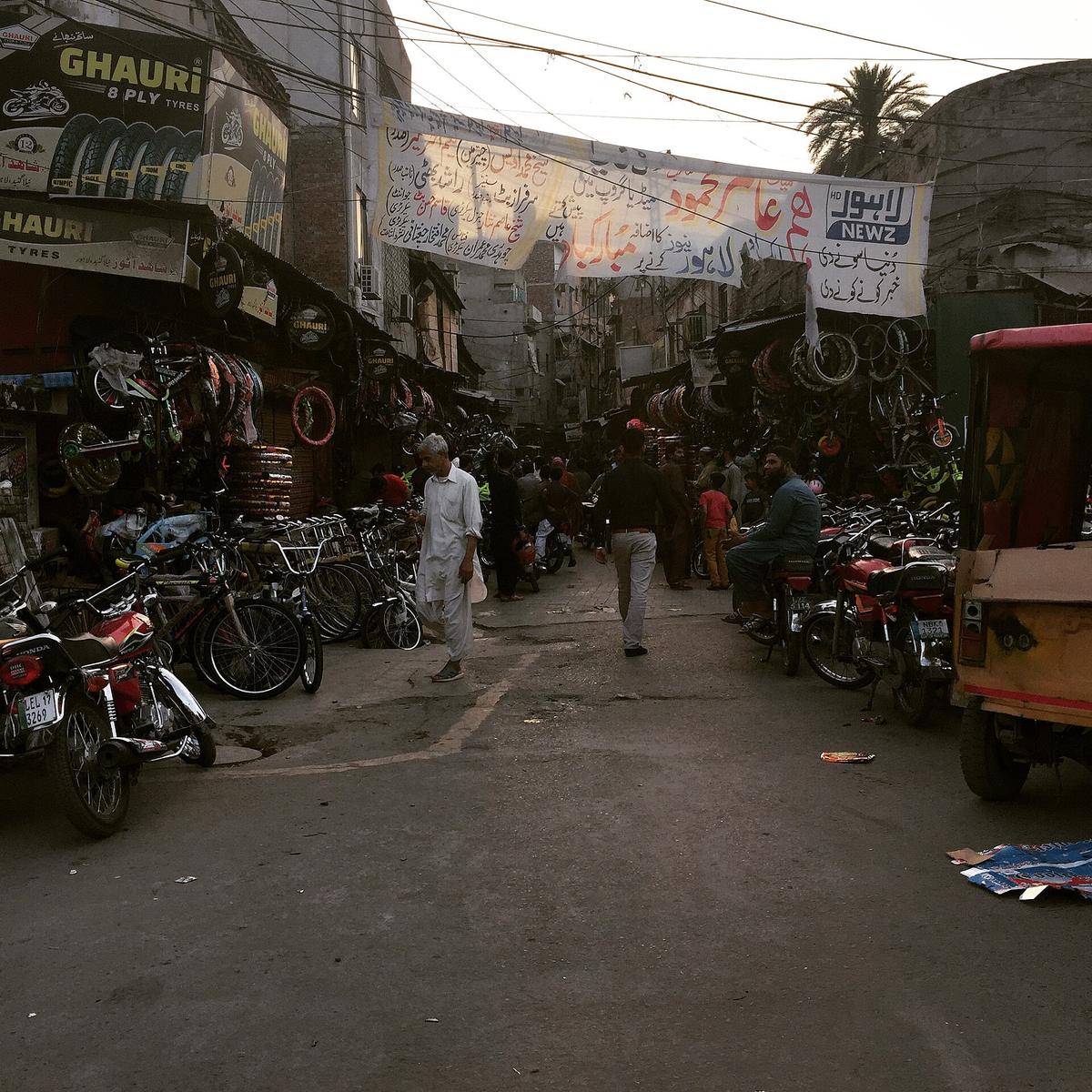
Your Pakistan trip cost will shift more with region and season than with any personal spending habit. In Punjab and Sindh, November through March brings daytime temperatures in the mid 20s Celsius. A full meal at a roadside dhaba in Lahore costs PKR 400 to 600. An air conditioned Daewoo bus from Lahore to Islamabad runs roughly PKR 1,500 for a five hour journey. Guesthouses in the old city start at PKR 2,500 for a private room. This is the cheap gear.
In the Karakoram corridor, from Gilgit through Hunza to Sost, the equation changes. The same meal costs PKR 800 to 1,200 because ingredients travel hundreds of kilometres over mountain roads. A shared Toyota Hiace from Gilgit to Karimabad costs around PKR 600 per person, but once you want to reach Attabad Lake or the Passu Cones village to village, you need a hired car. A 4x4 with driver in Gilgit-Baltistan runs PKR 6,000 to 10,000 per day depending on the route and fuel price adjustments from the Oil and Gas Regulatory Authority. The month matters fully: May through October is peak season in the north, and guesthouse prices in Hunza double compared to the frozen months of December through February, when many guesthouses close and pipes freeze.
The K2 base camp gear is a different beast. A 12 to 14 day trek from Askole requires a registered tour operator to obtain your No Objection Certificate. Permit fees, guide, cook, porters and tent accommodation push this leg into the thousands of US dollars. Budget travellers skip this tier entirely. Mid range travellers treat it as the single expense that defines the trip, cutting costs everywhere else.

Pakistan Cash Mountain Budget: the Lumpy Reality North of Gilgit
The phrase Pakistan cash mountain budget is not metaphorical. Once you pass Gilgit heading north, ATMs frequently run out of cash or go offline for days. Card machines fail with power cuts. You cannot pay for a guesthouse in Hunza, a jeep to Fairy Meadows, or dried apricots at a roadside stall with anything except Pakistani Rupee notes in small denominations. The failure case is arriving in Karimabad with PKR 5,000 and realising your guesthouse costs PKR 3,500 per night, your driver wants PKR 8,000 for the day to Passu Cones and Hussaini Bridge, and the nearest functioning ATM is three hours back down the Karakoram Highway.
What To Carry North Of Gilgit
For a 7 day mountain leg, carry PKR 40,000 to 60,000 in mixed notes. PKR 1,000 and PKR 500 notes work for accommodation and driver payments. PKR 100 and PKR 50 notes are essential for chai, snacks and toilet access. Break larger notes at a hotel front desk when you check in, not when you need change for a PKR 50 purchase.
The Fixed Costs That Do Not Scale
A hired 4x4 with driver from Gilgit to Karimabad, then to Attabad Lake, Passu and back, costs roughly PKR 6,000 to 8,000 per day including driver accommodation and meals. This is not negotiable. Budget travellers try to use shared Hiace vans to Hunza and local jeeps for day trips, which works for a base in Karimabad but fails for reaching the Passu Cones at dawn or returning from Hussaini Bridge at dusk. The shared network runs on its own schedule, not yours.
Pakistan Daily Expenses Hunza Lahore: a Side by Side Comparison
Reading Pakistan daily expenses Hunza Lahore as a single figure is misleading. A day in Lahore costs roughly PKR 3,000 to 6,000 for a budget traveller and PKR 10,000 to 18,000 for mid range. A day in Hunza costs PKR 5,000 to 9,000 for budget and PKR 15,000 to 25,000 for mid range. Here is why the gap exists.
Lahore: Low Costs, High Value
In Lahore, a rickshaw from the old city to the Lahore Fort costs PKR 300. A plate of nihari at a well known stall in the old city costs PKR 500. Entry to the Badshahi Mosque and Lahore Fort combined costs PKR 1,200 for foreigners, roughly 10 to 20 times the local rate due to dual photo pricing. A bed in a backpacker hostel dormitory costs PKR 1,500 to 2,500. A Daewoo bus to Islamabad costs PKR 1,500.
Hunza: Transport Is The Lumpy Cost
In Hunza, a shared jeep from Karimabad to Altit Fort costs PKR 200 per person. Altit Fort entry is PKR 800 for foreigners. A slice of Hunza walnut cake with coffee at a Karimabad cafe costs PKR 600. A private overnight room in a mid range guesthouse costs PKR 3,500 to 6,000. A day hire of a private car to reach the Hussaini suspension bridge and Passu Cones costs PKR 6,000 to 8,000. The lumpy cost is always transport.
For budget travellers, the saving strategy is to spend maximum days in Punjab and Sindh where meals cost PKR 400 to 600 and buses connect cities cheaply, then allocate a tight 4 to 5 day window for the Karakoram corridor, absorbing the higher daily rate as a fixed fee for accessing the mountains that justify the trip.
Pakistan Budget vs Midrange Travel: Where the Money Diverges
The difference between Pakistan budget vs midrange travel is not about food or entry fees. A budget traveller and a mid range traveller eat at the same dhaba in Multan and pay the same foreigner rate at the Shah Jahan Mosque in Thatta. The divergence is in accommodation quality and transport mode.
A budget traveller sleeps in dormitory beds in backpacker hostels in Lahore, Islamabad and Hunza for PKR 1,500 to 2,500 per night. A mid range traveller books a private room in a 3 star hotel in Lahore for PKR 5,000 to 9,000 or a guesthouse in Karimabad with a view of the 7,000 metre peaks for PKR 4,000 to 7,000. A budget traveller uses Daewoo and Faisal Movers buses for long distance and shared Hiace vans in the north. A mid range traveller takes domestic flights from Islamabad to Gilgit or Skardu, which can cost PKR 12,000 to 25,000 one way during peak summer months of May through August and spike further during Eid holidays.
The mid range traveller also pays for a hired 4x4 with driver in the north, not shared transport. The cost of that 4x4 for a week is roughly PKR 42,000 to 56,000, which is the single largest trip cost for mid range travellers. For budget travellers, the largest single cost is the same private car hire if they need to reach Fairy Meadows or Deosai National Park, but most budget travellers avoid those destinations for that reason.
One unexpectedly expensive item hits both categories: imported sunscreen and mosquito repellent in tourist hubs, which carry markups of 100 to 200 percent over city prices. Bring your own from Islamabad or Lahore. One unexpectedly cheap item applies to both: intercity bus travel on luxury services between Lahore, Islamabad and Peshawar, which costs roughly PKR 1,500 for a comfortable air conditioned ride covering 400 kilometres.
Three Spend Gears: Frugal Plains, Mid-Range Karakoram, K2 Permit Spike
Think of your Pakistan budget as three distinct gears that you shift between depending on which of the four countries stitched by one visa you are in: the Indus plains, the Hindu Kush, the Baloch desert or the Karakoram Highway corridor.
Gear 1: The Frugal Plains (Punjab and Sindh)Daily cost: PKR 3,000 to 6,000. Accommodation in a private room at a guesthouse in Lahore old city or a budget hotel in Karachi. Meals at dhabas and street stalls for PKR 400 to 600 each. Transport on Daewoo buses between cities. This gear works November through March when daytime temperatures are pleasant. Do not attempt in August in southern Punjab or Sindh, where monsoon humidity and urban flooding make sightseeing miserable.
Gear 2: The Mid-Range Karakoram Corridor (Gilgit, Hunza, Skardu)Daily cost: PKR 6,000 to 15,000. Accommodation in a private guesthouse room. Transport by hired 4x4 with driver, not shared Hiace. This gear is unavoidable if you want to reach the Passu Cones, Attabad Lake or the ruins of Baltit Fort without wasting half your daylight waiting for shared transport. The money goes to the car and the driver, not to luxury hotels.
Gear 3: The Permit And Logistics Spike (K2 Base Camp And Beyond)Daily cost: effectively USD 200 to 400 per day, paid as a single package to a registered tour operator. This gear requires a No Objection Certificate from the Ministry of Interior, a registered guide, porters, tents and cook. Budget travellers skip this gear. Mid range travellers who want K2 base camp or Snow Lake should budget for it as the trip's defining expense and cut costs everywhere else.
The Three Things That Will Break Your Budget
Underestimating road speeds. The Karakoram Highway from Islamabad to Hunza is 600 kilometres on a map and takes 14 to 18 hours with checkpoints, landslides and mandatory stops. A 4x4 with driver covering that distance costs PKR 6,000 to 10,000 per day for two days minimum. Budget the extra night of accommodation and driver fee before you leave Islamabad.
Ignoring the cash economy north of Gilgit. There are no ATMs that you can rely on in Karimabad, Passu or Skardu. A card machine that fails during a power cut leaves you stranded. Carry PKR 40,000 to 60,000 for a 7 day mountain leg. Break notes at your guesthouse front desk, not on the street.
Forgetting that a No Objection Certificate is not optional. Foreigners need one for parts of Gilgit-Baltistan, Azad Kashmir and all of Balochistan. You cannot obtain it at the border. Arrange it through a registered tour operator before you arrive. The United Kingdom Foreign, Commonwealth & Development Office advisory, the United States Department of State travel advisory and the Government of Canada travel advisory all note this requirement. Do not test it.
Read next
-
 Staying Connected in Pakistan, eSIM, Local SIM, and Northern Dead Zones
Mobile internet in Pakistan works well in cities, frays north of Gilgit, and dies above Karimabad—here is how to plan connectivity around the Karakoram's dead zones.
Staying Connected in Pakistan, eSIM, Local SIM, and Northern Dead Zones
Mobile internet in Pakistan works well in cities, frays north of Gilgit, and dies above Karimabad—here is how to plan connectivity around the Karakoram's dead zones.
-
 Best Time to Visit Pakistan, Two Countries, Two Completely Different Seasons
Pakistan has two opposite travel windows: May to October for the mountains, November to March for the plains.
Best Time to Visit Pakistan, Two Countries, Two Completely Different Seasons
Pakistan has two opposite travel windows: May to October for the mountains, November to March for the plains.
-
 Getting Around Pakistan, Buses, Shared Vans and the Roads Google Maps Lies About
Long-distance buses connect Punjab and Sindh reliably. For the north, shared Toyota Hiace vans and hired 4x4s are the default.
Getting Around Pakistan, Buses, Shared Vans and the Roads Google Maps Lies About
Long-distance buses connect Punjab and Sindh reliably. For the north, shared Toyota Hiace vans and hired 4x4s are the default.
-
 Pakistan Visa Requirements and the NOC System Explained
A Pakistan visa does not grant unrestricted access. No-Objection Certificates control movement in Gilgit-Baltistan, Azad Kashmir, and Balochistan.
Pakistan Visa Requirements and the NOC System Explained
A Pakistan visa does not grant unrestricted access. No-Objection Certificates control movement in Gilgit-Baltistan, Azad Kashmir, and Balochistan.
-
 Cash, Cards and the Pakistani Rupee, How to Pay Across Pakistan
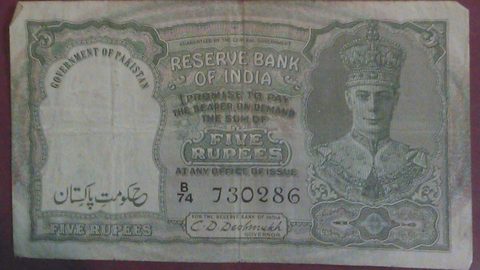
Pakistan is a cash economy. ATMs are scarce north of Gilgit, card machines fail with power cuts, and no transport network accepts cards.
Cash, Cards and the Pakistani Rupee, How to Pay Across Pakistan
Pakistan is a cash economy. ATMs are scarce north of Gilgit, card machines fail with power cuts, and no transport network accepts cards.
-
 Pakistan Safety Advice, Reading the Warnings Without Being Misled by Them
Security checkpoints and police escorts are real in parts of Pakistan, but the Karakoram Highway corridor operates under a different reality.
Pakistan Safety Advice, Reading the Warnings Without Being Misled by Them
Security checkpoints and police escorts are real in parts of Pakistan, but the Karakoram Highway corridor operates under a different reality.
-
 A Ground-Level Logistics Guide to Independent Travel in China
First-time independent travel in China: what you need to know about visas, rail booking, eSIMs, mobile payments, and power adapters.
A Ground-Level Logistics Guide to Independent Travel in China
First-time independent travel in China: what you need to know about visas, rail booking, eSIMs, mobile payments, and power adapters.
-
 How Solo Travelers Stay Ahead of Flight Delays and Cancellations
How solo travelers can track inbound aircraft, claim rebooking rights, and adjust ground transport when flights go wrong — step by step.
How Solo Travelers Stay Ahead of Flight Delays and Cancellations
How solo travelers can track inbound aircraft, claim rebooking rights, and adjust ground transport when flights go wrong — step by step.
-
 Why Your eSIM Might Not Work Abroad and How to Check Before You Go
Buying an eSIM doesn't guarantee signal abroad. Learn why coverage fails by location and how to verify reach before you commit to a plan.
Why Your eSIM Might Not Work Abroad and How to Check Before You Go
Buying an eSIM doesn't guarantee signal abroad. Learn why coverage fails by location and how to verify reach before you commit to a plan.