When to Go to Pakistan and What Each Season Actually Delivers
Pakistan has two opposite travel windows: May to October for the mountains, November to March for the plains.
When to Go to Pakistan and What Each Season Actually Delivers
You step off the bus in Karimabad, Hunza, at 2,500 metres and the air is thin, cold, and smells of apricot woodsmoke. The Passu Cones are visible through a gap in the poplars. That view costs you a 14-hour drive from Islamabad, and it only exists between May and October. The best time to visit Pakistan depends entirely on which of its two worlds you are aiming for: the high mountains of the north or the lowland plains of Punjab and Sindh. The two seasons do not overlap. Booking the wrong one means staring at a snowbound road or wilting in 45°C heat.
Pakistan Mountain Season May October: the Only Window for the North
Winter Closures Above 2,000 Metres
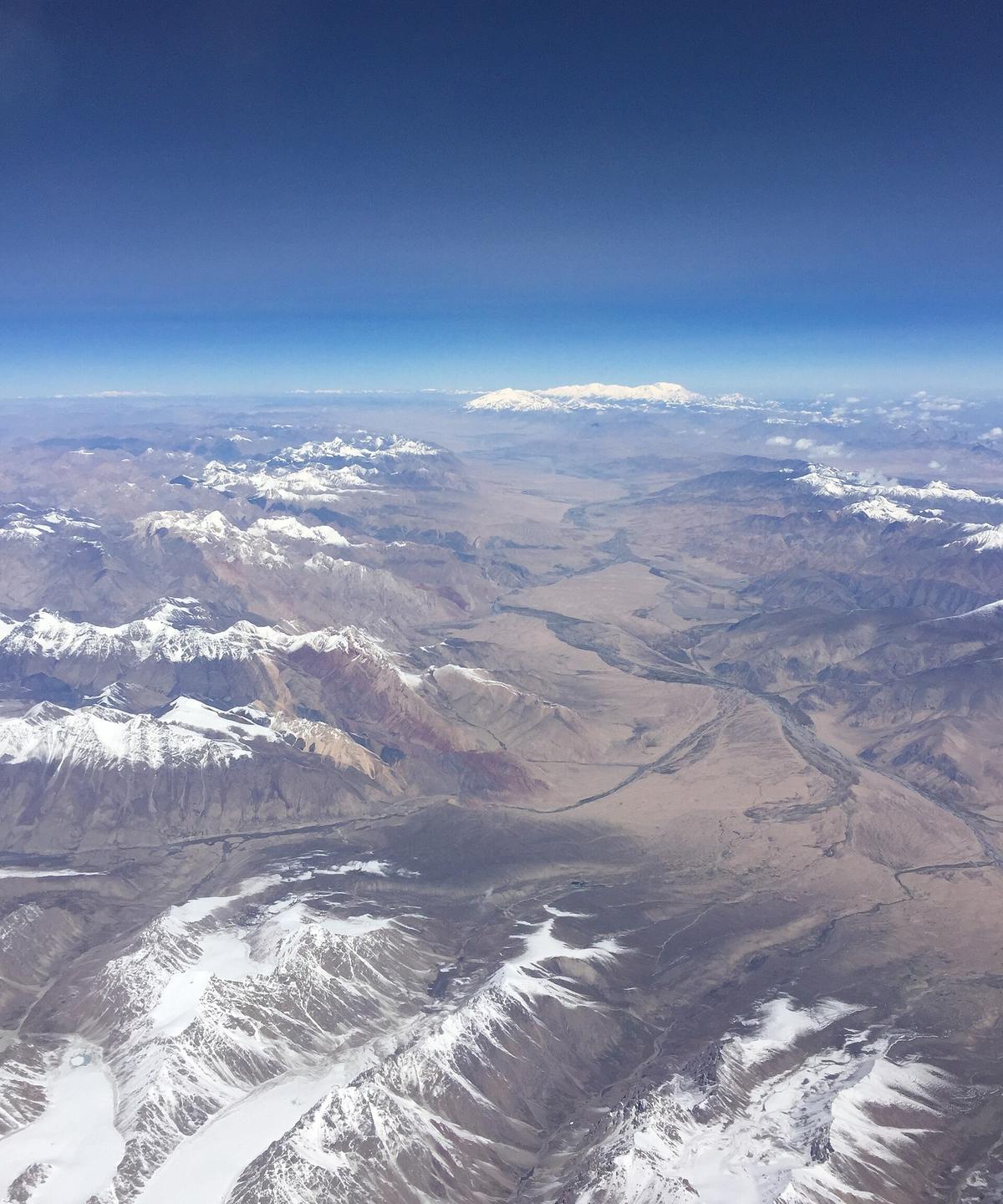
The northern high-altitude zone runs on a single summer access window. Above roughly 2,000 metres, winter closes every tourist road and trek. From November to February the Karakoram Highway is subject to rockfall, ice, and slide debris between Chilas and the Khunjerab area. The Khunjerab Pass and Babusar Top shut completely. Hunza runs on reduced services with frozen pipes. Chitral and the Kalash Valleys lose road access when side valleys become snowbound. Even the Lowari Tunnel, which improves winter access to Chitral, cannot keep the side valleys open.
The May To October Window
May to October is when the passes open, the trekking routes clear, and the high pastures turn green. The Karakoram Highway is open year round in principle, but the highest practical season runs from late spring to early autumn. Fairy Meadows, accessible only in late spring to early autumn, is snowbound and closed outside that. Deosai National Park, a rolling plateau of brown bear habitat, opens July to September only. Skardu has a trekking and mountaineering season from June to August, with July and August carrying the highest route traffic on the K2 base camp trek.
Spring And Autumn Trade Offs
Spring in the north, roughly April to May, brings melting snow and reopening risk on high passes. The reward is Hunza apricot blossom. Autumn, October to early November, offers clear skies, harvest colours in the valleys, and lower accommodation demand. The trade-off is early snow that can close high passes without warning. Autumn also carries the peak of Hunza foliage, which pulls photographers into the valleys before the November shutdown.

Pakistan Punjab Sindh Winter Travel: When the Plains Are Actually Usable
Why Winter Is The Main Season
Below roughly 1,000 metres, winter is the main travel season. Punjab plains have a hot dry summer, a monsoon, and a mild winter. Summer travel in the Punjab plains means extreme heat that reduces daytime outdoor movement. The same applies to Sindh and the lower Indus: a long hot season with a brief mild winter. Summer travel in Sindh carries very high heat and humidity near the coast. By contrast, winter in both regions is mild and dry, and it is the most viable season for outdoor sightseeing.
Book November To March
November to March is when you book Lahore, Multan, and Karachi. Daytime temperatures in Lahore sit in the low 20s Celsius, the Mughal gardens and the Lahore Fort are walkable, and the chaos of the old city becomes tolerable. The same window works for Multan's Sufi shrines and blue pottery and for Karachi's port neighbourhoods and elite dining. December to February is also the best season on the Makran coast, where Gwadar's Martian coastline is mild and dry.
The Smog Problem
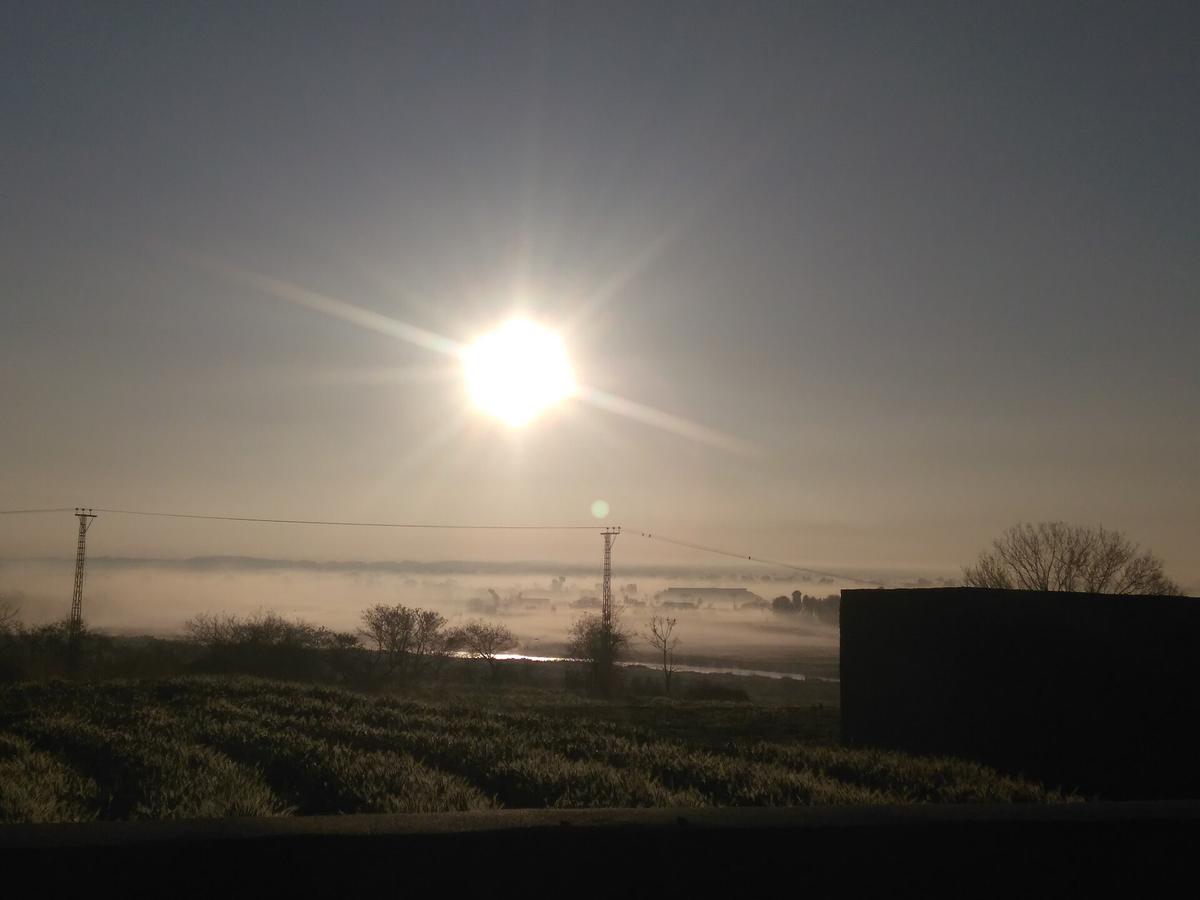
Do not confuse winter with perfection. Lahore and Faisalabad hit hazardous air quality from November to January. Visibility drops, flights divert, and outdoor sightseeing becomes unhealthy. The smog is a seasonal fact, not a surprise. Plan for it: keep a mask in your daypack and book indoor activities for late afternoon and evening.
| Region | Primary Travel Season | What Is Open | What Is Closed Or Miserable |
|---|---|---|---|
| Northern Mountains (Hunza, Skardu, Fairy Meadows, Deosai) | May October | Karakoram Highway, trekking routes, K2 base camp, high passes | November to February: all passes snowbound, reduced services |
| Chitral and Kalash Valleys | Late spring to autumn | Lowari Tunnel, main valley roads, Kalash festivals | Side valleys snowbound in winter, road access lost |
| Swat and Kaghan | Summer | Hill station amenities, forest trails | Heavy snow closes high roads and tourist facilities in winter |
| Punjab Plains (Lahore, Multan, Rohtas Fort) | November to March | All monuments, bazaars, outdoor sightseeing | Summer: extreme heat. Monsoon: urban flooding. November January: smog |
| Sindh and Lower Indus (Karachi, Mohenjo daro, Thatta) | November to March | Coastal areas, archaeological sites, urban dining | Summer: high heat and humidity. Monsoon: limited rain but humid |
| Balochistan Highlands (Quetta) | Spring and autumn | Roads, valleys, mild temperatures | Winter: freezing nights, possible snow on high roads |
| Makran Coast (Gwadar) | December to February | Coastal roads, port area | Summer: extreme heat |
| Murree and Galyat | Year round for road access | Snow play in December to February | Summer weekends: extreme traffic congestion |
Pakistan Karakoram Highway Open Months: the Road That Decides Your Trip
The Karakoram Highway from Islamabad to Gilgit and beyond is open year round in principle, but that sentence hides the real picture. In winter, between Chilas and the Khunjerab area, rockfall, ice, and slide debris make sections impassable for days at a time. The Khunjerab Pass, which is the border crossing with China, closes entirely in winter due to snow. Babusar Top, the alternate route connecting the Kaghan Valley to Gilgit Baltistan, also closes.
The highest practical season for the full highway, including the run to the Chinese border, runs from late spring to early autumn. May to October is the reliable window. Even then, the summer rains from July to September bring landslide risk on mountain roads, reduced visibility, and schedule disruption. A journey from Islamabad to Hunza is 600 kilometres on a map but takes 14 to 18 hours with security checkpoints and landslide delays. The thing that trips visitors up: Google Maps shows roads that are washed out, military restricted, or seasonally impassable. Always confirm your route with a local driver on the day of travel.
Pakistan Monsoon August Travel Advice: What Actually Happens
The Reality Of The Rains
Monsoon in Pakistan is not a single countrywide event. The core monsoon affects Punjab, Khyber Pakhtunkhwa, and Kashmir. Lower Sindh and much of Balochistan receive little monsoon rain. The monsoon pattern in Punjab runs July to September with short heavy rain spells. In Sindh, the same period brings limited rainfall but high humidity. The coastal humidity in Karachi from June to September makes outdoor sightseeing miserable.
August Travel Problems
August in southern Punjab and Sindh is the worst time for the plains. Urban flooding in cities like Lahore and Multan turns streets into canals. In the mountains, the monsoon triggers landslides that can close the Karakoram Highway for 24 to 48 hours. Flying is not a reliable alternative: mountain flights between Islamabad, Gilgit, Skardu, and Chitral are frequently cancelled or delayed in poor weather, and they operate mainly in daylight and clear weather.
Prepare For Delays
If you travel in August, carry enough cash for an extra two days. ATMs are scarce north of Gilgit and card machines fail with power cuts. Keep offline maps downloaded for the entire northern leg, because WiFi is unreliable above Gilgit and WhatsApp voice calls are intermittently blocked on mobile data. A VPN installed before arrival helps.

The Mid-December to Late February Northern Closure: a Hard No
From mid-December to late February, the northern mountains are effectively closed to most independent travel. The Karakoram Highway closes at the Khunjerab Pass and Babusar Top. Chitral and the Kalash Valleys lose road access to side valleys. Swat and Kaghan: heavy snow closes high roads and tourist facilities. Fairy Meadows: snowbound and closed. Deosai Plains: snowbound and inaccessible. Skardu is cold and quiet with limited services. Murree and Galyat, which have year round road access, see snow play traffic and temporary road congestion, especially on winter weekends and public holidays.
Hunza winter travel is possible but reduced. Services are minimal, heating dependent stays are the norm, and frozen pipes are common in older guesthouses. The Kalash festivals in spring and autumn pull visitors, but the winter gap between them is a dead season for tourism. The only people in the northern valleys in January are residents, a few hard core overlanders with heated vehicles, and snow survey crews.
Do not plan a mountain trip between December and February unless you have a specific reason that does not involve trekking, sightseeing, or driving the Karakoram Highway. That window belongs to the plains.
Shoulder Periods: What You Risk for Fewer People
The Mountain Shoulders
Spring in the north, roughly April to May, is the shoulder period with warming temperatures before peak heat in the plains and melting snow with reopening risk on high passes. The passes may not be clear until late May. Autumn in the north, roughly October to November, brings cooling temperatures after the monsoon in the plains and clear skies with harvest colours in northern valleys. The risk is early snow closing high passes before you can cross them.
What You Trade Away
The shoulder trade in the mountains means lower prices and fewer visitors, but also fewer services and higher weather risk. A guesthouse in Hunza that charges PKR 6,000 in July may ask PKR 3,500 in early May, but the restaurant next door may not have opened for the season yet. Carry extra food and a sleeping bag rated for 0°C if you travel in the shoulder months.
The Plains Shoulders
The plains have a similar pattern. Spring, February to March, is pleasant before the heat. Autumn, October to November, is mild after the monsoon. In both windows you get moderate temperatures, lower prices, and fewer domestic tourists than in the peak winter season. November is a good month for Lahore if you leave before the smog settles in mid month.
Frequently Asked Questions
Can I visit the northern mountains in December?
You can reach Hunza and Gilgit in December if the Karakoram Highway is clear of landslides, but the Khunjerab Pass and Babusar Top will be closed. Trekking routes above 2,000 metres are snowbound. Fairy Meadows, Deosai, and K2 base camp are inaccessible. Services in Hunza run at reduced levels with heating dependent stays and frozen pipes in older buildings. The trip is possible but not recommended unless you have a specific non trekking reason and a vehicle equipped for ice.
Is August a good time to visit Lahore?
No. August is monsoon season in Punjab, bringing short heavy rain spells and urban flooding. Humidity is high, daytime movement is uncomfortable, and smog begins building toward its November January peak. The best time for Lahore is November to March, when daytime temperatures are mild and outdoor sightseeing at the Lahore Fort, Badshahi Mosque, and the old city bazaars is practical.
When is the Karakoram Highway fully open from Islamabad to the Chinese border?
The full route from Islamabad to the Khunjerab Pass, which is the border crossing with China, is reliably open from late spring to early autumn, roughly May to October. The Khunjerab Pass closes entirely in winter due to snow. Even in summer, monsoon landslides can close sections for 24 to 48 hours. Always confirm the current road status with a local driver on the day you travel.
What is the monsoon like in Sindh and Balochistan?
Lower Sindh and much of Balochistan receive little monsoon rain compared to Punjab and Khyber Pakhtunkhwa. Karachi and the Sindh coast experience high humidity from June to September with limited rainfall. Southern Balochistan, including the Makran coast, remains dry. The core monsoon effect is limited to Punjab, Khyber Pakhtunkhwa, and Kashmir.
Do I need a No Objection Certificate to travel in Pakistan?
Yes, for many areas outside Punjab and Sindh. Foreign nationals need a No Objection Certificate to travel to parts of Gilgit Baltistan, Azad Kashmir, and all of Balochistan. The NOC is issued by the Ministry of Interior or local administration depending on the area. You must obtain it through a registered tour operator before arrival, not at the border.
Read next
-
 Staying Connected in Pakistan, eSIM, Local SIM, and Northern Dead Zones
Mobile internet in Pakistan works well in cities, frays north of Gilgit, and dies above Karimabad—here is how to plan connectivity around the Karakoram's dead zones.
Staying Connected in Pakistan, eSIM, Local SIM, and Northern Dead Zones
Mobile internet in Pakistan works well in cities, frays north of Gilgit, and dies above Karimabad—here is how to plan connectivity around the Karakoram's dead zones.
-
 Getting Around Pakistan, Buses, Shared Vans and the Roads Google Maps Lies About
Long-distance buses connect Punjab and Sindh reliably. For the north, shared Toyota Hiace vans and hired 4x4s are the default.
Getting Around Pakistan, Buses, Shared Vans and the Roads Google Maps Lies About
Long-distance buses connect Punjab and Sindh reliably. For the north, shared Toyota Hiace vans and hired 4x4s are the default.
-
 Pakistan Visa Requirements and the NOC System Explained
A Pakistan visa does not grant unrestricted access. No-Objection Certificates control movement in Gilgit-Baltistan, Azad Kashmir, and Balochistan.
Pakistan Visa Requirements and the NOC System Explained
A Pakistan visa does not grant unrestricted access. No-Objection Certificates control movement in Gilgit-Baltistan, Azad Kashmir, and Balochistan.
-
 Cash, Cards and the Pakistani Rupee, How to Pay Across Pakistan
Pakistan is a cash economy. ATMs are scarce north of Gilgit, card machines fail with power cuts, and no transport network accepts cards.
Cash, Cards and the Pakistani Rupee, How to Pay Across Pakistan
Pakistan is a cash economy. ATMs are scarce north of Gilgit, card machines fail with power cuts, and no transport network accepts cards.
-
 Pakistan Safety Advice, Reading the Warnings Without Being Misled by Them
Security checkpoints and police escorts are real in parts of Pakistan, but the Karakoram Highway corridor operates under a different reality.
Pakistan Safety Advice, Reading the Warnings Without Being Misled by Them
Security checkpoints and police escorts are real in parts of Pakistan, but the Karakoram Highway corridor operates under a different reality.
-
 What a Trip to Pakistan Costs, Shaped by Region and Season
A Pakistan travel budget is not one number—it bends sharply between a frugal Punjab week and the fixed cash costs of a Karakoram Highway overland trip.
What a Trip to Pakistan Costs, Shaped by Region and Season
A Pakistan travel budget is not one number—it bends sharply between a frugal Punjab week and the fixed cash costs of a Karakoram Highway overland trip.
-
 A Ground-Level Logistics Guide to Independent Travel in China
First-time independent travel in China: what you need to know about visas, rail booking, eSIMs, mobile payments, and power adapters.
A Ground-Level Logistics Guide to Independent Travel in China
First-time independent travel in China: what you need to know about visas, rail booking, eSIMs, mobile payments, and power adapters.
-
 How Solo Travelers Stay Ahead of Flight Delays and Cancellations
How solo travelers can track inbound aircraft, claim rebooking rights, and adjust ground transport when flights go wrong — step by step.
How Solo Travelers Stay Ahead of Flight Delays and Cancellations
How solo travelers can track inbound aircraft, claim rebooking rights, and adjust ground transport when flights go wrong — step by step.
-
 Why Your eSIM Might Not Work Abroad and How to Check Before You Go
Buying an eSIM doesn't guarantee signal abroad. Learn why coverage fails by location and how to verify reach before you commit to a plan.
Why Your eSIM Might Not Work Abroad and How to Check Before You Go
Buying an eSIM doesn't guarantee signal abroad. Learn why coverage fails by location and how to verify reach before you commit to a plan.