Who Needs a Pakistan Visa and How the Process Actually Works
A Pakistan visa does not grant unrestricted access. No-Objection Certificates control movement in Gilgit-Baltistan, Azad Kashmir, and Balochistan.
No foreign national enters Pakistan without a visa, a pre-authorisation, or a valid Pakistan Origin Card. The visa is only half the story. A No-Objection Certificate blocks travel to most of the country's best landscapes. You cannot get that certificate at a border checkpoint. Understanding the rules means understanding two separate permissions: the visa that gets you through immigration, and the NOC that lets you see anything beyond the Indus plains.
Who Gets a Visa, Who Gets an E-Visa, and Who Has Separate Rules
Nationalities Eligible for the Online E-Visa
The official Pakistan Online Visa System at visa.nadra.gov.pk processes applications for 120+ nationalities. Citizens of all EU and EEA states, the United States, Canada, Australia, New Zealand, Japan, South Korea, China, Russia, the Gulf Cooperation Council states, and most Latin American countries apply for a tourist e-Visa. That category is called Visa Prior to Arrival, not visa-on-arrival. Apply online before departure and receive an electronic authorisation to present at the airport.
Separate Processes for Indian and Afghan Nationals
Indian nationals cannot use the e-Visa portal. They fall under a separate restricted-category visa regime that requires an in-person application at a Pakistan consulate. Afghan nationals also use a separate process. No nationality qualifies for visa-free entry as a tourist, though holders of a Pakistan Origin Card or a National Identity Card for Overseas Pakistanis do not need a visa at all.

Pakistan Visa on Arrival Eligibility
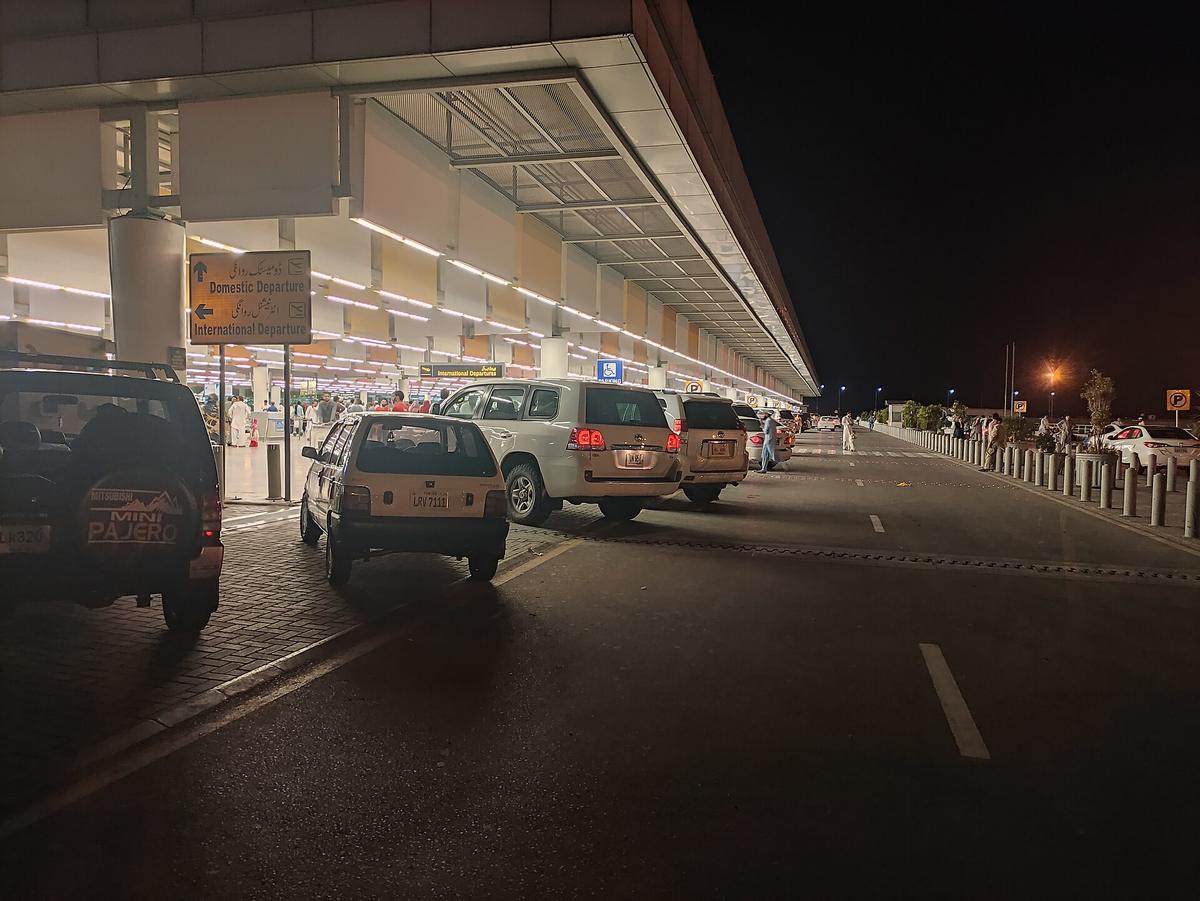
Pakistan does not offer a standalone tourist visa on arrival at any airport or land border. The phrase on official documents is "visa prior to arrival" or "e-Visa." A handful of categories exist for business travellers and diplomatic passport holders with bilateral agreements. As a tourist, apply before you fly. Processing time on the NADRA portal runs three to seven working days for a standard tourist e-Visa. Pay in advance with a credit card and print the approval letter. Immigration at Islamabad, Lahore, or Karachi scans it against the central database, takes your biometrics, and stamps you in.
Pakistan Tourist Visa Application: Step by Step
Documents and Payment
Open visa.nadra.gov.pk and select the tourist category. You need a passport valid for at least six months beyond your arrival date, a digital photograph, a scan of the passport bio page, and proof of onward or return travel. The system asks for an accommodation address. A booking confirmation from any hotel in Pakistan works. The fee varies by nationality. Payment is by credit card only. Approval arrives by email as a PDF. Print two copies.
Clearing Immigration at the Airport
Travellers arriving by air clear immigration at the first Pakistani airport they reach. If you land in Karachi and connect to Islamabad, you clear immigration in Karachi. The biometric capture at the desk takes about two minutes. Expect the officer to ask your hotel name and the purpose of your visit. Answer in one sentence.
Pakistan Visa for Overland Travellers: the Land Border Rules
Which Borders Are Open to Tourists
Overland travellers face tighter restrictions than air arrivals. The China border at the Khunjerab Pass is the only land crossing open to foreign tourists arriving from another country. The Taftan border from Iran is open for nationals of specific countries with advance permission. Independent travellers crossing there report frequent denial. Confirm with the embassy before departure. The Wagah border from India admits only Indian nationals and third-country nationals holding a pre-approved visa. You cannot walk across and apply at the gate. The Afghan borders at Chaman and Torkham are closed to foreign tourists without an NOC and a security escort.
Crossing the Khunjerab Pass from China
If you are driving the Karakoram Highway from China, arrange your e-Visa before crossing into Pakistan. Apply for a multiple-entry visa if you plan to exit and re-enter. The Khunjerab Pass is open only from May to October. In winter the road is buried in snow and the border post closes completely. Confirm the pass status with the Pakistan Tourism Development Corporation or your tour operator the day before you leave Kashgar.
| Traveller Type | Method | Restrictions |
|---|---|---|
| EU/EEA, UK, US, Canada, Australia, NZ, Japan, South Korea, China, Russia, GCC, most Latin America | Online e-Visa (Visa Prior to Arrival) | Apply before travel; no visa on arrival at airport |
| India | In-person consulate application | Separate regime; no e-Visa access |
| Afghanistan | In-person consulate application | Separate regime; no e-Visa access |
| POC or NICOP holder | Visa-exempt | Present card at immigration |
| Diplomatic passport holders | Visa-exempt per bilateral agreement | List varies; confirm with embassy |
| Overland from China via Khunjerab Pass | Pre-approved e-Visa | Pass must be open; confirm pass status daily |
| Overland from any other border | Not permitted for tourists | Taftan requires advance clearance; Wagah and Afghan borders closed to walk-ups |
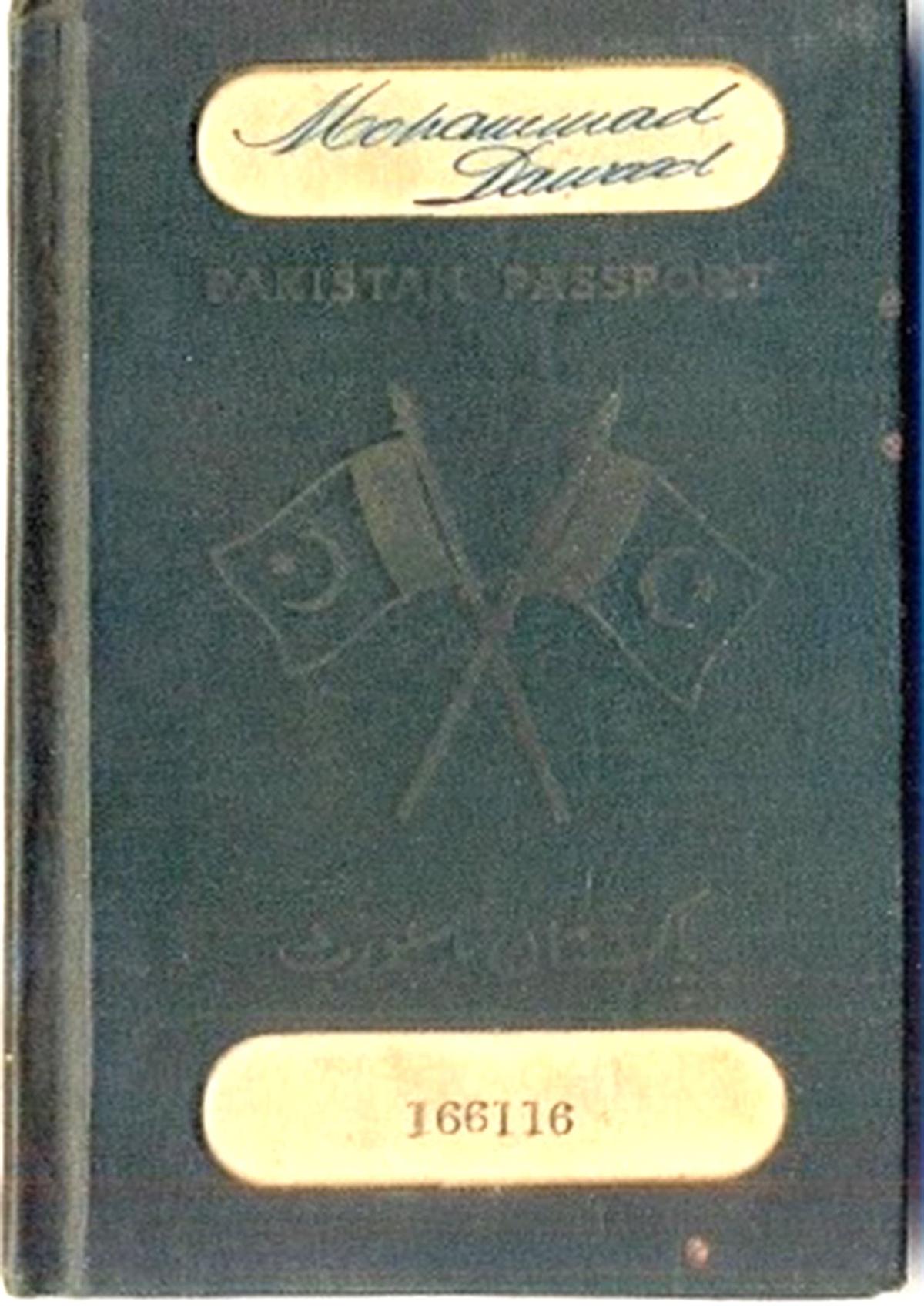

Pakistan NOC Travel Restrictions: the Second Permission You Actually Need
Your visa clears immigration. Your No-Objection Certificate clears the checkpoints. Without an NOC you cannot enter Gilgit-Baltistan, Azad Kashmir, or Balochistan. You also cannot enter any area within ten miles of the Line of Control in Azad Kashmir, within ten miles of the Afghanistan border in Khyber Pakhtunkhwa or Balochistan, or into certain notified cantonment zones. This covers the Karakoram Highway, Hunza, Skardu, Fairy Meadows, the K2 Base Camp trek, the Deosai plateau, the Makran coast, and the Kalash valleys. A visa alone gets you into none of those places.
How to Get an NOC
Apply through a registered tour operator in Pakistan. The operator submits your itinerary, passport copy, and visa details to the Ministry of Interior or the relevant regional home department. Processing takes three to ten working days. You cannot obtain the NOC at the border, at the checkpoint, or at any police station. Driving toward a checkpoint without one ends at a U-turn or a long wait. Independent travellers hiring a private driver must ensure the driver or a local partner has submitted the paperwork. Solo cyclists and motorcyclists are refused entry without an operator-backed NOC.
Where You Can Go Without an NOC
Punjab province, including Lahore, Multan, and the Wagah border ceremony, requires no NOC. Sindh province, including Karachi, Mohenjo-daro, and Thatta, requires no NOC. Islamabad and the Margalla Hills require no NOC. Taxila and Rohtas Fort, both reachable from Islamabad, require no NOC. Everything else, the entire north and west of the country, is restricted.
Police Escorts, Checkpoints, and What Actually Happens on the Road
Mandatory Police Escorts
In parts of Khyber Pakhtunkhwa and Balochistan, police escorts are mandatory. The escort is non-negotiable. A police vehicle travels ahead of or behind your car. The arrangement slows your average speed to 25 to 30 kilometres per hour. Drive times on Google Maps are wrong. The map shows washed-out roads, military-restricted segments, and seasonal closures that local drivers know about but the app does not. Confirm every route with your driver the morning you depart.
What Happens at Checkpoints
Checkpoints occur every 30 to 60 minutes on the Karakoram Highway between Gilgit and Hunza. Each stop takes two to five minutes for passport and NOC verification. Carry a photocopy of both documents in an accessible pocket. Do not hide them. Foreigners are known by the roadside, and the police expect you. Be polite, hand over the papers, and wait. You will not be asked for money at a legitimate checkpoint.
What Trips Up Overland Travellers Every Time
Road Speeds and Cash
The common mistake is underestimating road speeds. Islamabad to Hunza is 600 kilometres on a map but takes 14 to 18 hours with checkpoints, landslide debris, and sections reduced to one lane. Drivers stop for prayer breaks and fuel. Fuel stations are scarce north of Gilgit. ATMs are scarce north of Gilgit too. Carry enough Pakistani rupees in cash for your entire mountain leg. Card machines fail when the power cuts, which happens multiple times a day in Skardu and Hunza.
Connectivity and SIM Cards
Download offline maps and translation packs before you leave the city. WiFi above Gilgit is unreliable. Social media apps including WhatsApp voice calls are intermittently throttled on mobile data. A VPN installed before departure fixes that. Buy a local SIM at the airport or at a Jazz or Zong franchise shop. These two carriers have the best northern coverage. Biometric verification for the SIM takes about 15 minutes.
Common Questions
Do I need a visa if I hold a Pakistan Origin Card?
No. Holders of a valid Pakistan Origin Card or a National Identity Card for Overseas Pakistanis enter without a visa.
Can I get a visa on arrival at the Wagah border from India?
No. The Wagah border does not issue tourist visas on arrival. Indian nationals must apply in person at a Pakistan consulate before travelling.
How long does the e-Visa take?
Standard processing runs three to seven working days. Apply at least two weeks before departure to allow for delays.
Can I apply for an NOC myself online?
No. The NOC must be submitted through a registered tour operator in Pakistan. The operator files the paperwork with the Ministry of Interior.
Is the Karakoram Highway open in winter?
No. The Khunjerab Pass closes from approximately mid-December to late February. Hunza Valley operates on reduced services during winter with frozen pipes and limited transport.
Do I need a polio or yellow fever vaccine certificate?
If you arrive from a polio-endemic country as listed by the WHO, you need a polio vaccination certificate. If you arrive from a yellow-fever-endemic country, you need a yellow fever certificate. Otherwise, no.
Can I exit Pakistan overland into China without re-applying for a Chinese visa?
You need a valid Chinese visa to enter China. Pakistani immigration at the Khunjerab Pass will not stamp you out unless you can show a Chinese visa in your passport.
Read next
-
 Staying Connected in Pakistan, eSIM, Local SIM, and Northern Dead Zones
Mobile internet in Pakistan works well in cities, frays north of Gilgit, and dies above Karimabad—here is how to plan connectivity around the Karakoram's dead zones.
Staying Connected in Pakistan, eSIM, Local SIM, and Northern Dead Zones
Mobile internet in Pakistan works well in cities, frays north of Gilgit, and dies above Karimabad—here is how to plan connectivity around the Karakoram's dead zones.
-
 Best Time to Visit Pakistan, Two Countries, Two Completely Different Seasons
Pakistan has two opposite travel windows: May to October for the mountains, November to March for the plains.
Best Time to Visit Pakistan, Two Countries, Two Completely Different Seasons
Pakistan has two opposite travel windows: May to October for the mountains, November to March for the plains.
-
 Getting Around Pakistan, Buses, Shared Vans and the Roads Google Maps Lies About
Long-distance buses connect Punjab and Sindh reliably. For the north, shared Toyota Hiace vans and hired 4x4s are the default.
Getting Around Pakistan, Buses, Shared Vans and the Roads Google Maps Lies About
Long-distance buses connect Punjab and Sindh reliably. For the north, shared Toyota Hiace vans and hired 4x4s are the default.
-
 Cash, Cards and the Pakistani Rupee, How to Pay Across Pakistan
Pakistan is a cash economy. ATMs are scarce north of Gilgit, card machines fail with power cuts, and no transport network accepts cards.
Cash, Cards and the Pakistani Rupee, How to Pay Across Pakistan
Pakistan is a cash economy. ATMs are scarce north of Gilgit, card machines fail with power cuts, and no transport network accepts cards.
-
 Pakistan Safety Advice, Reading the Warnings Without Being Misled by Them
Security checkpoints and police escorts are real in parts of Pakistan, but the Karakoram Highway corridor operates under a different reality.
Pakistan Safety Advice, Reading the Warnings Without Being Misled by Them
Security checkpoints and police escorts are real in parts of Pakistan, but the Karakoram Highway corridor operates under a different reality.
-
 What a Trip to Pakistan Costs, Shaped by Region and Season
A Pakistan travel budget is not one number—it bends sharply between a frugal Punjab week and the fixed cash costs of a Karakoram Highway overland trip.
What a Trip to Pakistan Costs, Shaped by Region and Season
A Pakistan travel budget is not one number—it bends sharply between a frugal Punjab week and the fixed cash costs of a Karakoram Highway overland trip.
-
 A Ground-Level Logistics Guide to Independent Travel in China
First-time independent travel in China: what you need to know about visas, rail booking, eSIMs, mobile payments, and power adapters.
A Ground-Level Logistics Guide to Independent Travel in China
First-time independent travel in China: what you need to know about visas, rail booking, eSIMs, mobile payments, and power adapters.
-
 How Solo Travelers Stay Ahead of Flight Delays and Cancellations
How solo travelers can track inbound aircraft, claim rebooking rights, and adjust ground transport when flights go wrong — step by step.
How Solo Travelers Stay Ahead of Flight Delays and Cancellations
How solo travelers can track inbound aircraft, claim rebooking rights, and adjust ground transport when flights go wrong — step by step.
-
 Why Your eSIM Might Not Work Abroad and How to Check Before You Go
Buying an eSIM doesn't guarantee signal abroad. Learn why coverage fails by location and how to verify reach before you commit to a plan.
Why Your eSIM Might Not Work Abroad and How to Check Before You Go
Buying an eSIM doesn't guarantee signal abroad. Learn why coverage fails by location and how to verify reach before you commit to a plan.