Navigating the Pakistan Public Holidays Travel Impact on Your Journey
Eid-ul-Fitr and Eid-ul-Azha sell out intercity transport and shut offices for days. Muharram processions restrict movement in Lahore and Karachi.
Pakistan Public Holidays, the Days Everything Shuts and Transport Sells Out
Four public holidays in Pakistan will derail a trip you did not plan around: Eid-ul-Fitr, Eid-ul-Azha, Ashura, and Ramadan as a full month of reduced services. Two of them shut government departments, banks, and most private offices for three to five days while intercity transport sells out weeks in advance. One involves processions that shut down urban roads in Lahore and Karachi. The remaining dates on the calendar leave you free to move. Knowing which is which is the difference between sitting in a sold-out bus station and a clear highway.
Pakistan runs on two calendars. Pakistan Day (23 March), Labour Day (1 May), Independence Day (14 August), and Quaid-e-Azam Day (25 December) are fixed on the Gregorian calendar. Government departments, schools, and banks close, but private shops mostly stay open and transport runs normally on those dates. The problem dates are the ones tied to the lunar calendar, which shifts by roughly eleven days each year. The same observance falls in summer one year and spring the next. A date in August 2025 might land in July 2026. You cannot look at a printed calendar from three years ago and plan.

Pakistan Eid Transport Sellout Dates, the Two Holidays That Empty the Cities
Book Your Exit Seat Four Weeks Ahead
Eid-ul-Fitr and Eid-ul-Azha are the only observances in Pakistan that genuinely break travel logistics. Both carry three to four days of official closure and the school break can stretch them to five to seven days. The entire country migrates. Urban populations in Karachi, Lahore, and Islamabad head to their home villages in Punjab, Khyber Pakhtunkhwa, and Sindh. Intercity transport sells out fully two to three weeks before the first day. Daewoo Express, Faisal Movers, and Niazi Express buses show no seats online. Private hire vehicle costs spike to double or triple the normal rate. Domestic flights from Lahore to Gilgit or Islamabad to Skardu go to waiting list only.
What shuts during both Eids: government departments, banks, most private offices, and major shopping centres. Public transport is reduced on the actual day and the day after, though the rush is before and after the observance itself. Book your own seat out of the city at least four weeks ahead. Better option: stay put in one place for the duration. Hunza Valley and Skardu clear out during Eid because domestic tourists are travelling to their home towns, not toward the mountains, which makes those northern areas quieter and cheaper if you are already there.
The specific dates change annually. Eid-ul-Fitr marks the end of Ramadan and lasts three days. Eid-ul-Azha follows the Hajj pilgrimage and runs three to four days. Check the astronomical moon sighting announcements from the Ruet-e-Hilal Committee about two days before the expected date. The Cabinet Division publishes the confirmed closures, usually on the Friday before the week in question. For a traveller, the risk is not the day of Eid itself but the two days before and two days after, when the transport crush peaks.
Pakistan Muharram Ashura Travel Restrictions, Processions, Road Closures, and Volatility
Stay Clear of Procession Routes in Lahore and Karachi
Ashura falls on the 9th and 10th of Muharram, the first month of the Islamic calendar. In Pakistan, these dates bring large processions in Lahore and Karachi that shut down major urban roads for the entire day. Government departments, banks, and many private offices close. Movement is restricted near procession routes, and security checkpoints multiply across both cities. The atmosphere is serious: the UK Foreign, Commonwealth & Development Office, the United States Department of State, Canada Travel Advice and Advisories, and Australia Department of Foreign Affairs and Trade all issue specific advisories around Ashura. Volatility is real. While the majority of processions are peaceful, the potential for disruption is high enough that you should not be in a procession area that day.
Do not plan to cross Lahore or Karachi on foot or by vehicle on Ashura. If you are already in either city, stay at your accommodation or move to a neighbourhood well outside the old city. In Lahore, processions converge around the Walled City, Data Darbar, and Karbala Gamay Shah. In Karachi, the routes centre on Nishtar Park, Hussainabad, and the old city areas. Taxis and ride-hailing apps may not operate near procession routes. Police escorts in parts of Khyber Pakhtunkhwa may also increase, which is non-negotiable and slows travel dramatically. A better plan is to be in the mountains on Ashura. Gilgit-Baltistan and the Karakoram Highway region run on a different calendar during Muharram, with far less disruption than the urban centres.
Pakistan Independence Day Celebrations, Good Public Spectacle, No Transport Problem
Independence Day on 14 August is the one fixed-date observance that does not cause transport chaos. Government departments, schools, and banks close, but private shops often stay open. Intercity buses run on normal schedules. The celebration itself is visible across the country: flag hoisting at the Lahore Fort and Badshahi Mosque, the evening parade at the Wagah Border ceremony. In Islamabad, the Faisal Mosque is illuminated. In Karachi, the streets near Clifton and Saddar fill with green and white decorations. Travel freely on Independence Day. Some smaller shops in conservative areas may close early, but major transport arteries operate without interruption.

- Fixed Gregorian Holidays (Transport Runs Normally): Pakistan Day (23 Mar), Labour Day (1 May), Independence Day (14 Aug), Quaid-e-Azam Day (25 Dec)
- Lunar Holidays That Disrupt Travel: Eid-ul-Fitr (3-5 days, transport sold out 2-3 weeks before), Eid-ul-Azha (3-5 days), Ashura (9-10 Muharram, road closures in Lahore and Karachi)
- What Shuts on Eids: Government departments, banks, private offices, shopping centres; public transport reduced on the days themselves
- What Shuts on Ashura: Government departments, banks, many offices; roads near procession routes closed; volatile atmosphere in Lahore and Karachi
- Ramadan Impact on Travellers: Restaurants closed during daylight outside major hotels; alcohol suspended; government office hours shortened; transport runs normally
- School Holiday Periods Driving Domestic Price Peaks: Summer vacation (Jun, mid-Aug), Winter vacation (late Dec, early Jan), Eid breaks (3-7 days each)
- Emergency Numbers: Police: 15, Ambulance: 1122, Fire: 16
Pakistan Ramadan Travel Practicalities, Eating, Drinking, and Moving During Daylight
Eating and Drinking During the Fast
Ramadan is not a public holiday in Pakistan, but it affects travel more than any single observance because it lasts an entire lunar month. Restaurants outside major hotels close completely during daylight hours in most cities. This includes Lahore, Karachi, Multan, and Peshawar. If you are not staying in a hotel with its own dining room, you will not find a meal between sunrise and sunset. The major hotels in Karachi, Lahore, and Islamabad operate restricted buffets for non-Muslim guests. Confirm availability at check-in. Alcohol sales are suspended nationwide for the entire month, including to non-Muslim foreigners with a permit from the Excise and Taxation Department.
Timing Your Day Around the City
Government office hours shorten, usually from 09:00 to 14:00 or 15:00. Banks follow the same reduced schedule. Traffic patterns shift: cities are quiet during the day and become active from about 17:00 until midnight, when Iftar meals and evening markets run. Transport itself runs normally. Buses, vans, and flights operate on their regular schedules. The risk is not missing a bus but missing lunch. Pack snacks from a hotel breakfast buffet and carry a reusable water bottle. In the northern areas, particularly Hunza Valley and Skardu, the impact is less visible because the tourism infrastructure in Karimabad and Skardu town includes hotel restaurants that serve non-Muslim guests regardless. The Karakoram Highway from Gilgit to Hunza sees normal traffic. Base yourself in a hotel with a restaurant and plan sightseeing around the cooler hours of early morning and after sunset when the streets empty.
Working Around the Lunar Calendar, Your Two-Minute Planning System
You cannot predict exact lunar dates more than a few months out, but you can build a travel window that avoids all of them. The safe zone for the mountains runs May to October, when the Karakoram Highway is open, Babusar Top and the Khunjerab Pass are clear, and trekking routes to K2 Base Camp from Askole and Snow Lake are accessible. During those five months, Eid-ul-Fitr and Eid-ul-Azha may fall inside or outside your trip. Handle it by checking the moon sighting date about two weeks before departure. If an Eid falls during your window, add the four-week advance booking for transport out of Punjab and Sindh. If Ashura falls during your trip, shift your itinerary to Gilgit-Baltistan for those two days. The dates shift annually. The Ruet-e-Hilal Committee publishes confirmations two days before each event. Book flexible accommodation and refundable tickets if you are travelling near the lunar calendar.
Common Questions
Which Pakistan holidays cause the biggest transport problems?
Eid-ul-Fitr and Eid-ul-Azha. Intercity buses sell out two to three weeks in advance. Domestic flights go to waiting list. Hire vehicle costs double or triple. Stay put in one location for the three to five day period rather than trying to move between cities.
Is it safe to travel in Pakistan during Ashura?
Not near procession routes in Lahore and Karachi. Those two cities see road closures, heavy security, and potential volatility on the 9th and 10th of Muharram. Stay in your accommodation or relocate to Gilgit-Baltistan, where the disruption is minimal.
Can I eat in restaurants during Ramadan in Pakistan?
Not outside major hotels during daylight hours. Major hotels in Karachi, Lahore, and Islamabad offer restricted buffets for non-Muslim guests. In northern areas like Hunza and Skardu, hotel restaurants serve non-Muslim travellers regardless of Ramadan. Pack snacks from a hotel breakfast.
What are the fixed public holidays in Pakistan?
Pakistan Day (23 March), Labour Day (1 May), Independence Day (14 August), and Quaid-e-Azam Day (25 December). Government departments, schools, and banks shut, but shops and transport run normally on these dates.
How do I find the exact dates of Eid-ul-Fitr and Eid-ul-Azha?
The Ruet-e-Hilal Committee confirms moon sighting about two days before each Eid. The Cabinet Division publishes official dates on the Friday before the week in question. Check both sources in the two weeks before your expected travel window.
Do I need a visa to visit Pakistan for a public holiday?
Yes. US, UK, EU, Canadian, Australian, and Indian citizens all need a visa prior to travel. E-visa is available for citizens of approximately 191 countries with 90 day validity. Visa on arrival is available for citizens of approximately 50 countries for tourism, with 30 day single entry. Carry a passport with six months validity beyond entry date.
What happens to public transport on Friday prayers?
Many offices and government departments close for an extended period from approximately 12:30 to 14:30. Transport runs but may have reduced frequency during the prayer window. Plan long distance bus departures for after 15:00 to avoid waiting at terminals.
Read next
-
 Staying Connected in Pakistan, eSIM, Local SIM, and Northern Dead Zones
Mobile internet in Pakistan works well in cities, frays north of Gilgit, and dies above Karimabad—here is how to plan connectivity around the Karakoram's dead zones.
Staying Connected in Pakistan, eSIM, Local SIM, and Northern Dead Zones
Mobile internet in Pakistan works well in cities, frays north of Gilgit, and dies above Karimabad—here is how to plan connectivity around the Karakoram's dead zones.
-
 Best Time to Visit Pakistan, Two Countries, Two Completely Different Seasons
Pakistan has two opposite travel windows: May to October for the mountains, November to March for the plains.
Best Time to Visit Pakistan, Two Countries, Two Completely Different Seasons
Pakistan has two opposite travel windows: May to October for the mountains, November to March for the plains.
-
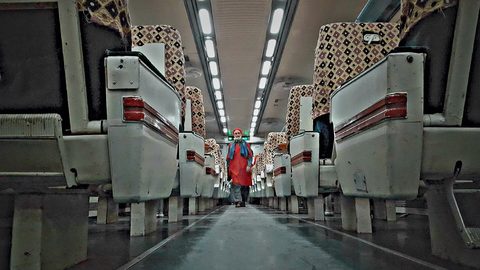 Getting Around Pakistan, Buses, Shared Vans and the Roads Google Maps Lies About
Long-distance buses connect Punjab and Sindh reliably. For the north, shared Toyota Hiace vans and hired 4x4s are the default.
Getting Around Pakistan, Buses, Shared Vans and the Roads Google Maps Lies About
Long-distance buses connect Punjab and Sindh reliably. For the north, shared Toyota Hiace vans and hired 4x4s are the default.
-
 Pakistan Visa Requirements and the NOC System Explained
A Pakistan visa does not grant unrestricted access. No-Objection Certificates control movement in Gilgit-Baltistan, Azad Kashmir, and Balochistan.
Pakistan Visa Requirements and the NOC System Explained
A Pakistan visa does not grant unrestricted access. No-Objection Certificates control movement in Gilgit-Baltistan, Azad Kashmir, and Balochistan.
-
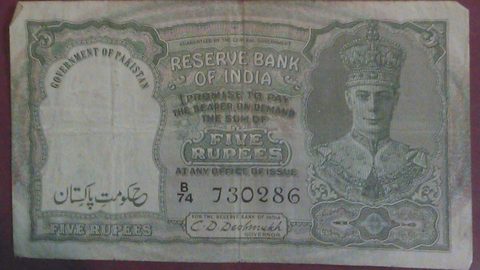 Cash, Cards and the Pakistani Rupee, How to Pay Across Pakistan
Pakistan is a cash economy. ATMs are scarce north of Gilgit, card machines fail with power cuts, and no transport network accepts cards.
Cash, Cards and the Pakistani Rupee, How to Pay Across Pakistan
Pakistan is a cash economy. ATMs are scarce north of Gilgit, card machines fail with power cuts, and no transport network accepts cards.
-
 Pakistan Safety Advice, Reading the Warnings Without Being Misled by Them
Security checkpoints and police escorts are real in parts of Pakistan, but the Karakoram Highway corridor operates under a different reality.
Pakistan Safety Advice, Reading the Warnings Without Being Misled by Them
Security checkpoints and police escorts are real in parts of Pakistan, but the Karakoram Highway corridor operates under a different reality.
-
 A Ground-Level Logistics Guide to Independent Travel in China
First-time independent travel in China: what you need to know about visas, rail booking, eSIMs, mobile payments, and power adapters.
A Ground-Level Logistics Guide to Independent Travel in China
First-time independent travel in China: what you need to know about visas, rail booking, eSIMs, mobile payments, and power adapters.
-
 How Solo Travelers Stay Ahead of Flight Delays and Cancellations
How solo travelers can track inbound aircraft, claim rebooking rights, and adjust ground transport when flights go wrong — step by step.
How Solo Travelers Stay Ahead of Flight Delays and Cancellations
How solo travelers can track inbound aircraft, claim rebooking rights, and adjust ground transport when flights go wrong — step by step.
-
 Why Your eSIM Might Not Work Abroad and How to Check Before You Go
Buying an eSIM doesn't guarantee signal abroad. Learn why coverage fails by location and how to verify reach before you commit to a plan.
Why Your eSIM Might Not Work Abroad and How to Check Before You Go
Buying an eSIM doesn't guarantee signal abroad. Learn why coverage fails by location and how to verify reach before you commit to a plan.