The Libyan Tourist Visa Requires an Invitation Letter Arranged Before You Book Anything
A Libyan tourist visa is impossible without an invitation letter from a registered local operator.
You Cannot Board a Flight to Libya Without This One Document
The single document that prevents more trips to Libya than any other is the Libya tourist visa invitation letter. Without it, airline check-in staff at your departure airport will deny boarding. This is not a formality that can be fixed on arrival. The letter must come from a registered Libyan tour company and be arranged before you book anything, especially not a flight.
Visitors who book flights first and then attempt to sort the visa lose the cost of those tickets. The refusal happens at the departure gate, not at immigration in Tripoli. The airline is liable for flying a passenger without correct documentation, so they enforce this rule strictly. You will not board.
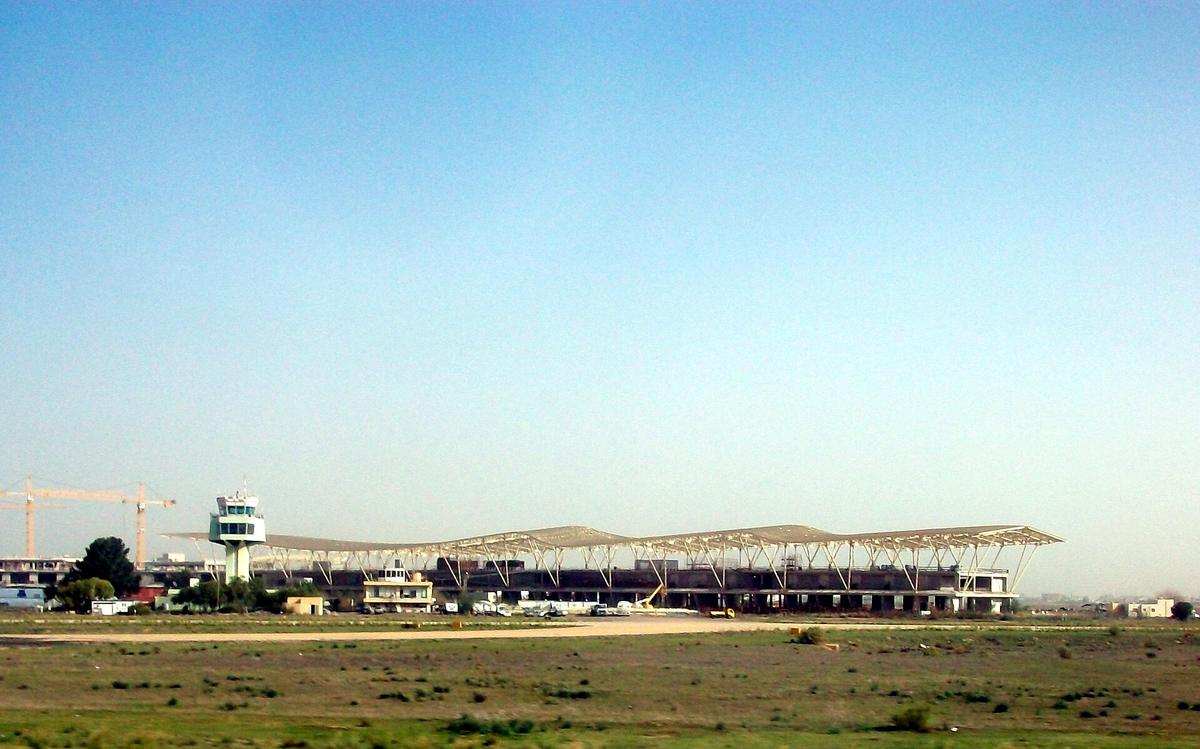

Libya Visa Requirements
Every traveller to Libya needs a visa unless they hold a passport from one of the seven visa-free nationalities: Algeria, Jordan, Mauritania, Morocco, Syria, Tunisia, or Turkey. Those nationalities receive 90 days within any 180-day period. All other nationalities must apply through a Libyan embassy or consulate in their country of residence. The eVisa platform at evisa.gov.ly launched in 2024, but its operational status and eligible nationalities change; check the official portal before relying on it as your route.
Your travel document must be valid for at least six months beyond your intended stay. You need one blank page for the visa sticker. You must also show a return or onward ticket at the border, proof of accommodation, and sufficient funds for the duration. A yellow fever vaccination certificate is required if you arrive from a country where yellow fever is endemic.
Libya Visa Process for Tourists
The visa process dictates your entire travel timeline, not the other way around. Here is the sequence you cannot skip.
Step One: Find A Registered Libyan Tour Company
The Libyan government requires every tourist visa application to include an invitation letter from a locally registered tour company. This is not a recommendation from a hotel or a contact you found online. The company must hold a valid tourism licence from the Ministry of Tourism. Your fixer or guide will be this company, the same person who will meet you at the airport, arrange your internal travel permits, and drive you between regions.
Step Two: Submit Your Application With The Invitation Letter
Applications are submitted through the Libyan embassy or consulate in your country of residence. Alongside the invitation letter, you need a completed application form, a copy of your passport, passport-sized photographs, your travel itinerary, and proof of accommodation. Processing takes between 5 and 20 working days, though this varies by embassy. Do not book flights until you hold the visa sticker in your passport.
Step Three: Receive The Visa Sticker
Libya issues a physical visa sticker placed into your passport, not a separate document or an electronic approval. The sticker states your entry and exit dates. Your entire trip must fit within that window. The visa is valid for 30 to 90 days from the date of issue. Extensions are possible through the Passport and Immigration Authority in Tripoli, but only with your sponsor present.
Libya Visa on Arrival
There is no routinely available visa on arrival for any nationality. Land and sea borders may issue limited entry permits on a case-by-case basis, but this is not a route you should plan around. The open land border crossings, Ras Ajdir and Dehiba-Wazzin from Tunisia, and Musaed from Egypt, can change status with little notice for security reasons. The Ghadames and Al Awaynat crossings from Algeria may also be open but are subject to the same volatility. Arrive with a visa already in your passport.
| Requirement | Detail |
|---|---|
| Passport validity | 6 months beyond intended stay |
| Blank pages | 1 |
| Invitation letter | From registered Libyan tour company |
| Application form | Completed and signed |
| Photographs | Passport-sized |
| Accommodation proof | Hotel booking or host address |
| Travel itinerary | Fixed, covering entire trip |
| Processing time | 5–20 working days (varies by embassy) |
| Visa validity | 30–90 days from date of issue |
| Onward ticket | Required at border |
| Yellow fever certificate | Required if arriving from endemic country |
| Currency declaration | Foreign cash over USD 10,000 must be declared on entry; Libyan dinars cannot be exported |


Registered Libyan Tour Company Invitation
The invitation letter from a registered Libyan tour company is non-negotiable. No company, no visa. The letter must name you specifically, state a fixed travel itinerary, and be stamped by the company's licence number. Your sponsor is legally responsible for you during your stay. This is why spontaneous travel is impossible: your itinerary is locked into the letter before you ever leave home.
The fixer-driver who meets you at Mitiga International Airport in Tripoli or Benina International Airport in Benghazi is your company's representative. They hold the internal travel permits that allow you to move between districts. Moving between Tripoli, the Nafusa Mountains, and the Fezzan requires permits arranged days in advance. You cannot rent a car and drive independently. The 20-minute taxi ride from Mitiga to central Tripoli costs 30 to 50 LYD, but you must be met by a registered guide or driver; spontaneous airport taxis are discouraged by security.
Internal Travel And Checkpoints
The fixed itinerary has one upside: it forces you to plan efficiently. Libya demands a minimum of 10 days because the visa process locks you into a schedule, and the distances between Tripoli, the Roman coast at Leptis Magna, and the southern desert involve long drives with frequent checkpoints. The Coastal Highway between Tripoli and Benghazi is mostly paved, but southern routes are partially gravel or sand track. Checkpoints are constant; your permit and passport are checked at each one.
Who This Trip Suits and Who Should Skip it
Libya rewards intrepid archaeologists who want Roman and Greek ruins without crowds, Sahara purists seeking empty sand seas, and photographers chasing abandoned architecture and rock art. Experienced overlanders on trans-African routes will find it a necessary crossing. The stress-to-reward ratio is too high for first-time Africa visitors, solo female travellers, anyone needing reliable Wi-Fi or a drink at the end of the day, or those who panic when plans change hourly.
What You Need To Know Before You Go
Alcohol is completely banned. Photographing a checkpoint, government building, or oil infrastructure gets your camera confiscated and you detained. ATMs reject foreign cards, the cash economy is total, and you will carry bricks of physical Libyan dinars. Toilet infrastructure outside Tripoli is a hole with no running water; carry your own paper and sanitiser. If you are still reading and thinking yes, then start with the invitation letter. Everything else follows from it, and nothing starts without it.
Frequently Asked Questions
What is the exact document required to board a flight to Libya?
The Libya tourist visa invitation letter from a registered Libyan tour company. Without it, you cannot board at departure.
How long does the Libya visa process take for tourists?
Processing varies by embassy but takes 5 to 20 working days. Do not book flights until you receive the visa sticker in your passport.
Can I get a Libya visa on arrival at the airport?
No. There are no routinely available visas on arrival. Every traveller must arrive with a visa already in their passport.
Which nationalities do not need a visa for Libya?
Algeria, Jordan, Mauritania, Morocco, Syria, Tunisia, and Turkey, all receive 90 days within any 180-day period. Egypt has conditional visa-free access for residents of specific border governorates.
What happens at the border if I have an Israeli stamp in my passport?
Israeli entry or exit stamps in your passport may result in denial of entry. Dual nationals must enter and exit on the same passport.
Can I extend my Libyan tourist visa after arrival?
Extensions are possible through the Passport and Immigration Authority in Tripoli, but only with your sponsoring tour company present.
What travel documents are checked at Libyan border control?
Your passport and visa, yellow fever certificate if applicable, return ticket, accommodation proof, sufficient funds, and a currency declaration form. Electronic devices may be inspected.
Read next
-
 Staying Connected in Libya When the Internet Fights Back
Forget eSIMs in Libya: you need a fixer to register a local SIM in their name, a VPN installed before landing, and offline maps for the moment 4G vanishes
Staying Connected in Libya When the Internet Fights Back
Forget eSIMs in Libya: you need a fixer to register a local SIM in their name, a VPN installed before landing, and offline maps for the moment 4G vanishes
-
 Libya Has a Short Window When the Desert Is Survivable and the Coast Bearable
Libya's travel window runs November to March. Summer interior heat is lethal, Ramadan halts daytime services, and Eid clogs the few flights available.
Libya Has a Short Window When the Desert Is Survivable and the Coast Bearable
Libya's travel window runs November to March. Summer interior heat is lethal, Ramadan halts daytime services, and Eid clogs the few flights available.
-
 You Cannot Simply Rent a Car and Drive Across Libya
Moving between Libyan regions demands a fixer-driver and internal travel permits arranged days in advance by your sponsor. Spontaneous road trips do not exist here.
You Cannot Simply Rent a Car and Drive Across Libya
Moving between Libyan regions demands a fixer-driver and internal travel permits arranged days in advance by your sponsor. Spontaneous road trips do not exist here.
-
 Bring Bricks of Dinars Because No Libyan ATM Will Accept Your Card
Libya runs on physical cash only. Foreign cards fail in every ATM, and the black-market USD rate determines what you actually pay for everything.
Bring Bricks of Dinars Because No Libyan ATM Will Accept Your Card
Libya runs on physical cash only. Foreign cards fail in every ATM, and the black-market USD rate determines what you actually pay for everything.
-
Reading the Official Libya Travel Warning Without Letting It Mislead You
Libya safety advisories paint a broad picture. The real risks are checkpoint photography leading to detention, not violent crime, and the permit system
-
 How Money Actually Works for a Libya Trip in Cash and Chaos
Libya runs on physical dinars exchanged at the black-market rate, and your budget is shaped by cash stacks, fixer fees, and the absence of any credit card
How Money Actually Works for a Libya Trip in Cash and Chaos
Libya runs on physical dinars exchanged at the black-market rate, and your budget is shaped by cash stacks, fixer fees, and the absence of any credit card
-
 A Ground-Level Logistics Guide to Independent Travel in China
First-time independent travel in China: what you need to know about visas, rail booking, eSIMs, mobile payments, and power adapters.
A Ground-Level Logistics Guide to Independent Travel in China
First-time independent travel in China: what you need to know about visas, rail booking, eSIMs, mobile payments, and power adapters.
-
 How Solo Travelers Stay Ahead of Flight Delays and Cancellations
How solo travelers can track inbound aircraft, claim rebooking rights, and adjust ground transport when flights go wrong — step by step.
How Solo Travelers Stay Ahead of Flight Delays and Cancellations
How solo travelers can track inbound aircraft, claim rebooking rights, and adjust ground transport when flights go wrong — step by step.
-
 Why Your eSIM Might Not Work Abroad and How to Check Before You Go
Buying an eSIM doesn't guarantee signal abroad. Learn why coverage fails by location and how to verify reach before you commit to a plan.
Why Your eSIM Might Not Work Abroad and How to Check Before You Go
Buying an eSIM doesn't guarantee signal abroad. Learn why coverage fails by location and how to verify reach before you commit to a plan.