The Best Time to Visit Libya Is a Short Winter Window
Libya's travel window runs November to March. Summer interior heat is lethal, Ramadan halts daytime services, and Eid clogs the few flights available.
November to March is the Only Season That Makes Sense for Travelling in Libya
At 10am in Tripoli in July, the stone of the Arch of Marcus Aurelius is too hot to touch. This dictates every decision you will make about timing. Visit Libya between November and March, a five month window when the coast becomes bearable and the desert is survivable. Travel outside these months means fighting heat that shuts down movement, Ramadan that shuts down business, a domestic travel system that clogs completely at Eid al Fitr, and a sun that makes midday walking dangerous. The calendar is not about ideal light for photography. It is about whether you can safely cross the country without risking heatstroke, arrest for eating in public, or being stranded at an airport.
Libya Weather by Month: What You Actually Need to Know
Libya weather divides into two regimes: Mediterranean coast and Sahara desert. They do not behave alike. On the coast, July and August bring hot rainless days with humidity that settles in your lungs. In the capital and along the coast of Tripolitania, August sea surface temperatures peak and the air feels thick. Inland, the desert summer pattern is worse. Daytime temperatures in Fezzan, Ghat and the Akakus region become extreme, making overland travel inadvisable without specialist preparation. The highlands of Jebel Nafusa and Jebel Akhdar stay cooler than the surrounding plains in all seasons, but these are small pockets in a vast country.
Coastal Summer: Oppressive And Rainless
June through September on the coast is hot and rainless, with humidity that makes walking through the old city feel like a punishment. Leptis Magna and Sabratha are exposed sites with no shade. Midday visits in summer are physically taxing, not romantic. The coastal winter pattern runs from late autumn to early spring, bringing mild temperatures and most of the annual rainfall in short heavy showers. That shower is a small price to pay for walking a Roman street without drinking two litres of water.
Desert Winter: The Only Safe Window
The desert travel feasibility window runs November to March, when daytime temperatures permit extended outdoor activity. Ghadames Old Town is seasonally quiet in summer because the heat makes the covered labyrinth feel like an oven. Winter nights in the desert approach freezing. Pack a sleeping bag rated for cold. In exchange, you can camp at Waw an Namus, hike the Tadrart Acacus dunes, and see the 12,000 year old giraffe engravings in Akakus without risking heat exhaustion. Fezzan sand sea access is best in these cooler months when sand temperatures are lower.
The Ghibli Factor
Spring and autumn bring the ghibli, a hot dry southerly wind that raises coastal temperatures by 15 to 20 degrees Celsius within hours and reduces visibility with dust. The shoulder periods of spring and autumn have mild temperatures on the coast and in the desert, but the ghibli risk is present. If you travel in April or October, accept that a day might be lost to a dust storm that closes roads and forces you indoors. The cooler months have lower ghibli frequency, though it can still occur.
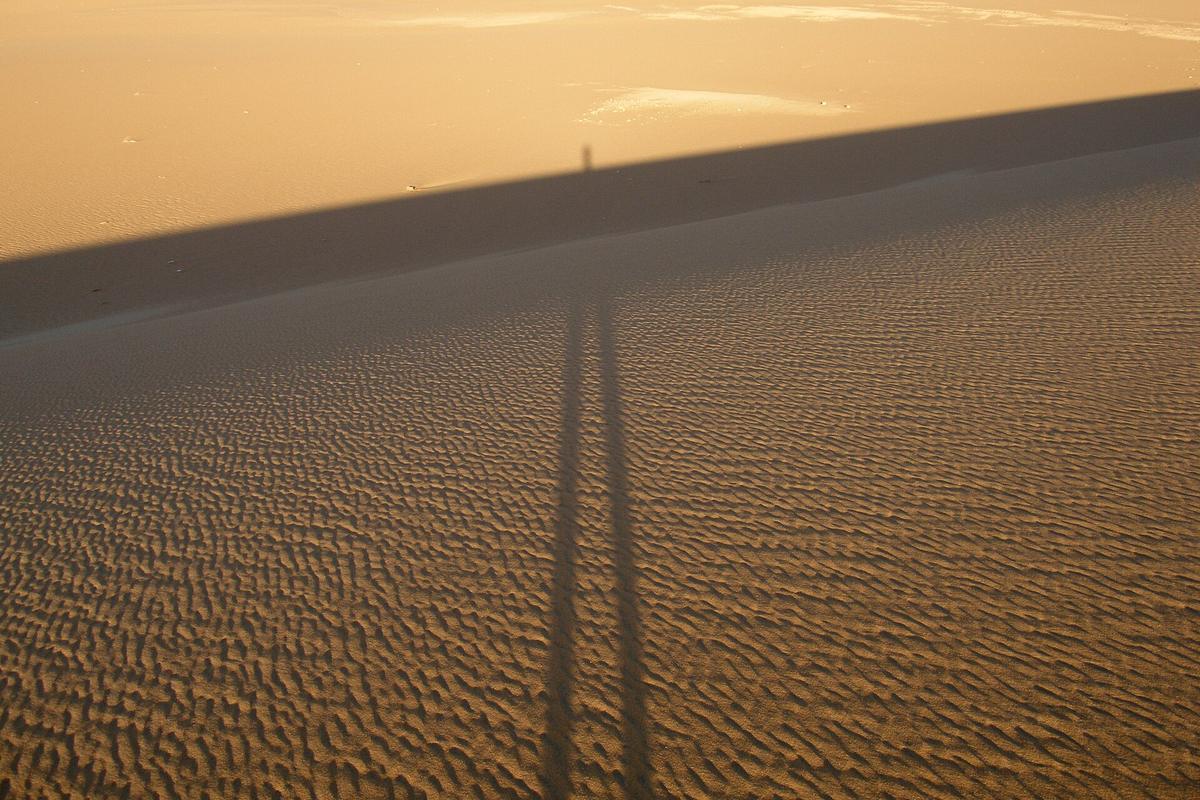

Libya Desert Temperature Summer Danger: Why You Do Not Travel June to September
The desert temperature summer danger is not a theoretical warning. It is the reason internal travel permits to the far south require special authorisation year round and become effectively unobtainable in summer. June to September the Fezzan region, Ghat, and the Akakus sand sea see daytime heat that makes overland travel inadvisable without specialist preparation. That is the research's phrasing, and it means you do not go. The few tour operators who still run desert trips in summer demand full support vehicles, satellite communication, and water stocks measured in days. The cost becomes prohibitive and the risk is not worth the reward.
The same constraint applies to the interior even if you stay on paved roads. The inland routes connecting the coast to Sabha and other Saharan settlements are paved in sections but unpaved beyond main routes, requiring a 4x4 vehicle. A breakdown on a desert road in July is a survival incident, not a roadside inconvenience. The internal travel permit system requires your sponsor to arrange permission days in advance. No sponsor will arrange a Fezzan permit in August because no responsible fixer will take that liability. You can still visit the coast in summer, but you lose the south entirely and the heat remains oppressive.
| Activity | Viable Months | Key Constraint |
|---|---|---|
| Coastal ruins (Leptis Magna, Sabratha) | November to March | Midday heat even in winter; arrive early and bring water |
| Desert camping (Akakus, Ghadames, Waw an Namus) | November to March only | Night temperatures near freezing; pack a cold weather sleeping bag |
| Jebel Akhdar hiking (Cyrene, Apollonia) | November to April | Green mountain slopes in winter and spring; dry and hotter by June |
| Tripoli Medina walking | November to March | Rain is possible but mild; carry a jacket for showers |
| Cross country 4x4 driving | November to March | Checkpoint density and permit requirements are the real delay, not weather |
Travelling Libya During Ramadan: When Daytime Activity Stops
Travelling during Ramadan presents a logistical barrier that many visitors underestimate. Public eating, drinking and smoking during daylight hours is restricted for all persons, not just Libyans. Do not walk through the old city with a water bottle in your hand. Restaurants are shuttered until sunset. Business hours contract to a few hours in the morning and a late night scramble after iftar. The research is direct: avoid the entire month if you need daytime meals or functional business hours. This is not a cultural sensitivity tip. It is a practical instruction. If you arrive during the holy month, your fixer will be unavailable for most of the day. The Museum of Libya already has erratic hours. During this period it may be closed entirely or open only 10am to 2pm. The cash economy means you cannot rely on hotel restaurants that stock food because even they observe the restriction.
Eid Al Fitr: The Domestic Travel Collapse
The end of the holy month brings Eid al Fitr, and with it a specific problem that matters more to travellers than the holiday itself. Eid al Fitr sees chaotic domestic travel that clogs the few available flights between Tripoli, Benghazi, Misrata and Sabha. Libyans move en masse to visit family. The limited domestic air service connecting these cities, already irregular in normal times, becomes unpredictable. A flight you book for the day after Eid might be cancelled because the plane is stuck in Misrata with a full load of passengers waiting for clearance. The fix is to arrive at least three days before Eid ends or wait until five days after. That means knowing the lunar calendar and planning your exit before you book the visa invitation letter.
Libya Peak Season November to March: What it Actually Means on the Ground
Peak season from late autumn to early spring is the only time the country is functional for a traveller. This does not mean crowds. Libya does not have crowds. The peak season for Libyans is summer, when coastal cities are busiest with domestic holidaymakers. The foreign travel window is opposite. This is when coastal humidity drops, daytime desert temperatures become survivable for camping, and the exposed Roman sites at Leptis Magna and Sabratha can be walked in the morning without risk of heat stress.
What Costs More
Private 4x4 hire with a fixer driver costs the same year round because it is priced in dollars at the black market rate. The price does not drop in your favour. What changes is availability. Good fixers book out for the peak months. Secure your operator six to eight weeks before arrival, which means obtaining the visa invitation letter first, which requires the operator to start the permit process. The chronology is: book operator, get invitation letter, apply for visa sticker, book flights, confirm fixer. Reverse any step and you will be denied boarding at departure.
What Still Goes Wrong In Peak Season
The viable window is not the easy window. The internal travel permit system still applies. Moving between Tripoli, the Nafusa Mountains and the Fezzan requires permits that your sponsor must arrange days in advance. You cannot simply rent a car and drive. The Coastal Highway linking Tripoli to Benghazi and Tobruk is paved but sections are damaged or subject to security checkpoints. The land border with Tunisia is subject to intermittent closure. The land border with Egypt is subject to intermittent closure. These are annual constraints. Plan for them, build buffer days into your itinerary, and accept that a one week trip to Libya is a mistake. The minimum is ten days.
Who Libya Suits and Who Should Walk Away
Libya suits intrepid archaeologists obsessed with Roman and Greek ruins without the Mediterranean crowds. It suits Sahara desert purists seeking vast empty sand seas. It suits photographers chasing abandoned architecture and rock art. It suits experienced overlanders on trans African routes who already know how to navigate checkpoints, cash economies, and infrastructure collapse.
Libya does not suit first time Africa visitors. It does not suit solo female travellers. It does not suit anyone who needs reliable Wi Fi or a drink in the evening, because alcohol is completely banned and possessing it is a criminal offence. It does not suit people who panic when plans change hourly. The stress to reward ratio is too high for casual tourists. The single thing that most often goes wrong is the visa invitation letter: visitors book flights before securing it, and then they do not board.
Common Questions
Can I visit Libya in August if I only stay on the coast?
You can, but the coastal heat is oppressive in August and humidity in Tripolitania is high. Leptis Magna and Sabratha have no shade. You will spend midday indoors. The real problem is that the interior desert becomes inaccessible, cutting off Ghadames, the Akakus rock art, and the Fezzan region. If you only have time for the coast, August is possible with discipline, but it is not comfortable.
What happens if I arrive during Ramadan without knowing?
You will find restaurants closed during the day, no water or food available in public, and your fixer unavailable for most daylight hours. Business hours shrink to a few morning hours. You can survive on hotel room supplies if your hotel has a kitchen, but most do not. The research recommends avoiding the entire month if you need daytime meals or functional business hours.
How do I get a visa for Libya without a tour operator?
You cannot. All foreign nationals require a visa prior to travel and visa on arrival is not available. You need a local sponsor or approved tour operator to issue the invitation letter that is required for the visa sticker. Without that letter, you are denied boarding at departure. The common mistake is booking flights before securing the invitation.
Is it safe to drive myself in Libya?
No. You cannot rent a car and drive independently. The internal travel permit system requires a sponsor to arrange permission in advance for each region. Spontaneous movement attracts attention at checkpoints. Photographing near a checkpoint, government building or oil infrastructure will get your camera confiscated. Use a pre arranged private 4x4 with a fixer driver paid in cash.
When are the cheapest flights to Libya?
Flights are not cheaper in any season because supply is limited and demand from oil workers and aid organisations is constant. Mitiga International Airport in Tripoli and Benina International Airport in Benghazi have irregular schedules. Misrata Airport sees limited international flights. The cost is the same year round. The real variable is whether the flight operates at all.
Read next
-
 Staying Connected in Libya When the Internet Fights Back
Forget eSIMs in Libya: you need a fixer to register a local SIM in their name, a VPN installed before landing, and offline maps for the moment 4G vanishes
Staying Connected in Libya When the Internet Fights Back
Forget eSIMs in Libya: you need a fixer to register a local SIM in their name, a VPN installed before landing, and offline maps for the moment 4G vanishes
-
 You Cannot Simply Rent a Car and Drive Across Libya
Moving between Libyan regions demands a fixer-driver and internal travel permits arranged days in advance by your sponsor. Spontaneous road trips do not exist here.
You Cannot Simply Rent a Car and Drive Across Libya
Moving between Libyan regions demands a fixer-driver and internal travel permits arranged days in advance by your sponsor. Spontaneous road trips do not exist here.
-
 You Cannot Board a Flight to Libya Without This One Document
A Libyan tourist visa is impossible without an invitation letter from a registered local operator.
You Cannot Board a Flight to Libya Without This One Document
A Libyan tourist visa is impossible without an invitation letter from a registered local operator.
-
 Bring Bricks of Dinars Because No Libyan ATM Will Accept Your Card
Libya runs on physical cash only. Foreign cards fail in every ATM, and the black-market USD rate determines what you actually pay for everything.
Bring Bricks of Dinars Because No Libyan ATM Will Accept Your Card
Libya runs on physical cash only. Foreign cards fail in every ATM, and the black-market USD rate determines what you actually pay for everything.
-
Reading the Official Libya Travel Warning Without Letting It Mislead You
Libya safety advisories paint a broad picture. The real risks are checkpoint photography leading to detention, not violent crime, and the permit system
-
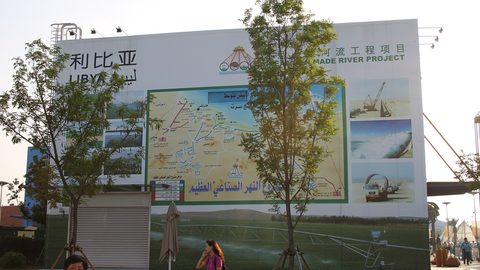 How Money Actually Works for a Libya Trip in Cash and Chaos
Libya runs on physical dinars exchanged at the black-market rate, and your budget is shaped by cash stacks, fixer fees, and the absence of any credit card
How Money Actually Works for a Libya Trip in Cash and Chaos
Libya runs on physical dinars exchanged at the black-market rate, and your budget is shaped by cash stacks, fixer fees, and the absence of any credit card
-
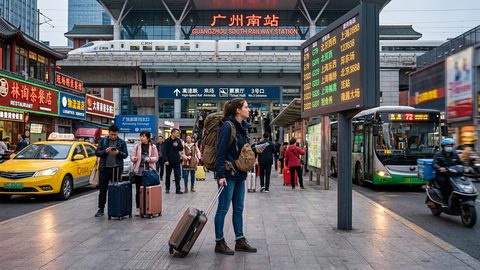 A Ground-Level Logistics Guide to Independent Travel in China
First-time independent travel in China: what you need to know about visas, rail booking, eSIMs, mobile payments, and power adapters.
A Ground-Level Logistics Guide to Independent Travel in China
First-time independent travel in China: what you need to know about visas, rail booking, eSIMs, mobile payments, and power adapters.
-
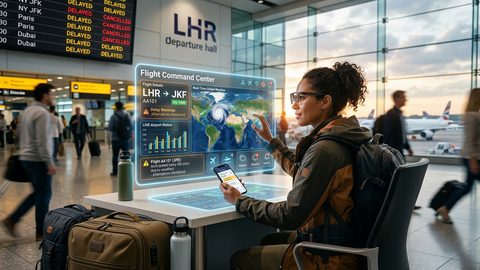 How Solo Travelers Stay Ahead of Flight Delays and Cancellations
How solo travelers can track inbound aircraft, claim rebooking rights, and adjust ground transport when flights go wrong — step by step.
How Solo Travelers Stay Ahead of Flight Delays and Cancellations
How solo travelers can track inbound aircraft, claim rebooking rights, and adjust ground transport when flights go wrong — step by step.
-
 Why Your eSIM Might Not Work Abroad and How to Check Before You Go
Buying an eSIM doesn't guarantee signal abroad. Learn why coverage fails by location and how to verify reach before you commit to a plan.
Why Your eSIM Might Not Work Abroad and How to Check Before You Go
Buying an eSIM doesn't guarantee signal abroad. Learn why coverage fails by location and how to verify reach before you commit to a plan.