Libya Travel Costs and the Cash Budgeting Reality
Libya runs on physical dinars exchanged at the black-market rate, and your budget is shaped by cash stacks, fixer fees, and the absence of any credit card
Your Libya Travel Costs Cash Budgeting Reality Starts at a Money Changer’s Door
The mistake travellers make about a Libya trip budget is pulling up hotel listings and restaurant menus on Google. That exercise produces a spreadsheet that has nothing to do with what you will actually spend. Libya travel costs cash budgeting begins at a Tripoli money changer's office, where you hand over a stack of US dollars across a counter and receive a brick of Libyan dinars wrapped in rubber bands. The exchange rate is not the central bank rate. The rate that dictates every cost on your trip is the black market rate, and it can be double the official number or more. You budget around that gap, around the physical weight of cash you must carry, and around the fact that you cannot solve a shortfall with a credit card swipe.
The Libya Black Market Exchange Rate is the Only Exchange Rate That Matters
Two Rates, One That Counts
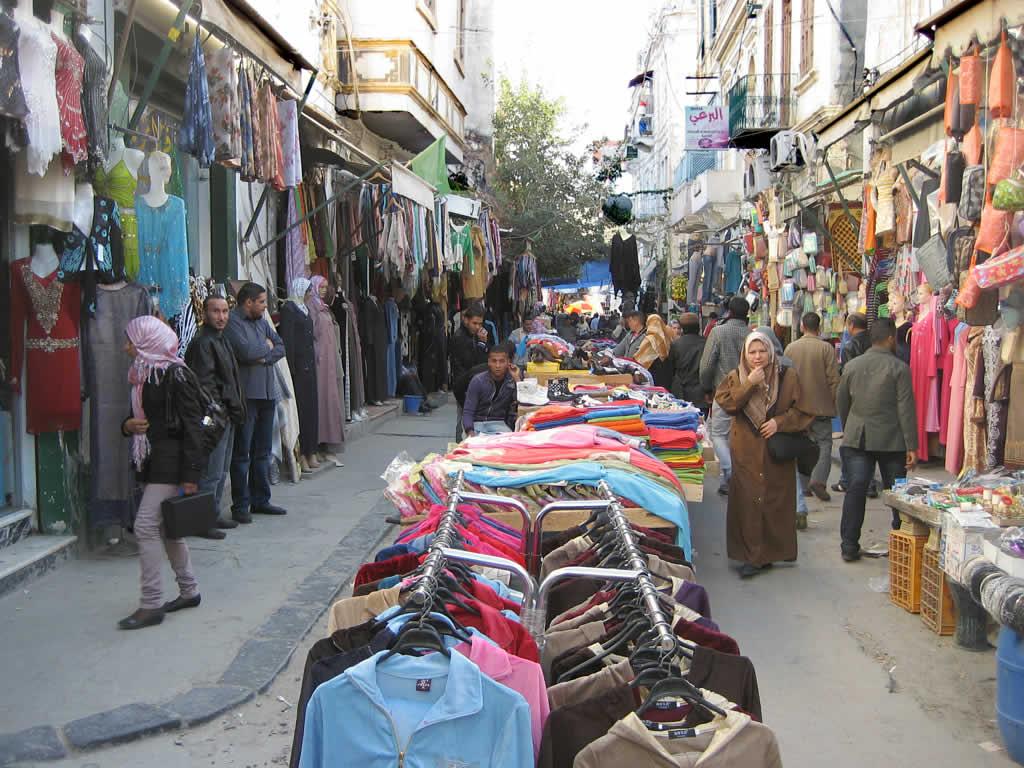
Libya has two exchange rates. The official rate set by the Central Bank of Libya is the number you see on Google Finance. The parallel market rate is the number you get from a licensed money changer in a Tripoli side street, and it is the only one your trip will use. The gap between them fluctuates but it is always significant. A street rate that is 50 to 100 percent higher than the official rate is normal. That means a hotel room quoted in LYD on official exchange costs you half as many US dollars at the parallel rate. Exchange dollars on the street, not at a bank or airport counter.
Bring the Cash, All of It
You bring all your USD in cash. ATMs in Libya reject foreign cards almost every time. The machine accepts the card, shows a fee screen, then returns the card with an error. Do not count on a single withdrawal working across a ten day trip. The handful of high end hotels in Tripoli that do process international cards charge a surcharge and the transaction still fails as often as it succeeds. You carry your trip budget. That means fresh, unmarked USD bills, nothing older than 2006, no rips, no stamps. Money changers inspect every note. A rejected bill leaves you short and without a replacement option.
Cost of a Fixer Driver in Libya is Your Largest Single Line Item
Your fixer driver is not optional. Independent travel for tourism in Libya is not permitted. Every visitor must travel through a licensed Libyan tour company that arranges the visa invitation, security clearance, itinerary, and transport. What you call a fixer driver is the person who handles your movement on the ground: the driver, the guide, the checkpoint negotiator, and the permit expediter rolled into one. The cost of a fixer driver in Libya is your single largest daily expense, larger than accommodation and food combined.
Expect a daily rate for a driver with a private 4x4 to fall between 200 and 400 USD. That includes the vehicle, fuel, his time, and his ability to get you through checkpoints without hours of delay. Fuel in Libya is heavily subsidised by the state, so fuel costs do not drive this number. What drives the number is the driver's role as your security asset. The UK, US, Canadian and Australian governments all have active travel advisories against Libya. No insurance policy covers you to drive yourself. The driver is your insurance.
You do not hire the driver separately. The driver works for your tour company, and you pay the company. The company's fee rolls up the driver cost, the vehicle cost, and the guide cost. A Libya tour company daily rate that includes a driver, a guide, a 4x4, and all permits runs from 350 to 600 USD per person per day. The cheaper end of that range assumes you are in a group of three or four people sharing the vehicle. Solo travellers pay the highest rate because the fixed costs do not split.
Libya Tour Company Daily Rate Covers What You Actually Pay for
Security, Not Thread Count
A 400 USD per day tour company fee does not buy you a Four Seasons room. The budget vs mid range difference in Libya is not about accommodation quality. It is about security arrangements. A mid range package includes a driver and a guide in a standard 4x4. A budget package might use the same vehicle but skip the armed escort on certain routes. A premium package adds a second vehicle with uniformed security personnel. The room you sleep in is roughly the same: a basic government run hotel in the south, a business hotel in Tripoli, or a desert camp. The budget and mid range accommodation tiers collapse into a single "basic but not cheap" category everywhere outside Tripoli.
The Invitation Letter Comes First
The company also arranges the visa invitation letter. That letter is the non negotiable document you must have before you book a flight. The Libyan Passport and Immigration Authority issues the tourist visa only on invitation from a registered company, and the invitation letter carries a separate fee. The fee varies by nationality and processing speed. Budget for the letter alone, and do not book a flight until you hold it. A confirmed flight is worthless without the invitation. You will be denied boarding at departure.
The Unpredictable Costs Permits and Photography Fees
Internal Travel Permits
Moving between regions in Libya requires internal travel permits. Your company must apply for them days in advance through the Ministry of Tourism and Traditional Industries. The permit system is not a rubber stamp. It adds unpredictable fees. A permit to travel from Tripoli south into the Fezzan, where the black desert, the volcanic crater of Waw an Namus, and the Akakus rock art are located, costs more than a permit for the coastal zone between Tripoli and Leptis Magna. The south is more expensive because mandatory security convoys are required. You cannot drive a 4x4 through the Fezzan without joining a convoy. Your company builds that cost into the daily rate, but the permit fee often appears as a separate line item after you have already committed to the itinerary.
Photography Fees at the Gate
Photography permits for archaeological sites are another fee that catches travellers off guard. Leptis Magna, Sabratha, Cyrene. These sites charge a separate photography permit fee on top of the entry fee. The fee is not high but the irritation is that you pay it in cash at the gate and you must have exact change. No change is given. No cards accepted. The same applies at the Museum of Libya in Tripoli, which has erratic hours but holds world class Roman statuary. You pay the photography permit fee in cash at the museum entrance or you do not take photos.
Carrying US Dollars in Libya is a Physical Act
The Stack
You will carry the full budget of your trip in a bag. That is not hyperbole. A ten day Libya trip for one person, including the company fee, the cash for meals, permits, SIM cards from Libyana or Al Madar, tips, and emergency reserve, totals roughly several thousand USD. In hundred dollar bills that stack is about an inch thick. You keep the stack in a money belt or a bag that stays on your body at all times. There is no safe in your room. The mid range hotels in Tripoli have reception safes but you hand your cash to a stranger at the front desk. The smaller government run hotels outside the capital do not have safes. You sleep with your cash.
Declare It, Then Change It Through Your Driver
Carrying US dollars in Libya is legal. You declare the amount on arrival at Mitiga International Airport and receive a customs form. You present that form if you have any unexpected interaction with a checkpoint official who asks to see your cash. You carry the form with your passport. When you change money on the street, you do it through your driver. Your driver knows a money changer. You hand the changer your USD and receive LYD. Do not wander into a souq and ask a random merchant to change currency. That is how you get short changed or robbed. The driver handles the transaction and watches the count.
The LYD you receive is a brick of banknotes. A 500 LYD note is the largest denomination. To pay a 400 LYD permit fee you carry 500s and 100s. To pay street food you carry 1 and 5 notes. Break down your stack into smaller denominations before you leave the hotel. Do not pull out a wad of 500s at a checkpoint. That invites a conversation you do not want.
.jpg)

What Actually Costs What on the Ground
Rooms and Running Water
Accommodation in Tripoli: a mid range room in one of the international business hotels runs 80 to 150 USD per night. Outside Tripoli, the same category room drops to 30 to 60 USD but the quality is inconsistent. The bathrooms sometimes have running water. Toilet paper never does. Carry your own toilet paper, hand sanitiser, and a roll of emergency plastic bags for the hole in the ground toilets that are standard outside the capital.
Eating, from Street to Desert Camp
Food: a street meal of bazin, the stiff barley dough ball in tomato and chilli stew, or couscous bil bouri with dried salt cured fish, costs a few LYD in the Tripoli medina. A sit down meal in a restaurant with a table and a menu costs 15 to 25 LYD. A meal in a desert camp where the crew cooks is included in the daily rate. Water is 1 LYD for a 1.5 litre bottle. Buy five bottles at a time because you do not drink the tap water.
Shared Taxis and Why You Skip Them
Transport between cities without the company: shared intercity taxis on the coastal highway between Tripoli and Benghazi are cheap, 20 to 40 LYD per person, but you should not use them. Every checkpoint requires documentation you do not have as an independent tourist. The document you lack is your travel permit. Without it, a checkpoint guard stops you, detains you until your company is called, and the delay costs you a day. The shared taxi is surprisingly cheap for a reason. Do not take that reason.
Tips: guides, drivers, and any security personnel who accompany you expect a tip at the end of the trip. There is no fixed percentage. 50 to 100 USD total for a week long trip, split among the people who helped you, is a reasonable range for a solo traveller. Tip in USD, not LYD. The driver appreciates USD more than dinars because the black market in Libya values hard currency.
The One Thing That Most Often Goes Wrong
Visitors book flights before securing the invitation letter from a licensed Libyan tour company. That is the single most common mistake. The letter is the document the Libyan Passport and Immigration Authority requires to issue the visa sticker. Without the sticker, you are denied boarding at your departure airport. Airlines in Istanbul, Tunis, and Cairo check the sticker before they hand over a boarding pass. You arrive at the check in counter, you show a blank passport page, and you are sent back through security. The flight is lost. The money for the flight is lost. The company's fee for the letter is not refunded because you failed to follow the procedure.
Secure the letter first. Confirm the company has submitted it to the immigration authority. Receive a scan of the invitation. Then book the flight. That sequence is not negotiable. The entire Libya travel costs cash budgeting exercise you just read is useless if you cannot board the plane. The invitation letter, the cash brick, the money changer visit, the driver's daily rate, the photography permits. All of it depends on that one document arriving in your hands before you leave home. Get the letter. Book the flight second.
Common Questions
Can I use a credit card anywhere in Libya?
Almost nowhere. A few high end hotels in Tripoli accept cards, but the transaction fails as often as it succeeds. Assume you cannot use any card and bring all your money in cash USD.
How much cash should I bring for a 10 day Libya trip?
Budget several thousand USD for one person including the tour company fee, meals, permits, and emergency reserve. Bring it all in fresh, unmarked USD. No bills older than 2006, no rips, no stamps.
Do I need to declare my cash on arrival in Libya?
Yes. Declare your foreign currency at Mitiga International Airport on arrival. You receive a customs form. Keep it with your passport. Present it if a checkpoint official asks to see your cash.
Is the official exchange rate or the black market rate what I use?
The black market rate. The parallel market rate in money changer offices is significantly higher than the central bank rate. Exchange your USD at the black market rate through your driver. Do not use a bank or airport counter.
Can I buy a SIM card in Libya as a foreigner?
Yes, but Libyana and Al Madar SIM cards require a local ID to activate. Your driver or tour company buys the SIM in their name and inserts it into your phone. Expect to pay a few LYD for the card plus data credit.
Read next
-
 Staying Connected in Libya When the Internet Fights Back
Forget eSIMs in Libya: you need a fixer to register a local SIM in their name, a VPN installed before landing, and offline maps for the moment 4G vanishes
Staying Connected in Libya When the Internet Fights Back
Forget eSIMs in Libya: you need a fixer to register a local SIM in their name, a VPN installed before landing, and offline maps for the moment 4G vanishes
-
 Libya Has a Short Window When the Desert Is Survivable and the Coast Bearable
Libya's travel window runs November to March. Summer interior heat is lethal, Ramadan halts daytime services, and Eid clogs the few flights available.
Libya Has a Short Window When the Desert Is Survivable and the Coast Bearable
Libya's travel window runs November to March. Summer interior heat is lethal, Ramadan halts daytime services, and Eid clogs the few flights available.
-
 You Cannot Simply Rent a Car and Drive Across Libya
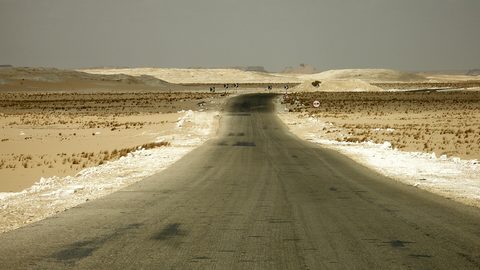
Moving between Libyan regions demands a fixer-driver and internal travel permits arranged days in advance by your sponsor. Spontaneous road trips do not exist here.
You Cannot Simply Rent a Car and Drive Across Libya
Moving between Libyan regions demands a fixer-driver and internal travel permits arranged days in advance by your sponsor. Spontaneous road trips do not exist here.
-
 You Cannot Board a Flight to Libya Without This One Document
A Libyan tourist visa is impossible without an invitation letter from a registered local operator.
You Cannot Board a Flight to Libya Without This One Document
A Libyan tourist visa is impossible without an invitation letter from a registered local operator.
-
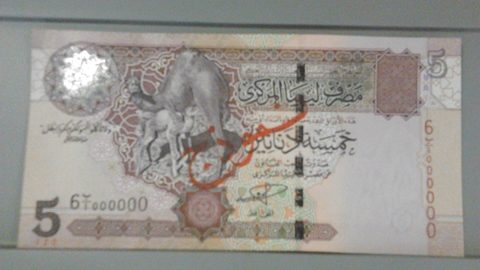 Bring Bricks of Dinars Because No Libyan ATM Will Accept Your Card
Libya runs on physical cash only. Foreign cards fail in every ATM, and the black-market USD rate determines what you actually pay for everything.
Bring Bricks of Dinars Because No Libyan ATM Will Accept Your Card
Libya runs on physical cash only. Foreign cards fail in every ATM, and the black-market USD rate determines what you actually pay for everything.
-
Reading the Official Libya Travel Warning Without Letting It Mislead You
Libya safety advisories paint a broad picture. The real risks are checkpoint photography leading to detention, not violent crime, and the permit system
-
 A Ground-Level Logistics Guide to Independent Travel in China
First-time independent travel in China: what you need to know about visas, rail booking, eSIMs, mobile payments, and power adapters.
A Ground-Level Logistics Guide to Independent Travel in China
First-time independent travel in China: what you need to know about visas, rail booking, eSIMs, mobile payments, and power adapters.
-
 How Solo Travelers Stay Ahead of Flight Delays and Cancellations
How solo travelers can track inbound aircraft, claim rebooking rights, and adjust ground transport when flights go wrong — step by step.
How Solo Travelers Stay Ahead of Flight Delays and Cancellations
How solo travelers can track inbound aircraft, claim rebooking rights, and adjust ground transport when flights go wrong — step by step.
-
 Why Your eSIM Might Not Work Abroad and How to Check Before You Go
Buying an eSIM doesn't guarantee signal abroad. Learn why coverage fails by location and how to verify reach before you commit to a plan.
Why Your eSIM Might Not Work Abroad and How to Check Before You Go
Buying an eSIM doesn't guarantee signal abroad. Learn why coverage fails by location and how to verify reach before you commit to a plan.