The Days Italy Closes
The public holidays that actually close Italy's museums, shops, and restaurants, and the ones that are just a day off.
The Days Italy Closes
Italy has 12 fixed national public holidays, plus Easter Sunday, Easter Monday, and a patron saint day in every one of its 7,904 comuni. Not all of those days hit a visitor the same way. Some shut state collections, close family trattorie, and leave you on a platform staring at a cancelled train. Others are just a paid day off: bars open, sights run a Sunday timetable, and the only real change is lighter traffic. The distinction matters. Arriving during a real shutdown without knowing it costs you entire days.
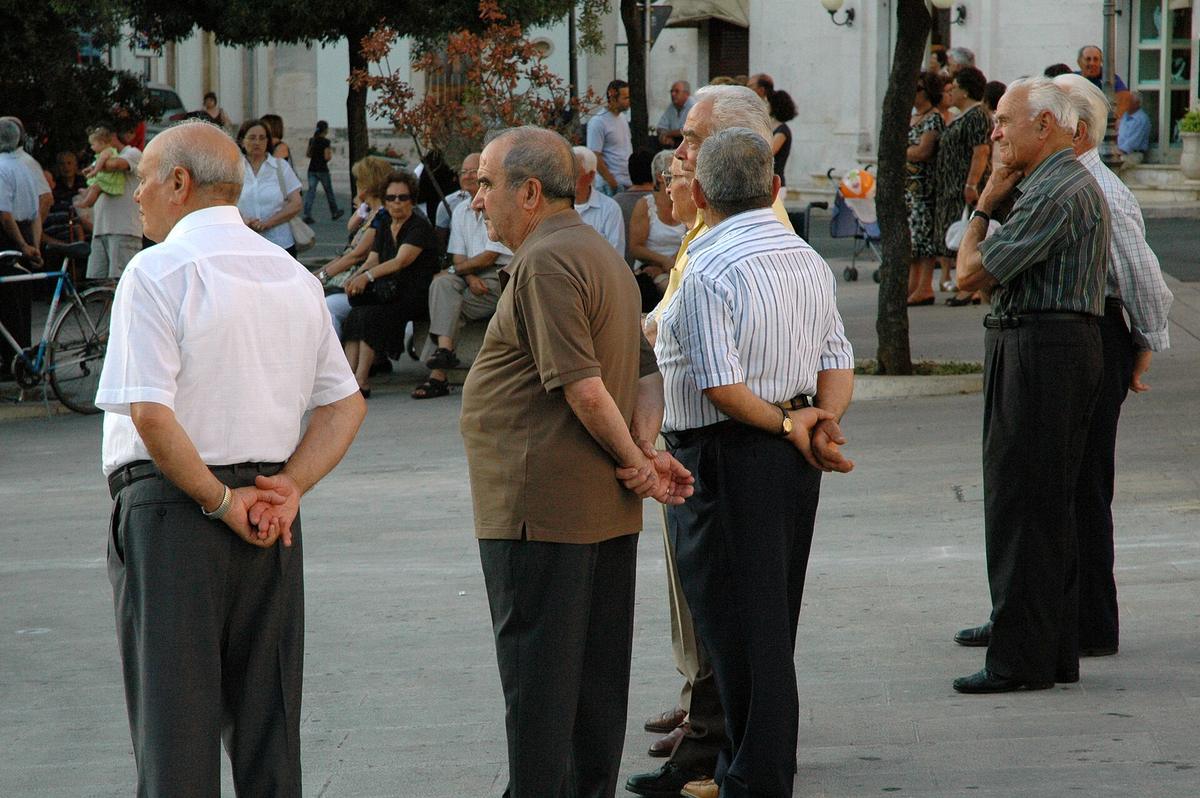
Italian public holidays split cleanly into two camps. The ones that suspend normal life. And the ones that barely register. Ferragosto on 15 August is the most extreme example. Cities empty, coastal towns fill, and family businesses close not just for the day but for the entire week around it. On the other end, 2 June keeps most tourist infrastructure running. The table below shows which holidays close what, so you can plan around the ones that matter.

| Holiday | Date | Museums & State Sites | Shops & Businesses | Public Transport |
|---|---|---|---|---|
| Capodanno (New Year) | 1 January | Closed | Most closed | Reduced festivo schedule |
| Epifania (Epiphany) | 6 January | Open or reduced hours | Many closed; some open morning | Reduced festivo schedule |
| Festa della Liberazione | 25 April | Most open | Many closed | Holiday timetable; strike risk |
| Festa dei Lavoratori (Labour Day) | 1 May | Closed | Most closed | Reduced festivo schedule; strike risk |
| Festa della Repubblica | 2 June | Most open | Many closed; large supermarkets open | Reduced festivo schedule |
| Ferragosto | 15 August | Most closed | Most closed; weeks of closures around it | Holiday timetable; coastal routes crowded |
| Ognissanti (All Saints) | 1 November | Most open | Many closed | Reduced festivo schedule |
| Immacolata Concezione | 8 December | Most open | Many closed; some open morning | Reduced festivo schedule |
| Natale (Christmas Day) | 25 December | Closed | Nearly all closed | Reduced festivo schedule |
| Santo Stefano (Boxing Day) | 26 December | Most open | Many closed; large supermarkets open | Reduced festivo schedule |
| Pasqua (Easter Sunday) | Movable | Closed | Most closed | Reduced festivo schedule |
| Pasquetta (Easter Monday) | Movable | Most open | Many closed | Holiday timetable |
Italy Ferragosto Closures: the One That Shuts the Country
What Closes and When
Ferragosto on 15 August is the Italian summer shutdown. It is the one date that can derail a trip if you do not plan for it. The research shows it is the peak domestic travel period, when most Italians take their break. What that means on the ground: cities like Rome, Florence, and Milan empty out. Family trattorie, small galleries, and independent shops close not just on the 15th but for the entire week before and after. The coastal destinations that stay open are packed.
What to Expect in a City Mid-August
If you arrive in a city between 10 August and 20 August, expect half the places you want to eat at to have a handwritten sign saying "Chiuso per ferie" taped to the door. Large supermarkets and shopping centres in major cities may open in the morning. The smaller places you actually want to visit will not. State collections and archaeological sites are mostly closed on 15 August itself. Public transport runs a reduced festivo schedule, with fewer departures on regional and long-distance trains.
How to Salvage a Ferragosto Trip
Base yourself on the coast rather than in a city. The Amalfi Coast, Cinque Terre, and Sicily are crowded but fully operational. Book accommodation and restaurant tables as far ahead as you can. If you are set on visiting Rome or Florence in mid-August, accept that you will eat at places aimed at tourists and that some sights will require timed entry tickets booked weeks ahead. The ones that stay open get slammed.
Italy National Holidays List: the 12 Fixed Dates
Italy has 12 fixed national public holidays that apply across the entire country, plus two movable ones. Here is the full list with a note on what each means for a visitor:
- 1 January (Capodanno). Everything shuts. Collections, shops, and most places to eat close. Public transport runs a Sunday schedule. Stay in and recover from New Year's Eve.
- 6 January (Epifania). Many shops close, but bars and gelaterie in tourist areas stay open. State collections may open for reduced hours. It is the end of the Christmas school break, so domestic travel drops off after this.
- 25 April (Festa della Liberazione). Most state collections open, but many independent shops close. The risk is not closures: it is strikes. Labour unions schedule transport strikes on this date. Check Trenitalia and Italo apps for live platform and strike updates.
- 1 May (Festa dei Lavoratori). State collections and archaeological sites close. So do most shops. The bigger issue is the same as 25 April: transport strikes are common. If you plan a day trip, book it for 2 May instead.
- 2 June (Festa della Repubblica). A military parade in Rome; most collections in cities of art stay open. Large supermarkets open in the morning. This is the least disruptive summer date for a visitor.
- 15 August (Ferragosto). Covered above. The big one.
- 1 November (Ognissanti). Most collections open. Shops close. The 1 November long weekend is a peak domestic travel period when it falls near a weekend.
- 8 December (Immacolata Concezione). Collections open. Shops close or open only in the morning. Marks the start of the Christmas buildup.
- 25 December (Natale). Nearly everything closes. No collections, no trains running a normal schedule, no places to eat except hotel dining rooms. Prepare ahead.
- 26 December (Santo Stefano). Collections and large supermarkets open. Many smaller shops stay closed. Good day for a walk and a meal that was booked in advance.
Italy Easter Monday Pasquetta: the Picnic Exodus
What Happens on the Day
Easter Monday, or Pasquetta, is not a day for sightseeing. It is a mass exodus from the cities. Italians take the day off, pack a picnic, and head to parks, lakes, and hillsides. The research names it as a peak domestic travel period, and on the ground that means cities like Rome, Florence, and Venice feel half empty by midday. But that does not mean you should stay in: state collections and archaeological sites mostly open on Pasquetta. The Uffizi, the Accademia, the Colosseum, and the Vatican Museums all run on their regular schedules or a reduced timetable.
The Transport Catch
Regional trains have no reserved seats, and on Pasquetta they fill up with day trippers heading to the countryside. High-speed trains require seat reservations and have platform gates that close before departure, so book ahead. Easter Sunday itself is a different story: most collections close, and restaurants run a fixed Easter menu at a higher price. Do your main sightseeing on Saturday and Monday instead.
Italy Liberation Day April 25: Strikes and Open Sights
25 April, Festa della Liberazione, commemorates Italy's liberation at the end of World War II. For a visitor, the key question is not whether collections will be open. Most of them are. The question is whether you can get to them. The research flags that strikes hit trains, ferries, and local transport with little notice, and labour unions frequently schedule action on this date. Download the Trenitalia and Italo apps before you arrive and check them the morning of 25 April for live platform and strike updates.
If transport is running, your day works normally. Collections open. Bars and places to eat in tourist areas operate. The Pantheon requires paid entry and booked weekends, but 25 April is a weekday. The Colosseum and Roman Forum share a ticket; book timed entry days ahead regardless of the date. The main risk is the one you cannot control: a strike that strands you in one city while your hotel is in another.
The Regional Holidays That Matter
Beyond the national dates, each comune has its own patron saint feast day. These are local public holidays that close government offices, banks, and schools in that comune only. A few examples from the research:
- Rome: 29 June (Santi Pietro e Paolo). City offices shut; shops may close.
- Milan: 7 December (Sant'Ambrogio). Kicks off the festive season; collections and shops may reduce hours.
- Naples: 19 September (San Gennaro). Expect street celebrations and limited services.
- Florence, Turin, Genoa: 24 June (San Giovanni Battista). These cities shut down for the day.
- Trieste: 10 October (San Daniele). A city-level shutdown.
If you are in a city on its patron saint day, treat it like a national holiday for that location. Collections in that city may close; restaurants run a reduced menu. Check the comune's tourism website before you go.
What Stays Open When Everything Shuts
On the dates that really close Italy down, 1 January, 1 May, 15 August, and 25 December, you are not stranded. The research lists what stays open: bars, cafés, restaurants, and gelaterie in tourist areas operate. Motorway service areas (Autogrill) are open 24/7. Pharmacies run a rotation system called farmacie di turno, so there is always at least one open in each zone.
Public toilets remain scarce and often paid, so carry coins. Major sights with timed entry tickets that you booked weeks ahead may still honour your slot. Call ahead to confirm. The biggest mistake is assuming that because a place looks open, it accepts walk-ins. On these days, even open places require a reservation. Call the morning of or have your hotel concierge book for you.
The One Thing That Most Often Goes Wrong
The most common failure is arriving in a city during the Ferragosto week expecting normal operations. Or turning up at a major sight on 1 May without checking if it is open. The research is clear: 1 January, 1 May, and 25 December shut nearly everything. Ferragosto closes more than just the day. Easter Sunday closes collections while Easter Monday runs normally. And every single one of these dates can have a transport strike announced the day before. The move that saves your trip is simple. Before you book flights, pull up the Italian public holidays for your dates. If you land on 15 August, base yourself on the coast. If you land on 1 May, stock up on groceries and plan a walking day. If you land on 25 December, 26 December is your real first day. The dates themselves are predictable. The strikes are not, and that is the part that catches everyone.
Common Questions
Do all museums close on Italian public holidays?
No. Only 1 January, 1 May, and 25 December see nearly all state collections and archaeological sites close for the day. Easter Sunday closes some. On other dates, most open, often on a reduced festivo schedule.
Is public transport running on an Italian public holiday?
Yes, but on a reduced festivo Sunday schedule. Regional and long-distance trains run fewer departures. Strikes are common on 25 April and 1 May, so check the Trenitalia app for live updates.
What is Ferragosto and why does it affect weeks around it?
Ferragosto on 15 August is the peak of the Italian summer break. Many family businesses close for the entire week before and after, not just the day itself. Cities empty out; coastal towns fill up.
Are restaurants open on Easter Monday?
Yes. Easter Monday (Pasquetta) is a picnic day. Collections mostly open, shops may close, but places to eat in tourist areas operate. Book ahead, especially for lunch.
Do I need to book tickets for sights on public holidays?
Yes. Timed entry tickets are required for the Colosseum, Uffizi, Accademia, Vatican Museums, and the Last Supper on any day they are open. Book days to weeks ahead. Showing up without a ticket gets you turned away.
Is 25 April a good day to visit museums?
It can be, if transport is running. Most state collections open. The risk is a labour strike that cancels trains or local transport. Check apps the morning of.
What about local patron saint feast days?
Each of Italy's 7,904 comuni has one. On that day, government offices, banks, and some shops close in that city. Rome's is 29 June; Milan's is 7 December; Florence's is 24 June. Check the comune's tourism site.
Read next
-
 Staying Connected in Italy With eSIM, Local SIM or Roaming
eSIM, local SIM, or roaming: which keeps you connected across Italy's cities, hill towns, and coastal dead zones, and what each path actually requires.
Staying Connected in Italy With eSIM, Local SIM or Roaming
eSIM, local SIM, or roaming: which keeps you connected across Italy's cities, hill towns, and coastal dead zones, and what each path actually requires.
-
 Best Time to Visit Italy and What Each Season Actually Delivers
When to go to Italy and what each season actually delivers: weather, crowds, closures, and the dates that spike hotel prices.
Best Time to Visit Italy and What Each Season Actually Delivers
When to go to Italy and what each season actually delivers: weather, crowds, closures, and the dates that spike hotel prices.
-
 Getting Around Italy by Train, Car and Ferry Without the Common Mistakes
How to move around Italy by train, car, and ferry, and what the map oversells. The real friction points of Italian transport.
Getting Around Italy by Train, Car and Ferry Without the Common Mistakes
How to move around Italy by train, car, and ferry, and what the map oversells. The real friction points of Italian transport.
-
 Italy Visa Requirements for Tourists and the Schengen Rules
Who needs a visa for Italy, who does not, and how the Schengen 90/180-day rule applies. A clear breakdown of entry requirements for tourists.
Italy Visa Requirements for Tourists and the Schengen Rules
Who needs a visa for Italy, who does not, and how the Schengen 90/180-day rule applies. A clear breakdown of entry requirements for tourists.
-
 Cash or Card in Italy, How You Will Actually Pay for Things
How to pay for things in Italy: when to use cash, when cards work, and what the coperto and tourist tax add to every bill.
Cash or Card in Italy, How You Will Actually Pay for Things
How to pay for things in Italy: when to use cash, when cards work, and what the coperto and tourist tax add to every bill.
-
 Is Italy Safe, Reading the Advice Without Being Misled by It
Is Italy safe? The real risks for tourists, stripped of exaggeration: pickpocketing on the Rome Metro, bracelet scams in Milan, and how to handle them.
Is Italy Safe, Reading the Advice Without Being Misled by It
Is Italy safe? The real risks for tourists, stripped of exaggeration: pickpocketing on the Rome Metro, bracelet scams in Milan, and how to handle them.
-
 A Ground-Level Logistics Guide to Independent Travel in China
First-time independent travel in China: what you need to know about visas, rail booking, eSIMs, mobile payments, and power adapters.
A Ground-Level Logistics Guide to Independent Travel in China
First-time independent travel in China: what you need to know about visas, rail booking, eSIMs, mobile payments, and power adapters.
-
 How Solo Travelers Stay Ahead of Flight Delays and Cancellations
How solo travelers can track inbound aircraft, claim rebooking rights, and adjust ground transport when flights go wrong — step by step.
How Solo Travelers Stay Ahead of Flight Delays and Cancellations
How solo travelers can track inbound aircraft, claim rebooking rights, and adjust ground transport when flights go wrong — step by step.
-
 Why Your eSIM Might Not Work Abroad and How to Check Before You Go
Buying an eSIM doesn't guarantee signal abroad. Learn why coverage fails by location and how to verify reach before you commit to a plan.
Why Your eSIM Might Not Work Abroad and How to Check Before You Go
Buying an eSIM doesn't guarantee signal abroad. Learn why coverage fails by location and how to verify reach before you commit to a plan.