Your Italy Trip Cost Breakdown for Every Travel Style
How money flows through an Italy trip: the fixed costs, the seasonal surges, and the everyday spending rhythms that shape your budget.
How Much You Should Budget for a Realistic Trip to Italy
Most first-time visitors budget for Italy as if the biggest cost is the flight. It is not. Accommodation swallows 35 to 50 percent of your total spend at the mid-range level. High-speed train reservations can eat another 10 to 20 percent before you buy a single museum entry. The rhythm of spending in Italy is not a flat daily rate. You face fixed unavoidable costs for sightseeing, a huge seasonal swing in lodging prices, and a food budget that ranges from a few euro for a pizza al taglio lunch to a sit-down dinner with coperto. The gap between the polished fantasy and the crowded, strike-prone, rule-bound reality is what catches people out. Here is where the money really goes and how to control it.
Italy Trip Cost Breakdown: Where Your Budget Goes
A mid-range trip to Italy splits into four buckets. Accommodation runs 35 to 50 percent. Food and drink takes 20 to 30 percent. Intercity and local transport costs 10 to 20 percent. Museum, site entry, and activity costs account for 5 to 15 percent.
The biggest line-item difference between budget and mid-range tiers is not food. It is accommodation type and location. A budget traveller in a hostel or a family-run one-star hotel pays a fraction of what a mid-range traveller pays for a three-star hotel or boutique B&B in a historic centre. The same room in a central Rome three-star can cost triple the price of a room in a suburban two-star. Venice, Florence, Amalfi Coast, and central Rome are the most expensive lodging markets. Calabria, Molise, Basilicata, inland Sicily, and inland Puglia are the cheapest.

Italy Daily Budget Realistic: What You Actually Spend Per Day
Low-Budget Day vs Mid-Range Day
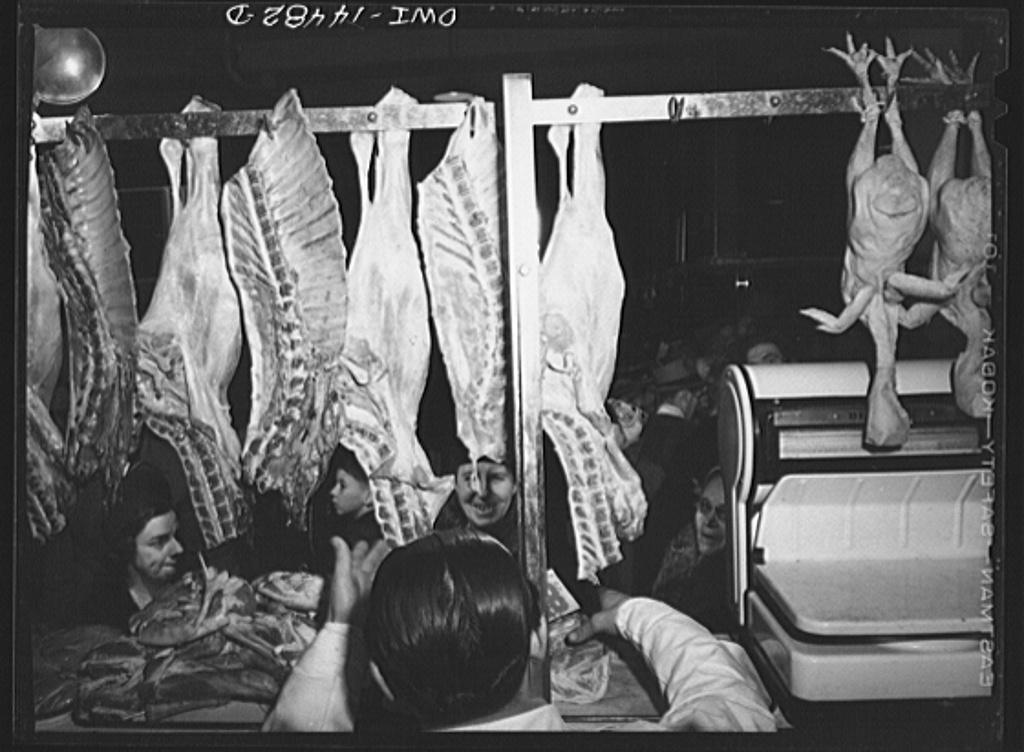
There is no single daily budget for Italy. Your spending pattern depends on region, season, and pace. A realistic low-budget day in Palermo looks like this: breakfast espresso at the bar, lunch pizza al taglio, dinner at a trattoria outside the tourist zone, hostel dorm bed, regional train to a nearby town. A realistic mid-range day in Florence looks different: B&B room near the Duomo, sit-down lunch, dinner with a carafe of house wine, Uffizi gallery entry, and a high-speed train to Bologna. The gap is mostly lodging and location.
City Tax
City tax is levied per person per night in most Italian municipalities. The rate varies by municipality, star rating, and sometimes season. Children are often exempt. The highest rates are in Rome, Florence, Venice, and Milan. The lowest rates, or none at all, are in many small towns. Budget for a band of several euro per person per night in major cities; your host will confirm the exact figure.
Italy Accommodation Costs by Season: the Price Multiplier
Accommodation costs in Italy do not rise gradually. They cliff-jump. The same hotel room in Venice can triple between February and June. Amalfi Coast in August is a budgetary black hole: a room that costs little in November can be stratospheric in peak summer. The seasonal price multiplier for high-demand coastal and island areas is the single biggest variable in your trip cost.
Peak season runs April through June and September through October for most art cities. July and August are peak on the coasts and islands, especially around Ferragosto in mid-August when many family-run businesses close. Christmas-New Year, Easter week, and major city festivals also spike prices. Low season is November and January through February, outside ski resorts and Carnival cities. Shoulder season, late March, early April, late October, offers a sweet spot for art cities but costs are still elevated.
Art cities have a smaller seasonal spread than beach destinations. Venice and Florence have compressed high seasons with sharp price spikes. Sicily and Puglia have longer warm-season shoulder periods than northern Italy. Travel in November or late January and you cut lodging costs by 40 to 60 percent in most cities.
Italy Food Budget Per Day: the Swing Between Standing and Sitting
Eating Standing Up
Food costs swing wildly based on two decisions: where you eat and whether you sit down. The cheapest options are standing-bar breakfast (espresso and a pastry), lunch at an alimentari (sandwich and drink), pizza al taglio by the slice, market produce, and supermarket shopping for picnic supplies. Aperitivo in some northern cities offers a drink with buffet food included in the price. It can replace dinner.
Sitting Down and the Coperto
Sit-down meals cost significantly more. A mid-range dinner with coperto, a first course, a second course, a vegetable side, and a carafe of house wine runs €35 to €50 per person. A table in a high-traffic piazza near a major monument can add 30 to 50 percent to the same dish. The same spaghetti alle vongole is €12 in a Naples trattoria and €22 on a Venice canal-side terrace.
Coperto is a per-person cover charge listed on the menu or receipt. Bread may be brought to the table whether you ask for it or not, and the charge applies. Tipping is not required. Rounding up or leaving small change is common but not expected. Tap water is free only if you ask for it; bottled water is standard and charged per litre.
Italy Sightseeing Ticket Prices: Fixed and Unavoidable
Sightseeing entry fees are the most predictable line item in your budget. Major sites charge fixed prices that do not fluctuate by season, though advance booking fees add a few euro per ticket. Expect to pay for the Colosseum, Roman Forum, and Palatine Hill combined ticket, Vatican Museums and Sistine Chapel, Uffizi Gallery, Florence Accademia (David), Doge's Palace, St Mark's Basilica skip-the-line, Pompeii, Milan Duomo rooftop terrace access, and the Last Supper (Cenacolo). Check each venue's official portal for current rates before you travel; prices rise and new concession bands appear every year.
Many state museums offer free entry on the first Sunday of the month. Expect long queues. Many civic and church sites charge separate entry fees. The cheapest sightseeing options are churches, public piazzas, markets, and civic museums in smaller cities. These are often free or under €5.
Booking is not optional for major sites in high season. The Colosseum requires timed entry days ahead. The Vatican Museums sell out first morning slots weeks in advance. The Last Supper requires booking months ahead. Showing up without a reservation in June means no entry. Reseller passes on the day cost two to three times the official price. The third-party booking fee is separate from the entry fee and is not refundable.
Italy High Season vs Shoulder Season Cost: the Five-Figure Difference
The difference between a July trip and an October trip on the Amalfi Coast can exceed €1,000 per person over 10 nights, just in lodging. The same math applies to Venice, Cinque Terre, and central Rome. High season (April through June and September through October) brings mild weather, peak crowds, and peak prices. Shoulder season (late March, early April, late October) brings similar weather, slightly fewer crowds, and prices that are 15 to 25 percent lower.
Avoid-window periods matter more than general seasons. Mid-July to late August on the coast and in major cities is the worst value. Extreme heat, heavy crowds, and many family-run businesses closed for Ferragosto. Venice should be avoided during autumn Acqua Alta floods and February Carnival crowds. Milan hotels spike during Salone del Mobile furniture fair in April and Fashion Weeks in February and September. If you must travel in peak season, book lodging six months ahead and book high-speed trains when reservations release 90 to 120 days in advance for the best prices.
Where Money Leaks: the Costs That Surprise First-Timers
ZTL Fines
ZTL zones (limited-traffic zones) are camera-enforced in nearly every Italian historic centre. Driving into one generates a fine that arrives in the mail months later. Do not drive into any historic centre unless your host confirms by email that you are exempt and has provided entry instructions.
Last-Minute Reseller Passes
Last-minute reseller passes for the Colosseum and Vatican Museums cost two to three times the official price and sell from unofficial kiosks near the entrance. Buy direct from the official site or from authorised resellers like Coopculture for the Colosseum and the Vatican Museums' own portal.
Venice Water Transport
Venice water taxis cost a steep flat fare for a 20-minute ride from the airport to central Venice. The Alilaguna water bus costs a fraction of that for the same route and takes 60 to 75 minutes. A vaporetto pass for 24 hours covers the entire canal network. A single gondola ride starts at a set daytime rate for 30 minutes and rises sharply in the evening. Confirm the price with the gondolier before you step aboard.
Where Money Holds Firm: the Reliably Cheap Costs
Regional train fares do not fluctuate. A ticket from Rome to Tivoli costs the same in August as in November. Regional train tickets are low fixed per-kilometre prices with no advance discount needed. Long-distance buses on secondary routes are cheap and stable: a bus from Rome to Siena costs a set fare regardless of season.
Pizza al taglio costs a few euro anywhere in the country. An espresso at the bar costs roughly a euro. House wine by the carafe costs little per half litre in almost any regional trattoria. Free-entry church mornings let you see major art works for nothing, including the interiors of St Peter's Basilica, Santa Croce in Florence, and the mosaics in St Mark's Basilica before the paid-queue sections open.
Cost of Getting Around Italy: the Transport Bill
High-Speed vs Regional Trains
Intercity transport costs depend on whether you take high-speed or regional trains. High-speed Frecciarossa and Italo trains cost a mid-range fare for a standard Rome to Florence trip if booked a month ahead, and double or more if booked the day before. Regional trains between the same cities cost a fixed low fare and never change price. The trade-off is time: 90 minutes on high-speed versus 3.5 hours on regional.
High-speed trains require advance purchase, off-peak days, and fixed train bookings for the best prices. Last-minute and peak Friday and Sunday departures are most expensive. Platform gates close before departure, and seats are reserved. Regional trains have no reserved seats and frequent strikes, which happen with little notice. The Trenitalia and Italo apps are essential for live platform and strike updates.
Car Rental and Parking
Car rental costs more for automatic transmission, airport pickup, one-way drop-off, and full insurance. Motorway tolls are distance-based on most autostrade. Parking inside walled historic centres is expensive and scarce. The single most expensive transport mistake is a one-way international car rental drop-off. It can add hundreds of euro to the rental bill.
The Friction Costs: Tickets, Toilets, and Timing
Three structural costs in Italy come from friction, not from the activity itself. The first is ticketing. Major sights require timed-entry reservations, with booking fees of a few euro per person. If you show up without one, the next available slot may be two days away. The second is public toilets. They are scarce and often coin-operated. Carry coins daily. The third is timing. Many restaurants close between 3pm and 7pm, so eating at 6pm means tourist menus. Dinner reservations are common in mid-range and above restaurants; walking in at 8pm without a booking in Florence or Venice is a gamble.
Strikes affect trains, ferries, and local transport with little notice. Check the Trenitalia or Italo app the morning of travel. If your train is cancelled, buy a regional train ticket at the station kiosk and get on the next available departure. Even if it does not match your seat reservation, regional trains have unreserved seating.
The Single Thing That Goes Wrong Most Often
Trying to cover Rome, Florence, Venice, Cinque Terre, Amalfi Coast, and Sicily in one 10-day trip is the most common and most expensive mistake. You spend more time on trains and checking into hotels than you do in any actual place. The minimum viable trip length for just Rome plus one northern or southern region is 10 days. For two regions and two cities, budget 14 days. Book your lodging first, then your high-speed trains, then your museum entry. Do the reverse and you will overpay for everything.
Frequently Asked Questions
How much cash should I carry per day in Italy?
Carry €50 to €100 in mixed notes and coins. Cards are widely accepted in cities and chain businesses, but cash is required in markets, small cafes, rural areas, and for small transactions like public toilets. Many family-run businesses in the south prefer cash.
Is it cheaper to eat at the bar or at a table?
Standing at the bar costs roughly half the price of table service for the same item. A cappuccino costs about a euro at the bar and several euro at a table on the same piazza. The price difference is the cost of the chair and the view.
Do I need to book accommodation months ahead?
In peak season (April-June, September-October) in Venice, Florence, Amalfi Coast, and central Rome, yes, book six months ahead. In low season (November, January-February), you can book a week ahead. For agriturismo in southern regions, booking two months ahead is sufficient even in summer.
How much does city tax cost in Italy?
City tax ranges from €2 to €8 per person per night depending on the city, the hotel star rating, and sometimes the season. Rome, Florence, Venice, and Milan charge the highest rates. Children are often exempt. The tax is not included in online booking prices and is paid on arrival.
What is the cheapest way to see the Amalfi Coast?
Arrive by ferry, not car. Ferries from Naples cost a set fare and avoid the steep parking fees in Amalfi town. Stay in a town above the coast like Ravello or Agerola instead of directly on the coast. Eat at albergo (inn) dining rooms and market takeaway rather than waterfront restaurants.
Read next
-
 Staying Connected in Italy With eSIM, Local SIM or Roaming
eSIM, local SIM, or roaming: which keeps you connected across Italy's cities, hill towns, and coastal dead zones, and what each path actually requires.
Staying Connected in Italy With eSIM, Local SIM or Roaming
eSIM, local SIM, or roaming: which keeps you connected across Italy's cities, hill towns, and coastal dead zones, and what each path actually requires.
-
 Best Time to Visit Italy and What Each Season Actually Delivers
When to go to Italy and what each season actually delivers: weather, crowds, closures, and the dates that spike hotel prices.
Best Time to Visit Italy and What Each Season Actually Delivers
When to go to Italy and what each season actually delivers: weather, crowds, closures, and the dates that spike hotel prices.
-
 Getting Around Italy by Train, Car and Ferry Without the Common Mistakes
How to move around Italy by train, car, and ferry, and what the map oversells. The real friction points of Italian transport.
Getting Around Italy by Train, Car and Ferry Without the Common Mistakes
How to move around Italy by train, car, and ferry, and what the map oversells. The real friction points of Italian transport.
-
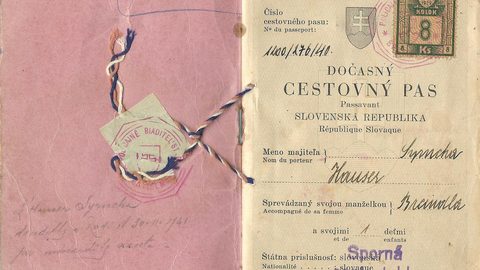 Italy Visa Requirements for Tourists and the Schengen Rules
Who needs a visa for Italy, who does not, and how the Schengen 90/180-day rule applies. A clear breakdown of entry requirements for tourists.
Italy Visa Requirements for Tourists and the Schengen Rules
Who needs a visa for Italy, who does not, and how the Schengen 90/180-day rule applies. A clear breakdown of entry requirements for tourists.
-
 Cash or Card in Italy, How You Will Actually Pay for Things
How to pay for things in Italy: when to use cash, when cards work, and what the coperto and tourist tax add to every bill.
Cash or Card in Italy, How You Will Actually Pay for Things
How to pay for things in Italy: when to use cash, when cards work, and what the coperto and tourist tax add to every bill.
-
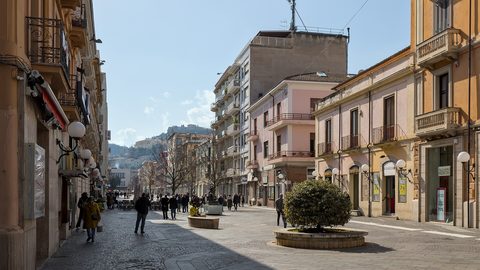 Is Italy Safe, Reading the Advice Without Being Misled by It
Is Italy safe? The real risks for tourists, stripped of exaggeration: pickpocketing on the Rome Metro, bracelet scams in Milan, and how to handle them.
Is Italy Safe, Reading the Advice Without Being Misled by It
Is Italy safe? The real risks for tourists, stripped of exaggeration: pickpocketing on the Rome Metro, bracelet scams in Milan, and how to handle them.
-
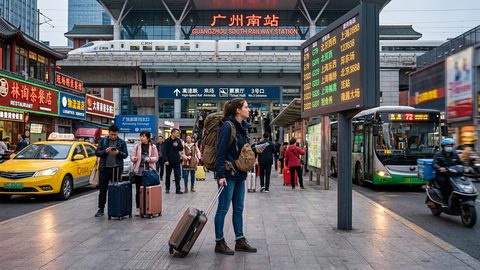 A Ground-Level Logistics Guide to Independent Travel in China
First-time independent travel in China: what you need to know about visas, rail booking, eSIMs, mobile payments, and power adapters.
A Ground-Level Logistics Guide to Independent Travel in China
First-time independent travel in China: what you need to know about visas, rail booking, eSIMs, mobile payments, and power adapters.
-
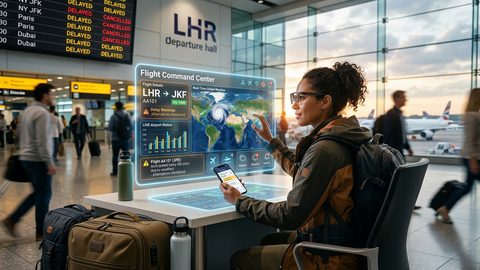 How Solo Travelers Stay Ahead of Flight Delays and Cancellations
How solo travelers can track inbound aircraft, claim rebooking rights, and adjust ground transport when flights go wrong — step by step.
How Solo Travelers Stay Ahead of Flight Delays and Cancellations
How solo travelers can track inbound aircraft, claim rebooking rights, and adjust ground transport when flights go wrong — step by step.
-
 Why Your eSIM Might Not Work Abroad and How to Check Before You Go
Buying an eSIM doesn't guarantee signal abroad. Learn why coverage fails by location and how to verify reach before you commit to a plan.
Why Your eSIM Might Not Work Abroad and How to Check Before You Go
Buying an eSIM doesn't guarantee signal abroad. Learn why coverage fails by location and how to verify reach before you commit to a plan.