Understanding If Italy Is Safe for Tourists Right Now
Is Italy safe? The real risks for tourists, stripped of exaggeration: pickpocketing on the Rome Metro, bracelet scams in Milan, and how to handle them.
Safety in Italy
You are standing in the Rome Metro at Termini, your bag zipped across your chest, and a man in a good shirt brushes past you to reach the pole. You check your pocket. Your phone is still there. That moment, the one where you are alert without being afraid, is the correct state for a tourist in Italy. Italy is safe for tourists. Violent crime against visitors is rare. The risks that exist are petty, predictable, and avoidable. Here is the real picture without the scare language, so you walk through Termini, or around the Trevi Fountain, or past the Duomo in Milan, and you know exactly what to watch for and what to ignore.
Italy Pickpocketing Rome Metro: Where it Happens and How to Stop it
Pickpocketing is the single most common crime affecting tourists in Italy, and the Rome Metro is its capital. Line A from Termini to the Vatican, line B to the Colosseum, and every crowded platform at Termini station itself are the primary zones. The method is unchanged for decades: one thief distracts while another lifts a wallet, phone, or passport from an unzipped bag or back pocket.
Carry a crossbody bag with the zipper against your body, not hanging behind you. Keep your phone in a front pocket or inside your jacket. Do not leave your bag on the floor between your feet on the train; hold it on your lap or between your legs. Do not stop in the middle of the platform to check your phone. Keep moving to the exit. The moment you stop, you become a target.
Other Pickpocketing Hotspots
Milan Centrale station, Florence Santa Maria Novella station, and Naples Circumvesuviana trains are repeat offenders. On the water, Venice vaporetto lines 1 and 2, particularly in the crush near St Mark's Basilica or the Rialto Bridge stops, are where bags are opened without you noticing. Keep your valuables in front of you, not on your back, and never in a bag you cannot see.

Italy Scam Bracelet Milan: What the Bracelet Scam Looks Like
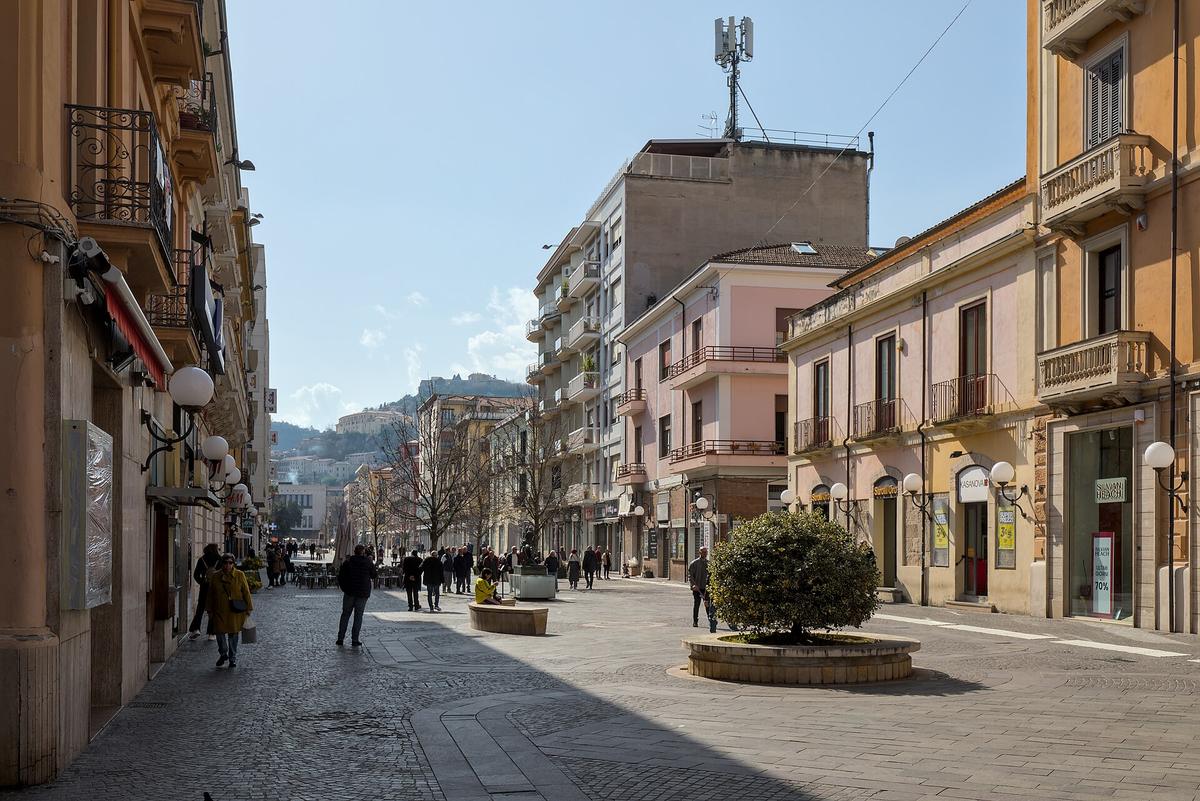
You are walking through the piazza around the Milan Duomo and a friendly person steps into your path with a woven bracelet. Before you can say no, they have tied it around your wrist. Then they demand payment and will follow you for a block if you refuse. This is the bracelet scam, and it operates in plain sight at every major tourist site in Milan, around the Duomo rooftop exit and the Galleria Vittorio Emanuele II entrance.
Do not stop. Do not make eye contact. Do not let them touch your hand. A firm, loud, repeated "No" in any language works. If the bracelet is already on your wrist, do not pull out your wallet to pay. Walk away while untangling or cutting it off. The scammers rely on your politeness. Your politeness is the vulnerability. The second person who ties a bracelet to your wrist is not counting on your anger; they are counting on your embarrassment. Ignore it.
Other Common Scams
The petition signer approach works the same way: a person with a clipboard asks you to sign, and while you lean in, their partner works your bag. Fake police officers showing a badge and asking for your wallet are another variant. Real Italian police, Polizia di Stato or Carabinieri, do not conduct random checks on tourists in the street. If approached, say you will walk to the nearest police station. Unofficial taxi drivers at airports and stations, notably at Rome Fiumicino and Milan Malpensa, charge inflated fares. Use the official taxi queue or the Leonardo Express train to Termini; ticket prices are set by Trenitalia and posted on their website.
Italy Emergency Number 112: the Only Number You Need
Dial 112 for police, ambulance, or fire anywhere in Italy. It is the single European emergency number and works from any phone, even without a SIM card or credit. Operators speak English in all major tourist areas. Do not dial old national numbers; 112 is faster and the only one you need.
Roadside and Mountain Rescue
For roadside assistance, call ACI (Automobile Club d'Italia) at 803 116 from an Italian phone or +39 800 116 800 from a foreign mobile. If you are in the mountains and need helicopter rescue in the Dolomites or Alps, dial 112. Helicopter rescue is free for life-threatening emergencies in most regions. Non-urgent extraction may carry a fee. Carry your travel insurance details, including your policy number and the insurer's 24-hour line.
Pharmacies and Medical Help
For non-emergency care, find a farmacia (green cross sign). The pharmacy rota for night and Sunday service is posted on the door of every pharmacy and online. Emergency contraception is available without prescription for anyone over 18. Under 18 requires a prescription.
| Service | Number | Notes |
|---|---|---|
| Police, ambulance, fire | 112 | English spoken; works from any phone |
| Roadside assistance (ACI) | 803 116 (Italian phone) / +39 800 116 800 (foreign phone) | Available 24 hours |
| Police (Carabinieri) | 112 | Same number as above |
| Non-emergency pharmacy finder | Farmacia app or municipal website | Check rota for Sunday/night hours |
| Travel insurance helpline | Provided by your insurer | File this number before departure |
Italy Safe Neighbourhoods: Where to Stay and Where to Be Careful
Every major city in Italy has safe neighbourhoods for tourists, and the bad areas are almost never the ones tourists walk through. In Rome, the Centro Storico, Trastevere, and the area around the Vatican are safe at all hours. The Termini station area, specifically the streets immediately east of the station around Via Giolitti, is less polished and can feel sketchy after dark. Violent incidents are rare. Milan's Brera district is polished and safe. The area around Centrale station is fine during the day but less pleasant at night, especially the side streets near the station's eastern exit. Florence's Centro is compact, walkable, and safe. Santa Maria Novella station and the streets directly north of it attract pickpockets and rough sleepers. Venice is the safest of all. The car-free canal maze means there is almost no street crime beyond pickpocketing on the vaporettos.
ZTL Zones and Driving
For travellers who drive, the risk is not neighbourhood crime but ZTL zones. Every historic centre in Italy, from Rome to a hill town in Tuscany, is protected by camera-enforced restricted traffic zones. Driving into one triggers a fine that arrives by post months later, often from a rental car agency that charges an admin fee on top. Do not drive into any area marked by a sign reading "Zona a Traffico Limitato". If your accommodation is inside a ZTL, ask the hotel for the access code or number plate registration before you arrive.

What the Government Advisories Actually Say
The UK Foreign, Commonwealth and Development Office (FCDO), the US Department of State, the Government of Canada, the Australian Department of Foreign Affairs and Trade, and the New Zealand Ministry of Foreign Affairs and Trade all issue travel advisories for Italy. Every single one lists terrorism as a general risk, because every European country does. Every single one flags petty crime as the primary concern. None issue a warning against travel. Read them once to satisfy your insurance requirements, then put them away. The real-world risk for a tourist is losing a phone on the Rome Metro or paying for a bracelet you did not ask for, not anything on an advisory warning level.
Driving Risks and Legal Details
If you rent a car in Italy, you are more likely to generate a problem than to encounter one. The ZTL zones in nearly every historic centre issue fines automatically by camera, and the rental agency charges an admin fee on top. The drink-driving limit is 0.5 g/L for all drivers, and 0.0 g/L for drivers under 21, newly licensed in the first three years, and professional drivers. Seatbelts are mandatory in front and rear seats. Mobile phone use while driving is prohibited unless you have a hands-free system. Speed limits are 50 km/h in urban areas, 90 km/h on secondary extra-urban roads, 110 km/h on main extra-urban roads, and 130 km/h on motorways (110 km/h in wet conditions). Winter tyres or snow chains are mandatory on designated roads from 15 November to 15 April, varying by region and altitude. Fines from speed cameras and ZTL cameras arrive by post months later. Pay them promptly or the rental company will charge you.
The One Thing That Most Often Goes Wrong
Not a pickpocket, not a scam, not a ZTL fine. The most common failure is overconfidence about tickets: showing up at the Colosseum, the Uffizi, or the Vatican Museums without a booking and expecting to walk in. You will not. Timed-entry tickets for those sights must be booked days ahead in high season, and weeks ahead for the Last Supper. The failure case is a day spent queueing for a ticket that is already sold out. Fix it before you leave home. Open the official ticket site for each sight you want to see, check availability for your dates, and book. That is the single most practical thing you can do next.
Common Questions
Is Italy safe for solo female travellers?
Yes. Italy is safe for solo female travellers in the same way it is safe for anyone: violent crime is rare. The main risks are street harassment, which is more common in southern cities like Naples and less so in northern cities like Milan, and petty theft. Stay in well-lit central neighbourhoods, avoid empty side streets after midnight, and keep your phone charged.
Is tap water safe to drink in Italy?
Yes, everywhere unless a sign says "acqua non potabile". Rome's nasoni fountains flow with free, potable drinking water. Carry a reusable bottle and fill it at any fountain. Restaurants will not serve tap water; bottled water is standard, available as naturale (still) or frizzante (sparkling).
Do I need to book tickets in advance for major sights?
Yes, and skipping this is the most common mistake. The Colosseum, Uffizi, Accademia, Vatican Museums, and the Last Supper in Milan all require timed-entry tickets booked days or weeks ahead. Walking up without a booking in high season means no entry. Book the general admission ticket, not a third-party bundle.
What is the dress code for churches in Italy?
Shoulders and knees must be covered for entry to St Peter's Basilica, St Mark's Basilica, and most major churches. Carry a scarf or light jacket to cover up. Men in shorts above the knee may be turned away at St Peter's.
How do I validate a regional train ticket?
Regional tickets bought on paper must be validated in the green machines on the platform before boarding. High-speed tickets (Frecciarossa, Italo) do not need validation; they are tied to a seat reservation. Failure to validate a regional ticket can result in a fine set by the rail operator, even if you just forgot.
What is the tipping custom in Italy?
A service charge called coperto is often included in the bill. Additional tipping is not expected; rounding up the bill by a euro or two is common but not required. Do not feel pressured to tip 15 or 20 percent.
Is Italy safe for LGBTQ+ travellers?
Yes. Same-sex sexual activity is legal, and civil unions are recognised. In major cities like Rome, Milan, and Florence, public displays of affection are accepted. In smaller towns and southern regions, attitudes can be more conservative. There is no constitutional protection against discrimination based on sexual orientation, but incidents of violence against LGBTQ+ travellers are rare.
Read next
-
 Staying Connected in Italy With eSIM, Local SIM or Roaming
eSIM, local SIM, or roaming: which keeps you connected across Italy's cities, hill towns, and coastal dead zones, and what each path actually requires.
Staying Connected in Italy With eSIM, Local SIM or Roaming
eSIM, local SIM, or roaming: which keeps you connected across Italy's cities, hill towns, and coastal dead zones, and what each path actually requires.
-
 Best Time to Visit Italy and What Each Season Actually Delivers
When to go to Italy and what each season actually delivers: weather, crowds, closures, and the dates that spike hotel prices.
Best Time to Visit Italy and What Each Season Actually Delivers
When to go to Italy and what each season actually delivers: weather, crowds, closures, and the dates that spike hotel prices.
-
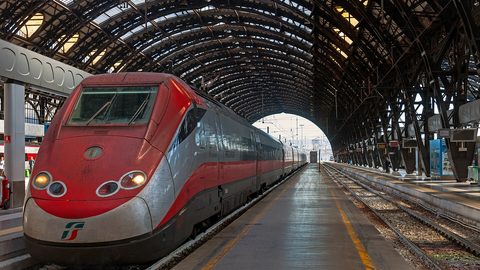 Getting Around Italy by Train, Car and Ferry Without the Common Mistakes
How to move around Italy by train, car, and ferry, and what the map oversells. The real friction points of Italian transport.
Getting Around Italy by Train, Car and Ferry Without the Common Mistakes
How to move around Italy by train, car, and ferry, and what the map oversells. The real friction points of Italian transport.
-
 Italy Visa Requirements for Tourists and the Schengen Rules
Who needs a visa for Italy, who does not, and how the Schengen 90/180-day rule applies. A clear breakdown of entry requirements for tourists.
Italy Visa Requirements for Tourists and the Schengen Rules
Who needs a visa for Italy, who does not, and how the Schengen 90/180-day rule applies. A clear breakdown of entry requirements for tourists.
-
 Cash or Card in Italy, How You Will Actually Pay for Things
How to pay for things in Italy: when to use cash, when cards work, and what the coperto and tourist tax add to every bill.
Cash or Card in Italy, How You Will Actually Pay for Things
How to pay for things in Italy: when to use cash, when cards work, and what the coperto and tourist tax add to every bill.
-
 What a Trip to Italy Actually Costs and Where the Money Goes
How money flows through an Italy trip: the fixed costs, the seasonal surges, and the everyday spending rhythms that shape your budget.
What a Trip to Italy Actually Costs and Where the Money Goes
How money flows through an Italy trip: the fixed costs, the seasonal surges, and the everyday spending rhythms that shape your budget.
-
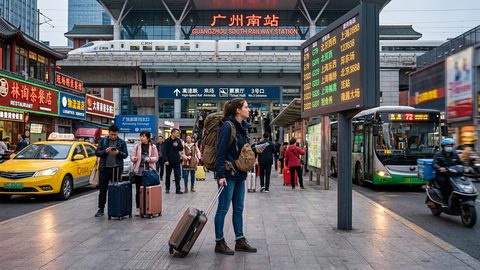 A Ground-Level Logistics Guide to Independent Travel in China
First-time independent travel in China: what you need to know about visas, rail booking, eSIMs, mobile payments, and power adapters.
A Ground-Level Logistics Guide to Independent Travel in China
First-time independent travel in China: what you need to know about visas, rail booking, eSIMs, mobile payments, and power adapters.
-
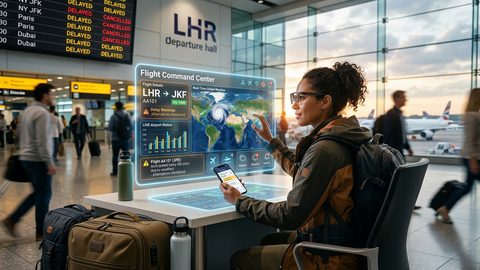 How Solo Travelers Stay Ahead of Flight Delays and Cancellations
How solo travelers can track inbound aircraft, claim rebooking rights, and adjust ground transport when flights go wrong — step by step.
How Solo Travelers Stay Ahead of Flight Delays and Cancellations
How solo travelers can track inbound aircraft, claim rebooking rights, and adjust ground transport when flights go wrong — step by step.
-
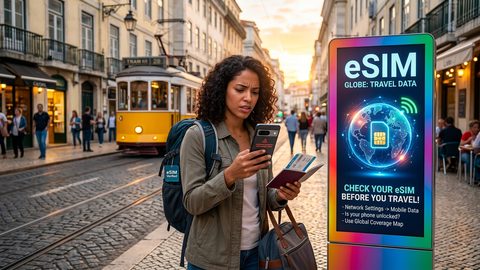 Why Your eSIM Might Not Work Abroad and How to Check Before You Go
Buying an eSIM doesn't guarantee signal abroad. Learn why coverage fails by location and how to verify reach before you commit to a plan.
Why Your eSIM Might Not Work Abroad and How to Check Before You Go
Buying an eSIM doesn't guarantee signal abroad. Learn why coverage fails by location and how to verify reach before you commit to a plan.