When to Go to Finland and What Each Season Actually Delivers
Finland's seasons are defined by light and ground conditions, not just temperature. This page explains each season honestly, including the November window to avoid.
When to Go to Finland and What Each Season Actually Delivers
In northern Finland in late March, the snow is so dry it squeaks under your boots. The sun sits above the horizon for 13 hours already, and the reindeer wait at the same crossing points they have used for centuries. This is what the best time to visit Finland depends on: not average temperatures, but what the light and ground are actually doing. Every season delivers a radically different country. The wrong one means sitting in a grey city with nothing open and slush up to your ankles.
Finland Seasons Guide: the Four Light States
Finland has four distinct seasons, but the calendar shifts by four to six weeks between the south coast and the far north. What matters more than the month is the latitude. The driving factor across all regions is daylight and snow cover, not the mercury.
Southern Coast: Uusimaa and Turku Archipelago
Winter lasts December to March. Snow cover on the south coast averages only 30 to 60 days, so early winter is often bare ground. Spring arrives in April with rapid snowmelt and dry ground by May. Summer runs June to August with warm temperatures and long daylight, though never truly hot. Autumn is cool and wet, with ruska foliage colour from late September to early October.
Lakeland: Tampere, Savonlinna, Jyväskylä
Winter brings reliable snow cover and frozen lakes. Lake ice in central Finland lasts from November to May. Spring means ice breakup on the lakes in April and May. Book a lakeside cottage for July if you want to swim; the water is at its warmest then. Autumn delivers cool mornings, mist on the lake surface, and the best mushroom foraging.
Lapland Above the Arctic Circle
Winter has reliable deep snow, polar night, and temperatures that stay below freezing for months. Spring snow persists into May, offering excellent crust skiing. Summer brings midnight sun with zero astronomical darkness from late May to late July. Autumn ruska starts in early September, often followed by the first snowfall in October.
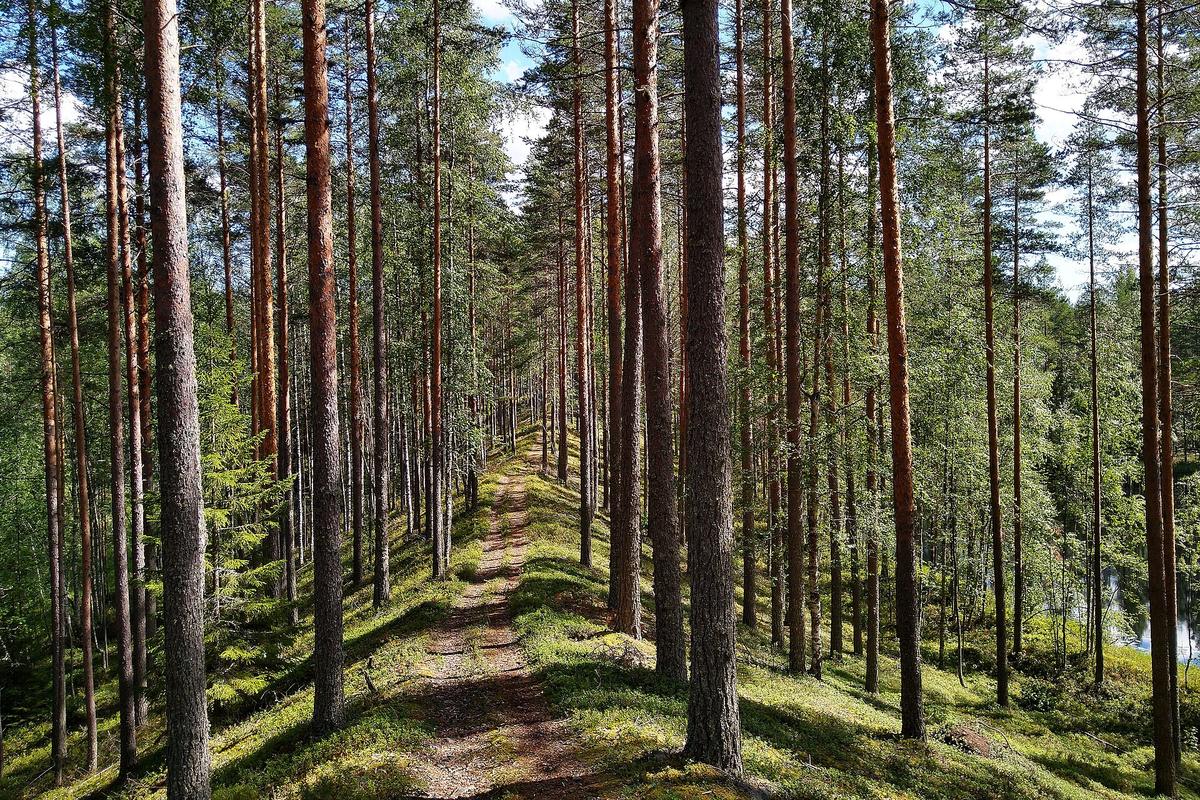

Finland Midnight Sun Months: Where the Sun Does Not Set
The midnight sun is real only north of the Arctic Circle. At Utsjoki, the sun stays above the horizon for 51 consecutive days, from mid May to late July. South of the Arctic Circle, including Rovaniemi, you get "white nights" with true darkness never arriving but the sun still dipping briefly below the horizon. Helsinki in June gets roughly 19 hours of daylight, with the rest being civil twilight. You can read a newspaper outdoors at midnight. Hike at 11 pm. Fish at 2 am. Sleep when your body finally gives out.
| Season | Southern Finland | Lapland |
|---|---|---|
| Midnight sun | White nights, no true darkness (June July) | 51 days of 24 hour sun (Utsjoki) |
| Polar night | 6 hours daylight at solstice | 51 days of no sun (Utsjoki) |
| Snow cover | 30 to 60 days | 180 to 200 days |
| Lake ice | December to April | October to June |
| Ruska foliage | Late September to early October | Early September |
| Mosquito peak | Mid June to late July | Mid June to early August |
| Northern Lights | September October and February March | Late August to early April |
Lapland Aurora Season: When to Actually See the Lights
The northern lights are visible statistically from late August to early April across Finland, but probability increases with latitude. The peak months are September and October, and February and March. This is the equinox effect: geomagnetic activity is higher in spring and autumn. Many travellers book December and January, when the polar night provides the darkest skies. The problem is that cloud cover in the far north is worst in November and December. September and October offer clearer skies, and the hiking trails are still open before deep winter sets in. February and March offer reliable cold, deep snow, and better odds of clear nights than the polar night period.
Finland November Travel Warning: the Grey Slush Window
Early November to mid December is the easiest season to get wrong. The south coast has no snow cover, wet ground, and roughly six hours of grey daylight. The sun stays low and weak. The reliable snow base in the far north has often not yet formed, so the landscape sits in a brown and grey limbo with muddy patches. Cross country ski trails are not open. Husky sled tours and snowmobile trips are cancelled or rerouted on artificial snow. If you book the far north in November expecting a winter wonderland, you arrive in a construction site. The exception is if you come specifically for the Christmas markets in Helsinki and Turku in December, when the city centres dress up for the season, but even then the weather is wet, not snowy. Skip the far north trip entirely in November. If you must travel then, stick to Helsinki, Turku, and the Christmas markets, and budget for indoor activities.
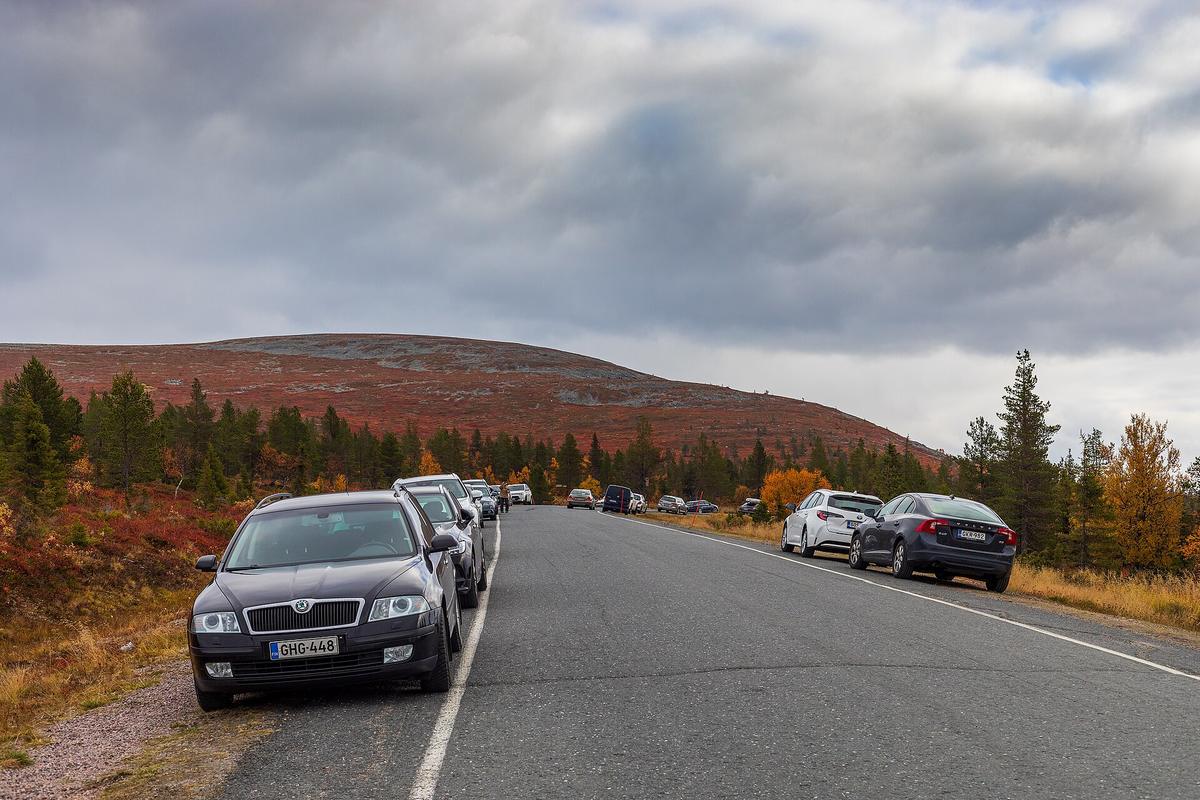

Mosquito Season, Autumn Ruska, and What Each Window Delivers
Mosquitoes and biting flies in the far north and Lakeland from mid June to late July are dense enough to make head nets essential on hikes. The density drops sharply by early August. City travellers in Helsinki, Turku, and the archipelago see negligible mosquitoes. Coastal areas have wind that keeps the insects away. The ruska autumn foliage peaks in the far north in early September, central Finland in mid September, and the south coast in late September to early October. The colour lasts two to three weeks per region. September is also the start of aurora season, making it the only month where you can combine autumn hiking with the northern lights. The trade off is that many rural tourism businesses close between the summer and winter seasons in April May and September October. Check business hours before you book a remote cabin in April or October.
Juhannus Weekend Closures
Juhannus, the Midsummer celebration in late June, sees Helsinki and most cities empty out. Shops close. Restaurants shut down. Many hotels run reduced services. If you arrive for Juhannus without a private invitation to a summer cottage, you end up in a semi deserted city with nothing open. Plan around it: arrive after the weekend or book a cottage well in advance through a local rental platform.
Finland is Best for Self Sufficient Travellers Who Think in Distances, Not Minutes
Finland suits self sufficient road trippers and wilderness hikers, national park baggers, sauna purists, design and architecture enthusiasts, and aurora chasers who can handle deep cold. The luxury here is space and silence, not service. It does NOT suit travellers seeking urban energy, spontaneous nightlife, or cheap street food. Skip Finland if you need constant external stimulation or want a budget beach and bar European break. The most common mistake is underestimating distances: booking a Helsinki only trip with a single rushed overnight train to the far north, spending two of four nights in transit and seeing neither the south nor the north properly. Minimum seven days. Anything less forces a rushed Helsinki only trip that misses the defining lakes, forests, and sauna culture.
Common Questions
What is the best month to visit Finland for the northern lights?
September and October, and February and March. The equinox effect raises geomagnetic activity in spring and autumn. September offers clearer skies than the polar night period. February and March offer reliable cold, deep snow, and better odds of clear nights.
When should I avoid visiting Finland?
Early November to mid December. Southern Finland is dark, wet, and grey with no snow cover. The far north often has not formed its reliable snow base yet, leaving the landscape in a slushy brown and grey limbo. Many winter activities are not operational.
Can I see the midnight sun in Helsinki?
No. The midnight sun only occurs north of the Arctic Circle. Helsinki experiences "white nights" in June and July with roughly 19 hours of direct daylight and the rest being civil twilight, but the sun still sets briefly below the horizon.
How bad are mosquitoes in Finland?
Bad in the far north and Lakeland from mid June to late July. Head nets are essential on hikes. City travellers in Helsinki, Turku, and the archipelago see negligible mosquitoes. Coastal areas have wind that keeps insects away. The density drops sharply by early August.
Is it worth visiting Lapland in November?
No. The reliable snow base has often not formed yet, so winter activities like husky sled tours and snowmobile trips are cancelled or run on artificial snow. The landscape sits in a grey brown limbo. Stick to Helsinki and Turku for Christmas markets instead.
Read next
-
 Staying connected in Finland with eSIM, local SIM or roaming
Finland has blanket 4G and 5G signal even on remote Lapland fells. The question is not whether you will get a connection but whether you want to pay roaming r
Staying connected in Finland with eSIM, local SIM or roaming
Finland has blanket 4G and 5G signal even on remote Lapland fells. The question is not whether you will get a connection but whether you want to pay roaming r
-
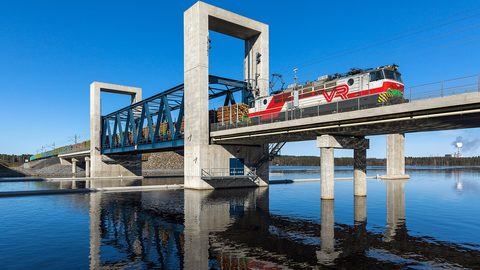 Getting Around Finland, VR Trains, Matkahuolto Buses and the Gaps
Finland's long-distance network splits between VR trains and Matkahuolto buses with no integrated ticket. This page explains the connections and the gaps.
Getting Around Finland, VR Trains, Matkahuolto Buses and the Gaps
Finland's long-distance network splits between VR trains and Matkahuolto buses with no integrated ticket. This page explains the connections and the gaps.
-
 Finland Visa Requirements and the Schengen Application Process
Finland is part of the Schengen area. This page explains who needs a visa, how to apply through Migri, and what to expect at Helsinki-Vantaa border control.
Finland Visa Requirements and the Schengen Application Process
Finland is part of the Schengen area. This page explains who needs a visa, how to apply through Migri, and what to expect at Helsinki-Vantaa border control.
-
 Money in Finland, Cards, Euros and When You Still Need Coins
Finland runs on contactless cards and euros, but public toilets, locker rooms, and some rural services still need coins. Here is what actually works.
Money in Finland, Cards, Euros and When You Still Need Coins
Finland runs on contactless cards and euros, but public toilets, locker rooms, and some rural services still need coins. Here is what actually works.
-
 Is Finland Safe, Reading Travel Advice Without the Hype
Finland is safe from violent crime, but winter cold, icy streets, and remote Lapland trails pose real risks. This page focuses on what actually matters.
Is Finland Safe, Reading Travel Advice Without the Hype
Finland is safe from violent crime, but winter cold, icy streets, and remote Lapland trails pose real risks. This page focuses on what actually matters.
-
 What a trip to Finland really costs and how the money flows
Finland is expensive in ways that catch travellers off guard, from Alko alcohol rules to €2 public toilets, but the costs are predictable once you understand
What a trip to Finland really costs and how the money flows
Finland is expensive in ways that catch travellers off guard, from Alko alcohol rules to €2 public toilets, but the costs are predictable once you understand
-
 How Solo Travelers Stay Ahead of Flight Delays and Cancellations
How solo travelers can track inbound aircraft, claim rebooking rights, and adjust ground transport when flights go wrong — step by step.
How Solo Travelers Stay Ahead of Flight Delays and Cancellations
How solo travelers can track inbound aircraft, claim rebooking rights, and adjust ground transport when flights go wrong — step by step.
-
 Why Your eSIM Might Not Work Abroad and How to Check Before You Go
Buying an eSIM doesn't guarantee signal abroad. Learn why coverage fails by location and how to verify reach before you commit to a plan.
Why Your eSIM Might Not Work Abroad and How to Check Before You Go
Buying an eSIM doesn't guarantee signal abroad. Learn why coverage fails by location and how to verify reach before you commit to a plan.