Understanding Finland Safety for Tourists Without the Alarm
Finland is safe from violent crime, but winter cold, icy streets, and remote Lapland trails pose real risks. This page focuses on what actually matters.
Safety in Finland for Visitors
You step off the train in Helsinki in January and the cold hits like a door. The pavement is a sheet of grey ice. No one is worried about being robbed. Violent crime in Finland is statistically rare, but the real dangers are not what travel advisories highlight.
The risks are environmental. Hypothermia from underestimating winter cold. Slipping on icy streets. Getting lost on unmarked trails in the far north. Drowning in a cold lake after a sauna. The hazards that matter are cold, ice, distance, and water. Prepare for those and you can ignore the rest.
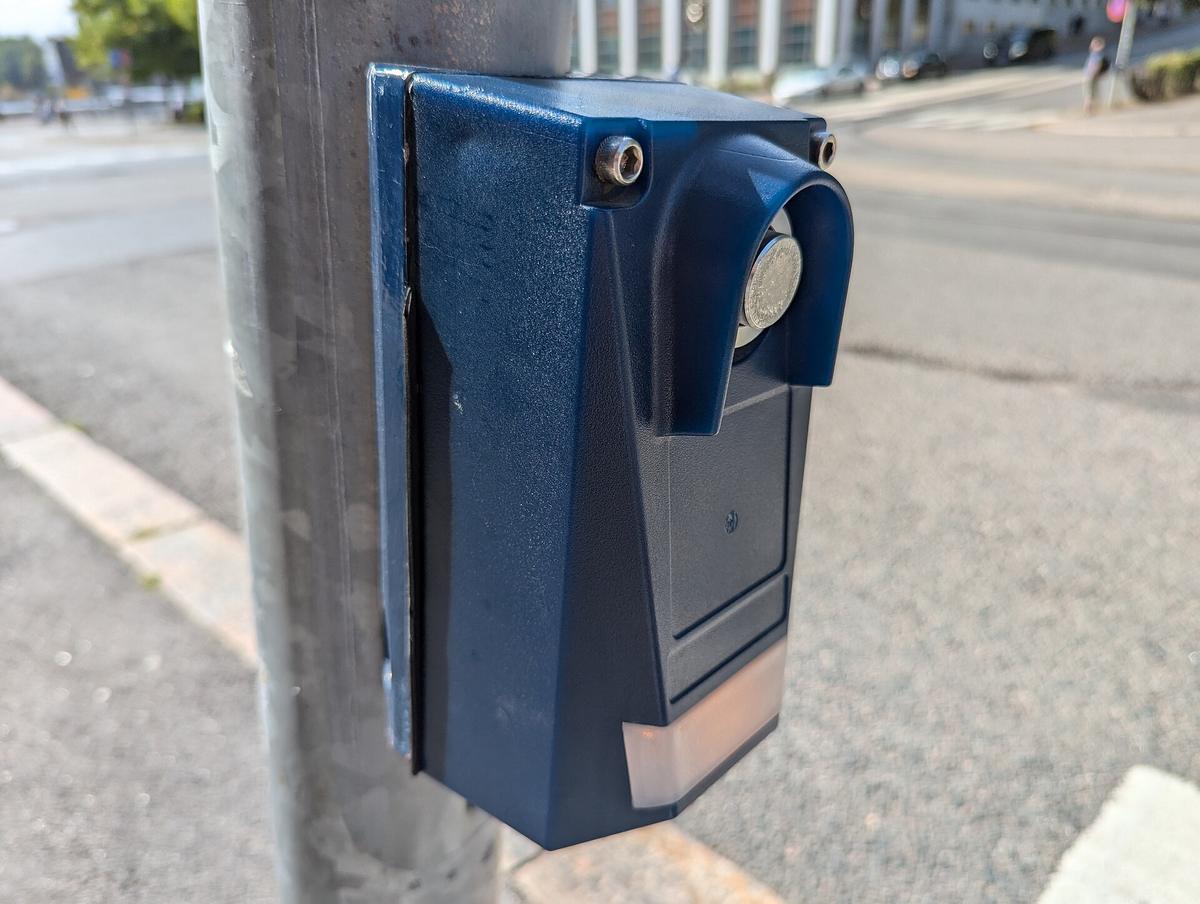

Finland Crime Rate Visitors Worry About is Nearly Irrelevant
Violent crime in Finland is among the lowest in Europe. Helsinki feels safe at 2am. The biggest property risk is a bicycle left unlocked. Petty theft happens at crowded summer festivals and on the Helsinki-Tallinn ferry, but pickpocketing is rare.
Police are trustworthy and approachable. Officers speak English. If you need assistance, call 112. For non urgent matters, the police non emergency number is 0295 419 800.
The Ministry for Foreign Affairs of Finland issues advisories for Finns travelling abroad, not for inbound visitors. Foreign governments publish their own warnings, and most rate Finland at the lowest risk level. Redirect the energy you would spend worrying about crime into practical precautions for the weather.
Winter Safety Finland Requires Real Preparation
Winter safety in Finland depends on one factor: the cold kills, not criminals. Hypothermia sets in faster than you expect. Air temperatures in Lapland drop to 30°C below zero. Even Helsinki sees 15°C below in January. Water temperatures in open lakes rarely exceed 20°C even in summer, which means a fall into water in winter is life threatening within minutes.
Dress For The Cold, Not The Look
Wear a windproof outer layer, a mid layer of wool or fleece, thermal base layers, a hat, gloves, and boots rated to at least 20°C below. Ski resorts sell decent gear but at a markup. Bring your own.
Icy Pavements Are The Daily Hazard
Locals in Helsinki and Tampere use studded shoe grips on icy pavements in winter. Buy a pair from any pharmacy or supermarket. Walk with short, flat footed steps. Emergency room visits from falls spike every January.
Sauna And Lake Swimming Risk
Sauna followed by a plunge into a frozen lake is a national ritual. The danger is not the cold itself but disorientation, loss of breath, and muscle failure. Stay within arm's reach of the ladder. Do not dive or jump into unknown water. Never swim alone after sauna.
Lapland Hiking Risks Are Real and Manageable
Hiking risks in the far north come from the landscape, not from wildlife. You can walk for three days in Urho Kekkonen National Park or Lemmenjoki National Park without seeing another person. The trails are often unmarked. Mobile coverage is extensive in the fells, so you can call 112 from most points, but you cannot rely on a signal in valley bottoms. The free 112 emergency app sends your location automatically.
Getting Lost In The Wilderness
Carry a paper map of the national park you are in. The right to roam (jokamiehenoikeus) permits camping on uncultivated land, but it does not permit open fires without landowner permission. Wildfire warnings, issued by the Finnish Meteorological Institute, are a three tier system: grassfire, wildfire, and severe wildfire. During a wildfire warning, open fires are prohibited except in designated covered shelters with a chimney.
What To Pack For A Day Hike
Take a head net for mosquitoes from mid June to late July, when the biting flies in the north and Lakeland are dense enough to make walking miserable without one. Bring a windproof jacket even in summer. Waterproof boots. A first aid kit. Food and water for the full day, because rural petrol stations and cafes close by 6pm.
Personal locator beacons are not required for most trails. Mobile coverage is blanket in southern and central Finland, and patchy only in remote northern fell areas.
Finland Emergency Number 112 is Your Only Number
The number 112 works for police, fire, ambulance, and rescue. It is free from any phone, even without a SIM card. Operators speak English. Download the 112 Finland app before you arrive so your location transmits automatically if you call.
Save these other numbers in your phone before you travel:
- Roadside assistance (Autoliitto): 0200 8080
- Poison Information Centre: 0800 147 111
- Police non emergency: 0295 419 800
Pharmacies And Healthcare
Pharmacies (apteekki) are the only place to buy prescription medicines. Over the counter medicines are sold at pharmacies and some supermarkets. English is widely spoken in pharmacies. The healthcare system is public and private. EU and EEA citizens with a European Health Insurance Card receive medically necessary care at the same cost as residents. UK citizens use a Global Health Insurance Card. Non EU visitors pay full cost unless covered by travel insurance. Buy travel insurance that covers medical evacuation and winter sports.
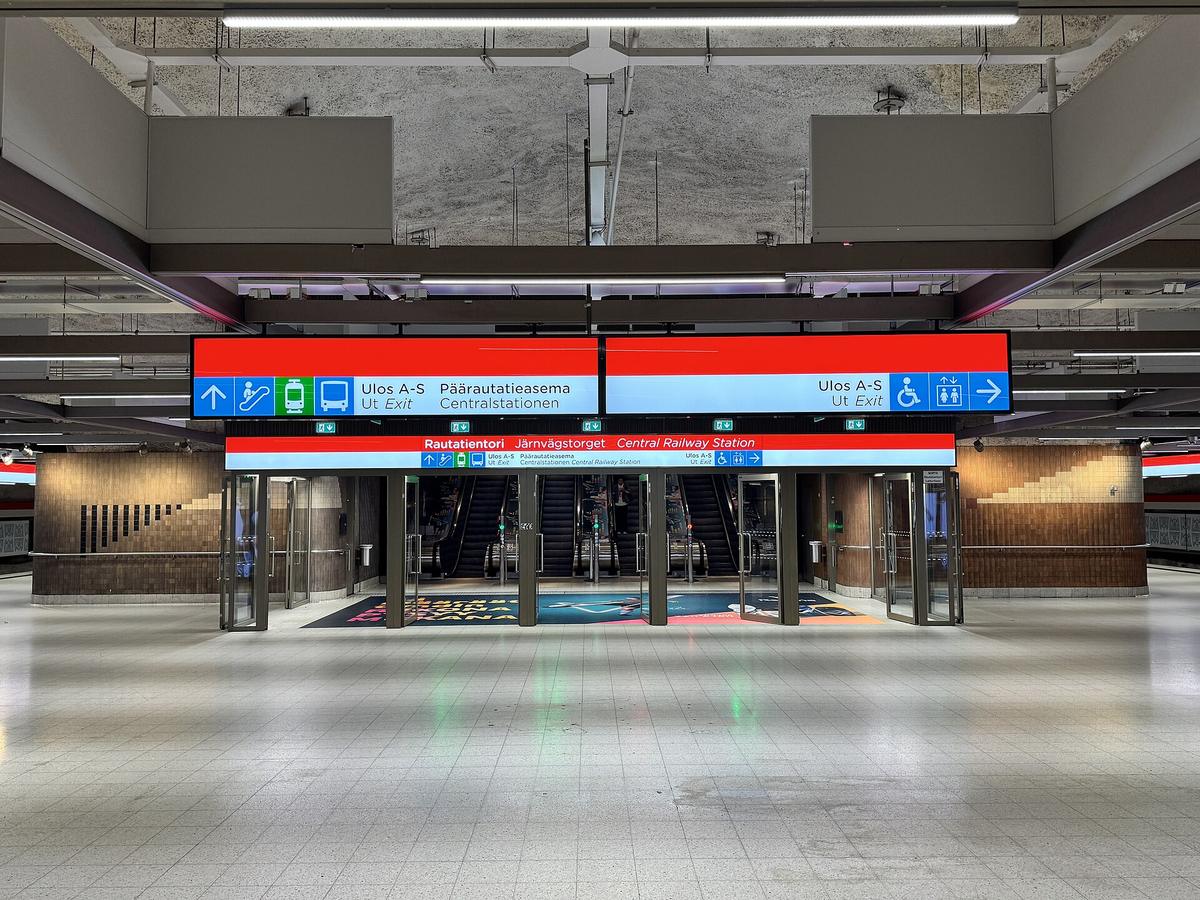
_metro_station_(Helsinki,_Finland)_platform_entrance_after_renovation_July_16,_2025.jpg)
| Service | Number | Notes |
|---|---|---|
| Emergency (Police, Fire, Ambulance) | 112 | Free, works without SIM card |
| Police Non Emergency | 0295 419 800 | For non urgent matters |
| Roadside Assistance (Autoliitto) | 0200 8080 | Car breakdowns and accidents |
| Poison Information Centre | 0800 147 111 | Free, 24 hours, English spoken |
Driving, Roads and Reindeer in Finland
Driving in Finland adds a layer of risk that walking does not. The blood alcohol limit for drivers is 0.5 g/l (0.05%), and aggravated drink driving kicks in at 1.2 g/l (0.12%). Finland enforces this. Mobile phone use while driving is prohibited unless you have a hands free device. Speed cameras are widespread and signposted in advance. They are not a joke.
Winter Driving Rules
Winter tyres are mandatory from 1 November to 31 March when conditions require. Studded tyres are permitted during that same window and outside it if the weather warrants. Daytime running lights are mandatory at all times when driving. Speed limits drop in winter: motorways are 100 km/h instead of 120 km/h.
Reindeer And Moose Collisions
Reindeer warning zones cover northern Lapland. Collisions can happen year round, but the peak is autumn and winter when reindeer gather near roads. Moose warning zones cover the entire country, with peak collision risk at dusk and dawn in autumn. Hit either and you are looking at serious vehicle damage and potential injury. Drive slowly at night, especially on rural roads. The speed limit on main rural roads is 100 km/h, and in built up areas 50 km/h, with 30 km/h in residential zones.
Water, Food and Health Risks
Tap water in Finland is safe to drink nationwide. The risk from wild berries and mushrooms is low if you can identify them correctly. The false morel (Gyromitra esculenta) requires specific parboiling preparation. Buy from markets instead.
Ticks And Lyme Disease
Lyme disease is present nationwide in tick habitats. No vaccine exists. Tick borne encephalitis risk areas include Åland, the Turku Archipelago, coastal areas near Helsinki, and parts of the Lakeland region. The tick borne encephalitis vaccination is recommended for extended outdoor stays in those areas. Check for ticks after hiking in tall grass or forest undergrowth.
Mosquito Season Is Brutal, Not Dangerous
Mosquitoes and blackflies are not a health risk but a comfort risk. The season runs June to August, with highest intensity in the north and near standing water. Head nets cost 5 EUR at supermarkets. Standing on a windy ridge keeps the insects away.
Alcohol Is Government Controlled
Alcohol above 5.5% ABV is sold only in state run Alko stores. Alko closes by 8pm on weekdays, 6pm on Saturdays, and is closed Sundays and public holidays. Supermarkets sell beer up to 8% ABV until 9pm. The cost of alcohol is high. Budget accordingly.
Common Questions
What is the emergency number in Finland?
The emergency number in Finland is 112. It works for police, fire, ambulance, and rescue. It is free from any phone, even without a SIM card. Download the 112 Finland app so your location is sent automatically.
Is Finland safe for solo female travellers?
Yes. Finland is safe for solo female travellers. Violent crime is rare. Public transport is reliable and safe at night. The main risks are environmental: cold, ice, and getting lost in remote areas. Take the same precautions you would anywhere else, but the statistical safety is high.
Do I need travel insurance for Finland?
Yes. EU/EEA citizens with a European Health Insurance Card get medically necessary public care at the same cost as residents. UK citizens with a Global Health Insurance Card are similarly covered. Non EU visitors pay full cost. Even if covered, travel insurance is essential for medical evacuation, winter sports, and lost or stolen equipment.
Is the water safe to drink in Finland?
Yes. Tap water in Finland is safe to drink nationwide. Bottled water is unnecessary. You can refill your bottle at any public tap.
What is the biggest danger for tourists in Finland?
Hypothermia from underestimating the cold. Winter air temperatures in Lapland reach 30°C below zero. Even Helsinki drops to 15°C below. Dress in layers, cover your head and hands, and know the signs of hypothermia: shivering, confusion, and loss of coordination.
Are there dangerous animals in Finland?
No dangerous predators pose a risk to hikers. Brown bears and wolves exist but avoid humans. The real wildlife risk is reindeer collisions while driving in northern Lapland. Moose collisions are a national hazard at dusk and dawn in autumn.
What should I do if I get lost on a Lapland hike?
Stop moving. Call 112. The 112 app sends your location automatically. Stay put unless you are sure of the route. Carry a paper map as a backup. Mobile coverage is extensive in the fells, but it is not guaranteed in every valley bottom.
Read next
-
 Staying connected in Finland with eSIM, local SIM or roaming
Finland has blanket 4G and 5G signal even on remote Lapland fells. The question is not whether you will get a connection but whether you want to pay roaming r
Staying connected in Finland with eSIM, local SIM or roaming
Finland has blanket 4G and 5G signal even on remote Lapland fells. The question is not whether you will get a connection but whether you want to pay roaming r
-
 Best Time to Visit Finland, Midnight Sun, Mosquitoes and the Grey Slush Window
Finland's seasons are defined by light and ground conditions, not just temperature. This page explains each season honestly, including the November window to avoid.
Best Time to Visit Finland, Midnight Sun, Mosquitoes and the Grey Slush Window
Finland's seasons are defined by light and ground conditions, not just temperature. This page explains each season honestly, including the November window to avoid.
-
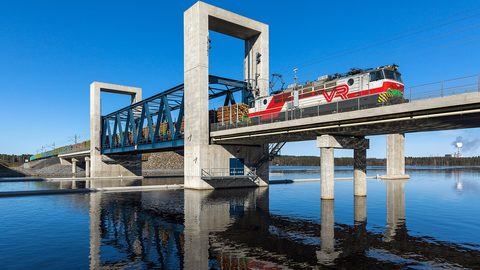 Getting Around Finland, VR Trains, Matkahuolto Buses and the Gaps
Finland's long-distance network splits between VR trains and Matkahuolto buses with no integrated ticket. This page explains the connections and the gaps.
Getting Around Finland, VR Trains, Matkahuolto Buses and the Gaps
Finland's long-distance network splits between VR trains and Matkahuolto buses with no integrated ticket. This page explains the connections and the gaps.
-
 Finland Visa Requirements and the Schengen Application Process
Finland is part of the Schengen area. This page explains who needs a visa, how to apply through Migri, and what to expect at Helsinki-Vantaa border control.
Finland Visa Requirements and the Schengen Application Process
Finland is part of the Schengen area. This page explains who needs a visa, how to apply through Migri, and what to expect at Helsinki-Vantaa border control.
-
 Money in Finland, Cards, Euros and When You Still Need Coins
Finland runs on contactless cards and euros, but public toilets, locker rooms, and some rural services still need coins. Here is what actually works.
Money in Finland, Cards, Euros and When You Still Need Coins
Finland runs on contactless cards and euros, but public toilets, locker rooms, and some rural services still need coins. Here is what actually works.
-
 What a trip to Finland really costs and how the money flows
Finland is expensive in ways that catch travellers off guard, from Alko alcohol rules to €2 public toilets, but the costs are predictable once you understand
What a trip to Finland really costs and how the money flows
Finland is expensive in ways that catch travellers off guard, from Alko alcohol rules to €2 public toilets, but the costs are predictable once you understand
-
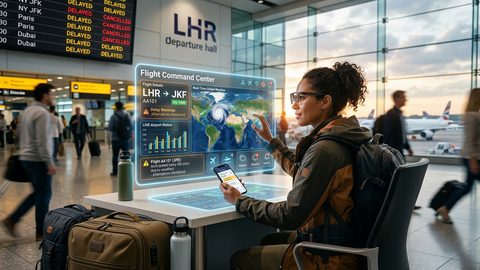 How Solo Travelers Stay Ahead of Flight Delays and Cancellations
How solo travelers can track inbound aircraft, claim rebooking rights, and adjust ground transport when flights go wrong — step by step.
How Solo Travelers Stay Ahead of Flight Delays and Cancellations
How solo travelers can track inbound aircraft, claim rebooking rights, and adjust ground transport when flights go wrong — step by step.
-
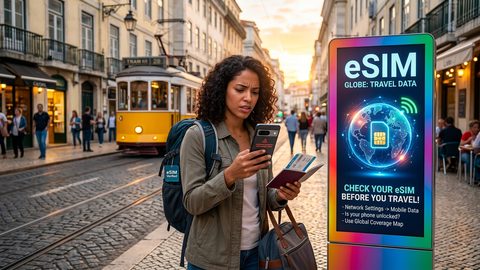 Why Your eSIM Might Not Work Abroad and How to Check Before You Go
Buying an eSIM doesn't guarantee signal abroad. Learn why coverage fails by location and how to verify reach before you commit to a plan.
Why Your eSIM Might Not Work Abroad and How to Check Before You Go
Buying an eSIM doesn't guarantee signal abroad. Learn why coverage fails by location and how to verify reach before you commit to a plan.