A Realistic Finland Trip Cost Breakdown You Can Plan Around
Finland is expensive in ways that catch travellers off guard, from Alko alcohol rules to €2 public toilets, but the costs are predictable once you understand
The Shape of Your Finland Budget, Not Just the Numbers
Most first-time visitors expect Finland to be expensive. That is not wrong, but it misses the point. The real surprise is not the total cost. It is where the money flows. A week follows a repeating curve: big fixed hits for accommodation and long-distance transport, then small daily shocks from dining out and drinking, offset by stretches where you spend almost nothing because you are hiking, swimming, or cooking in a cabin. A genuine Finland trip cost breakdown does not give you one number. It shows you the rhythm of your own spending and how to change it.
How Expensive is Finland? the Curve, Not the Average
Finland is not uniformly expensive. The cost curve rises and falls sharply depending on where you eat, what you drink, and how you sleep. Accommodation is the largest line item. The gap between Helsinki and rural Lapland is moderate compared with many European countries. A private cabin in Lakeland in shoulder season can cost less than a hostel dorm in Oslo. The second largest line item is domestic transport. Long distances force you onto VR trains or internal flights. Overnight sleeper cabins from Helsinki to Lapland book out months ahead for peak winter and summer dates.
The daily shocks are drinking, dining out, and the small fees that add up fast. Anything above 5.5 percent ABV is sold only in state-run Alko stores, and the excise duty is high. A glass of wine with dinner can double the bill. Eating out in Finland, especially dinner with any drink, runs higher than in most of mainland Europe. Then there is the toilet fee at rest stops and stations. Free public toilets are rare outside shopping centres. Over a week those charges skim a noticeable sum off your wallet without you noticing.
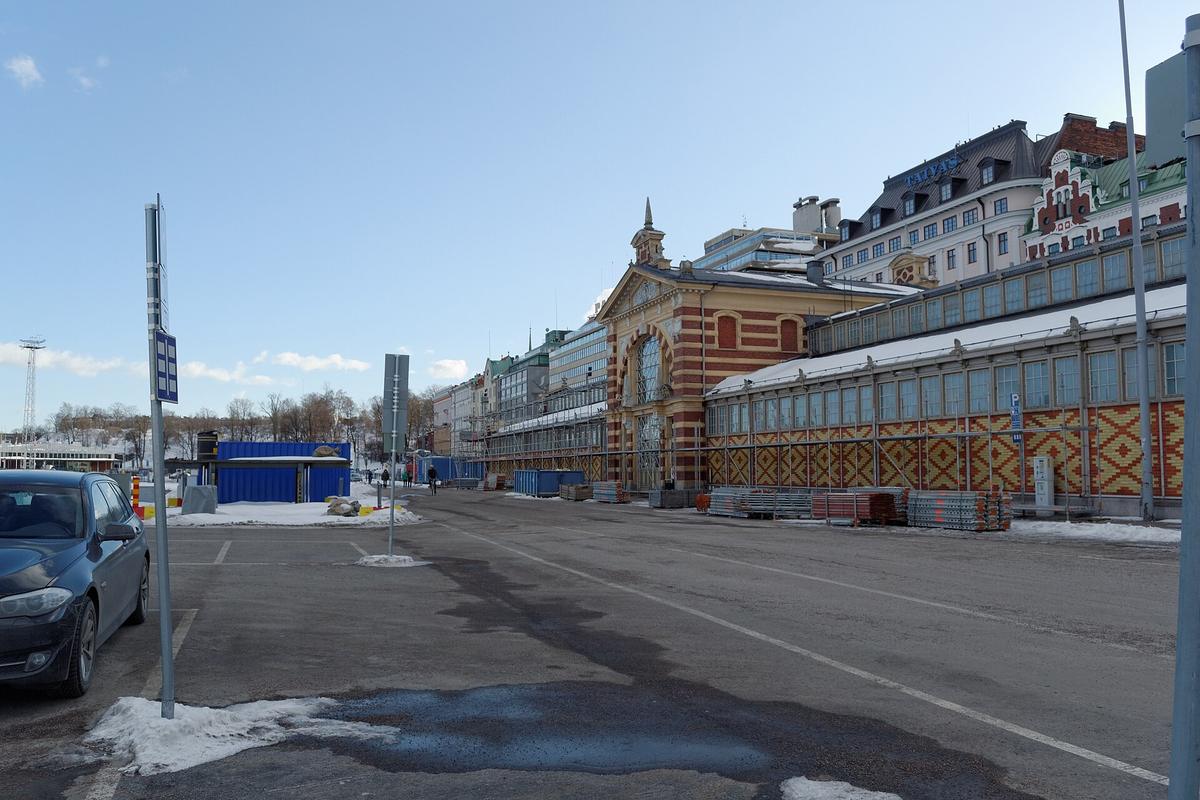

Finland Daily Budget: the Weeklong Shape
How The Week Unfolds
A seven-day trip, the minimum recommended, follows a predictable cost curve. Days one and two in Helsinki hit hard: hotel near the city centre, dinner out, a glass of wine, maybe a ferry to Suomenlinna included in your HSL pass. Days three and four drop sharply if you move into Lakeland and self-cater. A cabin with a kitchen changes everything. Days five and six in Lapland lift again: guided husky safari, snowmobile tour, reindeer dinner, an Alko run before the store closes at 20:00 on a weekday. Day seven coasts on leftovers and a lunch buffet at a university cafeteria open to the public.
The trick is to front-load the expensive days and let the cheap ones breathe. Do not eat out three meals a day. Lunch buffets (lounas) on weekdays are the best-value meal in Finland: a plate of lohikeitto, bread, salad, and coffee for a fixed weekday price. Self-catering from Prisma or K Market cuts food costs to a third of eating out. Tap water is potable everywhere and free. A reusable bottle saves you money every fill.
Alko Alcohol Prices Finland and How to Drink for Less
Drinking is where budgeting in Finland breaks for most travellers. A beer below 8 percent ABV is in supermarkets until 21:00. Anything stronger requires an Alko trip. Alko is open 09:00 to 20:00 on weekdays, 09:00 to 18:00 on Saturdays, and closed Sundays. Miss the window and you are stuck with supermarket beer until Monday morning.
A bottle of table wine in Alko starts at the bottom of a band set by state pricing and rises steeply from there. The same wine in a restaurant costs multiples more. The arithmetic is brutal. If you drink, buy your bottles in Alko and drink at your cabin or hotel room. A mid-range dinner without alcohol runs at the lower end of the evening price band. Add two glasses of wine and that same meal doubles. The failure case: arriving in a small Lapland town on a Sunday evening wanting a bottle of spirits. Every Alko in the country is closed. Your options are supermarket beer or a bar pour at restaurant markup. Check Alko opening hours before you travel and plan your shop.
Finland Restaurant Costs and How to Beat Them
When and Where to Eat
Eating out in Finland varies wildly by meal and time. The cheapest sit-down meal is the weekday lunch buffet, served roughly 11:00 to 14:00. Lounas includes a hot main, salad, bread, and coffee. It is the same food the kitchen would serve at dinner for twice the price. Dinner à la carte in a casual spot runs at the middle of the evening price band without alcohol. A sit-down breakfast in a café, toast with cheese and a coffee, is rarely worth the outlay. Skip it and buy a korvapuusti from a bakery for a few euros.
The Cheap Eats That Deliver
Grill kiosks (grilli) in small towns sell muikku, burgers, and sausages for pocket change. A university student cafeteria open to the public serves lunch at the bottom of the price range. Finnish Lakeland cottage bookings often include a basic kitchen. Use it. Pasta, tinned fish, local vegetables, and a bottle from Alko keep your evening meal under a tight per-person ceiling. The biggest mistake is ordering wine without checking the price first. Always ask for the wine list before you sit down.
Where the Fixed Costs Land: Accommodation and Transport
Accommodation: The Kitchen Rule
Your two biggest line items are accommodation and long-distance transport. Budget accommodation in Finland includes campsites, hostel dorms, and university summer dormitories available June through August. Midrange means private cabins with self-catering or chain hotels outside city centres. The biggest budget trap is booking accommodation without a kitchen. Every meal then becomes a meal out, and your food cost triples.
Getting Around Without Burning Cash
Domestic transport is the second largest cost because distances are long. Budget intercity travel uses long-distance coach networks like OnniBus and Matkahuolto, where advance fares are lowest. Midrange means VR standard class with advance tickets. Overnight sleeper cabins from Helsinki to Lapland require booking months ahead for peak winter and summer dates, and the cabin supplement dominates the ticket price. Internal flights from Helsinki to Rovaniemi or Ivalo rise steeply during winter holiday seasons. If you rent a car, daily rates are high, winter tyres are mandatory and included in the rental cost, and one-way drop fees between Helsinki and Lapland can be substantial. Fuel consistently runs above the EU average.
The Free Days and the Silent Savings
Nature Costs Nothing
Finland's real budget advantage is that nature access costs nothing. National park entry is free for all visitors. Hiking trails, public forests, and wild berry and mushroom picking are protected by everyman's right, jokamiehenoikeus. Cross-country ski trail access costs a nominal maintenance fee or is free on municipal tracks. A day in Urho Kekkonen National Park or Oulanka National Park costs exactly the price of the bus ride to the trailhead and the food in your pack.
Sauna and the Sub-€20 Day
Sauna cost varies. Public saunas charge entry. Hotel and cottage saunas are usually included in your accommodation price. A smoke sauna experience costs more and is worth paying for once. The cheap activity is the one Finns do every day: walk into a forest, find a lake, swim, sit in a public sauna for a small entry fee. If your trip is built around hiking and cabins, your daily spend outside accommodation can drop below €20. If it is built around guided tours and restaurant dinners, expect it to exceed €100.
The One Thing That Goes Wrong Most Often
Visitors underestimate the effect of daylight and service hours on their spending rhythm. In Lapland from December to January, the sun stays below the horizon all day. You have about four hours of twilight. You eat more meals indoors, you buy more café coffee, and you book more guided activities because hiking without daylight is not safe. Your daily spend rises by 20 to 30 percent compared with a summer trip, and you have fewer options to cook outside because the cabin feels small after twelve hours of dark.
The practical fix is simple. Book a cabin with a kitchen. Arrive in Lapland with a bag of groceries from a K Market in Rovaniemi before you head north. Buy your Alko bottles on the same stop. Structure your trip so the most expensive days are the first and the last, with a stretch of self-catering silence in the middle. That is the shape of a Finland budget that works.
Common Questions
How much cash should I carry in Finland?
Almost none. Card payments are near universal, including contactless. Cash is rarely needed. ATMs give euros at competitive rates if you need emergency cash. Skip the currency exchange bureaux unless you have a specific need.
Is tap water safe to drink in Finland?
Yes, tap water is potable throughout the entire country. It is free and tastes clean. Carry a reusable bottle and fill it at any tap. Buying bottled water is a waste of money.
Do I need to tip in Finland?
No. Tipping culture does not exist. Service charges are included in all bills by law. Rounding up the bill is polite but not required, never expected. Tipping guides or drivers is also not expected.
Can I buy strong alcohol at a supermarket in Finland?
No. Beer and cider below 8 percent ABV are sold in supermarkets until 21:00. Anything above that, including all wine and spirits, is sold only in Alko stores. Alko is closed on Sundays and closes early on Saturdays. Plan ahead.
Is the Helsinki public transport pass worth it for a short trip?
Yes. The HSL multi-day pass covers buses, metro, trams, and the ferry to Suomenlinna. A single ABC zone ticket from the airport costs €4.10. A three-day pass covering the same zone pays for itself by day two.
Read next
-
 Staying connected in Finland with eSIM, local SIM or roaming
Finland has blanket 4G and 5G signal even on remote Lapland fells. The question is not whether you will get a connection but whether you want to pay roaming r
Staying connected in Finland with eSIM, local SIM or roaming
Finland has blanket 4G and 5G signal even on remote Lapland fells. The question is not whether you will get a connection but whether you want to pay roaming r
-
 Best Time to Visit Finland, Midnight Sun, Mosquitoes and the Grey Slush Window
Finland's seasons are defined by light and ground conditions, not just temperature. This page explains each season honestly, including the November window to avoid.
Best Time to Visit Finland, Midnight Sun, Mosquitoes and the Grey Slush Window
Finland's seasons are defined by light and ground conditions, not just temperature. This page explains each season honestly, including the November window to avoid.
-
 Getting Around Finland, VR Trains, Matkahuolto Buses and the Gaps
Finland's long-distance network splits between VR trains and Matkahuolto buses with no integrated ticket. This page explains the connections and the gaps.
Getting Around Finland, VR Trains, Matkahuolto Buses and the Gaps
Finland's long-distance network splits between VR trains and Matkahuolto buses with no integrated ticket. This page explains the connections and the gaps.
-
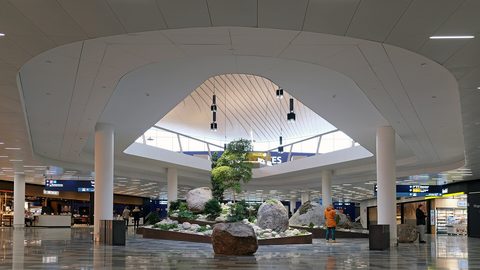 Finland Visa Requirements and the Schengen Application Process
Finland is part of the Schengen area. This page explains who needs a visa, how to apply through Migri, and what to expect at Helsinki-Vantaa border control.
Finland Visa Requirements and the Schengen Application Process
Finland is part of the Schengen area. This page explains who needs a visa, how to apply through Migri, and what to expect at Helsinki-Vantaa border control.
-
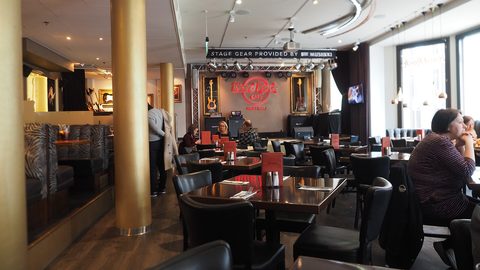 Money in Finland, Cards, Euros and When You Still Need Coins
Finland runs on contactless cards and euros, but public toilets, locker rooms, and some rural services still need coins. Here is what actually works.
Money in Finland, Cards, Euros and When You Still Need Coins
Finland runs on contactless cards and euros, but public toilets, locker rooms, and some rural services still need coins. Here is what actually works.
-
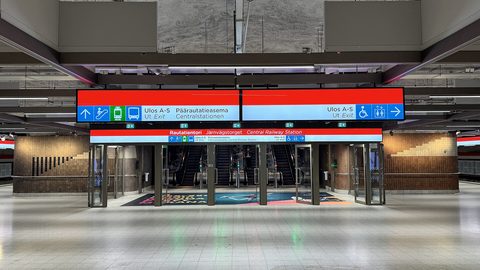 Is Finland Safe, Reading Travel Advice Without the Hype
Finland is safe from violent crime, but winter cold, icy streets, and remote Lapland trails pose real risks. This page focuses on what actually matters.
Is Finland Safe, Reading Travel Advice Without the Hype
Finland is safe from violent crime, but winter cold, icy streets, and remote Lapland trails pose real risks. This page focuses on what actually matters.
-
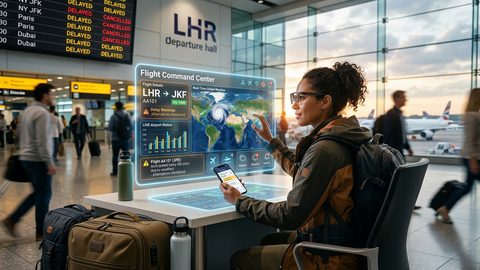 How Solo Travelers Stay Ahead of Flight Delays and Cancellations
How solo travelers can track inbound aircraft, claim rebooking rights, and adjust ground transport when flights go wrong — step by step.
How Solo Travelers Stay Ahead of Flight Delays and Cancellations
How solo travelers can track inbound aircraft, claim rebooking rights, and adjust ground transport when flights go wrong — step by step.
-
 Why Your eSIM Might Not Work Abroad and How to Check Before You Go
Buying an eSIM doesn't guarantee signal abroad. Learn why coverage fails by location and how to verify reach before you commit to a plan.
Why Your eSIM Might Not Work Abroad and How to Check Before You Go
Buying an eSIM doesn't guarantee signal abroad. Learn why coverage fails by location and how to verify reach before you commit to a plan.