Florida Travel Safety Tips Without the Scaremongering
Florida's real safety concerns are rip currents, lightning storms, and alligators in freshwater. Here is what to watch for without the exaggerated fears.
Practical Safety in Florida for Visitors
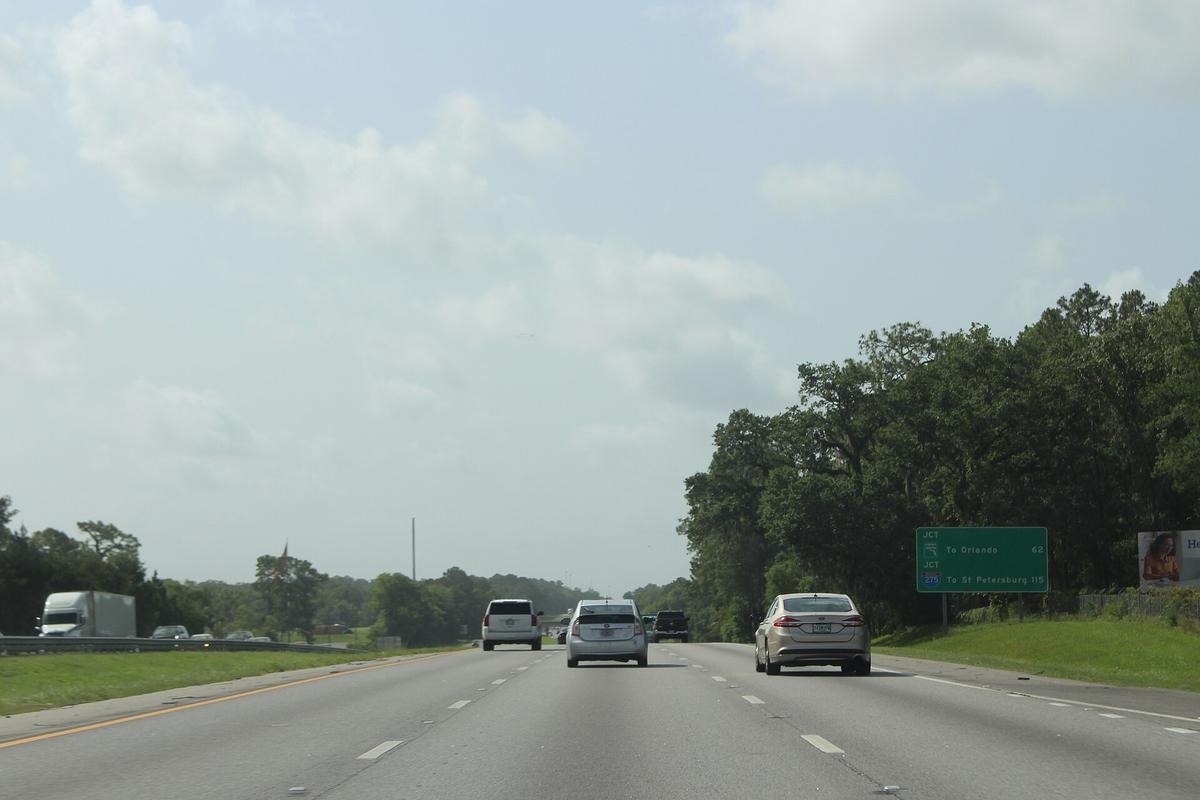
The Miami sky is still blue at 10am, but by 2pm the afternoon thunderstorms will roll inland from both coasts, shutting down outdoor rides at Universal and forcing beach lifeguards to clear the sand. That rhythm is as predictable as the summer heat index. Most safety concerns for a Florida visitor are not sharks or crime. They are logistics you can plan for: rip currents that pull harder than you expect, alligators in every drainage ditch, and a hurricane evacuation order that turns a theme park day into a 12-hour drive north.
Florida is a 500-mile-long car-dependent peninsula where the fantasy of endless summer collides with sudden downpours, love bug swarms that coat windshields, and beaches that fill before 9am on weekends. What follows is the practical breakdown of what goes wrong and what you do about it, from the Gulf Coast to the Everglades.

Florida Beach Flag Warning System and Rip Currents
Florida operates a uniform beach warning flag system statewide. A double red flag means the water is closed to swimming; a single red flag indicates high hazard, usually rip currents. Yellow flags mean medium hazard; green means low hazard. A purple flag signals dangerous marine life such as Portuguese man o' war or box jellyfish, which peak in late summer. Check the flag station before you step onto the sand. Most guarded beaches post flags at the lifeguard tower entrance, and the condition can change between morning and afternoon.
Rip current risk is present year-round on both Atlantic and Gulf beaches, with the highest danger during onshore wind and swell events. A tourist drowned last year on Panama City Beach on a yellow flag day. If you get caught in one, do not fight it. Swim parallel to the shore until you feel the current release, then swim back in at an angle. If you cannot swim out, tread water and signal for help. Dolphins do not save you; lifeguards do.
Everglades Alligator Safety: Assume Every Freshwater Body Has One
Freshwater Rules And Crocodile Territory
Alligators inhabit all 67 counties in Florida. They are present in every pond, canal, lake, and slow-moving river in the state. Assume a body of freshwater contains an alligator and behave accordingly. Never feed an alligator. Feeding them makes them lose their natural fear of humans and creates problem animals that are later euthanized. Keep at least 50 feet of distance from any alligator you see, whether it is sunning on a bank or swimming. This is not negotiable for photos.
American crocodiles occupy a smaller range in southern Florida, primarily coastal brackish and saltwater habitats from Miami-Dade County southward. They are less common but present.
Cell Coverage And The Shark Valley Tram
In the Everglades, cell coverage drops sharply once you enter Big Cypress National Preserve and the main park road. Download offline maps before you drive in. The Shark Valley entrance operates a 15-mile tram loop; book a ranger tour rather than walking that distance in June through September, when the heat index reaches 115°F and mosquitoes are active year-round.
Florida Hurricane Evacuation: What Visitors Actually Do
Know Your Zone Before The Storm Forms
Hurricane season runs June 1 through November 30, with peak risk in late August through September. If a tropical storm watch or warning is issued, local emergency management coordinates evacuation orders by county. Evacuation zones are lettered A through F based on storm surge risk, and zone maps are published by each county emergency management office. Check the zone for your hotel at check-in, not at the moment a storm forms.
When The Order Comes, Leave Immediately
When a mandatory evacuation is called for your zone, you leave. Theme parks close. Bridges lock down to prevent driving onto them. Gas stations run out of fuel. The designated coastal evacuation routes are signed with blue hurricane symbols and vary by county. Your rental car is your exit. Drive inland and away from the coast. Pet-friendly shelters exist, but only if you identified one before the storm was named. If you wait until the cone of uncertainty overlaps your hotel, you are stuck in traffic on I-75 with no fuel and no hotel room.
| Flag Colour | Water Condition | What You Do |
|---|---|---|
| Double Red | Water closed to swimming | Stay on the sand; do not enter the water for any reason |
| Red | High hazard, strong currents | Swim only if you are a strong swimmer; stay near a lifeguard |
| Yellow | Medium hazard, moderate currents | Swim with caution; check conditions every 30 minutes |
| Green | Low hazard, calm conditions | Swim normally but stay aware of changing conditions |
| Purple | Dangerous marine life present | Check with lifeguards for specific pest jellyfish or stingrays |
Practical Frictions: Love Bugs, Lightning Storms, and Offline Maps
Love Bug Swarms
In May and September, love bugs swarm across Florida, coating windshields and reducing visibility on highways. They do not bite or sting. They cover your windshield in a muddy smear that wiper fluid alone will not clear. Carry a spray bottle with water and a squeegee in the car. Do not let the dried remains sit for hours; the acidic residue can damage car paint if left in direct sun. If you are driving across the state in those months, plan a stop at a gas station with a windshield wash station every two hours.
Afternoon Lightning Storms
Between June and September, thunderstorms arrive almost daily from 3pm to 5pm. Florida has the highest lightning strike density in the United States. These storms halt beach days and shut down outdoor rides at theme parks. The sea breeze from both coasts converges inland, triggering the storms. If you are on the beach when the lifeguards leave, you should leave too. Theme parks pause outdoor rides for about 45 to 60 minutes per storm. Do not stand under a metal shelter or a tall palm tree.
Offline Maps In The Everglades
Cell coverage drops sharply inside Everglades National Park and across Big Cypress National Preserve. Download offline Google Maps or a dedicated GPS app before you leave the last town with signal, which is usually Homestead or Everglades City. The same applies to any drive through interior Florida state forests or the Panhandle's rural two-lane highways. Theme park Wi-Fi is throttled and congested; do not rely on it for ride-booking apps.
Driving Safety: Toll Roads, Heat, and Wildlife
Rental Cars And Toll Roads
Florida is a rental car state. The distances are deceptive: Miami to Key West is 165 miles and 4 hours each way without traffic. Orlando to Miami is 3.5 hours. A one-week trip fits one coast plus Orlando, or the Keys plus Everglades, not all three. The Florida Turnpike and interstate system requires a SunPass transponder for toll roads; rental cars without one rack up pay-by-plate surcharges and admin fees. Buy a SunPass at a CVS or Walgreens before you leave the airport rental lot. Toll roads are unavoidable in Orlando and Miami; without it, the toll bill plus fees can exceed $50 for a week of driving.
Heat, Seatbelts, And The Move Over Law
The heat index in summer ranges from 95°F to 115°F. Do not leave a phone or wallet on the dashboard. Do not leave a child or pet in a parked car for any length of time. Seatbelt use is required for all occupants front and rear. Handheld phone use is prohibited while driving; hands-free is permitted. Florida's Move Over law requires drivers to move over or slow to 20 mph below the posted limit for any stopped emergency, sanitation, or utility vehicle with flashing lights. You will see these vehicles on the shoulder of I-95 every few miles.
Wildlife On The Road
Wildlife on the road is real. Black bears are present in Ocala National Forest, Big Cypress, Apalachicola, and the Eglin area. Florida panthers are restricted to south of the Caloosahatchee River. Both are most active at dawn and dusk. If you hit a deer or a bear, do not approach the animal. Call 911. Venomous snakes include six species, with most bites occurring April through October. Do not walk through tall grass in sandals.
Frequently Asked Questions About Florida Travel Safety
What should I do if I see a red flag on the beach?
A single red flag means high hazard with strong currents. Swim only if you are a strong swimmer and stay within sight of a lifeguard. A double red flag means the water is closed. Do not enter the water.
How far should I stay from an alligator in Florida?
Keep at least 50 feet of distance from any alligator. Do not feed alligators. Assume every freshwater body in Florida contains at least one alligator.
What do I do if a hurricane is forecast during my Florida trip?
Check your hotel's evacuation zone at check-in. If a mandatory evacuation is called for your zone, drive inland on a designated hurricane evacuation route (signed with blue symbols). Theme parks and bridges will close. Leave early enough to avoid the traffic jam.
What are love bugs and when do they appear?
Love bugs are non-biting insects that swarm in May and September. They coat windshields and reduce visibility. Carry a spray bottle and squeegee in your car to clean the windshield before the residue damages paint.
How dangerous are afternoon thunderstorms in Florida?
Florida has the highest lightning strike density in the US. Afternoon thunderstorms from June through September clear beaches and shut down outdoor theme park rides for 45 to 60 minutes. Get inside a hard-topped vehicle or building during the storm.
Do I need a SunPass to drive in Florida?
Yes, for toll roads in Orlando and Miami. Without a SunPass, rental car companies charge pay-by-plate surcharges plus admin fees that can exceed $50 for a week. Buy a SunPass at a CVS or Walgreens before you leave the airport.
Is the tap water safe to drink in Florida?
Municipal water meets federal Safe Drinking Water Act standards. Private wells require individual testing. The water is safe to drink from the tap in hotels and homes connected to municipal supply.
Read next
-
 When to Go to Florida and What Each Season Actually Does to Your Trip
Florida's seasons are not just about temperature. Crowds, storms, love bugs, and red tide each have their own calendar. Here is what each window actually delivers.
When to Go to Florida and What Each Season Actually Does to Your Trip
Florida's seasons are not just about temperature. Crowds, storms, love bugs, and red tide each have their own calendar. Here is what each window actually delivers.
-
 Getting Around Florida Without Losing Your Mind to Toll Roads and Traffic
Florida is built for cars, and the toll road system punishes visitors who do not prepare. Here is where a rental car is mandatory and how to avoid SunPass penalties.
Getting Around Florida Without Losing Your Mind to Toll Roads and Traffic
Florida is built for cars, and the toll road system punishes visitors who do not prepare. Here is where a rental car is mandatory and how to avoid SunPass penalties.
-
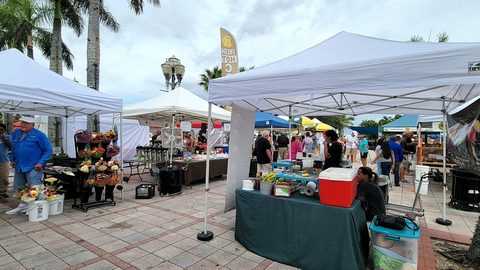 What a Florida Trip Costs in Shape, Not in Numbers
Florida trip costs are shaped by theme park tickets, rental cars, and seasonal accommodation swings. The surprises are in the parking fees and the add-ons.
What a Florida Trip Costs in Shape, Not in Numbers
Florida trip costs are shaped by theme park tickets, rental cars, and seasonal accommodation swings. The surprises are in the parking fees and the add-ons.
-
 Miami
Miami is two cities that share a name: the mainland grid where people live and work, and the barrier island across the bay that most visitors picture when
Miami
Miami is two cities that share a name: the mainland grid where people live and work, and the barrier island across the bay that most visitors picture when
-
 United States Travel Guide for First-Timers Who Want the Real Picture
The United States delivers extraordinary geographic and cultural variety, but its sheer scale, car dependency, and tipping economy surprise first-timers. Start here.
United States Travel Guide for First-Timers Who Want the Real Picture
The United States delivers extraordinary geographic and cultural variety, but its sheer scale, car dependency, and tipping economy surprise first-timers. Start here.
-
 Staying Connected While Traveling Through the United States
Prepaid eSIMs work well in US cities, but a physical T-Mobile or AT&T SIM bought at arrival gives better rural coverage for national parks and long highway drives.
Staying Connected While Traveling Through the United States
Prepaid eSIMs work well in US cities, but a physical T-Mobile or AT&T SIM bought at arrival gives better rural coverage for national parks and long highway drives.
-
 Best Time to Visit the United States by Region and Season
The United States spans so many climates that no single season works everywhere. Here is what each region delivers, and when to stay away.
Best Time to Visit the United States by Region and Season
The United States spans so many climates that no single season works everywhere. Here is what each region delivers, and when to stay away.
-
 Getting Around the United States Without Underestimating the Distances
Outside the Northeast Corridor, the United States runs on cars and domestic flights. Distances are enormous and Amtrak is scenic but slow.
Getting Around the United States Without Underestimating the Distances
Outside the Northeast Corridor, the United States runs on cars and domestic flights. Distances are enormous and Amtrak is scenic but slow.
-
 A Ground-Level Logistics Guide to Independent Travel in China
First-time independent travel in China: what you need to know about visas, rail booking, eSIMs, mobile payments, and power adapters.
A Ground-Level Logistics Guide to Independent Travel in China
First-time independent travel in China: what you need to know about visas, rail booking, eSIMs, mobile payments, and power adapters.