Florida Trip Cost Breakdown, the Shape of What You Will Spend
Florida trip costs are shaped by theme park tickets, rental cars, and seasonal accommodation swings. The surprises are in the parking fees and the add-ons.
The Shape of a Florida Travel Budget
Most first-time visitors plan a Florida trip by adding up flight, hotel, and ticket prices. What they miss is the cost structure underneath: how far the money actually travels, and which expenses hit at checkout. A real Florida trip cost breakdown does not start with a dollar total. It starts with the shape of your itinerary. An Orlando-only week spends differently than a Miami-to-Key-West road trip. The surprises are not the big line items. They are the beach lot that fills by 9am, the resort fee that was never in the advertised rate, and the toll transponder surcharge applied by the rental car company after you drive 300 miles on cashless roads.
The Big Fixed Costs: Tickets, Car, and Roof
Accommodation And Hidden Hotel Fees
Accommodation is the largest single line item in most Florida budgets. The range is extreme. A Panhandle motel in August runs in the low hundreds per night. A South Beach hotel during spring break hits $500 before taxes, resort fees, and valet. Resort fees run $25 to $60 per night and are charged even if you use nothing in the "resort": the pool, the gym, the wifi. They are often excluded from the advertised rate until checkout. On top of that, sales tax runs 6% to 8.5% depending on the county, and most counties add a tourist development tax of 1% to 6%. Total hotel tax lands between 11% and 15%.
The Rental Car And Toll Transponder
The rental car is the second-largest line item for any trip outside a single urban core. Florida is car-dependent: 500 miles long, with distances like Miami to Key West at 165 miles (3.5 to 4 hours) and Orlando to Miami at 235 miles (3.5 to 4 hours). Rental rates spike during snowbird season (November through April) and spring break. Drivers under 25 face an underage surcharge. The single biggest trip-up: the toll transponder. Florida's Turnpike and many interstates are cashless-only. Rental companies charge a daily fee for the electronic transponder, plus a pay-by-plate surcharge at a higher rate if you skip it. On a multi-city driving itinerary, tolls become an unexpectedly expensive item.
Theme Park Tickets And Add-Ons
Theme park tickets are the third fixed cost and the one that surprises families most. Walt Disney World uses dynamic pricing: tickets cost more during school breaks, summer, and winter holidays. Beyond the ticket, you need a park reservation to enter Magic Kingdom or any Disney park. Add-ons like Genie+ and individual lightning lane passes push a single-day cost well above the base price. Parking at the theme parks costs extra. Locker rental costs extra. Food and drink inside the parks is an unexpectedly expensive item, a burger and fries runs $15 to $20, and a bottle of water is $5. Kennedy Space Center Visitor Complex requires booking launch-day tickets months ahead. Dry Tortugas National Park requires booking the ferry six months out, and the ferry ticket itself is a significant day-trip cost.
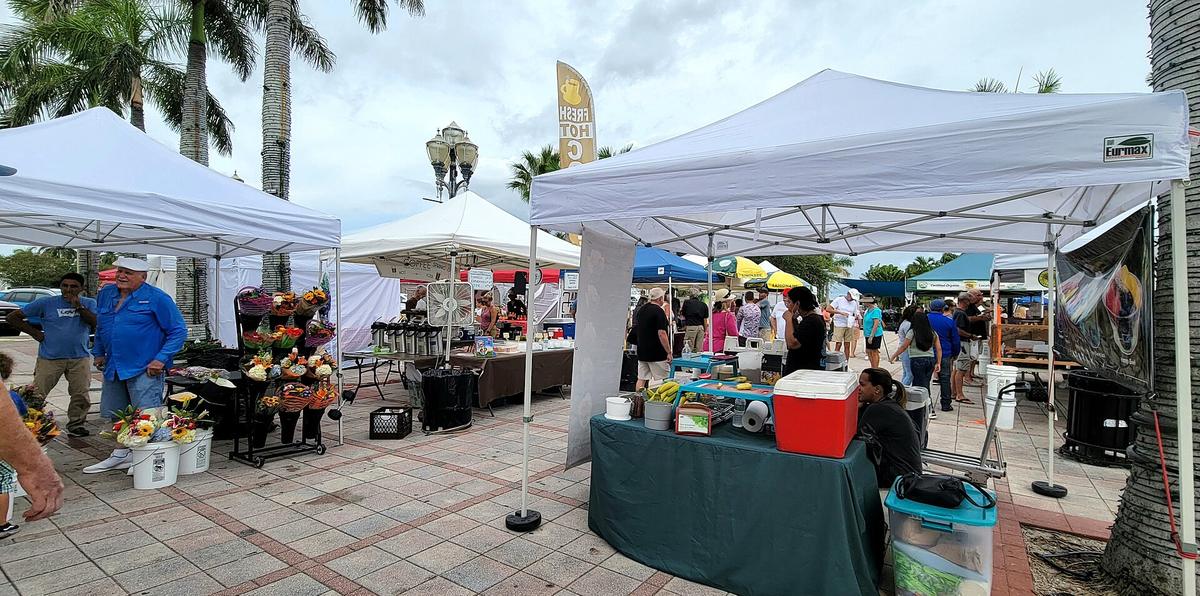

Florida Theme Park Ticket Prices and the Add-On Trap
Theme park ticket prices in Florida are not a fixed number you can look up once. They change by day. A midweek ticket in late September might cost 30% less than the same ticket on a Saturday in March. The published "starting at" price applies to one-day, one-park tickets on the cheapest days. Multi-day tickets lower the per-day cost, but only if you stay long enough to use them. Disney's park reservation system means you cannot buy a ticket and walk in; you must secure a reservation for the specific park on the specific date, and capacity runs out during peak weeks. The week between Christmas and New Year's especially, when theme parks reach capacity closures and accommodation prices double or triple.
Ancillary costs add up fast. Parking at Disney and Universal costs $25 to $30 per day. Genie+ at Disney runs $15 to $35 per person per day depending on demand. Individual lightning lane passes for the most popular rides cost $10 to $20 per ride per person. A family of four can easily spend $200 per day on line-skip passes alone. The same pattern holds at Universal with its Express Pass. Budget for these as a separate line item, not an optional extra. If you skip them, plan to wait 60 to 90 minutes per ride during peak hours.
Florida Beach Parking Fees: the 9am Deadline
Beachfront Lots And Hotel Parking
Florida beach parking fees are the expense that first-timers miss most often. Public beaches are free to walk on, the mean high-water line to the toe of the dune is public land. But you cannot get to that sand without parking. Many beach towns require a resident permit for on-street lots. Non-resident lots are scarce and cost $20 to $40 per day. They fill by 9am on weekends and during spring break. Arrive at 10am and you will circle a residential neighborhood for 20 minutes or pay for a private lot at double the rate. The workaround: arrive before 8:30am, or stay at a beachfront hotel that includes parking in the rate. Verify that it does, because many beachfront hotels charge $30 to $50 per night for valet-only parking.
State Parks As A Cheaper Alternative
State parks offer a cheaper alternative. Per-vehicle entry fees are lower than beach parking lots, and the annual pass covers entry for a vehicle and up to eight people. Ichetucknee Springs State Park and Weeki Wachee Springs State Park are examples. But these parks also fill early, especially during summer months when afternoon thunderstorms arrive daily from 3pm to 5pm and force crowds to arrive in the morning.
Key West Hotel Prices and the Keys Premium
Key West hotel prices sit in the highest regional tier in the state, alongside Miami Beach and Naples. The reason is simple: the Florida Keys are 113 miles of two-lane road ending at a small island with limited buildable land. Supply is constrained. During peak season, mid-February through April, a standard room in a mid-range hotel runs several hundred dollars per night. During the week between Christmas and New Year's, that same room can hit $1,000 or more. Even in shoulder seasons (late April through May, late September through early November), expect to pay a premium for a decent room.
The premium extends beyond lodging. Fuel prices rise sharply in the Keys. Restaurants charge more. Dry Tortugas National Park ferry tickets must be booked six months out and cost $200+ per person for the full-day trip. Parking in Key West is tight and expensive. If your budget cannot absorb a $500-per-night hotel, stay on the mainland in Homestead or Florida City and drive to Key West as a day trip. The drive is 165 miles each way, 3.5 to 4 hours without traffic, so it is not a casual morning trip, but it saves hundreds per night.
Florida Toll Road Budget: the Cashless Surprise
A Florida toll road budget is essential for any itinerary that includes Orlando, Miami, or the drive between them. Florida's Turnpike and the Miami-area express lanes are cashless-only. Rental cars without a SunPass transponder get photographed by pay-by-plate cameras, and the rental company adds an admin fee, typically $5 to $10 per day plus the toll itself at a higher rate. On a weeklong trip covering Orlando, Miami, and the Keys, tolls can easily run $50 to $80 in actual charges, plus $35 to $70 in rental company fees.
The fix: rent from a company that offers a flat-rate transponder fee, some charge $4 to $6 per day with a cap, or buy a SunPass sticker online before you arrive and attach it to the rental windshield. If you skip toll roads entirely, you add 30 to 60 minutes to every intercity drive. On a one-week trip that already underestimates driving distances, those extra minutes matter. Miami to Key West is a 4-hour drive. Adding a toll-avoidance detour pushes it past 5 hours.
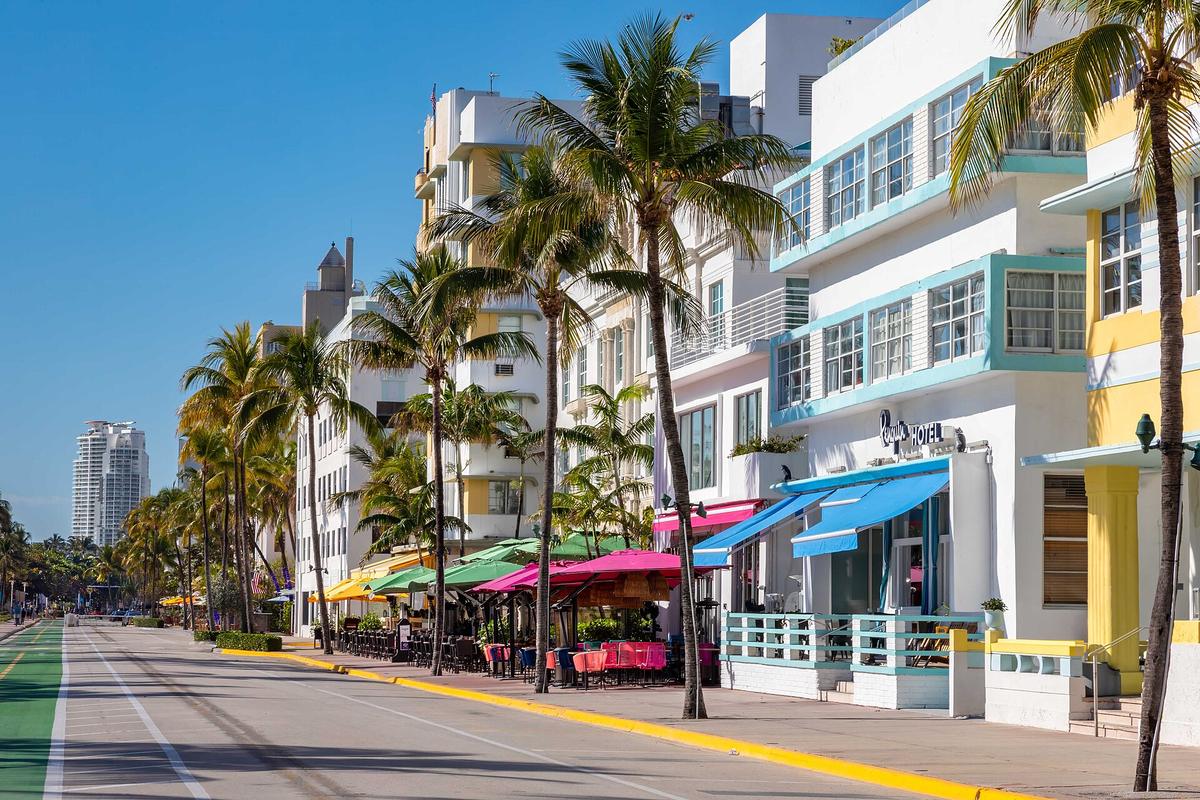

The Shape Dictates the Cost: Orlando Vs. Miami-to-Key-West
The Concentrated Orlando Budget
An Orlando-only week is a concentrated budget. You pay for theme park tickets, on-site or near-site lodging, toll roads within the Orlando corridor, and parking at the parks. You do not pay for long-distance fuel, beach parking, or the Keys premium. Your accommodation is the dominant cost, but you can find moderate-tier hotels in the $150 to $250 range during non-peak times. The surprise cost is the sheer number of add-ons: Genie+, parking, resort fees, food inside the parks, and the rental car transponder fee even for short drives.
The Distributed Road Trip Budget
A Miami-to-Key-West road trip is a distributed budget. You pay for a rental car across 400+ miles of driving, fuel at Keys prices, tolls on the Turnpike, beach parking at $20 to $40 per stop, and Key West lodging at several hundred dollars per night. The surprise cost is the aggregate: every day brings a new fee. The ferry to Dry Tortugas alone costs $200+ per person. The total for a 7-day road trip can easily exceed the Orlando week by 40% to 60%, even though the theme park tickets are missing.
Choose Your Shape Before You Price
Attempting both coasts and Orlando in one week is the common mistake. Miami to Orlando is 3.5 hours. Orlando to Tampa is 1.5 hours. Tampa to the Panhandle is 4.5 hours. A one-week trip fits one coast plus Orlando, or the Keys plus the Everglades, not all three. Choose your shape before you price anything else.
Three Unexpected Expenses That Derail First-Timers
Love bugs swarm in May and September, coating windshields and reducing visibility. Car washes add $15 to $30 if you care about the rental return inspection, but the bigger cost is time, you will stop every 100 miles to scrape bugs off the windshield. Afternoon thunderstorms arrive almost daily June through September, typically 3pm to 5pm, halting beach days and outdoor rides. That means you lose usable daylight hours if you plan outdoor activities for the late afternoon. Red tide algae blooms periodically close Gulf beaches with dead fish and respiratory irritation; there is no reliable long-term forecast, so check local reports the week of your trip.
What to Do Next: Pick Your Shape Before You Price Anything
Decide your route first: Orlando only, Miami-to-Key-West, Tampa-to-Panhandle, or one coast plus Orlando. Then estimate accommodation as the dominant cost. Book Key West and beachfront hotels during snowbird or spring break season at least three months out. Buy a SunPass sticker before you arrive. Reserve theme park tickets on the cheapest available days and budget for Genie+ or Express Pass as a line item, not a surprise. And arrive at any beach parking lot by 8:15am. Those are the decisions that determine whether your Florida trip costs what you expected or $500 more.
Common Questions
What is the single most overlooked cost on a Florida trip?
Resort fees and parking at beachfront hotels. Resort fees run $25 to $60 per night and are charged even if you use nothing. Beachfront hotels often charge $30 to $50 per night for valet-only parking. Together they can add $100 per night to a quoted rate that looked reasonable.
How much do tolls cost on a weeklong Florida driving trip?
Expect $50 to $80 in toll charges plus $35 to $70 in rental company admin fees if you do not use a SunPass. The daily transponder fee from rental companies runs $4 to $6 with a cap on some brands. Buy a SunPass sticker online before you arrive to avoid the surcharges.
Is it cheaper to stay in Key West or drive in for the day?
Driving in for the day saves hundreds per night on lodging but costs 7 to 8 hours of driving round trip from Miami or Homestead. If your time is tight, pay the Key West premium. If you have a full day to burn and want to save $200 to $500, stay in Homestead and drive.
When do Florida theme park tickets cost the most?
Tickets peak during winter holidays, spring break (mid-February through mid-April), summer weekends, and long holiday weekends. The week between Christmas and New Year's sees the highest prices and capacity closures. Midweek tickets in late September or early November cost 30% to 40% less.
How early do beach parking lots fill up in Florida?
Non-resident lots fill by 9am on weekends and during spring break. Arrive before 8:30am or pay for a private lot at double the rate. State parks with beach access also fill early, especially during summer when afternoon thunderstorms push the window for a full beach day into the morning.
Read next
-
 When to Go to Florida and What Each Season Actually Does to Your Trip
Florida's seasons are not just about temperature. Crowds, storms, love bugs, and red tide each have their own calendar. Here is what each window actually delivers.
When to Go to Florida and What Each Season Actually Does to Your Trip
Florida's seasons are not just about temperature. Crowds, storms, love bugs, and red tide each have their own calendar. Here is what each window actually delivers.
-
 Getting Around Florida Without Losing Your Mind to Toll Roads and Traffic
Florida is built for cars, and the toll road system punishes visitors who do not prepare. Here is where a rental car is mandatory and how to avoid SunPass penalties.
Getting Around Florida Without Losing Your Mind to Toll Roads and Traffic
Florida is built for cars, and the toll road system punishes visitors who do not prepare. Here is where a rental car is mandatory and how to avoid SunPass penalties.
-
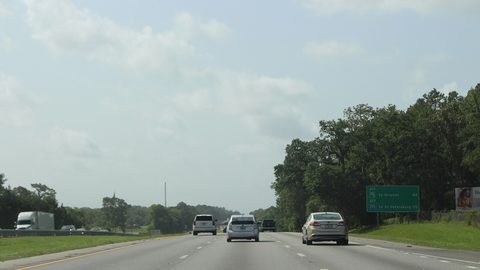 Staying Safe in Florida Without the Scaremongering
Florida's real safety concerns are rip currents, lightning storms, and alligators in freshwater. Here is what to watch for without the exaggerated fears.
Staying Safe in Florida Without the Scaremongering
Florida's real safety concerns are rip currents, lightning storms, and alligators in freshwater. Here is what to watch for without the exaggerated fears.
-
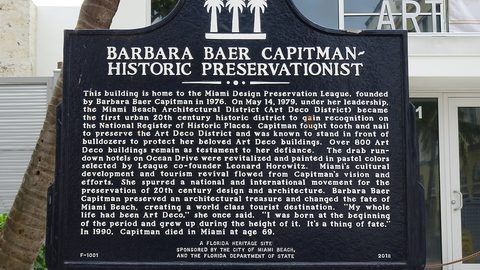 Miami
Miami is two cities that share a name: the mainland grid where people live and work, and the barrier island across the bay that most visitors picture when
Miami
Miami is two cities that share a name: the mainland grid where people live and work, and the barrier island across the bay that most visitors picture when
-
 United States Travel Guide for First-Timers Who Want the Real Picture
The United States delivers extraordinary geographic and cultural variety, but its sheer scale, car dependency, and tipping economy surprise first-timers. Start here.
United States Travel Guide for First-Timers Who Want the Real Picture
The United States delivers extraordinary geographic and cultural variety, but its sheer scale, car dependency, and tipping economy surprise first-timers. Start here.
-
 Staying Connected While Traveling Through the United States
Prepaid eSIMs work well in US cities, but a physical T-Mobile or AT&T SIM bought at arrival gives better rural coverage for national parks and long highway drives.
Staying Connected While Traveling Through the United States
Prepaid eSIMs work well in US cities, but a physical T-Mobile or AT&T SIM bought at arrival gives better rural coverage for national parks and long highway drives.
-
 Best Time to Visit the United States by Region and Season
The United States spans so many climates that no single season works everywhere. Here is what each region delivers, and when to stay away.
Best Time to Visit the United States by Region and Season
The United States spans so many climates that no single season works everywhere. Here is what each region delivers, and when to stay away.
-
 Getting Around the United States Without Underestimating the Distances
Outside the Northeast Corridor, the United States runs on cars and domestic flights. Distances are enormous and Amtrak is scenic but slow.
Getting Around the United States Without Underestimating the Distances
Outside the Northeast Corridor, the United States runs on cars and domestic flights. Distances are enormous and Amtrak is scenic but slow.
-
 A Ground-Level Logistics Guide to Independent Travel in China
First-time independent travel in China: what you need to know about visas, rail booking, eSIMs, mobile payments, and power adapters.
A Ground-Level Logistics Guide to Independent Travel in China
First-time independent travel in China: what you need to know about visas, rail booking, eSIMs, mobile payments, and power adapters.