The Best Months to Visit Florida by Season and Crowd
Florida's seasons are not just about temperature. Crowds, storms, love bugs, and red tide each have their own calendar. Here is what each window actually delivers.
Florida Seasons, Crowds, and Weather by Month
At 3:15 PM on a July afternoon in Orlando, a family of four sits on a shaded bench at Magic Kingdom, rain pouring off the canopy, waiting for the daily thunderstorm to pass. The rides shut down at 3 PM sharp. The umbrella they bought at the gift shop cost whatever the park charges that season. The storm will clear by 5 PM, the pavement will steam, and the crowds will surge back onto Splash Mountain with the same energy they had at rope drop. This is the lived reality of Florida's seasons, not the temperature chart. The best months to visit Florida depend entirely on what you are willing to trade: perfect weather for peak prices, low crowds for storm risk, or family time for love bug swarms. Florida is a humid, sprawling, car dependent peninsula 500 miles long, and every season brings a different set of trade offs you need to plan around before you book anything.
Peak Season: Mid February Through April
This window delivers the state's best weather: 70 to 80 degree days, low humidity, almost no rain. It also delivers the state's highest hotel rates, heaviest crowds, and a highway experience you will not forget. Snowbirds from the Northeast and Canada fill the Gulf Coast towns from Naples to Sarasota. Spring breakers pack the Panhandle beaches and South Beach. Disney World and Universal Orlando reach reservation capacity on weekends. A room that costs a budget rate in September goes for peak season pricing here. Book it six months out or pay double.
Spring Break Crowds
Florida spring break crowds concentrate in two zones: the Panhandle beaches around Panama City Beach and South Beach in Miami. March is the worst month. College students arrive by the busload. Beach parking fills by 7 AM. Police set up DUI checkpoints on weekends. If you are a family with young children, skip the Panhandle in March entirely. Hit the Gulf Coast beaches south of Fort Myers instead, where the pace stays quieter and the retirees outnumber the undergraduates.
What The Weather Actually Feels Like
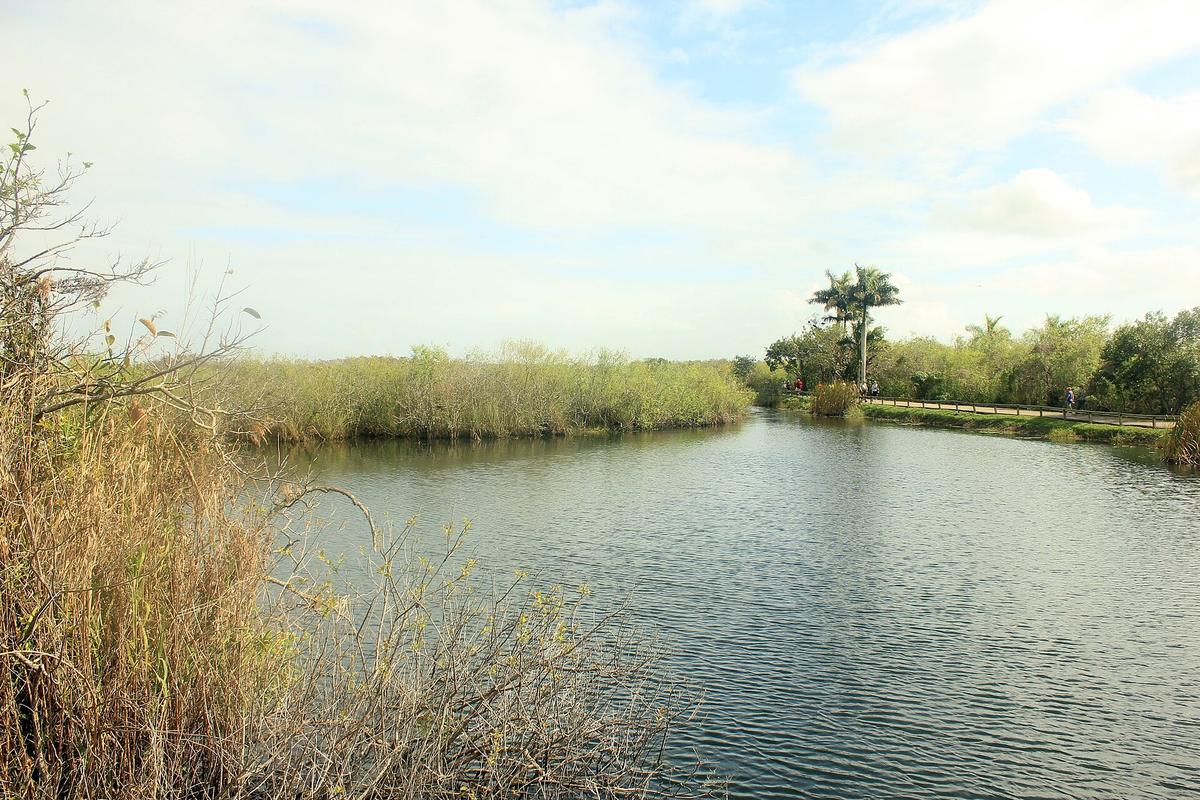
North Florida in February can still hit 40 degrees at night. Central Florida stays mild, perfect for theme park walking. South Florida and the Keys are warm and dry with ocean temperatures in the low 70s. This is the manatee aggregation season, November through March, when manatees gather in warm water springs and power plant outflows. Blue Spring State Park, 45 minutes from Orlando, is the best place to see them. Arrive before 9 AM. The boardwalk fills fast.
Stone crab season runs October through May. The claws are served chilled with mustard sauce. A pound of large claws runs between $40 and $60 at seafood markets on the Gulf Coast. Order them at a dockside restaurant in Tampa or on the Southwest Gulf Coast. By May the claws get smaller and the season tapers off.

Summer: June Through July
Summer is family vacation season. The crowds are high, the hotel rates are elevated but not quite peak, and the weather follows a clockwork pattern. Mornings are clear and hot. By 2 PM the clouds build. Between 3 and 5 PM, thunderstorms roll across the entire peninsula. They halt outdoor rides at theme parks, clear beaches, and flood parking lots. Then they stop. By 5:30 PM the sun is back and the humidity is even worse.
Love Bug Season Florida
Love bug season Florida hits twice: May and September. These black and red flies swarm in massive clouds across central and north Florida. They coat windshields, reduce visibility, and their acidic bodies damage car paint if not washed off within 24 hours. Drive through the Orlando to Tampa corridor in May and you will need a windshield wash every 30 miles. Carry a spray bottle of water and a soft cloth in your car. Do not use a dry squeegee on love bug residue. It scratches the glass.
Afternoon Thunderstorms: The Real Constraint
If you are visiting a theme park in summer, plan your day around the 3 to 5 PM shutdown. Ride outdoor coasters in the morning. Use the afternoon window for indoor attractions, shows, or a hotel pool break. If you are on a Gulf Coast beach, the storm clears the water of swimmers because lifeguards pull everyone out. The lightning risk is real. A direct strike on the beach happens every few summers. Wait under a solid structure, not a beach umbrella.
Sea Turtle Nesting And Beach Access
Sea turtle nesting season runs May through October, peaking June through July. This affects beach access on both coasts. Nesting areas are roped off. Lights on beachfront properties must be turtle friendly after dark. If you rent a beach house on the Space Coast or Southwest Gulf Coast, check the lighting restrictions. A fine for leaving a porch light on runs into the hundreds of dollars.
Late August Through September: the Avoid Window
This is the lowest cost window and the highest risk window. Hotel rates drop 30 to 50 percent from peak season. Theme park crowds thin out after Labor Day. But the humidity is oppressive, the afternoon thunderstorms are daily, love bugs swarm again in September, and the storm risk peaks.
Florida Storm Season Travel
Florida storm season travel runs June 1 through November 30, with peak activity August through October. A storm watch means possible winds within 48 hours. A warning means within 24 hours. If you have a trip booked in this window, buy travel insurance that covers weather cancellations specifically, not just sickness. Most standard policies exclude storm events. Check the policy language for named storm clauses. If a storm is forecast to hit your destination within 72 hours, airlines and hotels will typically waive change fees. Do not wait for the official evacuation order. Flights sell out 24 hours before a storm landfall.
Florida Red Tide Forecast
Florida red tide forecast is impossible to predict more than a week out. Red tide is a naturally occurring algae bloom that kills fish and releases a respiratory irritant into the air. It hits Gulf Coast beaches between late summer and fall. The affected beaches vary year to year. Before you book a Gulf Coast trip in September or October, check the Florida Fish and Wildlife Conservation Commission red tide status map. If red tide is active, shift your itinerary to the Atlantic Coast, which rarely experiences it. Sanibel Island and Fort Myers Beach have been hit hardest in recent years. Do not book a non refundable Gulf Coast rental in this window without a backup plan on the east side of the state.
Christmas to New Year: Capacity Crowds and Double Rates
The week between Christmas and New Year is Florida's most intense tourism window. Theme parks hit capacity closures by mid morning. Disney World and Universal Orlando require park reservations beyond the ticket, and those reservations sell out weeks ahead. Hotel rates double or triple. A standard room at a Disney value resort that costs a fall rate in October runs at holiday pricing here. Interstate 4 through Orlando becomes a parking lot from 10 AM to 8 PM. The Keys fill up completely. If you are not booked by September, you will not find a room on Key West for under $600 a night.
If you must travel in this window, arrive at the theme park gates by 7 AM. Bring your own food. The park restaurants run out of popular items by noon. Budget for toll road transponder fees. Without a SunPass, the rental car company charges an administrative fee of $10 to $15 per day plus the toll cost. Florida's Turnpike and Orlando toll roads are unavoidable. Buy a SunPass at a CVS or Walgreens before you pick up the car.
| Season | Months | Weather | Crowds | Hotel Rate Index (Baseline $100) |
|---|---|---|---|---|
| Winter Dry Peak | Nov April | Low humidity, mild to warm, low rainfall | Highest of the year | $200 $350 |
| Spring Shoulder | March May | Warming, increasing humidity, transition to wet | Lower than peak, rising through May | $130 $220 |
| Summer Wet Peak | June July | High humidity, daily 3 5 PM thunderstorms, highest temps | High, family focused | $150 $250 |
| Late Summer Fall Shoulder | Aug Nov | Cooling temps, decreasing humidity, storm risk peaks | Low after Labor Day | $80 $140 |
| Christmas New Year | Dec 26 Jan 2 | Mild, dry, cool nights | Capacity level at theme parks | $400 $600+ |

Fall Shoulder: October Through November
October and November are the best months to visit Florida for travelers who want mild weather, low crowds, and reasonable hotel rates. Storm risk lingers through November but drops sharply after mid October. The humidity falls. The afternoon thunderstorms fade. The Gulf Coast water temperature is still in the low 80s. This is the window to book a beach vacation without the summer crowds or the winter prices.
The fall shoulder period trade off is the lingering storm risk through November. Book refundable accommodations. Check the red tide forecast weekly. If you are diving or snorkeling in the Keys, October offers the calmest water conditions and the best visibility. The Keys winter pattern starts in November: warm, dry, low humidity, calm water. It is the best time for Dry Tortugas National Park, but the ferry books out six months ahead. Reserve it before you book your flights.
Driving Distances: the Mistake That Ruins Trips
Underestimating driving distances is the most common mistake visitors make. Florida is 500 miles from Pensacola to Key West. The drive takes 12 to 13 hours without stops. Miami to Key West is 3.5 to 4 hours each way on US 1, the Overseas Highway. Orlando to Miami is 3.5 hours. Orlando to Tampa is 1.5 hours. A one week trip fits one coast plus Orlando, or the Keys plus the Everglades, not all three.
Rental car is the dominant mode. Florida's Turnpike and interstate system require a SunPass transponder for toll roads. Without one, the rental company charges a pay by plate surcharge plus an administrative fee that can reach $15 per day. Buy a SunPass at a drugstore before you start driving. The Panhandle west of the Apalachicola River uses Central Time. Everything east of it uses Eastern Time. Check the time zone before you book a flight or a tour.
Beach parking fills by 9 AM on weekends. Many towns require a resident permit. Non resident lots are scarce and cost between $20 and $40. If you are staying on the Southwest Gulf Coast or the Gold Coast, confirm your accommodation includes parking. A garage in South Beach costs $40 per night.
Who Florida Works for and Who Should Skip it
Florida suits families with young children who want theme park immersion, road trippers willing to cover 300 miles between destinations, beachcombers who want variety from calm Gulf waters to Atlantic surf, winter escapees from cold climates, and cruise passengers departing from its ports. The state has 1,350 miles of coastline, three national parks, 29 national wildlife refuges, and 175 state parks. The springs region in north central Florida holds the highest concentration of freshwater springs in the world, all at a constant 72 degrees year round.
Florida is not for travelers who seek walkable cities, wilderness solitude without airboats or boardwalks, mild summers, or a culturally unified experience. The state is 500 miles long and 360 miles wide at its widest point. The fantasy of endless summer collides with the logistics of long drives, sudden downpours, and crowds that concentrate fiercely around a handful of famous zones. Skip it if you dislike driving, humidity, or highly commercialized tourism infrastructure. The single thing that most often goes wrong: booking a one week trip that tries to cover both coasts and Orlando, when the driving time between them eats three full days of your vacation.
Common Questions
What is the cheapest month to visit Florida?
September offers the lowest hotel rates of the year, often 30 to 50 percent below peak season. The trade off is the peak of storm season and oppressive humidity. Book refundable accommodations and check the Florida red tide forecast before you confirm.
When are love bugs worst in Florida?
May and September. The swarms are heaviest in central and north Florida along the I 4 corridor between Orlando and Tampa. They coat windshields and reduce visibility. Wash them off your car within 24 hours or their acidic bodies damage the paint.
Can you visit Florida during storm season?
Yes, but buy travel insurance that specifically covers named storms. Most standard policies exclude storm events. Check the forecast 72 hours before departure. If a storm is projected to hit your destination, airlines and hotels typically waive change fees.
When is the best time to see manatees in Florida?
November through March, when manatees congregate in warm water springs and power plant outflows. Blue Spring State Park, 45 minutes from Orlando, is the most reliable spot. Arrive before 9 AM for the best viewing.
Does Florida have good weather in October?
October offers mild temperatures, low humidity, and reduced crowds. The water temperature on the Gulf Coast stays in the low 80s. Storm risk drops after mid October. It is one of the best months for a beach vacation.
Read next
-
 Getting Around Florida Without Losing Your Mind to Toll Roads and Traffic
Florida is built for cars, and the toll road system punishes visitors who do not prepare. Here is where a rental car is mandatory and how to avoid SunPass penalties.
Getting Around Florida Without Losing Your Mind to Toll Roads and Traffic
Florida is built for cars, and the toll road system punishes visitors who do not prepare. Here is where a rental car is mandatory and how to avoid SunPass penalties.
-
 Staying Safe in Florida Without the Scaremongering
Florida's real safety concerns are rip currents, lightning storms, and alligators in freshwater. Here is what to watch for without the exaggerated fears.
Staying Safe in Florida Without the Scaremongering
Florida's real safety concerns are rip currents, lightning storms, and alligators in freshwater. Here is what to watch for without the exaggerated fears.
-
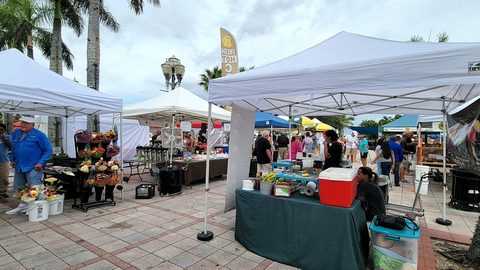 What a Florida Trip Costs in Shape, Not in Numbers
Florida trip costs are shaped by theme park tickets, rental cars, and seasonal accommodation swings. The surprises are in the parking fees and the add-ons.
What a Florida Trip Costs in Shape, Not in Numbers
Florida trip costs are shaped by theme park tickets, rental cars, and seasonal accommodation swings. The surprises are in the parking fees and the add-ons.
-
 Miami
Miami is two cities that share a name: the mainland grid where people live and work, and the barrier island across the bay that most visitors picture when
Miami
Miami is two cities that share a name: the mainland grid where people live and work, and the barrier island across the bay that most visitors picture when
-
 United States Travel Guide for First-Timers Who Want the Real Picture
The United States delivers extraordinary geographic and cultural variety, but its sheer scale, car dependency, and tipping economy surprise first-timers. Start here.
United States Travel Guide for First-Timers Who Want the Real Picture
The United States delivers extraordinary geographic and cultural variety, but its sheer scale, car dependency, and tipping economy surprise first-timers. Start here.
-
 Staying Connected While Traveling Through the United States
Prepaid eSIMs work well in US cities, but a physical T-Mobile or AT&T SIM bought at arrival gives better rural coverage for national parks and long highway drives.
Staying Connected While Traveling Through the United States
Prepaid eSIMs work well in US cities, but a physical T-Mobile or AT&T SIM bought at arrival gives better rural coverage for national parks and long highway drives.
-
 Best Time to Visit the United States by Region and Season
The United States spans so many climates that no single season works everywhere. Here is what each region delivers, and when to stay away.
Best Time to Visit the United States by Region and Season
The United States spans so many climates that no single season works everywhere. Here is what each region delivers, and when to stay away.
-
 Getting Around the United States Without Underestimating the Distances
Outside the Northeast Corridor, the United States runs on cars and domestic flights. Distances are enormous and Amtrak is scenic but slow.
Getting Around the United States Without Underestimating the Distances
Outside the Northeast Corridor, the United States runs on cars and domestic flights. Distances are enormous and Amtrak is scenic but slow.
-
 A Ground-Level Logistics Guide to Independent Travel in China
First-time independent travel in China: what you need to know about visas, rail booking, eSIMs, mobile payments, and power adapters.
A Ground-Level Logistics Guide to Independent Travel in China
First-time independent travel in China: what you need to know about visas, rail booking, eSIMs, mobile payments, and power adapters.