Your United States Trip Cost Breakdown Without Surprises
How a United States trip budget is shaped by the non-negotiable cost of a car, the tipping layer on every meal, and sales tax that appears only at the register.
The Shape of Your United States Travel Budget
Most first-time visitors budget for accommodation and food, then wonder where the money went. The real United States trip cost breakdown is not about nightly rates versus meal prices. It is about structural forces that inflate spending in ways that are invisible until you are on the ground. Tipping adds 18 to 22 percent to every sit-down meal. Sales tax is never on the sticker. Car rental plus gasoline is nearly mandatory outside a handful of cities. Entry fees for parks and attractions stack up fast. Understanding those forces, not finding a cheap hotel, is what keeps a United States trip on track.
The sheer scale of the country shocks first-timers. Distances between cities and national parks are vast. The car-dependent infrastructure outside a few urban cores means you cannot wing it without a vehicle. The Northeast Corridor, from Washington D.C. to Boston, is the exception: dense, walkable cities connected by rail. Everywhere else, the private automobile dominates. You need a credit card to rent one and a valid home-country driving licence. An International Driving Permit is required if your licence is not in English. The single biggest mistake is assuming you can fly or take a train between mid-sized cities quickly. Outside the Northeast Corridor, Amtrak is scenic but slow, infrequent, and often hours late.
Accommodation and transport together form 60 to 70 percent of total trip spend. That is the fixed cost. What you spend on food, attractions, and incidentals sits on top of that foundation. A budget daily spend varies by region: the rural South and Midwest sit at the low end, coastal metros and resort areas at the high end. A mid-range daily spend runs roughly two to three times the budget tier, driven by private-room lodging and full-service restaurants. The real difference between budget and mid-range is not about luxury. It is about lodging type (dorm or hostel versus a private hotel room), dining style (self-catering versus table-service restaurants), and intercity transport mode (bus versus a flight or private car rental).

.jpg)
USA Travel Budget Planning: the Structural Forces That Shape Your Spending
Planning a USA travel budget that actually works requires accounting for four invisible cost layers that do not exist in most other countries.
The Car Rental And Gas Obligation
Outside the Northeast Corridor, you need a vehicle. Car rental base rates look reasonable, but the total cost is inflated by mandatory liability insurance or a collision damage waiver, toll transponder fees, and one-way drop charges. Fuel itself is cheap relative to most high-income countries, but the distance you cover erases that advantage. A coast-to-coast drive takes a minimum of five to seven days without extended stops. The real cost is not the gasoline. It is the rental plus insurance plus the fact that you cannot skip the car.
The Tipping Layer
Tipping is mandatory at sit-down restaurants at 18 to 22 percent. Failing to tip is seen as withholding wages, not expressing dissatisfaction. The same applies to bars, where $1 to $2 per drink or 15 to 20 percent of the tab is customary, taxis and rideshares at 15 to 20 percent, hotel housekeeping, and guided tours at 10 to 20 percent of the tour cost, cash preferred. This adds 15 to 20 percent to quoted service prices. If you eat three sit-down meals a day, that is a 20 percent surcharge on food you did not see coming. Reduce the impact: use self-catering, fast-casual, and counter-service meals where tipping is optional or lower.
Sales Tax And Resort Fees
Sales tax is added at the register, not displayed on shelf prices. The combined rate varies by state, county, and city, from roughly 0 to over 10 percent. On a hotel room, a tax of 10 percent adds a sum you did not budget for. On top of that, many hotels in leisure destinations and major cities add resort fees or urban destination fees at check-in, which are not included in advertised room rates. Accommodation taxes, the combined state and local lodging taxes, can add 10 to 18 percent or more to the nightly rate. The sticker price of a hotel room is never the price you pay.
Entry Fee Culture
National parks charge a per-vehicle or per-person fee at most units. A single-day admission to a major theme park or branded attraction costs a significant amount. The annual interagency pass covers entry to all federal fee areas and is cheap relative to cumulative single-park fees. State parks have separate fee structures and are not covered by the federal pass. If your itinerary includes multiple parks, buy the pass before the first entrance. If your itinerary includes a major theme park, budget for that single day as a separate line item.
How Much to Budget for a US Road Trip: Regional Cost Contrasts
The question of how much to budget for a US road trip has no single answer because the infrastructure of spending changes by region. A day in New York City costs differently than a day in the Great Plains, not because one is fancier, but because the spending patterns are structurally different.
Northeast Corridor
Dense and walkable. Public transport is viable. Lodging costs are high, but you can avoid car rental entirely. The tipping and tax layers still apply. The cost is concentrated in hotels and sit-down meals.
Great Plains And Rural South
Sparse population, long drives, and extreme weather. Rooms are cheaper, but the car is mandatory and distances are vast. Rural lodging scarcity means limited chain hotels and hostels. Independent motels and vacation rentals dominate. Advance booking is needed in peak seasons near national parks. Food costs are the lowest in the country, especially if you use fast-casual chains or grocery self-catering.
Rocky Mountain West And Pacific Coast
High-altitude parks, ski towns, and booming cities. Lodging costs rise sharply in peak local season and during major events. Entry fees for parks stack up. Wildfire smoke can affect air quality in late summer and early autumn. The cost cliff between gateway cities and remote areas where lodging supply is thin is the sharpest in these regions.
Hawaii And Alaska
Structurally higher costs due to shipping for food and supplies. Rooms are expensive. Car rental is necessary. Neither is a budget destination.
Daily Costs in America by Region: What Actually Changes
What drives the variation in daily costs across America? Urban coastal cities are the most expensive for food. The rural South and Midwest are the lowest. Hawaii and Alaska are structurally higher due to shipping. Food cost variation is real: a fast-casual meal in Manhattan costs more than a full-service meal in rural Alabama. But the bigger driver of regional cost differences is lodging supply. In remote areas near national parks, rooms are thin on the ground. Prices spike. In gateway cities with multiple hotel options, competition keeps rates lower, but resort fees and urban destination fees are more common. The seasonal cost pattern peaks in summer nationwide and in winter in warm-weather resort zones like Florida, Hawaii, and the desert Southwest. The lowest costs land in the shoulder seasons of spring and autumn, outside school holidays.
Hidden Costs of Traveling in the US: What Surprises Most Visitors
The hidden costs of traveling in the US are not hidden in the sense of being obscure. They are hidden in the sense that visitors from most other countries do not expect them. Intercity rail outside the Northeast Corridor is expensive for what you get: long journey times relative to flying, infrequent service, and often hours late. Travel insurance covering medical costs for visitors is expensive because medical costs for uninsured visitors are among the highest globally. Emergency care is billed at full chargemaster rates. Travel medical insurance is a standard requirement, not optional. Single-day admission to major theme parks and branded attractions is expensive and should be budgeted as a separate line item. What is cheap: long-distance intercity bus fares on high-competition routes, the annual interagency pass for national parks, fuel relative to most high-income countries, and casual fast-food and fast-casual meal chains relative to full-service restaurants.
Mobile connectivity has gaps. Free Wi-Fi is widespread in chain hotels and coffee shops but patchy in national parks and rural areas. Prepaid eSIMs from providers like Airalo or Holafly work well. A physical US SIM from T-Mobile or AT&T bought at an airport or big-box store gives better rural coverage. Download offline maps before driving through the Mountain West or Great Plains. Public restrooms are scarce in most cities. You are expected to buy something to use a café's facilities. Highway rest areas and large retail chains are the reliable fallback. Jaywalking laws are enforced unpredictably, and fines are real in some downtowns. Tap water is safe everywhere, but in parts of the rural Southwest and Plains it tastes strongly of minerals or sulphur.
The One Thing That Most Often Goes Wrong
The most common mistake is underestimating driving times. What looks like a short hop on a map can be five to eight hours of highway driving, and there is often nothing in between. Fill the tank when you see a station. Carry water and snacks. Download offline maps before you leave cell service. Budget for the car rental plus insurance plus tolls plus fuel as one combined line item, not as separate small costs. That line item, not the hotel or the restaurant, is what determines whether your United States trip stays within reach.
Common Questions
Do I really need a car outside the Northeast Corridor?
Yes. Outside the dense, walkable cities of the Northeast Corridor, public transport is limited to nonexistent. Rural transit is negligible. A personal vehicle or pre-arranged shuttle is required in most non-urban areas. Rideshare and taxi availability is limited to nonexistent in rural areas without advance booking.
How much should I budget for tipping on a US trip?
Budget 18 to 22 percent extra for every sit-down meal. Add $1 to $2 per drink at bars, 15 to 20 percent for taxis and rideshares, and 10 to 20 percent of tour cost for guided tours. Hotel housekeeping tipping is customary per night, left in cash. Using self-catering and fast-casual meals reduces the structural impact.
Why are hotel prices higher than the advertised rate?
Sales tax on lodging is often higher than the general sales tax rate and varies by jurisdiction. Many hotels add resort fees or urban destination fees at check-in. Combined state and local lodging taxes can add 10 to 18 percent or more to the nightly rate.
Is it cheaper to fly or drive between US cities?
Domestic flights are the backbone for cross-country itineraries. Fares vary sharply with advance purchase, season, and route competition. Checked baggage is usually extra on basic economy fares. Driving is cheaper for regional exploration by two or more people, but the rental car, insurance, fuel, and one-way drop charges add up. Intercity bus is the budget backbone.
Can I visit national parks without advance reservations?
Some parks require entry reservations in peak season, and in-park lodging must be booked 12 months ahead at parks like Grand Canyon South Rim, Yellowstone, and Yosemite. Backcountry permits are limited by quota and reserved months in advance. Annual interagency passes cover entry fees but do not guarantee entry if timed entry is required.
Read next
-
 Staying Connected While Traveling Through the United States
Prepaid eSIMs work well in US cities, but a physical T-Mobile or AT&T SIM bought at arrival gives better rural coverage for national parks and long highway drives.
Staying Connected While Traveling Through the United States
Prepaid eSIMs work well in US cities, but a physical T-Mobile or AT&T SIM bought at arrival gives better rural coverage for national parks and long highway drives.
-
 Best Time to Visit the United States by Region and Season
The United States spans so many climates that no single season works everywhere. Here is what each region delivers, and when to stay away.
Best Time to Visit the United States by Region and Season
The United States spans so many climates that no single season works everywhere. Here is what each region delivers, and when to stay away.
-
 Getting Around the United States Without Underestimating the Distances
Outside the Northeast Corridor, the United States runs on cars and domestic flights. Distances are enormous and Amtrak is scenic but slow.
Getting Around the United States Without Underestimating the Distances
Outside the Northeast Corridor, the United States runs on cars and domestic flights. Distances are enormous and Amtrak is scenic but slow.
-
 United States Visa Rules and the ESTA Process Explained Simply
Most visitors to the United States need either an ESTA authorization or a B-2 tourist visa. Here is who needs which and how the process runs.
United States Visa Rules and the ESTA Process Explained Simply
Most visitors to the United States need either an ESTA authorization or a B-2 tourist visa. Here is who needs which and how the process runs.
-
 Money in the United States, Cards, Cash, Tipping and That Extra Tax
The United States runs on cards, but sales tax is added at the register and tipping 18-22% is effectively mandatory. Here is how money actually works.
Money in the United States, Cards, Cash, Tipping and That Extra Tax
The United States runs on cards, but sales tax is added at the register and tipping 18-22% is effectively mandatory. Here is how money actually works.
-
 Reading United States Safety Advice Without Being Misled by It
Safety in the United States is hyperlocal, and the visible poverty in public spaces can jar first-timers. Here is how to read the advice without being misled.
Reading United States Safety Advice Without Being Misled by It
Safety in the United States is hyperlocal, and the visible poverty in public spaces can jar first-timers. Here is how to read the advice without being misled.
-
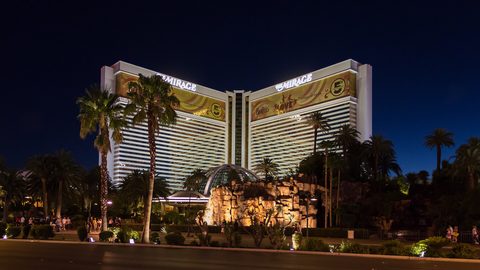 Nevada
 is a state of extreme contrasts: the 24-hour artificial fantasy of the Las Vegas Strip gives way to vast, silent desert where services vanish and the
Nevada
Nevada is a state of extreme contrasts: the 24-hour artificial fantasy of the Las Vegas Strip gives way to vast, silent desert where services vanish and the
-
 Maryland
 is built around the Chesapeake Bay, where steamed crabs and slow ferries set the pace and the two shores are close on a map but far apart by road.
Maryland
Maryland is built around the Chesapeake Bay, where steamed crabs and slow ferries set the pace and the two shores are close on a map but far apart by road.
-
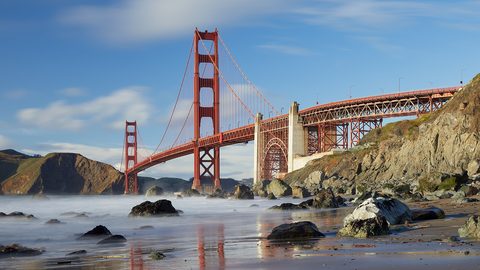 California
Eight hundred miles of desert, alpine range, and temperate coast in one state. The season that suits one part rules out another.
California
Eight hundred miles of desert, alpine range, and temperate coast in one state. The season that suits one part rules out another.