How to Pay for Things in the United States
The United States runs on cards, but sales tax is added at the register and tipping 18-22% is effectively mandatory. Here is how money actually works.
The Price You See is Not the Price You Pay
The single biggest financial surprise for visitors to the United States is that the price on a menu, a shelf, or a hotel booking site is never the final amount you hand over. Sales tax is added at the register. Tipping is expected on top of that. The total can land 30% higher than the displayed number. This guide closes that gap: know how cash and cards work, where the extra charges hide, and exactly how much to add for a tip before you arrive, not after you get the bill.
US Dollar Cash vs Card: What to Carry
Cards dominate in urban and suburban areas. Cash remains common in rural areas, small businesses, and for transactions under $10. Visa and Mastercard are accepted near universally where cards are taken. American Express has notable acceptance gaps at some small merchants and discount stores. Contactless payment is widespread in retail, grocery, pharmacy, and transit. It is not guaranteed at independent restaurants and bars. Carry at least one physical Visa or Mastercard and have a backup from a different network.
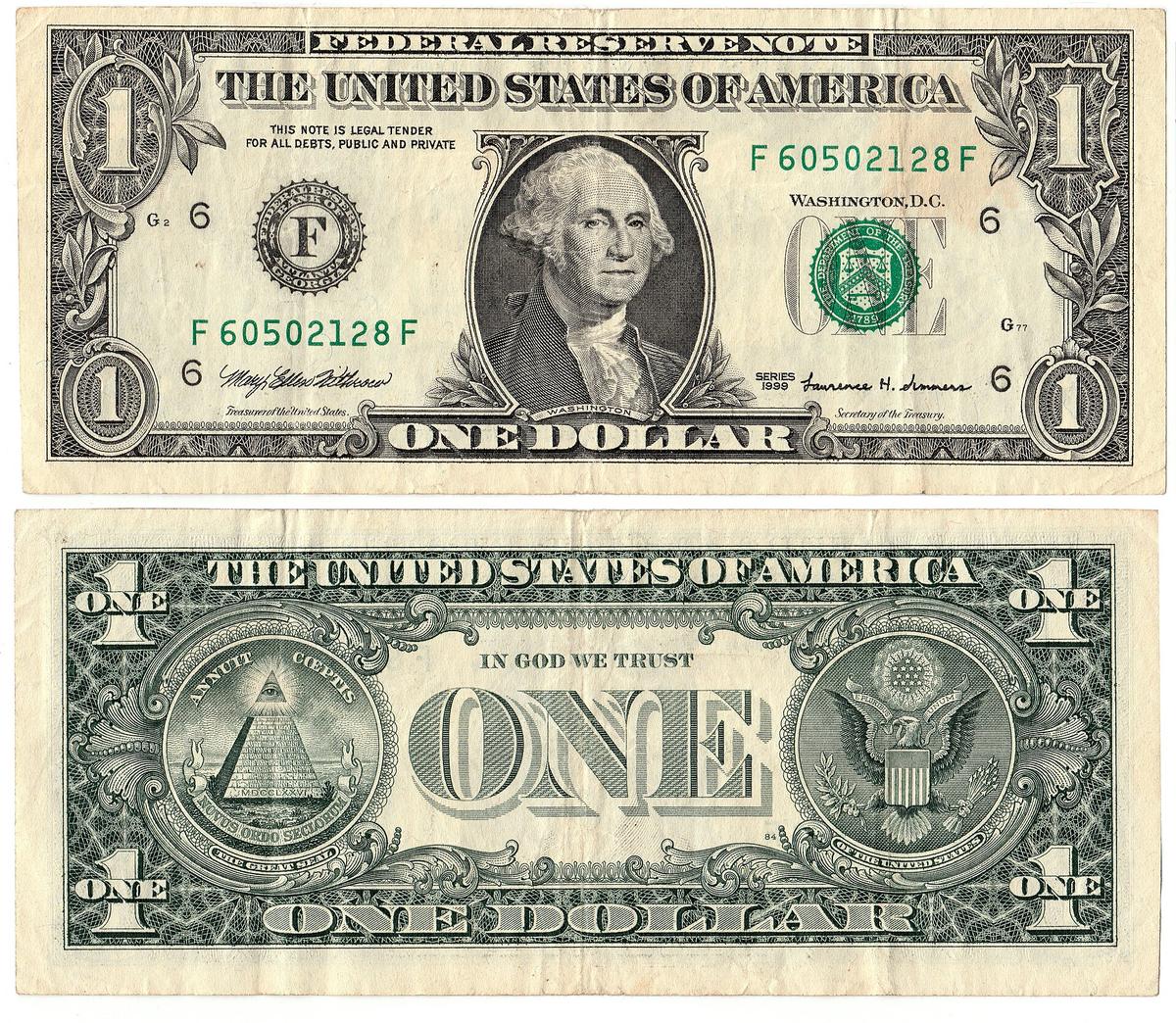
The largest denomination note commonly accepted in retail is the $20. A $50 or $100 bill will be refused at many small shops, food trucks, and taxi cabs because drivers and cashiers cannot make change. Break larger bills at a supermarket or a bank-owned ATM before you need to spend them.
Where Cash Still Wins
Cash remains necessary at rural farmers markets, some Native American reservation businesses, and small diners in the Great Plains and Mountain West. You also need cash for tipping valets and housekeeping, and for toll roads that have not switched to electronic billing. Most major toll routes now accept passes or licence plate billing.
Carry about $100 in small denominations ($5, $10, $20) as a baseline. Add another $50 if you plan to drive through remote areas or spend time in national parks where card terminals can be offline.
.jpg)
Sales Tax in the United States Explained
Sales tax is added at the register, not displayed on shelf prices, and varies by city and county. Combined rates range from approximately 0% in states that levy no sales tax on certain categories to over 10% in some cities. A sandwich in Chicago costs more at the register than the menu price because the city adds its own meals-tax surcharge on top of the state and county rates.
Groceries are exempt in most states. Restaurant meals are taxed in every state that levies sales tax. There is no way to know the exact rate without looking up the local tax code. The only reliable habit is to budget an extra 8 to 12% on every purchase that is not a grocery store staple. The displayed price is the base. Treat it as a starting bid, not a final cost.
Why The System Exists
The United States does not have a national sales tax. Each state sets its own rate, and many states allow counties and cities to add their own layers. A checkout in Portland, Oregon may have zero sales tax. A checkout in Baton Rouge, Louisiana may add over 10%. The variation is not signposted anywhere on the shelf. You learn it by looking at your receipt.
Tipping in America: Rules You Cannot Ignore
Tipping 18 to 22% is mandatory at sit-down restaurants. Failing to tip is seen as withholding wages from the server, not expressing dissatisfaction. The expectation applies to the pre-tax bill total. If your party is six or more, the restaurant may add automatic gratuity. Check the receipt: in many social contexts you still add a small extra amount on top.
Bar service: $1 to $2 per drink if paying in cash, 15 to 20% of the total if running a tab on a card. Counter service and takeout: tip prompts appear on payment screens with no fixed social obligation, though 10 to 15% is common in urban areas. Taxis and ride hailing: 15 to 20% of the fare, with an in-app tipping option after the ride. Food delivery: 15 to 20% of the order total, with a minimum of $3 to $5 in poor weather or for long distances. Hotel housekeeping: $2 to $5 per night, left daily, not at the end of the stay, because staff may change day to day. Porters and bellhops: $1 to $2 per bag. Tour guides: 10 to 20% of the tour cost for guides; $1 to $2 per person for group bus drivers.
How To Tip On A Card
The receipt includes a tip line. Write in the tip amount, add it to the total, and sign. The tip is processed as part of the same transaction. Some restaurants now present a terminal screen with preset tip percentages of 18%, 20%, and 22%. Choose one or select a custom amount. The 15% line that used to appear is disappearing. Budget for 20% as the new normal.
Automatic Gratuity And The Fine Print
Some establishments add automatic gratuity for parties of six or more. The threshold varies by restaurant. Read the bottom of the menu or the bottom of the receipt. If automatic gratuity is already included, you are not required to add more. Many locals add a small additional amount for good attention from the server. An automatic gratuity line that says "gratuity charge" or "gratuity included" may in some states be retained by the restaurant and not passed to the staff. When in doubt, ask the server directly.
ATM Fees for Foreign Cards: How to Avoid Them
ATMs are ubiquitous in cities and towns but sparse in remote rural areas, national parks, and on some Native American reservations. Bank-owned ATMs charge a fee to non-account holders, usually $2 to $5. Private ATMs in convenience stores, bars, and hotels charge higher fees. Your card-issuing bank may add its own foreign transaction and out-of-network fees on top of that. A single ATM withdrawal can cost $8 to $12 in combined fees.
To reduce fees: withdraw larger amounts less often, use a bank-owned ATM rather than a private machine, and open a bank account that reimburses foreign ATM fees before you travel. Charles Schwab, for example, reimburses all ATM fees worldwide. Other banks offer similar products for a monthly fee that can be waived with a minimum balance.
Dynamic Currency Conversion: The Hidden Extra Charge
Dynamic currency conversion (DCC) is offered by some private ATMs and a minority of bank ATMs. Some merchants also offer it at the point of sale when a foreign card is inserted. The machine presents a choice: be charged in USD or in your home currency. The exchange rate applied in DCC is set by the merchant's payment processor and runs 3 to 7% worse than the card network's wholesale rate. Always select USD if the machine offers a choice. If you are charged in your home currency without your consent, dispute the transaction with your card issuer.
Unattended terminals such as fuel pumps and parking kiosks sometimes require a US ZIP code and reject foreign cards. Go inside the gas station and pay at the counter, or look for a separate pin pad that accepts foreign digits. Some pumps accept debit cards with a five-digit numeric PIN. If your home PIN is longer than four digits, know the first four digits required by the US system.

Credit Card Acceptance and the Exceptions
Foreign-issued Visa and Mastercard cards are accepted anywhere that takes cards. The two notable exceptions are unattended terminals that demand a US ZIP code, and small independent merchants who may not accept contactless payment. If your card has no embossed numbers, some sit-down restaurants still use a manual imprinter and will need you to read the numbers aloud.
Carry a physical card as backup. Mobile wallet payments work at most major retailers, grocery chains, pharmacies, and public transit systems. Smaller businesses rely on the physical swipe or chip insertion. A single offline card terminal in a rural diner is enough to leave you unable to pay for a meal if your only option is a phone.
The One Thing That Most Often Goes Wrong
Visitors budget for the price on the menu, arrive at the register with the exact cash, and find they are short by 30%. The combination of sales tax added at the register and an 18 to 22% tip on top of the taxed total is a double hit that no displayed price communicates. A $30 entree becomes $36 at the register after tax, then requires a $7 tip on top of that, for a total of $43. That gap between $30 and $43 is the single most common wallet shock. Walk into every restaurant, bar, and shop expecting the number you see to be a base that rises by a third. That expectation, not a different payment method, is what will keep your budget intact.
Common Questions
How much cash do I actually need for a two-week trip to the United States?
$200 to $300 in small denominations ($5, $10, $20) is enough for tips, farmers markets, tolls, and emergencies. You will use cards for nearly everything else in cities. Add more if you drive through remote areas or spend multiple days in national parks where card terminals can be offline.
What happens if I cannot tip the full 20% at a restaurant?
The socially acceptable minimum is 15% for adequate attention. Below that, you risk a confrontation with the server or manager. In practice, many locals consider 18% the new floor. The only safe way to tip less is to leave a thoughtful note explaining a genuine failure of attention. For ordinary meals, budget 20%.
Do I have to tip on top of automatic gratuity?
No. If the restaurant already added a gratuity charge or automatic gratuity for a large party, that amount covers the tip. Some diners add a small extra amount for exceptional attention. If the charge is labelled as a fee rather than a gratuity, ask the server whether it goes to them or to the restaurant.
Why do US prices not include tax?
There is no national sales tax. Each state, county, and city sets its own rate. Displaying the pre-tax price allows a chain store to advertise the same shelf price nationwide while collecting different taxes at different locations. The system is confusing by design for the merchant's convenience.
Can I use my foreign debit card at a US gas pump?
Yes, but many pumps require a five-digit US ZIP code. Enter 00000 or the digits of your postal code followed by zeros to reach five digits. If that fails, prepay inside the station. Some pumps accept credit cards without a ZIP code prompt.
Read next
-
 Staying Connected While Traveling Through the United States
Prepaid eSIMs work well in US cities, but a physical T-Mobile or AT&T SIM bought at arrival gives better rural coverage for national parks and long highway drives.
Staying Connected While Traveling Through the United States
Prepaid eSIMs work well in US cities, but a physical T-Mobile or AT&T SIM bought at arrival gives better rural coverage for national parks and long highway drives.
-
 Best Time to Visit the United States by Region and Season
The United States spans so many climates that no single season works everywhere. Here is what each region delivers, and when to stay away.
Best Time to Visit the United States by Region and Season
The United States spans so many climates that no single season works everywhere. Here is what each region delivers, and when to stay away.
-
 Getting Around the United States Without Underestimating the Distances
Outside the Northeast Corridor, the United States runs on cars and domestic flights. Distances are enormous and Amtrak is scenic but slow.
Getting Around the United States Without Underestimating the Distances
Outside the Northeast Corridor, the United States runs on cars and domestic flights. Distances are enormous and Amtrak is scenic but slow.
-
 United States Visa Rules and the ESTA Process Explained Simply
Most visitors to the United States need either an ESTA authorization or a B-2 tourist visa. Here is who needs which and how the process runs.
United States Visa Rules and the ESTA Process Explained Simply
Most visitors to the United States need either an ESTA authorization or a B-2 tourist visa. Here is who needs which and how the process runs.
-
 Reading United States Safety Advice Without Being Misled by It
Safety in the United States is hyperlocal, and the visible poverty in public spaces can jar first-timers. Here is how to read the advice without being misled.
Reading United States Safety Advice Without Being Misled by It
Safety in the United States is hyperlocal, and the visible poverty in public spaces can jar first-timers. Here is how to read the advice without being misled.
-
 What It Costs to Travel Across the United States Without Blowing Your Budget
How a United States trip budget is shaped by the non-negotiable cost of a car, the tipping layer on every meal, and sales tax that appears only at the register.
What It Costs to Travel Across the United States Without Blowing Your Budget
How a United States trip budget is shaped by the non-negotiable cost of a car, the tipping layer on every meal, and sales tax that appears only at the register.
-
 Nevada
 is a state of extreme contrasts: the 24-hour artificial fantasy of the Las Vegas Strip gives way to vast, silent desert where services vanish and the
Nevada
Nevada is a state of extreme contrasts: the 24-hour artificial fantasy of the Las Vegas Strip gives way to vast, silent desert where services vanish and the
-
 Maryland
 is built around the Chesapeake Bay, where steamed crabs and slow ferries set the pace and the two shores are close on a map but far apart by road.
Maryland
Maryland is built around the Chesapeake Bay, where steamed crabs and slow ferries set the pace and the two shores are close on a map but far apart by road.
-
 California
Eight hundred miles of desert, alpine range, and temperate coast in one state. The season that suits one part rules out another.
California
Eight hundred miles of desert, alpine range, and temperate coast in one state. The season that suits one part rules out another.