Spain Trip Cost Breakdown by Category, From Tapas Trails to Train Tickets
How money flows through a Spanish trip, from cheap morning cafés and set lunch menus to the accumulating cost of pintxos crawls and peak-season coastal beds.
Why the Budget Question Misses the Point
Most travellers ask how much a Spain trip costs before they understand what shapes the spending. The real question is not a total figure. It is which parts of the trip drain money without warning and which parts cost almost nothing for the pleasure they deliver. A category breakdown helps, but only when it accounts for the country's rhythm: the cheap morning coffee, the creeping cost of a pintxos crawl, the 10 pm dinner that is the most expensive single meal of the day.
Spain is regionally fractured in its pricing. Andalusia delivers value that feels almost reckless. The Basque Country charges a premium for its Michelin density and coastal scarcity. Madrid gives away its best museums for free during set hours. Barcelona charges entry to almost everything. A budget that works in Jaén fails in the north, and the traveller who plans for the wrong region will feel the difference by day two.

Spain Daily Budget Planning: the Real Rhythm
The day starts cheap. A café con leche at any bar costs little, whether you stand at the counter or take a seat. The price doubles if you sit on a terrace table in a main square, so choose the counter for the morning hit. Breakfast of coffee and a pastry is the lowest spend of the day. Keep it that way.
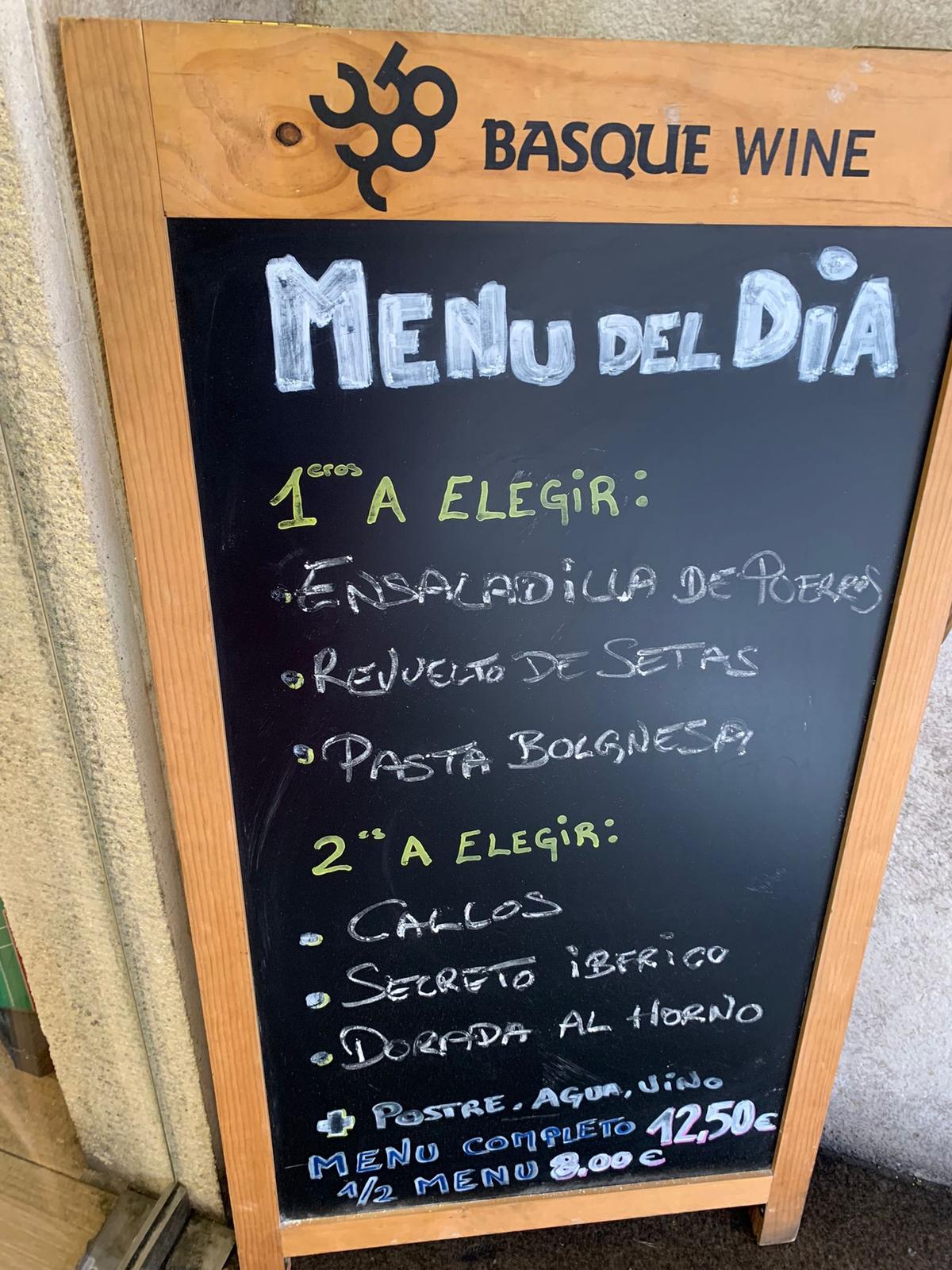
Lunch is where the structure of Spanish eating saves you. The menú del día, a fixed price three course meal with a drink, is offered on weekdays by almost every restaurant. It is the single most cost effective way to eat a full meal in Spain. The difference between a city tier and a region is visible in what that menu covers. A menú del día in Granada or Córdoba costs far less than the equivalent in the Basque city or central Madrid, but the quality gap is smaller than the price gap.
The Evening Escalation
Dinner is the spendiest meal, and not just because you order more. Restaurants rarely open their kitchens before 8:30 pm, and service is in full swing at 10 pm. Show up at 7 pm and you find a closed kitchen and a bar of standing diners. That late start means you are eating a full meal, not a snack, and table service in a sit down restaurant carries the highest margins. Plan for the menú del día to be your main meal and dinner to be lighter. Or accept that the 10 pm dinner will be the biggest line item of the day.
The pintxos crawl in Bilbao or Pamplona adds up bar by bar. Each piece costs modestly, but three bars with two pintxos and a drink at each produces a total that matches a sit down dinner in a mid range restaurant. The value is not in the cost. It is in the experience of moving through bars on Calle San Juan in Pamplona or the Casco Viejo in Bilbao. Budget for it as an evening, not as cheap eating.
When to Splurge vs Save in Spain
Some spending categories in Spain are traps. Others deliver outsized value. The skill is telling them apart before you arrive.
Splurge On These
Rooms in the coastal Basque Country in July and August cost two to three times the off season rate, and they are still hard to find. If you are visiting in summer, book six months ahead or skip the coast entirely and stay in Bilbao instead, then take the one hour bus for a day trip. The same logic applies to Ibiza and Mallorca in July and August: Balearic lodging multiplies in peak season, and the Ibiza beach club daybed rates are among the most expensive per square metre in the country.
The Alhambra in Granada requires tickets booked weeks in advance. Resale tickets, if you can find them, come at a premium that rivals the original cost of a guided tour. Book directly through the official site the moment you confirm your travel dates. The same rule applies to the Sagrada Família in the Catalan capital and the timed entry at Park Güell: walk up sales are unreliable, and third party bundles overcharge for what is a simple online booking.
Save On These
House wine in Spanish bars is cheap. It is not a status item. It is the everyday drink, priced to move, and ordering it by the glass or in a carafe saves you from the markup on branded bottles. If you are eating at a restaurant that offers a menú del día, the included drink is wine, water, or beer. Take it. It is part of the value.
Intercity buses via ALSA cover nearly every mainland route at a fraction of the high speed rail price. The trade off is time. A Madrid to Seville trip by ALSA bus takes around six hours versus the AVE train at under three hours. For the traveller on a tight budget, overnight buses save both money and a night of lodging. Regional Cercanías trains in Madrid, Barcelona, Valencia, and Bilbao cost flat fares and are the most efficient way to move within a metropolitan area.
Free municipal WiFi is extensive in major city plazas and libraries. You do not need a data plan. A Spanish SIM from Movistar, Vodafone, or Orange requires passport registration to buy, but eSIMs from local operators are available and easier for short trips.
Spain Regional Price Differences
Andalusia is where your money goes furthest. Granada still serves a free tapa with every drink order in many bars, a tradition that has mostly vanished elsewhere. Córdoba, Jaén, and the inland towns of Granada province offer lodging prices that are surprisingly cheap even in peak season because the tourist demand concentrates on the coast and the Alhambra. The menú del día in a Córdoba bar costs less than a single pintxo in the northern coastal city.
The Basque Country is the premium zone. The coastal resort has the highest lodging costs in mainland Spain, and the pintxos bars charge enough per piece that a full crawl matches the cost of a Michelin starred lunch in other regions. Bilbao is more moderate, and the Guggenheim Museum justifies its entry fee more easily than the smaller museums in the Catalan capital. The trade off is the quality of the food: Basque cuisine commands its premium for a reason.
Madrid wins on free culture. The Prado, Reina Sofía, and other national museums offer free entry during set hours, the last two hours of the day on certain weekdays or specific days monthly. You can build a full day around these windows and spend nothing on attractions. The Catalan capital charges for everything: Sagrada Família, Park Güell, Casa Batlló, Casa Milà. The combined ticket cost for Gaudí's major works is a significant line item in any budget there.
Inland Castile and León, Extremadura, and Aragon are the least expensive regions for lodging and food. Teruel province and most of Extremadura see so few foreign tourists that prices remain flat year round. The trade off is distance: you need a car to explore the dehesa woodlands of Extremadura or the Pyrenean peaks of Aragon, and fuel costs for a road trip can offset the savings from cheap rooms.
Spanish Meal Cost Expectations
The menú del día is the benchmark. It covers a starter, main course, dessert or coffee, and a drink. On a weekday lunch, it is the best value meal in Spain. The price varies by city: expensive in the northern resort and central Barcelona, moderate in Madrid and Valencia, low in Granada and Córdoba. Outside major tourist zones, the price drops further.
Breakfast of coffee and a pastry at a bar counter costs very little. A table on a terrace pushes that price higher. The decision where to sit is a budget decision.
Dinner at a mid range restaurant with table service, wine, and dessert is the costliest single meal. If you want to control food spending, make the menú del día your main meal and eat a light dinner of tapas or a supermarket picnic. Supermarket food in Spain is good. Local markets offer fresh bread, cheese, jamón, and fruit for less than a restaurant breakfast.
Pintxos in the northern coastal city are the trap: each one looks cheap, but four bars with three pieces each and a drink at every stop produces a total that surprises first time visitors. Treat it as a premium evening meal, not a cheap alternative to dinner.
The Single Biggest Cost: Getting Around
The high speed AVE train network is the dominant intercity mode for distances over 300 kilometres, and it is expensive unless you book ahead. Fares rise sharply close to departure. The same Madrid to Seville journey costs two to three times more if booked on the day of travel versus three weeks ahead. Renfe uses dynamic yield managed pricing. Competitors Ouigo España and Iryo operate on major corridors with their own pricing. Comparing all three before booking saves money.
The Payment Problem
Renfe's online payment system blocks non Spanish credit cards. Use PayPal or a card with strong 3D Secure authentication. If your card fails, try again with a different payment method. Station WiFi is unreliable for last minute bookings, so download the Renfe app before arrival and complete all purchases on a stable connection.
Alternatives to the Train
Bus networks via ALSA are the cheapest option. The same routes cost a fraction of the rail price. Overnight buses save a night of lodging. The trade off is time and comfort, but for a budget trip the savings are substantial.
Car rental base rates in Spain are low by Western European standards. Insurance add ons and one way drop fees can double the quoted price. If you are crossing regions, check the one way fee before booking. Fuel prices in Spain sit below the EU average, but a road trip through Extremadura or Aragon still adds a significant line item to the budget.
Download the Renfe app, check the ALSA bus network for your routes, and book lodging for the northern coast or the Balearic Islands now if you are travelling between July and August. Those three steps prevent the most common budget failures in a Spain trip: expensive last minute trains, overpriced walk up hotel rates, and a payment system that blocks your card at the station.
Common Questions
How much should I budget for food per day in Spain?
Rather than a daily figure, plan the structure: a cheap breakfast at a bar counter, a menú del día for lunch, and a lighter dinner of tapas or a supermarket meal. That pattern costs far less than three sit down restaurant meals. The menú del día is the key saving; skip it and you pay restaurant prices for every meal.
Is it cheaper to stay in Madrid or Barcelona?
Madrid is less expensive for lodging, and its free museum entry windows reduce attraction costs. Barcelona charges for most major sites and has higher lodging costs in central districts. The two cities are not far apart in total trip cost, but Madrid gives you more value for the money.
When is the cheapest time to visit Spain?
Low season from November to March offers the lowest prices across most of mainland Spain, except for Christmas, New Year, and ski areas. Inland cities are cold but cheap. The Canary Islands invert the pattern: peak demand from November to March drives prices up, so visit the Canaries in summer for lower costs.
Do I need to tip in Spain?
Tipping is not obligatory. Round up to the nearest euro or leave 5 to 10 percent for exceptional service in restaurants. In bars, no tip is expected for a single drink. Taxi drivers do not expect a tip beyond rounding up.
What is the most expensive part of a Spain trip?
Lodging is the biggest line item, followed by intercity transport. The worst case is a summer trip to the northern coast or Ibiza with last minute hotel bookings and peak season AVE fares. Book lodging and long distance trains ahead to control both categories.
Read next
-
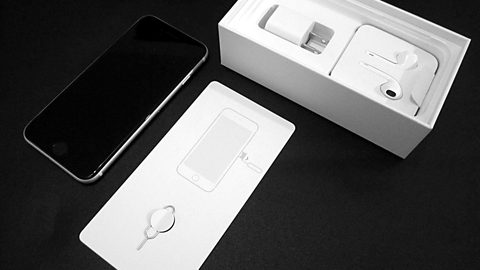
 Staying Connected in Spain With eSIM, a Local SIM, or Just WiFi
Weighing an eSIM against a Spanish shop-bought SIM against free WiFi, with the passport-registration rule that makes airport SIM queues a grind.
Staying Connected in Spain With eSIM, a Local SIM, or Just WiFi
Weighing an eSIM against a Spanish shop-bought SIM against free WiFi, with the passport-registration rule that makes airport SIM queues a grind.
-
 Best Time to Visit Spain by Region and Season Reality
Spain has no single best month. Andalusia bakes in August while the north is mild, and the shoulder seasons deliver the sweet spot for most regions.
Best Time to Visit Spain by Region and Season Reality
Spain has no single best month. Andalusia bakes in August while the north is mild, and the shoulder seasons deliver the sweet spot for most regions.
-
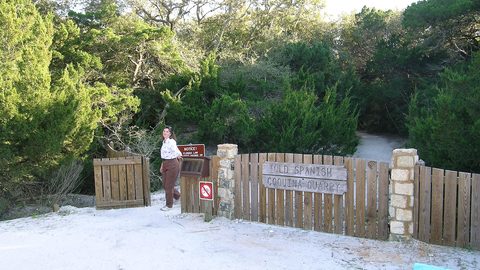 Getting Around Spain Without Believing the Distance Map
Spain's high-speed trains shrink the map, but the gaps between lines and Renfe's payment quirks can derail a tight itinerary.
Getting Around Spain Without Believing the Distance Map
Spain's high-speed trains shrink the map, but the gaps between lines and Renfe's payment quirks can derail a tight itinerary.
-
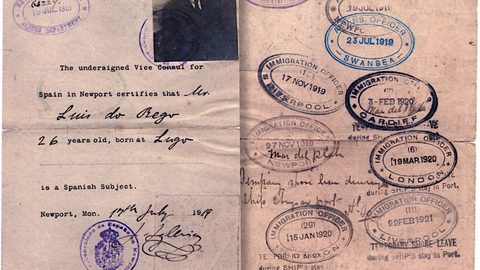 Spain Visa Requirements and the Schengen Short-Stay Rules
Whether you need a visa for Spain depends on your passport and how long you plan to stay. The Schengen 90-day clock trips up even experienced travellers.
Spain Visa Requirements and the Schengen Short-Stay Rules
Whether you need a visa for Spain depends on your passport and how long you plan to stay. The Schengen 90-day clock trips up even experienced travellers.
-
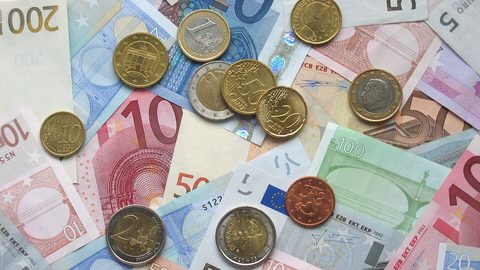 Cash or Card in Spain and Where the Euro Still Demands Coins
Spain takes contactless almost everywhere, until it does not. Small bars, market stalls, and rural buses still run on coins. Here is what to carry and when.
Cash or Card in Spain and Where the Euro Still Demands Coins
Spain takes contactless almost everywhere, until it does not. Small bars, market stalls, and rural buses still run on coins. Here is what to carry and when.
-
 Spain Safety Advice Without the Overblown Warnings
Spain is safe by any measure of violent crime, but pickpocketing in Barcelona's metro and Madrid's tourist hubs is a professional operation. What to watch for.
Spain Safety Advice Without the Overblown Warnings
Spain is safe by any measure of violent crime, but pickpocketing in Barcelona's metro and Madrid's tourist hubs is a professional operation. What to watch for.
-
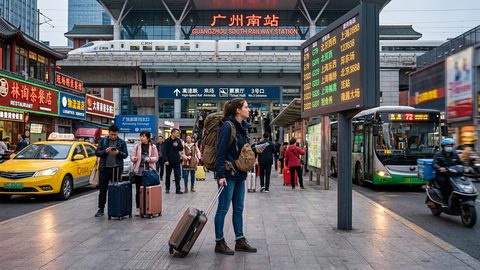 A Ground-Level Logistics Guide to Independent Travel in China
First-time independent travel in China: what you need to know about visas, rail booking, eSIMs, mobile payments, and power adapters.
A Ground-Level Logistics Guide to Independent Travel in China
First-time independent travel in China: what you need to know about visas, rail booking, eSIMs, mobile payments, and power adapters.
-
 How Solo Travelers Stay Ahead of Flight Delays and Cancellations
How solo travelers can track inbound aircraft, claim rebooking rights, and adjust ground transport when flights go wrong — step by step.
How Solo Travelers Stay Ahead of Flight Delays and Cancellations
How solo travelers can track inbound aircraft, claim rebooking rights, and adjust ground transport when flights go wrong — step by step.
-
 Why Your eSIM Might Not Work Abroad and How to Check Before You Go
Buying an eSIM doesn't guarantee signal abroad. Learn why coverage fails by location and how to verify reach before you commit to a plan.
Why Your eSIM Might Not Work Abroad and How to Check Before You Go
Buying an eSIM doesn't guarantee signal abroad. Learn why coverage fails by location and how to verify reach before you commit to a plan.