Practical Spain Safety Travel Advice Without the Usual Fear Factor
Spain is safe by any measure of violent crime, but pickpocketing in Barcelona's metro and Madrid's tourist hubs is a professional operation. What to watch for.
Spain Safety Advice Without the Overblown Warnings
You are standing in Puerta del Sol, Madrid, a bag across your shoulder, phone in your jacket pocket. Within 30 seconds, a team of three people can lift the phone and be 50 metres away. You will not feel a thing. Government travel advice has to cover every remote risk, so the real hazards you face as a visitor get buried under warnings about earthquakes and volcanic eruptions. This strips those out. You need to know about pickpocketing in specific zones, distraction scams on public transport, and which neighbourhoods are genuinely unsafe at night. The rest is noise.
Spain is one of the safest countries in Europe for violent crime. The homicide rate sits at 0.6 per 100,000 residents, roughly one fifth of the US rate and below the EU average. Almost every incident that affects a visitor is non-violent property crime. The risk is concentrated, professionalised and predictable. You can manage it without changing your behaviour. Just know where and how it happens.
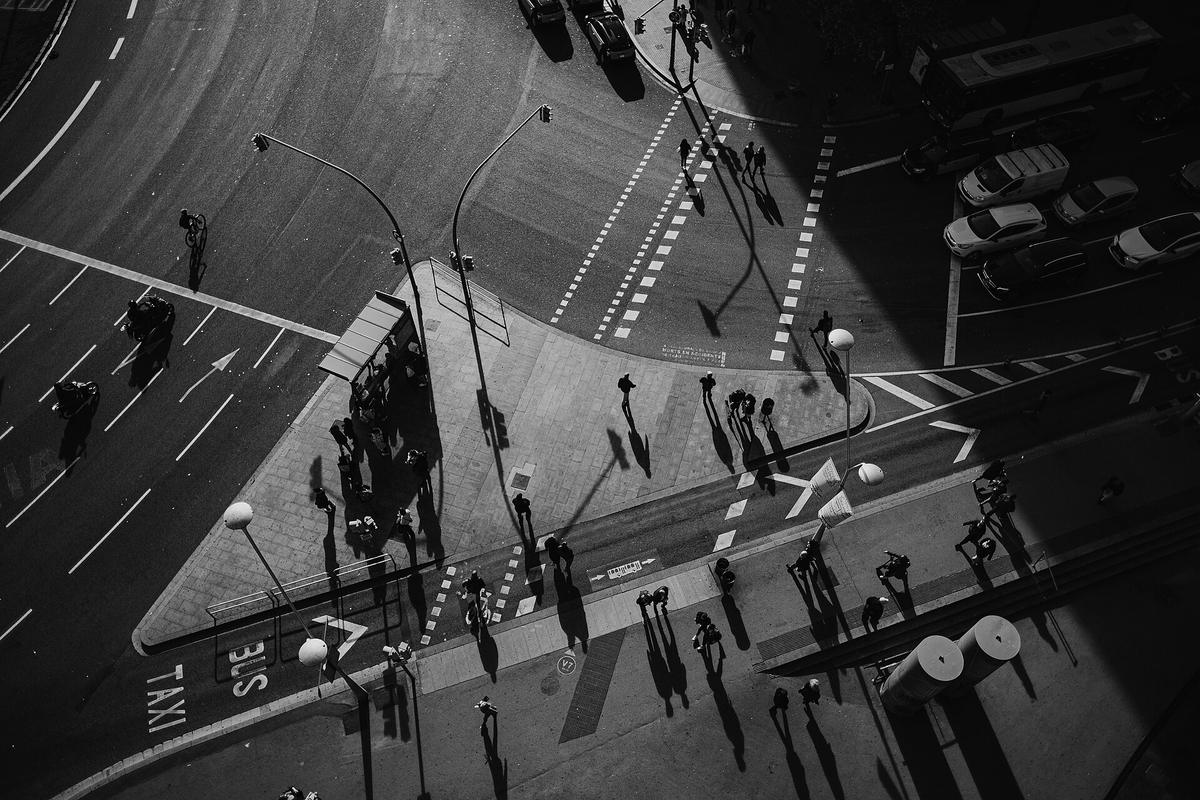

Spain Pickpocketing Hotspots
Barcelona Metro Lines
Pickpocketing in Spain is not casual theft. It is a practised trade with techniques refined over years, and it operates in a small set of predictable locations. The highest-risk zones are the Barcelona metro, Madrid's Puerta del Sol and its surrounding shopping streets, and the dense crowds of any major festival.
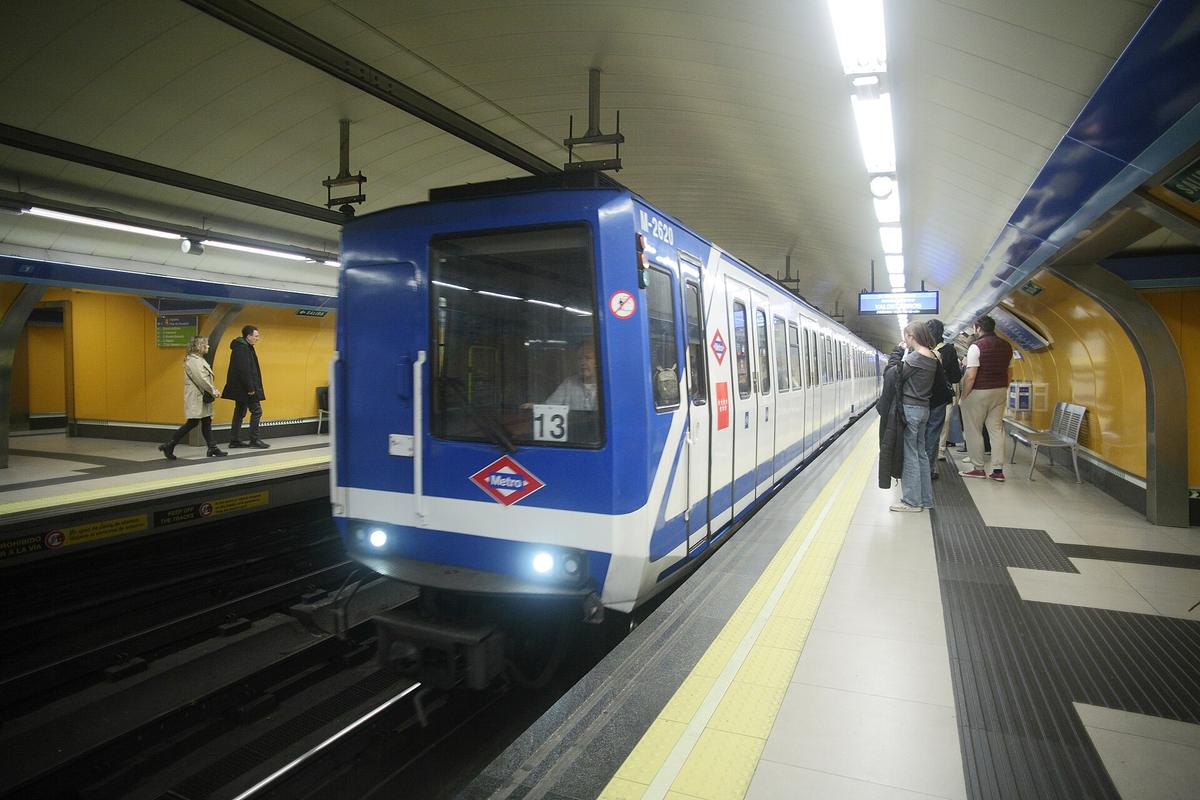
On the Barcelona metro, the highest theft risk is on Line 3 between Drassanes and Passeig de Gràcia, and on Line 1 between Catalunya and Espanya. These are the routes tourists ride most. Thieves work in pairs or trios. One blocks the turnstile or bumps into you at the door; the other reaches into your bag. The theft risk is so well documented that local police conduct plainclothes operations on those exact lines. You reduce your risk by keeping your bag zipped and in front of your body. Do not wear a backpack in a crowded carriage.
Puerta del Sol and Festival Crowds
Madrid's Puerta del Sol is a pedestrian square with high throughput and narrow exits. Theft here happens in the transition between the square and the side streets, especially near the metro entrance at the southern end. A common technique is the 'greeting' approach: someone asks for a photo, a donation, or directions while an accomplice works your bag from the side. In Puerta del Sol, your phone should never be in your back pocket or hanging from a jacket zipper.
Crowded festival streets create the third zone. Las Fallas in Valencia, Semana Santa processions in Seville, and the San Fermín running in Pamplona all produce shoulder-to-shoulder movement where a team of three thieves can operate. In these conditions, a cross-body bag worn with the clasp at your front is the only safe configuration.
Barcelona Metro Theft Risk: the Specific Lines and Hours
Metro theft is not spread evenly across the network. The highest-risk lines are L3 (Green) and L1 (Red) during the 10:00 to 14:00 window when tourist traffic peaks, and again between 18:00 and 21:00 when the evening rush adds commuters to the mix. The stations with the highest recorded thefts are Drassanes, Passeig de Gràcia, Catalunya and Espanya. These connect the cruise port, the central shopping district and the main train station.
Thieves use a technique called the 'angled approach'. They stand close enough to brush your bag while the train is in motion, then slide a hand inside without breaking your peripheral vision. A variant involves spilling a drink on you at the moment the doors open, creating a distraction for the three seconds it takes to lift a phone from your pocket. The response is not to avoid the metro. It is to move your phone to an inside jacket pocket or a front trouser pocket before you board, and to keep your hand on your bag during the door opening sequence.
Spain Tourist Scam Awareness: the Patterns That Work
Three Distraction Techniques
Recognise the same distraction techniques used across the country. The first is the liquid spill. Someone bumps into you and spills coffee, water or what looks like mustard on your shirt. They apologise profusely and start wiping it off with a napkin. While you look down at the stain, an accomplice lifts your phone from the jacket you are not wearing because it is over your arm. The second is the petition scam. A person approaches you with a clipboard, asking you to sign a petition for a deaf charity or an environmental cause. You hold the clipboard, the person makes eye contact and keeps talking, and another person works your bag. The third is the luggage assistance scam at a train station entrance. Someone offers to carry your suitcase up a flight of stairs, then disappears into a crowd with it. A fourth pattern, the 'greeting' approach in squares, involves an overly friendly request for a photo or directions while an accomplice lifts your phone.
These patterns account for the majority of reported thefts from visitors. The instruction is simple: do not let anyone touch you or your belongings in a crowded space. You are allowed to be rude. Saying 'no' firmly and walking past is the correct response to every clipboard, every spilled drink, and every offered hand with luggage.
Pricing Scams
Overcharging in taxis and bars without displayed prices is a separate category. It is not a distraction scam but a pricing scam, and it is concentrated in high-tourism coastal areas like the Costa del Sol, parts of Ibiza and the city's Barceloneta district. Always confirm the fare before a taxi starts the meter. In a bar, confirm the price of a drink before you order if you do not see a list. The rule applies hardest in August, when temporary staff are working and the usual owner is not present.
| Location | Primary Risk | Time Window | Defensive Action |
|---|---|---|---|
| Barcelona metro L3 (Drassanes-Passeig de Gràcia) | Distraction pickpocketing | 10:00-14:00, 18:00-21:00 | Front body bag, phone in inside pocket before boarding |
| Madrid Puerta del Sol and side streets | Greeting/distraction theft | 12:00-20:00 | No phone in back pocket, cross-body bag with clasp at front |
| Las Fallas, Valencia; Semana Santa, Seville; San Fermín, Pamplona | Organised team theft in crowds | All hours during procession or event | Cross-body bag, no backpack, no valuables in outer coat pockets |
| Barcelona Barceloneta beach | Unattended bag theft while swimming | 11:00-17:00 summer months | Use locker or leave nothing on the sand; beach patrols exist but do not cover every metre |
| Costa del Sol taxi ranks and unmarked bars | Overcharging without displayed price | Evening and late night | Confirm taxi fare before starting; ask bar price before ordering |
Spain Safe Neighbourhoods: Which Areas to Choose
Madrid
Safe neighbourhoods are the rule, not the exception. The violent crime rate is low across every major city. The question is not which areas are dangerous, but which areas have the lowest risk of petty theft and the best street-level lighting and foot traffic at night. For a visitor, that means choosing neighbourhoods where restaurants serve dinner until midnight. A street with open kitchens and outdoor tables is a street with witnesses.
In Madrid, the neighbourhoods with the lowest reported property crime are Chamberí, Salamanca and Retiro. Chamberí is a residential district with wide avenues and few tourist crowds. Salamanca has high-end shops and 10pm dinner crowds on Calle Serrano and Calle Velázquez. Retiro, the area around the park of the same name, is quiet and policed heavily. The central district of Sol and the area around Gran Vía are not dangerous, but they are the zones where theft happens because the density is high. You do not avoid them. You just keep your bag closed and your phone out of sight.
Barcelona and Seville
In the Catalan capital, the safest central neighbourhoods for visitors are Gràcia and Eixample. Gràcia has narrow pedestrian streets, a local evening atmosphere and very few teams working the crowds. Eixample, the grid district, has wide pavements and good lighting. El Raval and the area immediately around the Gothic Quarter have higher theft rates, especially after midnight. The Gothic Quarter itself is not unsafe, but its narrow alleys create blind spots that theft teams use. Stay on the main pedestrian routes through the quarter, not the side alleys, after 22:00.
In Seville, the Santa Cruz neighbourhood is the historic centre and the most tourist-dense. It is safe, but its winding lanes make pickpocketing easier. The area around the Alameda de Hércules is where most nightlife runs, and the streets are well lit and busy until 2am. The risk there is drink spiking, not theft. Drink spiking in nightlife areas is a reported risk across major cities and coastal resorts, targeting both men and women. Keep your drink in your hand and do not accept an open drink from a stranger.

Driving in Spain: the Risks That Matter for Visitors
Rules and Fines
Driving carries more real risk than walking in any city centre. Road traffic is the leading cause of accidental death for foreign visitors, and most of the rules that catch people out are enforced with on-the-spot fines payable immediately with a 50 percent reduction if you pay within 20 days. The officer must issue an official receipt called a boletín de denuncia. If they cannot produce it, do not pay.
The blood alcohol limit for general drivers is 0.5 g/L in blood; for novice and professional drivers it is 0.3 g/L. Drug driving is zero tolerance: any prohibited substance in saliva is an offence. Mobile phone use while driving is prohibited except with a fully hands-free system. Holding the device is an offence. Radar detectors are banned. Possession alone carries a fine.
Speed Limits and Equipment
Speed limits are 120 km/h on motorways, 90 km/h on main roads outside built-up areas (or 100 km/h if the road has a physical separation of carriageways), 50 km/h in built-up areas, 30 km/h on single-lane one-way streets and 20 km/h on shared pedestrian platforms. Seatbelts are mandatory for all occupants, front and rear. Children under 135 cm must use an approved child restraint system in the rear seats.
The mandatory equipment in your vehicle is two warning triangles or one V-16 hazard light (the transition to the V-16 light is mandatory from 1 January 2026), a reflective vest that must be worn when you exit the vehicle on a carriageway or hard shoulder, and a spare wheel with tools or a puncture repair kit. Low emission zones, called ZBE, are mandatory in municipalities over 50,000 population. Access requires an environmental badge, the Distintivo Ambiental, displayed on the windscreen. Foreign-plated vehicles must register for access in some cities. Non-EU driving licence holders need an International Driving Permit unless a bilateral agreement exists with your country.
The failure case is the toll road. Some autopistas are tolled, but many have been transferred to state operation and are toll-free since 2021. Check the specific route before you set off. The toll status changes by segment and the sign at the entry point may not be updated.
Health and Environmental Risks: What Actually Affects You
Water, Sun and Heat
Tap water is safe to drink in all mainland cities and towns. The taste varies by region: hard water in Mediterranean coastal areas, softer in the north. On the coastal islands, tap water is technically potable but often high in minerals and salinity, and bottled water is widely used by residents.
Sunburn risk runs from April through October, peaking June to August. The sun in Andalusia and Extremadura in July is strong enough to cause burns in under 20 minutes on fair skin. Heatwave patterns across July and August regularly push inland temperatures above 40 degrees Celsius in Andalusia, Extremadura and parts of Castile and León. The typical Spanish afternoon closure of shops, pharmacies and museums, roughly 2pm to 5pm, exists partly because of this heat. You schedule your outdoor activity for 8am to 1pm, rest indoors during the shutdown, and resume at 5pm.
Insects, Wildfire and Floods
The tiger mosquito is present in Mediterranean coastal regions, and occasional locally acquired dengue cases have been reported. The risk is low, but you should use DEET-based repellent in the evenings during summer months. Tick-borne diseases including Lyme disease and Crimean-Congo haemorrhagic fever are recorded sporadically in Extremadura, Castilla y León and parts of Andalusia. After a walk in the countryside, check your legs and waistband for ticks. Wildfire risk runs June through September, most acute July and August in interior and Mediterranean regions. Flash flood risk, known locally as gota fría or DANA, peaks September through November in Mediterranean coastal areas and the Balearics. If you are driving and see a sudden rise in water level across the road, turn around. Do not attempt to drive through it.
Healthcare Access
Healthcare access for EU and EEA visitors is through the European Health Insurance Card (EHIC) or the UK Global Health Insurance Card (GHIC), accepted in public health centres and public hospitals. Non-EU visitors need travel health insurance for visa issuance, and private insurance is recommended unless a reciprocal agreement exists with your country. Pharmacies are identified by a green cross sign, and farmacias provide first-line medical advice and can dispense some prescription-equivalent medications. Hospital emergency departments, called urgencias, are available in all provincial capitals and major towns.
The One Number That Tells You Everything
The emergency number across Spain is 112. It works for police, ambulance and fire, and operators speak English. The three police types you need to recognise are the Policía Nacional, who handle urban areas and tourist zones; the Guardia Civil, who cover rural areas, highways and borders; and the Policía Local or Municipal, who manage traffic and local bylaw enforcement. If you are pickpocketed on the metro in the Catalan capital, the correct force to report it to is the local Mossos d'Esquadra, which is Catalonia's regional police and operates separately from the national system. In Madrid, report theft to the Policía Nacional at a comisaría. You need the report for an insurance claim, but do not expect the property to be recovered.
The Failure Case and What to Do Next
The single thing that most often goes wrong for visitors in Spain is not theft. It is the afternoon closure. You arrive at a museum at 14:45, and the sign says it closes at 14:30 and reopens at 17:00. You find a restaurant at 18:30 and the kitchen is closed until 20:30. You walk into a shop at 15:15 and the shutters are down until 17:00. The siesta closure, roughly 2pm to 5pm, still shuts many shops, pharmacies and museums outside major city centres and malls. Dinner service rarely begins before 20:30 and is in full swing at 22:00. Showing up at 19:00 means a closed kitchen and a bar of standing diners.
Build your day around these closures. Schedule your main sight for 09:00 to 14:00, take a rest during the shutdown, and plan your evening activity to start at 18:00. Book a late dinner for 21:00. The one thing that saves more trips than any safety advice is carrying a water bottle and a snack between 14:00 and 17:00, because the shops are shut and the restaurants are not serving.
Common Questions
Is Spain safe for solo female travellers at night?
Yes, in the central neighbourhoods of every major city. The violent crime rate is low. The risk is pickpocketing and unwanted attention, both of which are higher in nightlife areas after midnight. Stay on main streets with open restaurants, avoid unlit side alleys, and keep your phone out of sight. The same rules apply in Madrid's Sol district, the Gothic Quarter and Seville's Santa Cruz after 22:00.
What should I do if I am pickpocketed?
Go to the nearest police station of the correct force. In Catalonia, that is the Mossos d'Esquadra. In the rest of Spain, the Policía Nacional. You need the police report for an insurance claim. Cancel bank cards immediately. Do not expect to recover the stolen items. The thefts are professional and the items are usually moved out of the city within hours.
Are taxis safe in Spain?
Licensed taxis are safe. The risk is overcharging, not physical safety. Use official taxi ranks, confirm the fare before the meter starts, and check that the meter is running. In the Catalan capital, the official rate from the airport is a flat fare of approximately 30 to 40 euros to the central zone. In Madrid, the flat rate is 30 euros. In both cities, unlicensed cars that approach you inside the arrivals hall are not taxis.
Is drink spiking common in Spain?
It is a reported risk in nightlife areas of major cities and coastal resorts, targeting both men and women. The highest reported incidence is in Ibiza, El Raval and Madrid's Chueca district. Keep your drink in your hand at all times. Do not accept an open drink from a stranger. If you feel suddenly drowsy or dizzy after one drink, tell a staff member immediately.
Which Spanish cities have the highest theft rates?
The Catalan capital has the highest reported pickpocketing rate per visitor, followed by Madrid. Seville and Valencia have lower rates but still see concentrated theft during festival periods. The Balearic Islands, particularly Ibiza, have high rates of drink spiking and bag snatching in nightlife zones during peak summer months.
Can I drink tap water in Spain?
Yes, in all mainland cities and towns. The taste varies by region, with hard water in Mediterranean coastal areas and softer water in the north. On the Balearic and Canary Islands, the water is technically potable but often high in minerals and salinity, and bottled water is widely used by residents.
Do I need a visa for Spain?
EU and EEA nationals do not need a visa. UK nationals can visit for up to 90 days in any 180-day period without a visa. US, Canadian, Australian and New Zealand nationals also do not need a visa for tourist stays up to 90 days. Non-EU nationals from countries that do require a visa must apply through the Schengen visa system and must show proof of travel health insurance at the application stage.
Read next
-
 Staying Connected in Spain With eSIM, a Local SIM, or Just WiFi
Weighing an eSIM against a Spanish shop-bought SIM against free WiFi, with the passport-registration rule that makes airport SIM queues a grind.
Staying Connected in Spain With eSIM, a Local SIM, or Just WiFi
Weighing an eSIM against a Spanish shop-bought SIM against free WiFi, with the passport-registration rule that makes airport SIM queues a grind.
-
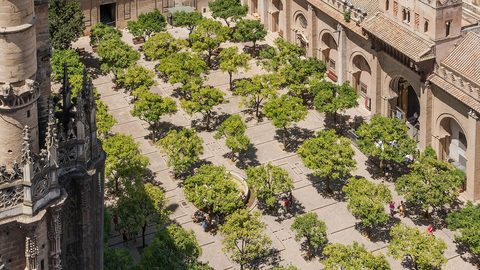 Best Time to Visit Spain by Region and Season Reality
Spain has no single best month. Andalusia bakes in August while the north is mild, and the shoulder seasons deliver the sweet spot for most regions.
Best Time to Visit Spain by Region and Season Reality
Spain has no single best month. Andalusia bakes in August while the north is mild, and the shoulder seasons deliver the sweet spot for most regions.
-
 Getting Around Spain Without Believing the Distance Map
Spain's high-speed trains shrink the map, but the gaps between lines and Renfe's payment quirks can derail a tight itinerary.
Getting Around Spain Without Believing the Distance Map
Spain's high-speed trains shrink the map, but the gaps between lines and Renfe's payment quirks can derail a tight itinerary.
-
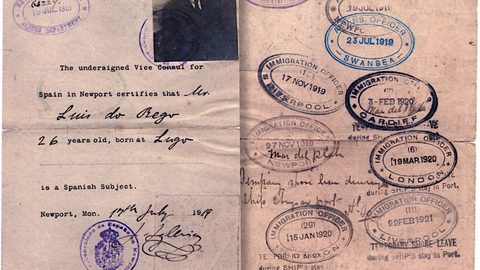 Spain Visa Requirements and the Schengen Short-Stay Rules
Whether you need a visa for Spain depends on your passport and how long you plan to stay. The Schengen 90-day clock trips up even experienced travellers.
Spain Visa Requirements and the Schengen Short-Stay Rules
Whether you need a visa for Spain depends on your passport and how long you plan to stay. The Schengen 90-day clock trips up even experienced travellers.
-
 Cash or Card in Spain and Where the Euro Still Demands Coins
Spain takes contactless almost everywhere, until it does not. Small bars, market stalls, and rural buses still run on coins. Here is what to carry and when.
Cash or Card in Spain and Where the Euro Still Demands Coins
Spain takes contactless almost everywhere, until it does not. Small bars, market stalls, and rural buses still run on coins. Here is what to carry and when.
-
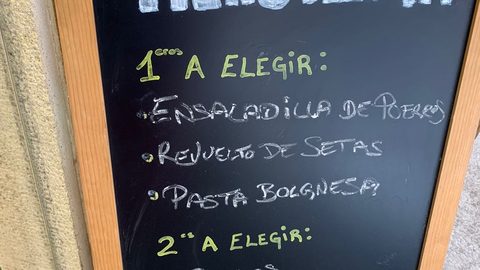 What Spain Costs in Practice Without Quoting a Single Euro Figure
How money flows through a Spanish trip, from cheap morning cafés and set lunch menus to the accumulating cost of pintxos crawls and peak-season coastal beds.
What Spain Costs in Practice Without Quoting a Single Euro Figure
How money flows through a Spanish trip, from cheap morning cafés and set lunch menus to the accumulating cost of pintxos crawls and peak-season coastal beds.
-
 A Ground-Level Logistics Guide to Independent Travel in China
First-time independent travel in China: what you need to know about visas, rail booking, eSIMs, mobile payments, and power adapters.
A Ground-Level Logistics Guide to Independent Travel in China
First-time independent travel in China: what you need to know about visas, rail booking, eSIMs, mobile payments, and power adapters.
-
 How Solo Travelers Stay Ahead of Flight Delays and Cancellations
How solo travelers can track inbound aircraft, claim rebooking rights, and adjust ground transport when flights go wrong — step by step.
How Solo Travelers Stay Ahead of Flight Delays and Cancellations
How solo travelers can track inbound aircraft, claim rebooking rights, and adjust ground transport when flights go wrong — step by step.
-
 Why Your eSIM Might Not Work Abroad and How to Check Before You Go
Buying an eSIM doesn't guarantee signal abroad. Learn why coverage fails by location and how to verify reach before you commit to a plan.
Why Your eSIM Might Not Work Abroad and How to Check Before You Go
Buying an eSIM doesn't guarantee signal abroad. Learn why coverage fails by location and how to verify reach before you commit to a plan.